Lavender Varieties and Care
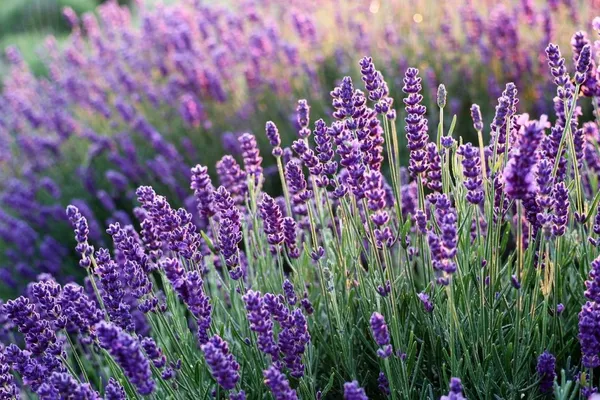
Lavender is one of the most popular garden plants and is, of course, known for its long blooming season and wonderful scent. Bees and butterflies love it, and it instantly gives your garden a Mediterranean feel. Lavender can be planted along a path or terrace in the garden, so that its scent is released every time you walk by. Lavender is also beautiful when used as an edging for a flower bed, as underplanting for Mediterranean plants, for example, or to add texture to a flower bed. Perhaps the most beautiful use of lavender in the garden is as a lavender hedge.
Types of Lavender
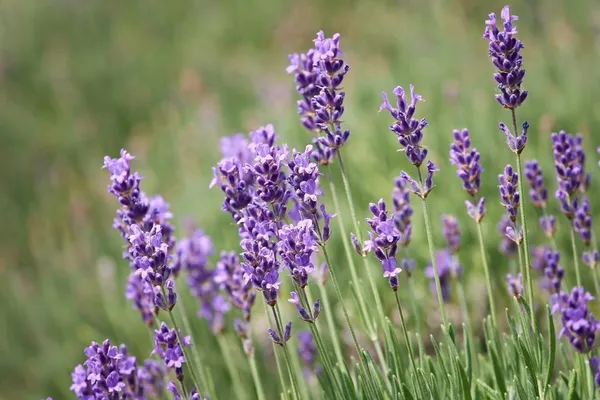
When we talk about lavender for the garden, we’re usually referring to Lavandula angustifolia. Its Dutch names are “real lavender,” “English lavender,” or “narrow-leaved lavender.” Sometimes Lavandula angustifolia is also referred to as common lavender. This is the most cold-hardy variety of lavender for our climate.
There are several varieties of lavender, ranging from the well-known blue lavender and dwarf lavender to French lavender (Lavandula dentata) and spike lavender (Lavandula stoechas). There are also beautiful hybrids, which are crosses between Lavandula angustifolia and latifolia: Lavandula x intermedia, also known as lavandin. These hybrids are also fairly hardy.
Popular Lavender Cultivars
There are an incredible number of different lavender cultivars available. Buy Lavender These days, it's very easy to do this online—for example, you can choose one of these popular varieties of lavender:
Lavandula angustifolia ‘Hidcote’
Hidcote is the best-selling variety and remains incredibly popular. It is a beautiful, compact, low-growing lavender with dark blue flowers and a strong fragrance.
Lavandula angustifolia ‘Munstead’
Munstead is still widely available, but the color of the flowers is less pronounced and can vary in intensity.
Lavandula angustifolia ‘Dwarf Blue’
A beautiful, low-growing lavender with dark blue flowers and a strong fragrance. Definitely just as beautiful as Hidcote Blue.
Lavandula stoechas ‘Anouk’
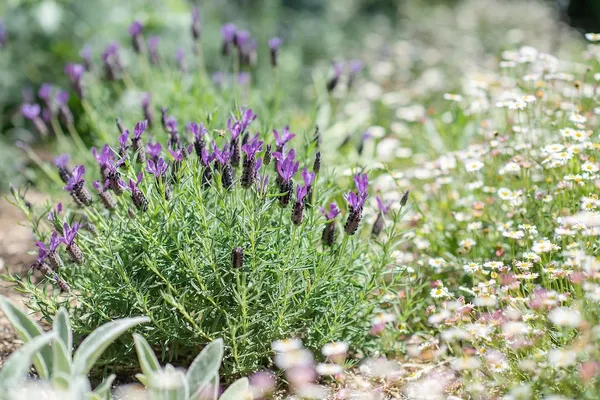
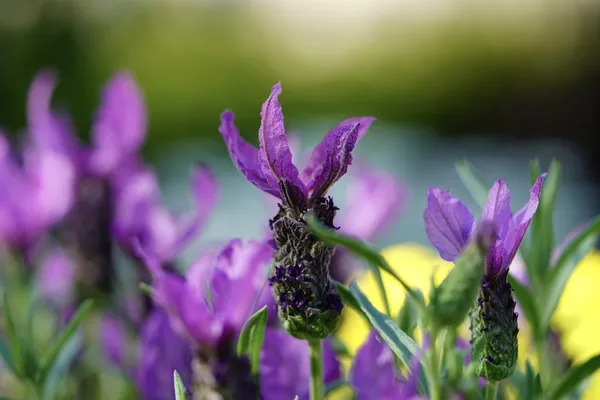
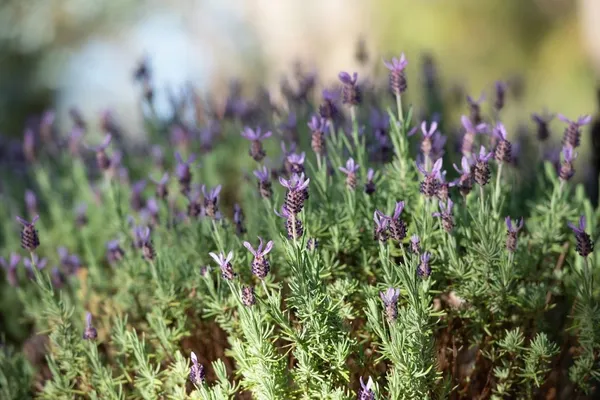
Slightly less hardy than the angustifolia varieties, but still a very beautiful and unique lavender, is Lavender stoechas ‘Anouk’. This lavender blooms with elongated, tuft-like lilac-purple flowers on thicker flower spikes. It is also known as tufted lavender, plume lavender, or butterfly lavender.
Unique Varieties of Lavender
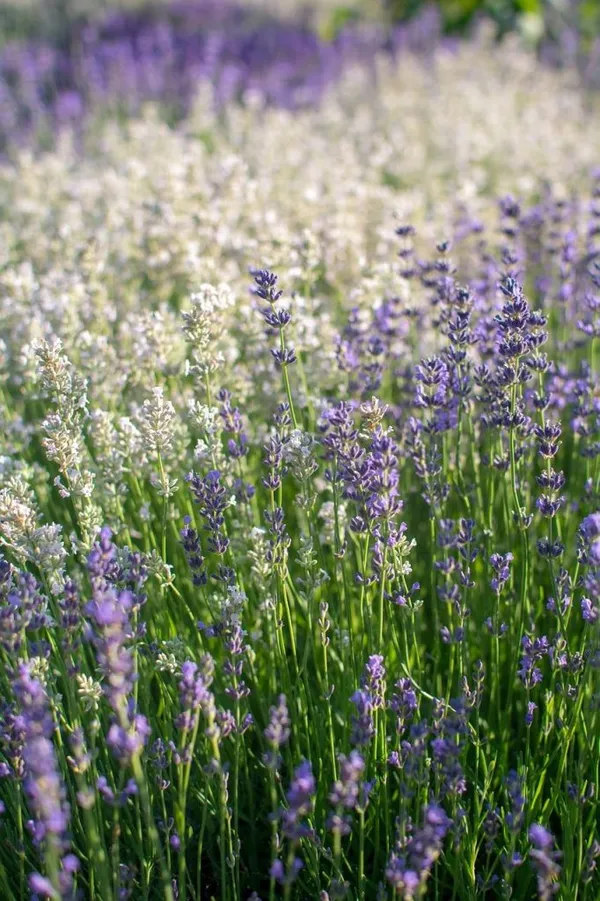
In addition to the well-known blue-purple flowering varieties of lavender, there are also lavenders with different bloom colors or unusual growth habits. Many of the lavender hybrids have an especially strong fragrance.
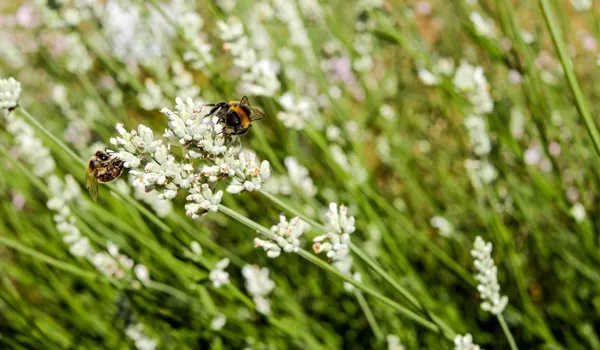
White lavender
- Lavandula angustifolia ‘Alba’
- Lavandula angustifolia ‘Arctic Snow’
- Lavandula ‘Edelweiss’
- Lavandula angustifolia ‘Nana Alba’
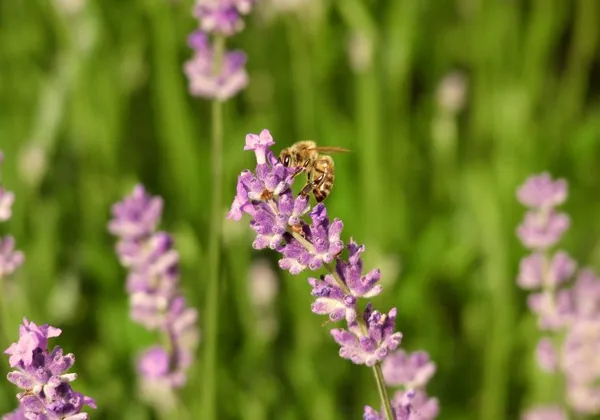
Pink lavender
- Lavandula angustifolia ‘Rosea’
- Lavandula angustifolia ‘Hidcote Pink’
- Lavandula angustifolia ‘Loddon Pink’
- Lavandula angustifolia ‘Miss Katherine’
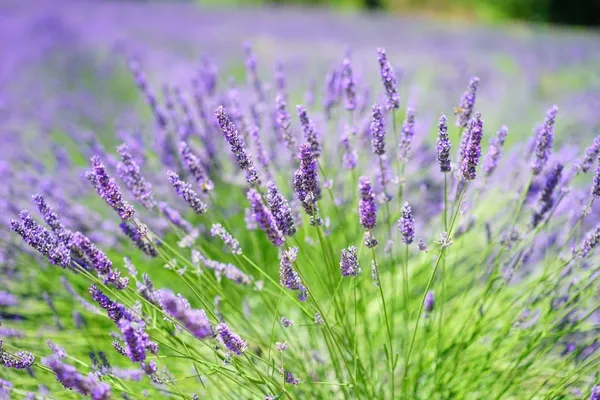
Lavender hybrids (Lavandula x intermedia)
- Lavandula ‘Dutch’ (pale violet)
- Lavandula ‘Edelweiss’ (white)
- Lavandula ‘Grosso’ (dark violet)
- Lavandula ‘Phenomenal’ (dark violet)
- Lavandula ‘Sensational’ (violet-blue)
- Lavandula x chaytorae ‘Richard Gray’ (dark violet)
The best place for lavender
Lavender prefers a spot in full sun and well-drained soil. Soil that is too wet can quickly cause problems, especially in the winter. The soil should ideally be neutral to alkaline and low in nutrients. Lavender will also grow well in a pot with good drainage placed in a sunny spot.
Caring for Lavender
Lavender is a semi-shrub that doesn’t live very long. Especially if it isn’t pruned properly, the plant quickly becomes woody and the bottom of the lavender plant becomes bare. It’s best to take cuttings from lavender regularly so you can rejuvenate your plants in a timely manner. While you often have to water other plants a lot to help them take root, you shouldn’t water lavender. Unless it’s potted lavender. Fertilizing is generally not recommended either. However, adding a little lime is fine.
How should you prune lavender?
It’s best to prune lavender immediately after flowering—or, better yet, when it’s almost finished blooming. With angustifolia varieties, there’s a good chance your lavender will bloom again around September. Then, in the fall, trim the lavender into shape by cutting back the spent flower spikes. This way, you can enjoy its beautiful shape all winter long. In the spring (as soon as new growth appears), prune the lavender back as far as possible, leaving at least 2–3 cm of green foliage. Never prune down to the old wood, as this greatly increases the risk that the plant will not sprout properly.
Frequently Asked Questions About Lavender
Want to learn more about lavender? Here are some questions we’re often asked:
Which types of lavender are hardy?
Lavandula angustifolia, also known as true lavender, is the most hardy in our climate. The intermedia cultivars are also reasonably hardy. Spike lavender (Lavandula stoechas) is somewhat less hardy (down to about -5°C). Lavandula dentata (French lavender or toothed lavender) is not hardy.
Which type of lavender stays low to the ground?
Some beautiful, compact-growing, and low-growing lavender varieties include “Hidcote,” “Dwarf Blue,” and “Nana Alba.”
What is the best blue lavender?
The best blue-flowering lavender varieties are "Hidcote Blue" and "Dwarf Blue."
Which lavender smells the best?
The scent of “Hidcote” is wonderful and strong. Yet the hybrids often have an even more fragrant scent. Lavandula “Grosso” is often described as the lavender with the best scent.
Can you plant lavender in a pot?
Lavender is ideal for growing in a pot. With good drainage, you can be sure your lavender won’t get too wet. Fill the pot or planter with low-nutrient potting soil, and mix in some gravel or sand if desired. Choose a sunny spot for your pot so you can fully enjoy your potted lavender. Keep in mind, though, that you’ll need to water it occasionally when it’s in a pot.
What can you pair lavender with?
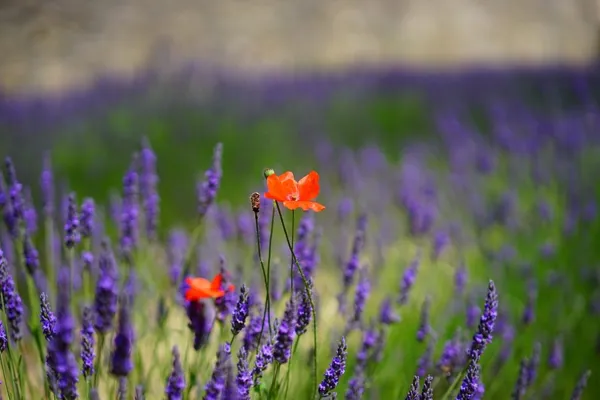
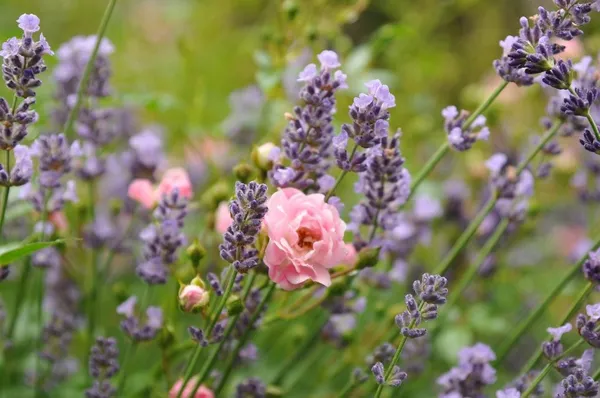
Lavender pairs beautifully with roses, geraniums, cosmos, wall speedwell, red coneflower, poppies, rosemary, Tuscan jasmine, Italian cypress, fig trees, olive trees, and other Mediterranean plants.