
Here's how to keep your small garden looking beautiful all year round (in every season)
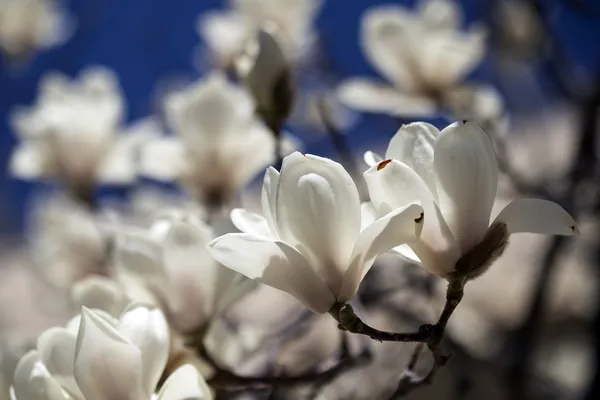
Especially in a small garden, it’s important that the space remains beautiful and inviting all year round. Since every square meter counts, color, texture, and atmosphere ensure that the garden looks vibrant and attractive in every season. While in a large garden you can still create charming seasonal nooks, in a small garden you often see the entire space at a glance. That’s why it’s important to carefully consider proportions and plant combinations.
In this article, we’ll provide you with inspiration and seasonal combinations, along with practical tips for creating an attractive small garden all year round.
Go directly to:
- spring
- summer
- fall
- winter
Spring: A Fresh Start and Blooming in Compact Borders
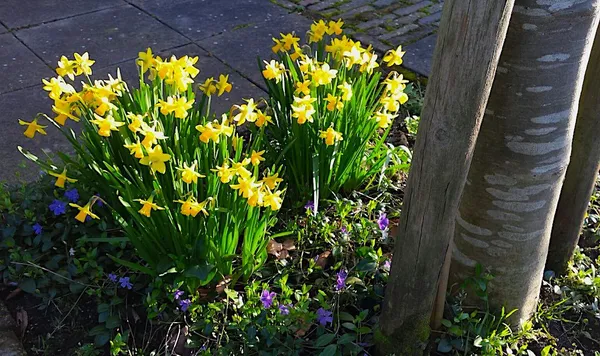
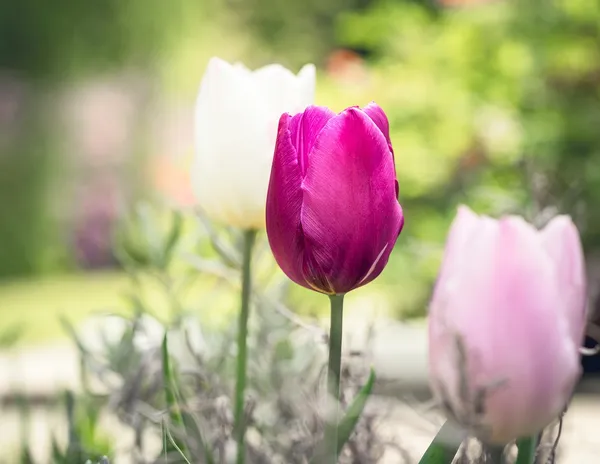
Spring is the perfect time to bring your garden back to life. Choose compact spring bulbs such as crocuses, daffodils, and grape hyacinths, which are ideal for small or narrow borders, or pots and planters. Flower bulbs like snowdrops and winter aconites are the first to bloom. Keep in mind that most spring-flowering bulbs need to be planted the previous fall.
Groundcover plants such as Vinca minor, small violets, or Ajuga reptans fill in empty spots and create a neat, well-maintained look.
Herbs grown in pots or raised beds—such as chives, parsley, and thyme—not only add fragrance but are also delicious in the kitchen. Beautiful spring-blooming plants that make a big impact include tulips, alliums, and Camassia. They don’t take up much space, yet they still make a striking statement. Play with varying heights by placing low-growing flowers in the front and slightly taller ornamental grasses or compact shrubs in the back, creating depth and texture in the border. Flowering shrubs, such as forsythia, skimmia, azalea, and ornamental cherry, add color to spring. Evergreen shrubs are ideal as a backdrop. Viburnum tinus does both: it blooms (still) in the spring and is evergreen.
Spring is, of course, also the season of blossoms. You can see blossoms everywhere on fruit trees—and even earlier on ornamental fruit trees, such as ornamental cherries, ornamental apples, and ornamental pears. If you have room for a tree, we’d definitely recommend choosing a flowering tree. Fortunately, there are also compact or smaller ornamental cherries, patio fruit trees, and shorter magnolias.
Summer: Color, Fragrance, and Vibrancy
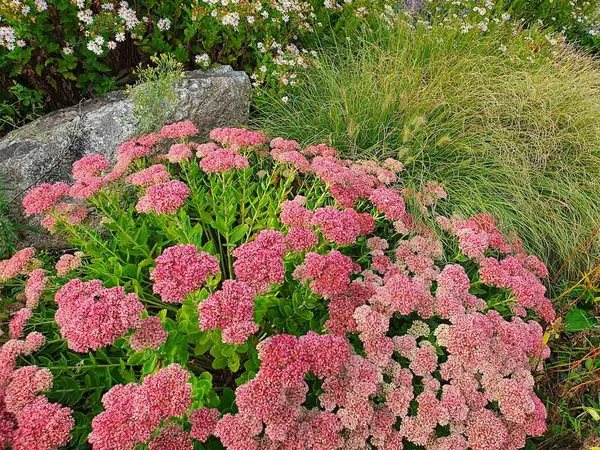
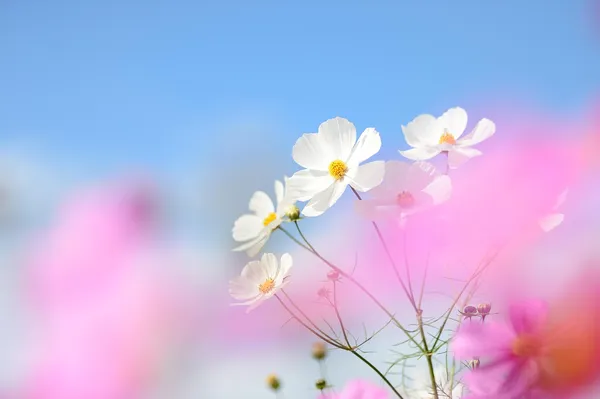
Summer is the perfect season for color, fragrance, and vibrancy—even in a small garden. Choose compact, long-blooming varieties that take up little space but make a big impact.
Colorful Summer Bloomers
- Geranium (Geranium ‘Rozanne’): blooms for a long time, stays compact, and is ideal for borders.
- Fuchsia (Fuchsia magellanica): suitable for pots or sheltered spots in (partial) shade; blooms for a long time.
- Wallflower (Erysimum): a compact, early-summer bloomer with vibrant colors.
- Petunia: an annual, perfect for pots and hanging baskets, providing color well into the summer.
- Zinnia: annual, low-growing, compact varieties for sunny borders.
- Dahlia: the well-known annual with (very) large flowers; continues to bloom until the first frost.
Summer-flowering perennials
The list of perennials that bloom in the summer is very long. Think of well-known varieties such as meadow crown, daylily, licorice plant, yarrow, knotweed, phlox, geranium, verbena, bellflower, cornflower, lavender, sage, delphinium, sage, sedum, feltwort, coneflower, sunflower…
Shrubs for Ambience and Texture
Shrubs and trees that add a lot of charm in the summer and give your garden a Mediterranean feel include the olive tree, holm oak, fig tree, and eucalyptus. But of course, there are also many flowering shrubs that look beautiful in the summer. Think of hydrangeas (be sure to choose varieties that stay relatively small), roses, hibiscus, and butterfly bushes.
Ornamental grasses as filler
- Blue sheepgrass (Festuca glauca): a small ornamental grass with blue-green foliage that adds movement and texture.
- Foxtail Grass (Pennisetum alopecuroides ‘Hameln’): a compact variety, ideal for flower borders.
- Ornamental Miscanthus (Miscanthus sinensis ‘Gracillimus’): slender and elegant, suitable for small borders or pots.
Fragrant herbs
- Basil, rosemary, oregano, and sage are perfect for pots or raised beds. They add fragrance, are useful in the kitchen, and take up very little space. You can grow mint in the shade or partial shade. However, don’t plant it in the ground, because mint can spread like wildfire.
Vertical Plants for Small Gardens
- Clematis: ideal for fences or pergolas; available in a variety of colors and blooming times.
- Climbing roses (Rosa): compact climbers that grow up walls or fences.
- Honeysuckle (Lonicera): fragrant, colorful flowers and fresh foliage.
- Hedera (Hedera): evergreen, perfect for vertical cover and shady spots.
Practical tips:
Vary the colors, leaf textures, and blooming times to create a full, vibrant summer border, even in a small space. Combine low-growing flowering plants in the foreground with slightly taller ornamental grasses or shrubs in the background to add depth and structure. Use pots and raised beds to keep your planting flexible and easy to rearrange.
Fall: Warm Colors and the Joy of Harvesting
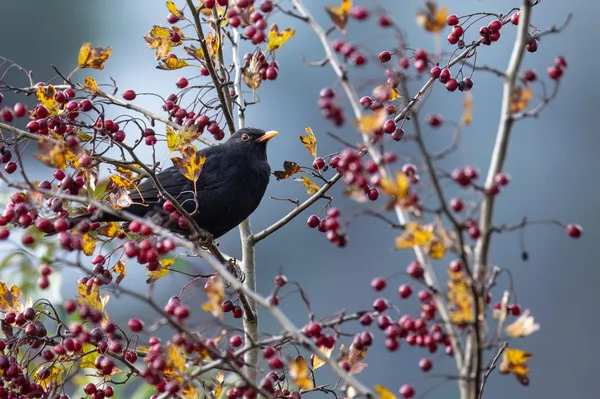
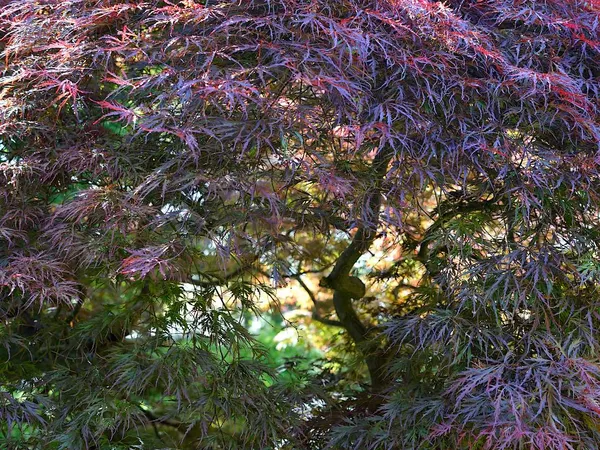
Fall colors bring warmth and atmosphere. Compact ornamental grasses such as Pennisetum alopecuroides or Miscanthus sinensis ‘Gracillimus’ add movement and texture. In the fall, they steal the show with their flower plumes. Shrubs that change color, such as Japanese maple, dogwood, spindle tree, heavenly bamboo, and blueberry, are suitable for small borders and add autumnal hues.
See more shrubs with beautiful fall colors
Berry bushes thrive in pots or raised beds, providing a harvest or attracting birds. Be sure to take advantage of the many colorful berry bushes that attract birds. Ornamental grasses also look great in pots or containers. Late-blooming perennials such as Rudbeckia, Persicaria, and Aster provide color well into the season. Add evergreen plants, such as Buxus, Taxus, or Hebe, to maintain structure.
Winter: Greenery, Texture, and Ambience
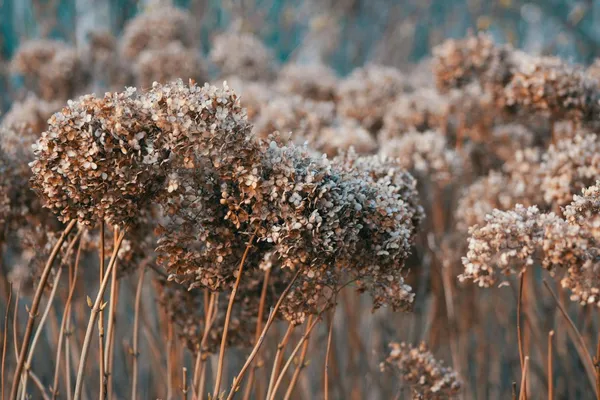
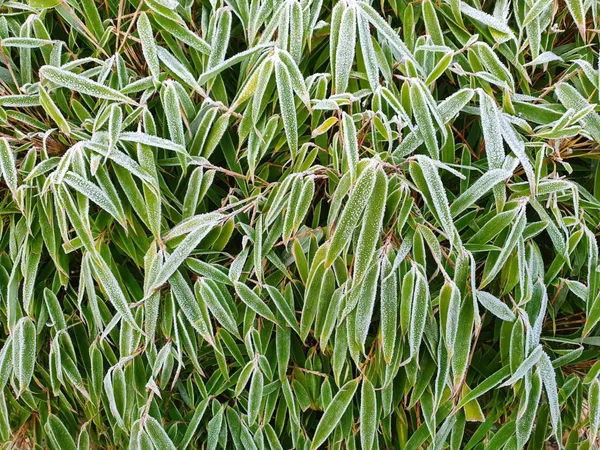
Winter doesn’t have to be bare. Evergreen plants such as boxwood, skimmia, (Japanese) holly, and compact conifers provide structure and color. Winter-flowering plants such as Viburnum tinus, camellia, mahonia, hellebore, and winter heather add flowers, fragrance, and accents to borders and pots.
But even flowers that have finished blooming and plants that retain their shape can add a lot of decorative value. Think of dried hydrangea flowers, or ornamental grasses that retain their structure through the winter.
Lighting and accessories add to the ambiance: LED lanterns, candles in holders, or compact fire pits provide warmth and a cozy atmosphere. Birds bring life to the garden; a bird feeder or water dish attracts them, even on cold days. Vertical elements, such as climbing plants or hanging pots, help save space and add depth to small gardens.
Be sure to check out our tips for a beautiful winter garden, or take a look at the best plants for a winter garden
Tips for All Year Round
- Mix perennials with annuals for continuous blooms and color.
- Use pots and raised beds to allow for flexibility in sunny and shady spots.
- Combine colors and leaf textures to create visual appeal in every season.
- Use vertical elements and multifunctional furniture to save space.
- Plan ahead: consider early spring bloomers, tall summer flowers, fall colors, and winter texture.
Make the Most of Your Small Garden
By combining compact plants, texture, color, fragrance, and practical accessories, your small garden will remain attractive all year round. Each season offers unique opportunities to keep your garden lively, inviting, and functional, even in a small space.