
Is wisteria poisonous?
Wisteria is one of the most beautiful climbing plants.
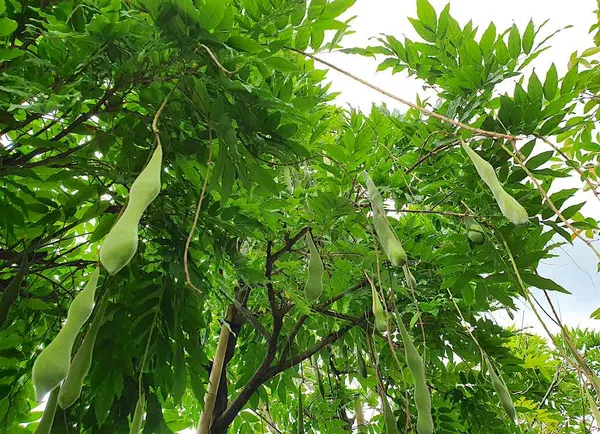
Its stunning blooms, delightful fragrance, and beautiful foliage make it a wonderful addition to any garden. After blooming, older plants can be completely covered with graceful seed pods.
Still, there are also disadvantages to having a wisteria.
It’s a fast and vigorous grower (downspouts aren’t always strong enough, and a wisteria needs a sturdy support to climb on). It’s also often said that wisteria is dangerous for children and pets, but is that true?
Is wisteria poisonous and dangerous to children and pets?
In the summer, wisteria produces seed pods. Older plants can be completely covered with them. This often looks beautiful. Yet it is precisely these pods that pose a danger. Wisteria seed pods are toxic if ingested.
Do you have small children or pets who love to explore?
In that case, it might be better not to plant wisteria in the garden, or at least to remove the seed pods in a timely manner.
Incidentally, it’s not just the pods and seeds of the wisteria that are poisonous. The twigs and roots are also poisonous. The plant’s sap can cause severe eye irritation. However, it is primarily the seeds and pods of wisteria that pose a danger. It doesn’t help that they look like beans!
If your child has eaten several pods, it is advisable to take them to the hospital. Symptoms of poisoning include vomiting, nausea, and stomach cramps.