
Is verbena hardy?
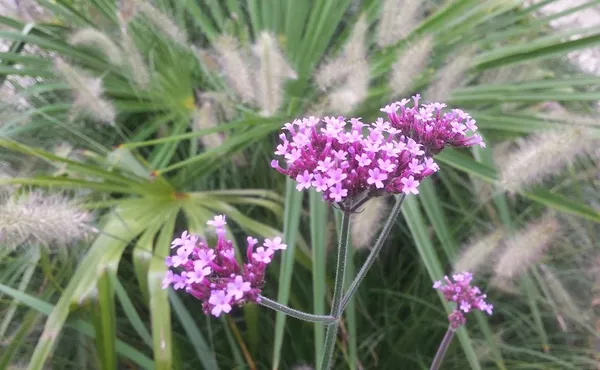
Verbena bonariensis; perhaps the most beautiful perennial there is…
In any case, we love it (and so do butterflies and bees)!
Verbena bonariensis (verbena) blooms for a very long time: from June/July until the first frost. Although these plants are often quite narrow, they make a beautiful accent among other perennials and ornamental grasses. It’s no wonder this plant has been so popular for years.
Still, we’re often asked the same question:
Is Verbena bonariensis hardy?
When we talk about verbena in the garden, we’re usually referring to Verbena bonariensis. This is not the native variety (which is Verbena officinalis). As you might expect, the native variety is hardy.
Verbena bonariensis is moderately hardy. In mild winters, the plant will survive and produce new shoots in the spring. You’ll end up with beautiful, full plants. In harsher winters, or in a less-than-ideal location (sheltered and well-drained soil), there is a good chance the plant will not survive the winter.
Still, that’s not a big deal, because ironweed self-seeds abundantly.
Starting in the fall, you’ll often see the first seedlings sprouting. In the spring, too, new plants will emerge from the seeds that were scattered earlier. Although Verbena doesn’t actually survive a harsh winter, new plants will still appear around the spot where it grew last year.
Too many seedlings?
So Verbena bonariensis self-seeds easily. For some people, TOO easily. Although we can’t get enough of these plants ourselves, it’s actually easy to keep their spread under control. The seedlings are easy to spot, and you can easily remove or transplant them.
Hardiness of Other Verbena Species
Verbena hastata, Verbena rigida, and likely also Verbena (bonariensis) ‘Lollipop’ are less hardy than the species itself. These varieties also seem to self-seed somewhat less readily.