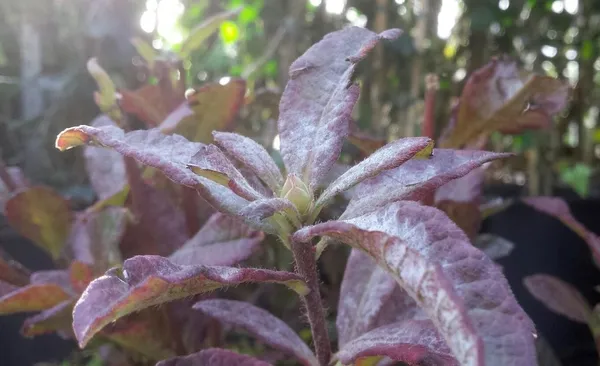
Is this mildew? And how can you prevent mildew?
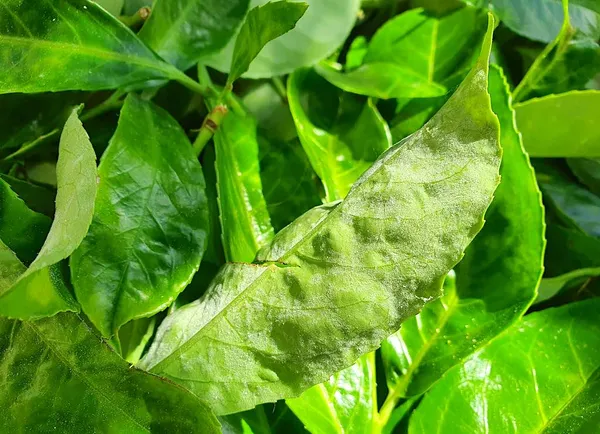
Powdery mildew is a fungal disease that, unfortunately, is very common in gardens.
Powdery mildew is also known as white mold.
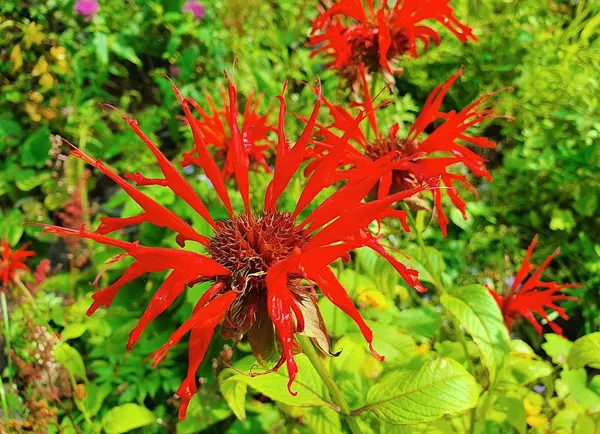
Some plants, such as phlox and monarda, are very susceptible to this. Powdery mildew occurs in both ornamental gardens and vegetable gardens.
There are two types: powdery mildew and downy mildew. It’s important to recognize the differences, because they have different causes.
How can you tell if it's powdery mildew?
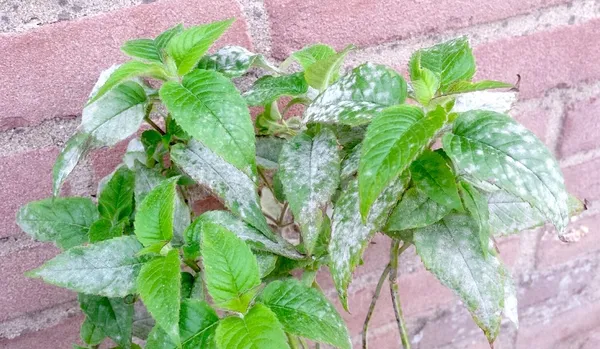
You can recognize powdery mildew by a white haze or white, powdery substance on the plant. The infection usually appears on the leaves and stems of the plant and can be wiped off. A few white spots may be visible, or sometimes the entire plant may turn white.
Powdery mildew is (almost) always found on the upper surface of the leaf. Often, the affected leaf will also curl over time.
Do plants die from mildew?
If the infestation isn't too severe, the plant will usually survive the disease. Flowering is also often unaffected. However, it can seriously weaken the plant. Be sure to give affected plants extra care and remove any infected leaves.
The fungal spores remain in and around the plant. There is therefore a high likelihood that the plant will be infected again next year. It can also spread to other susceptible plants.
How can you control mildew?
Prune away the affected parts of the plant so that the mildew cannot spread further. Discard the pruning waste (do not put it on the compost pile) and clean your pruning shears thoroughly afterward.
Although various pesticides are commercially available, we do not recommend using them. The use of such products can have serious consequences for other plants and animals. An organic remedy is therefore preferable. Many commercial pesticides contain sulfur.
There is also a more natural way to control the problem: Spray the affected plants with milk water. This is a mixture of water (60%) and milk (40%). Use a plant sprayer to apply the mixture as a fine mist. The plants often start to look healthier within a short time. Continue the treatment weekly until all the powdery mildew has disappeared.
How do you prevent mildew?
Mildew occurs mainly in warm, dry weather.
Taking good care of your plants can make all the difference. Plants that are already weakened are often the first to be affected.
Don't let plants dry out. Newly planted and potted plants are vulnerable. In a dry spring, mildew often spreads on a large scale.
Don't fertilize unnecessarily or too often. Plants that have been over-fertilized (and are therefore growing too quickly) are more susceptible to powdery mildew.
Choose resistant varieties. For many plants that are susceptible to powdery mildew, there are cultivars available that are more resistant to the disease. Unfortunately, this isn’t a guarantee of success, but these plants are often much less affected by it.
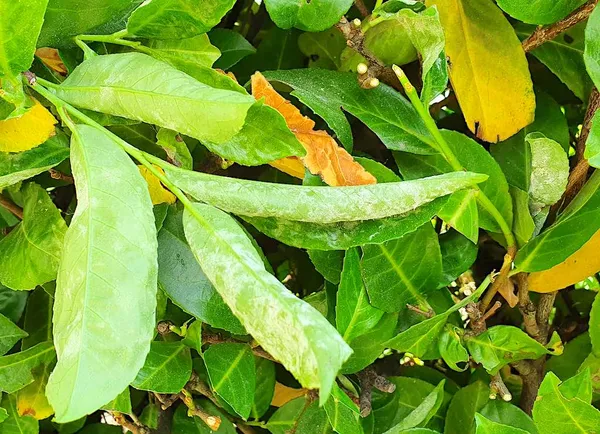
How do you recognize downy mildew?
You can recognize downy mildew (or false mildew) by a white to white-gray film or fuzzy mold on the underside of the leaf. On the upper side of the leaf, you’ll usually see yellow or brown spots. Downy mildew forms a kind of plaque and is not easy to wipe off.
Can downy mildew harm your plants?
In most cases, the plant does not die from the fungus, but it can seriously weaken the plant.
The fungal spores remain in and around the plant. There is therefore a high likelihood that the plant will be infected again next year. The fungus can also spread to other susceptible plants. Remove as many infected leaves as possible.
How do you control downy mildew?
Prune away the affected parts of the plant so that the mildew cannot spread further. Discard the pruning waste (do not put it on the compost pile), and clean your pruning shears thoroughly afterward.
Although various pesticides are commercially available, we do not recommend using them. The use of such products can have serious consequences for other plants and animals. An organic remedy is therefore preferable. Many commercial pesticides contain sulfur.
Milk water is often recommended for this type of mildew as well, but unfortunately, it is usually less effective.
How can you prevent powdery mildew?
Powdery mildew occurs mainly in cold, damp weather. It often appears early in the spring.
Taking good care of your plants makes all the difference. Plants that are already weakened are often the first to be affected.
Prevent plants from becoming waterlogged. If plants remain wet for a long time, downy mildew spreads more quickly. Make sure plants have adequate airflow. Therefore, don't place too many plants too close together.
Simply pruning a few side branches or leaves can quickly improve air circulation. Also, don't leave leaves on the ground in areas where downy mildew tends to develop.
Choose resistant varieties. For many plants that are susceptible to downy mildew, there are cultivars available that are more resistant to the disease.
Which plants are susceptible to powdery mildew?
Ornamental garden plants that are susceptible to powdery mildew
- Amelanchier (serviceberry)
- Aster
- Aquilegia (columbine)
- Begonia
- Catalpa (trumpet tree)
- Clematis
- Delphinium (larkspur)
- Magnolia (false tulip tree)
- Monarda (bergamot)
- Lonicera (honeysuckle)
- Phlox (flame flower)
- Rosa (rose)
- Salvia (beautiful sage)
Vegetables from the vegetable garden that are susceptible to powdery mildew
- Strawberry
- Apple
- Zucchini
- Grape
- Cucumber
- Tomato