
Is the heat wave over? Here's how to help your garden recover
After days of extreme heat, a cooler day almost feels like a relief. You take a leisurely stroll through the garden again and suddenly notice everything the heat has left behind: a hydrangea with wilted leaves. Brown edges on the leaves. Wilted flowers that had looked fresh just a short while ago. Maybe even a lawn that’s more yellow or brown than green.
The first reaction is often: let’s get to work! Watering, pruning, fertilizing, tidying up. You want to help your garden and get everything back in order. Still, it’s best not to act too quickly. A garden that has just weathered a heat wave sometimes looks worse than it actually is. Many plants have temporarily protected themselves and can recover as soon as conditions improve.
There’s a lot of advice out there for dealing with extreme heat (some of which is based on myths), but very little for afterward. The most important step after a heat wave is not to take drastic action right away, but to take a good look first. What really needs help? Which plants will recover on their own? And which gardening tasks can you tackle again now?
First, see what the heat has actually done
A heat wave doesn't cause the same problems for every plant. A mature shrub that has been in the same spot for years often has an extensive root system and can withstand drought much better than a young plant that has just been planted in the garden.
Potted plants have also had a tough time. They have less soil to retain moisture, and the pot itself heats up quickly. So start by taking a leisurely stroll through the garden.
Take, for example:
- young saplings;
- plants in pots and containers;
- plants with completely dried-out leaves;
- places where the ground has become hard and dry.
Wilted leaves don't always mean a plant is doomed. Some plants let their leaves droop to reduce water loss and will recover as soon as the weather cools down. So give your garden a chance to show what it can still do.
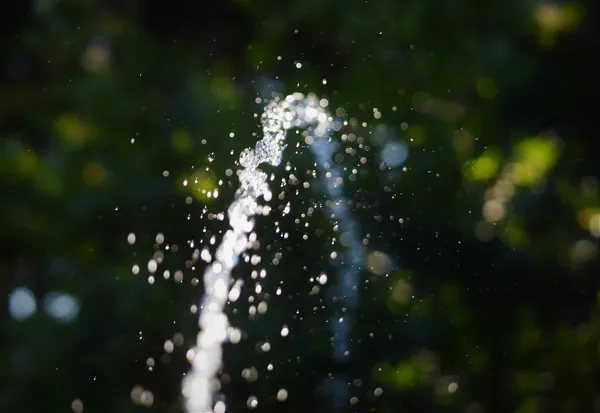
Watering After a Heat Wave: Here's How to Do It Right
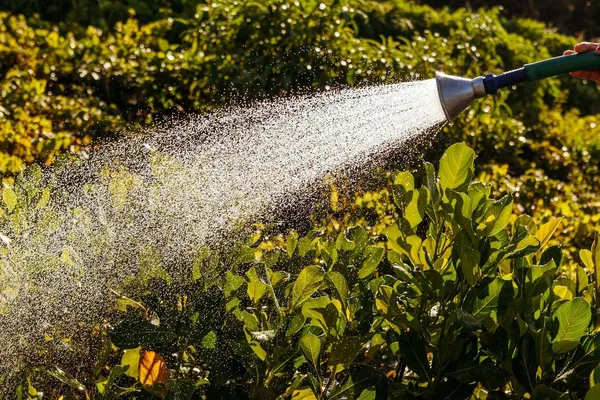
After a long spell of hot weather, watering more than usual seems to be the solution. But dry soil doesn't always absorb water well right away.
When the soil has become hard, water can quickly run off or seep past the dry soil without the roots getting enough of it. Therefore, it’s better to water gently and repeat as needed. A second (or third) watering is often more effective.
Focus especially on plants that really need it:
- young plants;
- potted plants;
- vegetable garden plants;
- plants with shallow roots.
A mature tree or shrub often doesn't need immediate help. It usually has greater reserves and, thanks to its deep roots, can usually find water on its own.
Learn more about watering
What can you do in the garden now?
During a heat wave, you often put off all sorts of tasks. As soon as the weather cools down, you start to feel the urge to get back to work. Fortunately, there are plenty of things you can do again now.
Remove wilted flowers
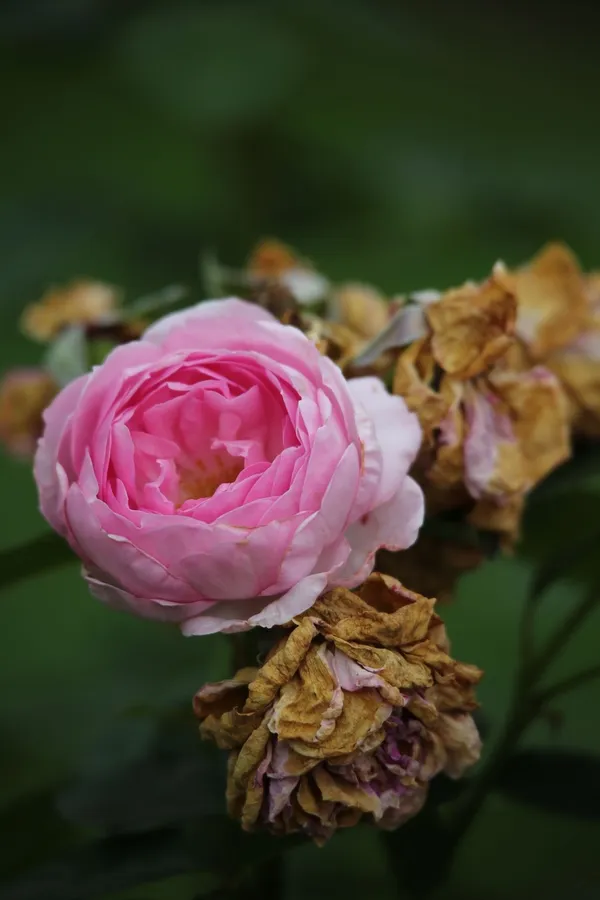
You can usually remove spent flowers right away. It makes the plants look a little fresher, and for some varieties, it encourages new blooms. If you really want to, you can also do this during the hot season.
Also remove leaves that are truly completely dead. But be careful with plants that only appear to be slightly damaged. Sometimes, new growth will simply emerge from a spot that looks unsightly.
Weed Removal
After rain or a cooler spell, this is often a good time to tackle weeds. The soil has softened, making it easier to pull out the roots. Plus, your garden will have more space, and your plants will be able to make better use of the available water.
Check the plants and move them (later) if necessary
The heat wave may have made it clear which spots in your garden get very hot. A plant that visibly struggles with the heat every summer may not be in quite the right spot.
Don't do this right away; instead, make a note of which plants struggled and think about which spot might be more suitable. Fall is often a good time to move plants or redesign your garden.
When can you start pruning again?
Pruning after a heat wave is a common question. The answer depends on what you want to do. You can usually just remove dead branches or clearly damaged parts. That gives the plant some breathing room again.
For major pruning jobs, it’s best to wait until you see that the plant is actively growing again. A plant that’s still recovering needs its energy for healing, not for creating new wounds.
Not sure if a branch is dead? It’s best to wait a little longer. Many plants will eventually sprout again after a period of heat and drought.
When can you start planting and fertilizing again?
A cooler spell after a heat wave can actually be a great time to plant new plants in the garden. The soil is often still warm, which allows roots to grow well, while plants are less likely to dry out. Be sure to wait until the soil is sufficiently moist again, though. Planting a new plant in dry, hard soil causes it unnecessary stress.
It’s best to wait to fertilize until the plants start growing visibly again. New leaves or fresh shoots indicate that the plant is active again. At that point, fertilizer can actually help the plant grow stronger. Extra fertilizer is especially important in the summer for annuals and potted plants.
What can you learn from a heat wave?
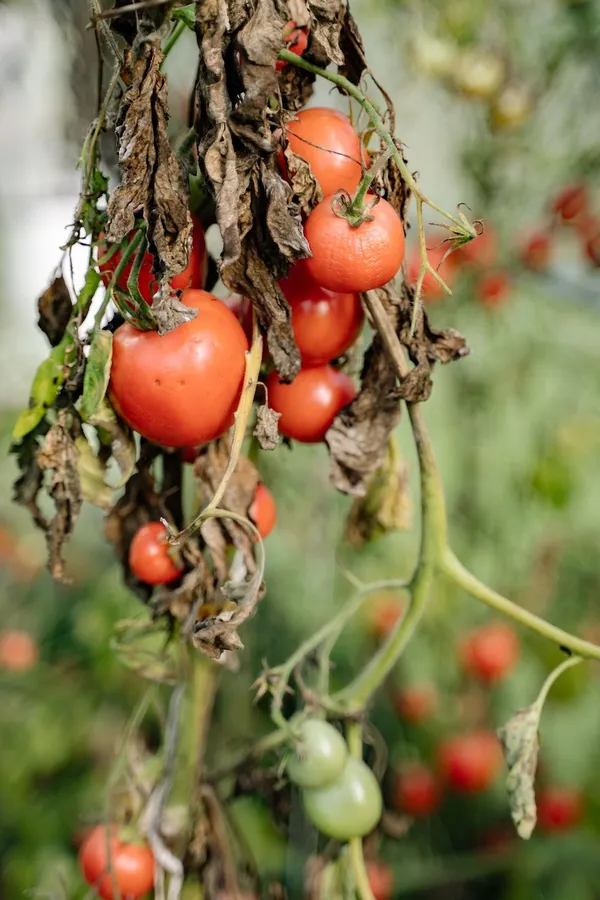
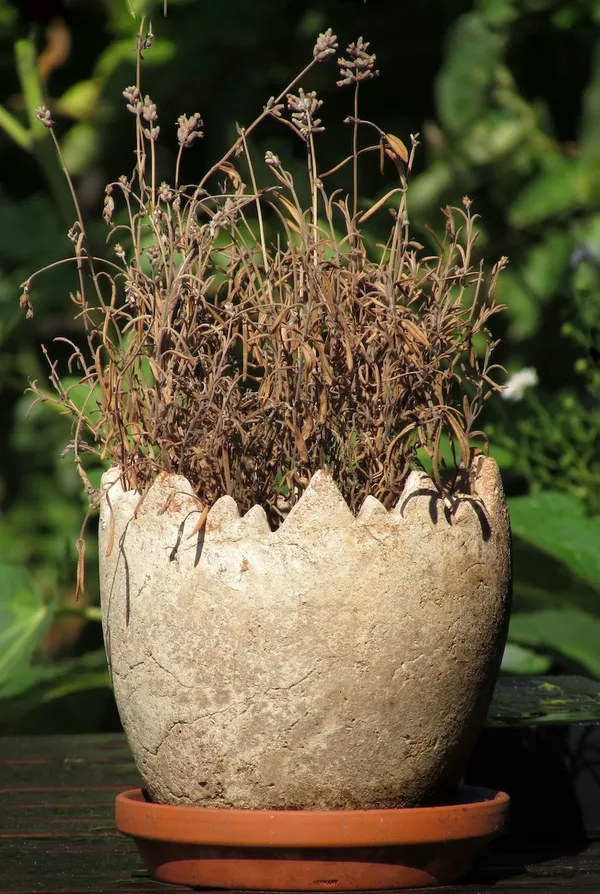
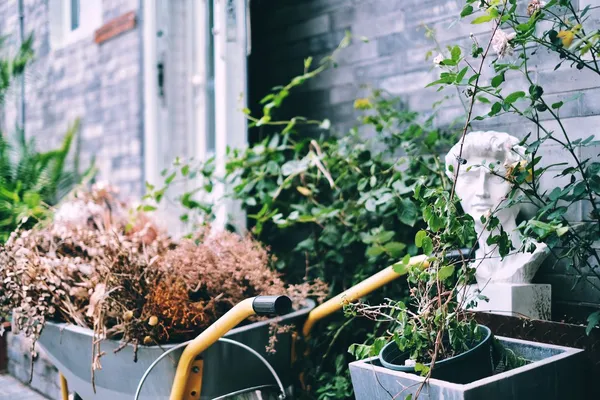
An extreme heat wave is unpleasant, but it also provides valuable information. You suddenly see which plants are hardy, where the garden dries out quickly, and which areas might need more protection.
Maybe now is the time to:
- use more mulch so that moisture is retained longer;
- to improve the soil with compost;
- choosing plants that are more drought-tolerant;
- to create more shade;
- to collect rainwater.
This will not only make your garden more beautiful, but also better prepared for future periods of extreme weather.
Your garden doesn't have to come out of the heat looking perfect
A heat wave leaves its mark. That’s just part of gardening. Not every plant will look fresh again right away, and not every brown spot means something has been lost. Give your garden time to recover, and be sure to keep a close eye on what’s happening. Often, a few weeks later, you’ll find that plants are much stronger than you thought.
The best approach after a heat wave is therefore simple: help where necessary, wait when possible, and use this time to get to know your garden better and better.
Want to read more about gardening during heat waves and droughts?
- Heat Wave in the Garden: 7 Myths You Shouldn't Believe
- Here's how to help your garden survive the heat!
- Prevent problems caused by (extreme) drought in your garden with these tips
- Which plants can tolerate drought?