
Is it time to prune ornamental grasses?
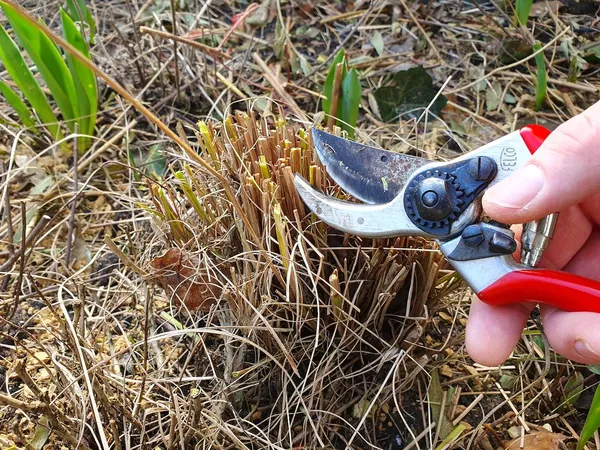
Ornamental grasses are perfect for any garden! They’re a beautiful addition to your flower border and add movement to your garden. They’re also very easy to grow and require very little maintenance. Pruning once a year is sufficient. In early spring—or when temperatures rise toward the end of winter—it’s time to prune your ornamental grasses again.
When should you prune ornamental grasses?
You should prune ornamental grasses around (mid-)February through March. The best time to prune ornamental grasses is before the young shoots really start to grow, so you don’t cut them off. Depending on the location and how much sun your ornamental grasses get, the best time may be earlier or later in the spring. It’s best not to prune if there’s no new growth visible yet.
It’s best not to prune ornamental grasses in the fall. Doing so reduces their ornamental value (grasses covered in frost are beautiful to look at in the winter) and removes hiding places and overwintering sites for insects.
How do you prune ornamental grasses?
For pruning purposes, ornamental grasses can be divided into 3 groups:
Evergreen ornamental grasses, ornamental grasses with sturdy stems (that sprout anew from the ground), and soft ornamental grasses (that sprout anew from the center of the clump).
Pruning Evergreen Ornamental Grasses
Evergreen ornamental grasses, such as sedges (Carex) and fescues (Festuca), stay green in the winter and do not require any real pruning. Simply remove the dead leaves to keep these ornamental grasses looking their best.
Pruning Hardy Ornamental Grasses
Many types of ornamental grasses have sturdy stems and blades. The stems of these varieties remain upright, often well into the winter. Examples include fountain grass (Pennisetum), pampas grass (Cortaderia), Chinese silver grass or ornamental silver grass (Miscanthus), purple moor grass (Molinia), and reed grass (Calamagrostis). These all belong to the category of sturdy ornamental grasses. Prune them back around March, cutting them just above the ground. Be careful not to cut off the new green shoots, as these will remain visible throughout the year.
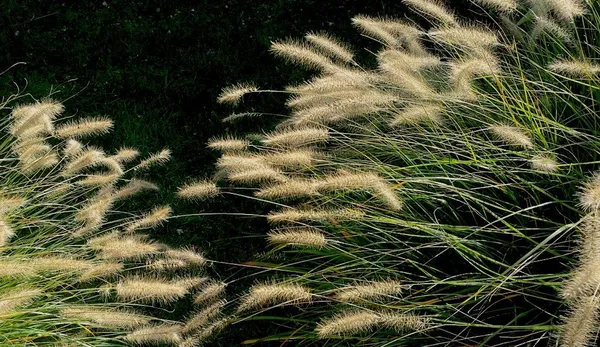
Lamp Cleaner Grass at Its Best
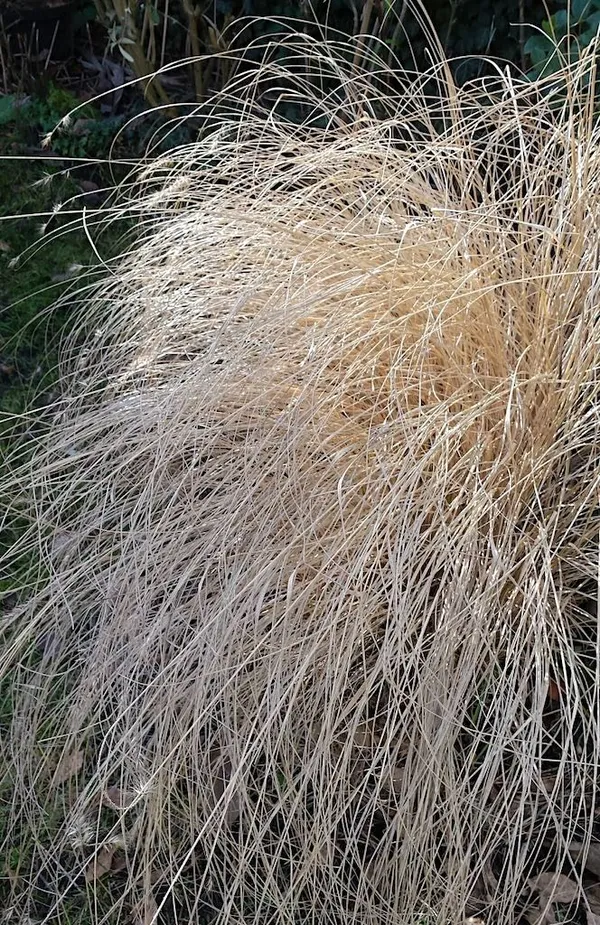
Just before pruning
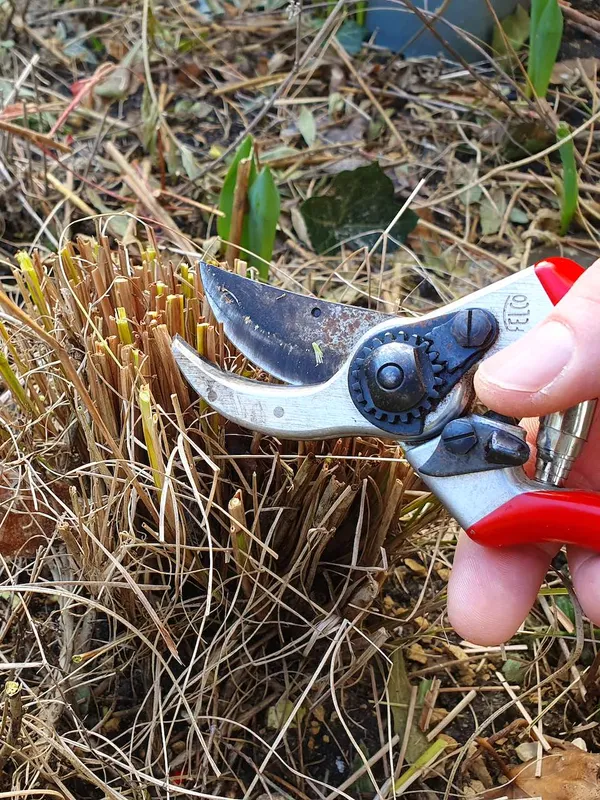
Pruning Ornamental Grasses
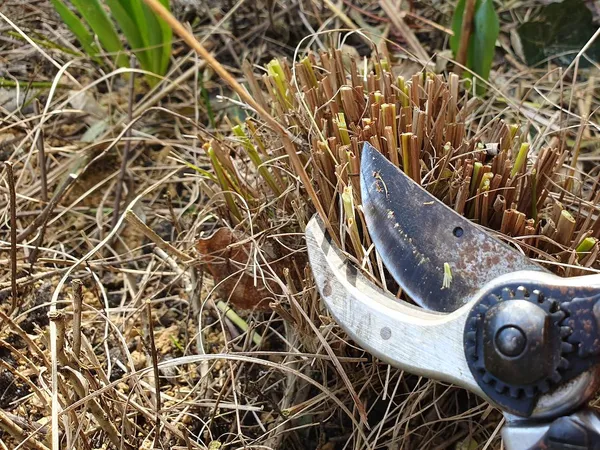
During pruning
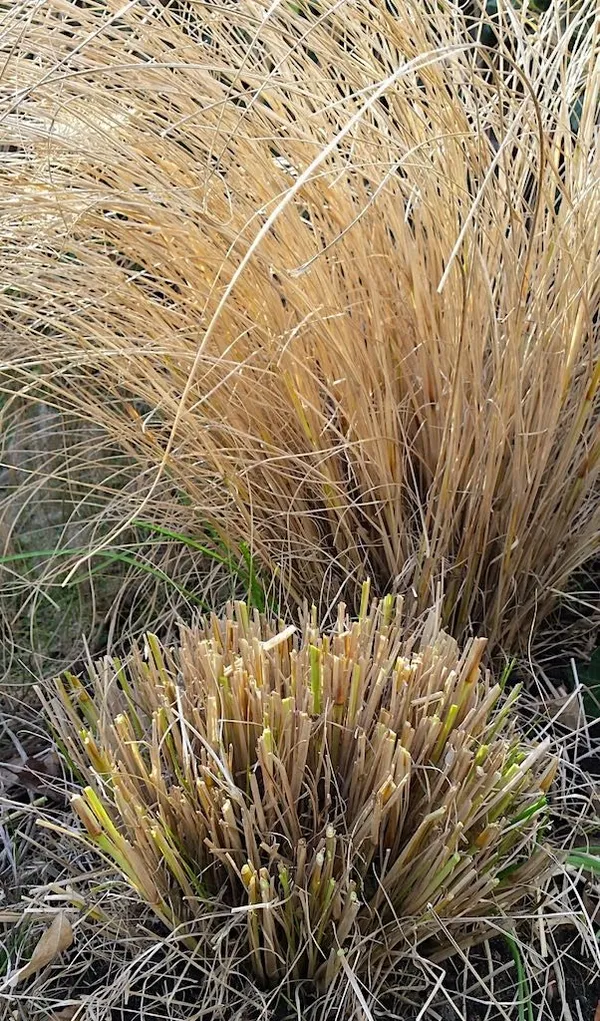
Partially pruned
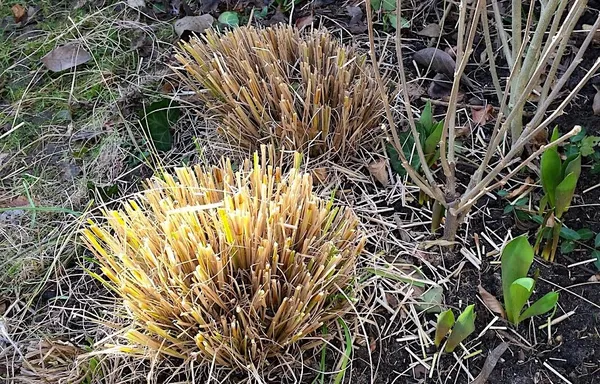
After pruning
Pruning Soft Ornamental Grass
In addition to evergreen ornamental grasses and varieties with sturdy stems, there are also soft varieties of ornamental grass. Examples include feather grass (Stipa) and blue fescue (Festuca glauca). These ornamental grasses don’t really need to be pruned, but it’s best to thin them out. In the spring (and possibly after a dry summer), gently run your hands through the grass and, as it were, brush out the old (discolored) parts.
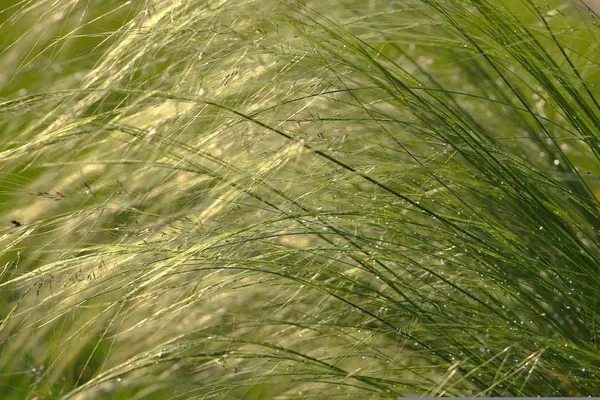
Soft ornamental grasses, such as Stipa
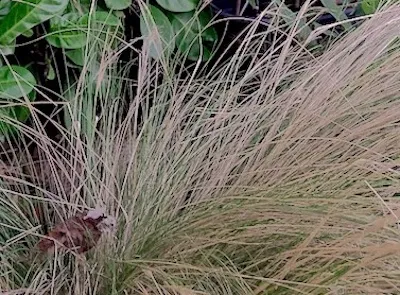
Run your hand through the grass, and the old leaves will come loose.