
Is Hebe really hardy?
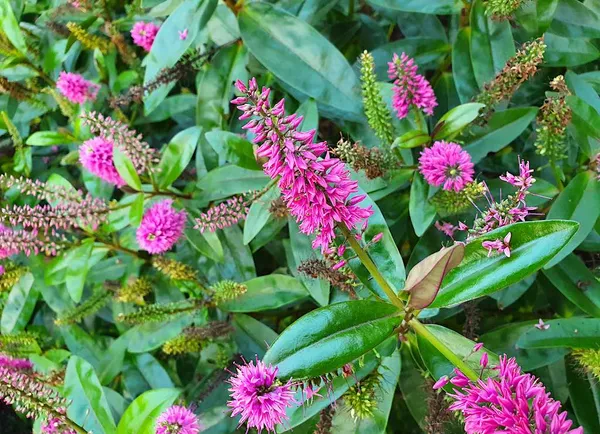
Hebe is a beautiful evergreen plant with striking, exotic-looking flowers.
It blooms for a long time and begins flowering when many other plants are already past their peak. Hebe also attracts many butterflies and bees.
Contrary to what many people think, this plant actually thrives in partial shade. It can tolerate full sun, but the risk of it drying out is much greater in that case.
The plant also dries out more quickly when grown in a pot. Regular watering during the growing season is necessary. The advantage of growing it in a pot is that it’s easier to move it to a frost-free location in the winter.
Hebe is increasingly available at garden centers and other plant shops because they simply stay beautiful for a long time. However, there is one thing to keep in mind: Many types of Hebe cannot tolerate frost!
Which Hebe is hardy?
Dwarf Heve
The hardiest varieties are the dwarf varieties. They have no trouble surviving even in severe frost. As the name suggests, these varieties remain much smaller (lower).
Known species:
Autumn Glory, Buxifolia, Emerald Green, Green Globe, James Sterling, Pimeloides, Pinguifolia
Shrub Veronica (Hebe andersonii)
Hebe: The small-leaved varieties are fairly hardy. They tolerate moderate frost (about -5 to -10°C). However, the planting site is important here; the soil must be sufficiently well-drained so that the plants do not remain waterlogged. A slightly sheltered location is recommended. During severe winters, or during prolonged periods of frost, we would recommend providing winter protection.
Large-leaved varieties are the least hardy. It’s best to keep them frost-free through the winter. They will often survive mild winters (preferably with winter protection). A thorough pruning after winter will ensure they look beautiful again. However, there is always a risk of plant loss, especially when grown in pots.
Well-known types / brands:
Addenda, Donna, Grethe, Lisa, Pink Candy, Variegata, White Lady