
Incorporate as much greenery as possible into a small garden
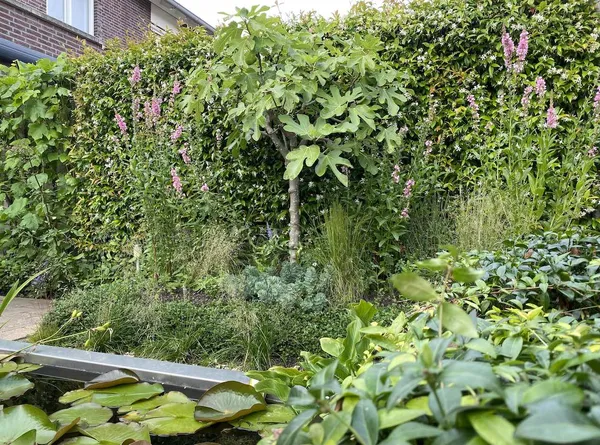
If you describe your garden as “small,” it’s often a sign that you have more ideas than space. You want to be able to have drinks with friends, host barbecues, and have a play area for the kids—and, oh yes, it has to look nice, too. The most important thing with a small garden is to make choices about what features are essential. Not everything will fit—so what’s most important to you? Greenery is more important than you might think. It brings peace, relaxation, and a sense of harmony, and it’s incredibly decorative. Greenery with lots of flowers is even more fun!
In this blog post, Lianne Groeneveld (Vergroenster) offers practical tips for making your small garden greener.
Fewer tiles
If you’re going to get started anyway, make your garden nature-rich (ecological). A nature-rich garden is a garden for both people and animals. Animals need plants—for shelter, food (nectar, pollen, berries), and reproduction (nesting sites). The more plants, the better, because a green garden increases your home’s value. The first step is simple: take a look at all the pavers in your garden and consider whether you can replace one or more of them with plants.
Think big
It’s easy to reach for delicate plants in a small garden. Instead, choose a few plants with larger leaves. Large leaves create a sense of calm. Combine these large leaves with ornamental grasses that grow taller. This way, you create height and visual interest while still keeping the overall look airy. After all, you don’t want the garden to look cluttered.
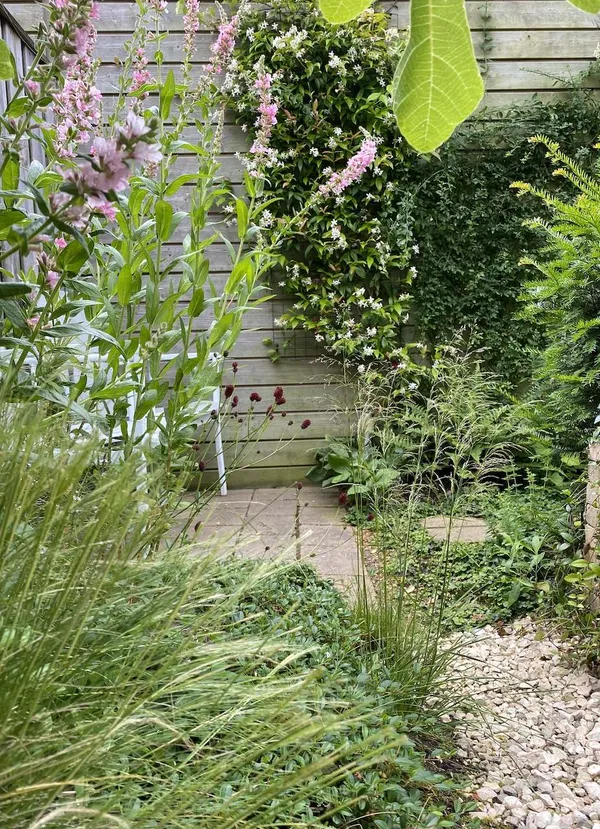
An older tree that stays small
You shouldn’t plant a tree that will grow to be gigantic in a small garden. You’d have to keep it small artificially (by pruning it a lot), which isn’t good for its health or your relationship with the neighbors. A tree is incredibly valuable, but it’s better to choose a species that naturally stays small and grows slowly. If you buy that species in a larger size (an older tree), it’ll cost more up front, but you’ll have a true dream tree that can stand there forever.
Vertical Gardening
Limited space? Go up. Hanging planters on a wall require a lot of water and nutrients. Even so, most plants won’t thrive in that environment. Climbing plants are a more attractive and better solution.
For every vertical surface in your garden (wall, fence, shed), ask yourself whether a climbing plant can and should be planted there. Ultimately, you can let any vertical surface be covered with a narrow hedge or climbing plant, as long as you leave enough space to walk by or sit.
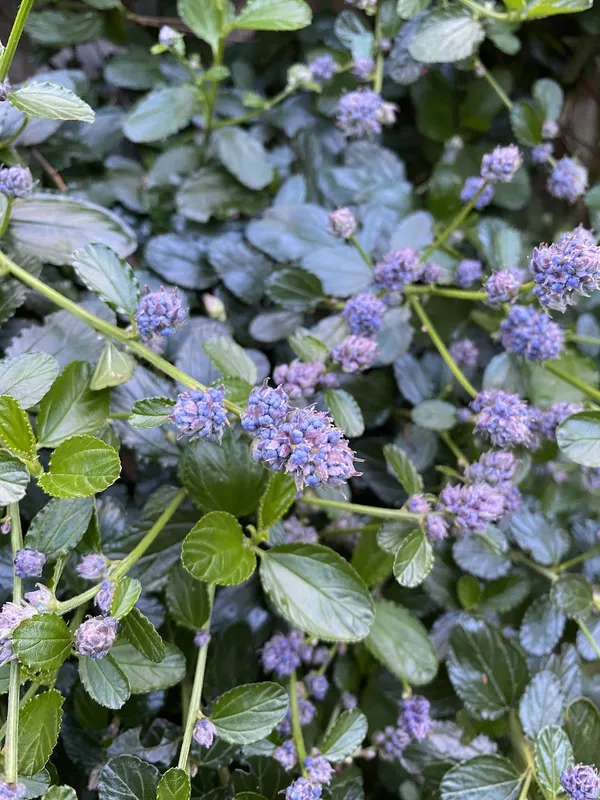
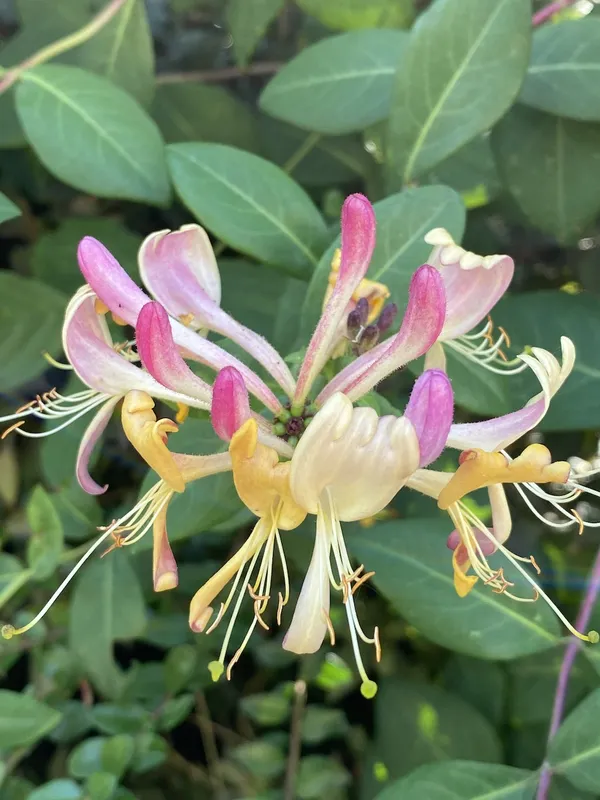
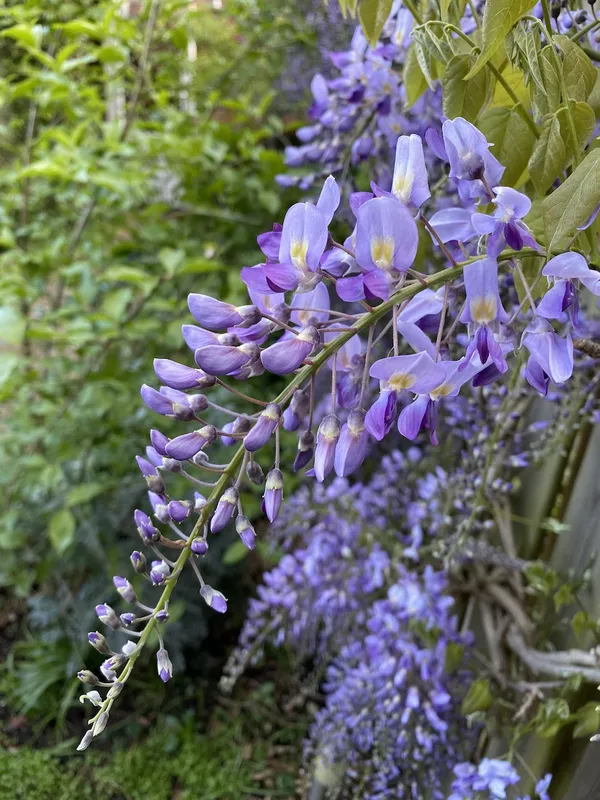
Green View
Make sure the wall you look at most often from inside your home is green. Do you have a garden with a shed in the back? If so, that’s probably the wall you look at most often. That’s where greenery is a top priority!
Choose a climbing plant with something special: evergreen foliage, beautiful blooms, fall color, or even winter blooms. There’s plenty of choice for sunny spots. Climbing plants that can tolerate shade are harder to find. In full shade, I’ve had good results with ivy (Hedera helix; evergreen but requires frequent pruning), Virginia creeper (Parthenocissus tricuspidata; fall color), Akebia (Akebia quinata), and winter jasmine (Jasminum nudiflorum; winter blooms).
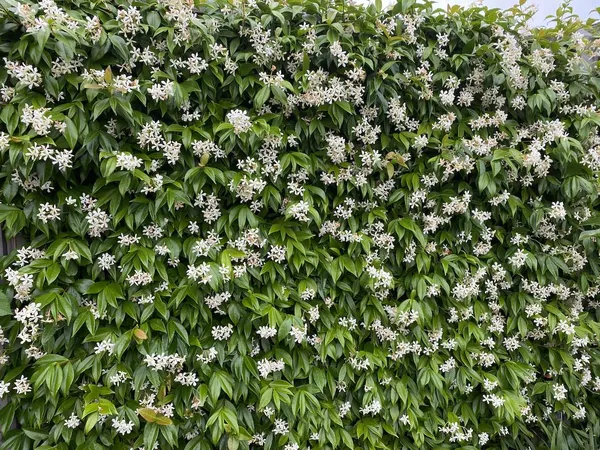
You've laid your green foundation—now it's time to add some flowers!
Read more: Maximize blooms in a small garden