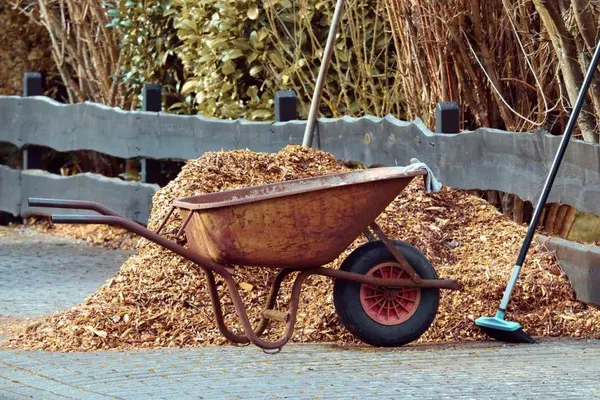
Improving Soil: Here's How to Enrich It!
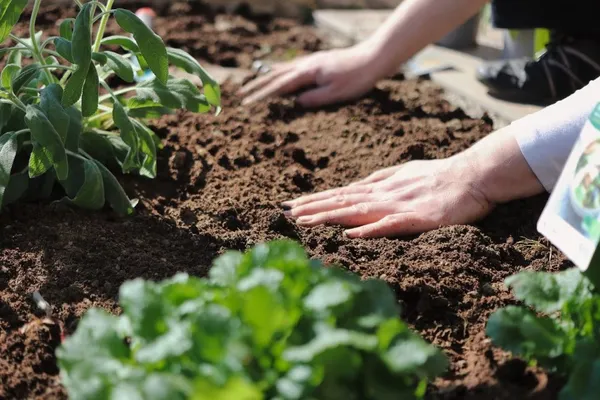
It all starts with good soil…
You've probably seen this saying before. But what does it actually mean?
Plants and trees need several things to take root properly and to grow well and healthily. These include oxygen, light, water, nutrients, and a medium in which the plant can grow. For most plants, soil is the ideal growing medium. Plants obtain nutrients and water primarily from the soil. It is therefore important to ensure the right growing conditions AND the right soil for your plants.
Not all plants have the same growth characteristics and preferences. “Good soil” is therefore a relative term. For example, Mediterranean plants require light, well-drained, and nutrient-poor soil. Many hedge plants, shrubs, and trees, on the other hand, require more fertile or nutrient-rich soil. Some plants prefer acidic soil (for example, soil rich in peat). Examples include rhododendrons, skimmia, heather, and camellias. Other plants prefer calcareous soil, such as lilacs, mock orange, lavender, and boxwood.
Improve Your Soil and Enrich the Soil
Are you planning to build a new garden or renovate an existing one?
Now is the perfect time to improve the soil. Good garden soil is important for the future growth of all your garden plants.
Is this a garden for a newly built home, consisting mainly of sand or heavily compacted soil (due to the weight of all the construction equipment)? Do you notice that the plants in an existing garden or flower bed look lackluster, less vibrant, or even quite bare during the growing season? Or do you have soil problems, such as very dry soil (in the spring or summer) or, conversely, very wet soil (in the winter)?
Then it's time to improve your soil!
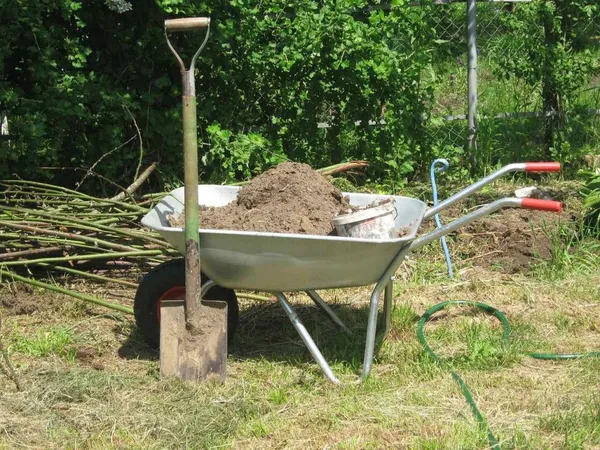
Nourishing the Soil
Does the soil contain few nutrients, or perhaps none at all? If so, it’s important to enrich the soil for many plants. You can do this, for example, by applying fertilizer or using enriched potting soil. You can apply fertilizer in the spring and during the growing season. Consider cow manure pellets or commercial fertilizers. You can add enriched potting soil to your garden year-round, and it’s ideal when you’re starting a new garden or renovating an existing one.
You can often order garden soil in big bags (which is convenient if you need a lot of soil). You can also enrich the soil with potting mix or planting soil, but these are much more expensive.
Improving Soil Structure
The best garden soil is light and well-drained—neither extremely wet and soggy nor bone-dry—and contains enough nutrients for most plants to grow well. In practice, you’ll find that very few gardens have this kind of soil (unless the owners have been working on it for years).
Most plants don't like wet or very compacted soil (roots need oxygen, too). If your garden does have this kind of soil, it's a good idea to improve it. By adding materials such as sand, gravel, small stones, hydrogranules, perlite, lava rocks, etc., you can improve drainage. A looser structure can be achieved by using old barnyard manure, cow manure pellets, or compost. Annual mulching also helps improve soil structure.
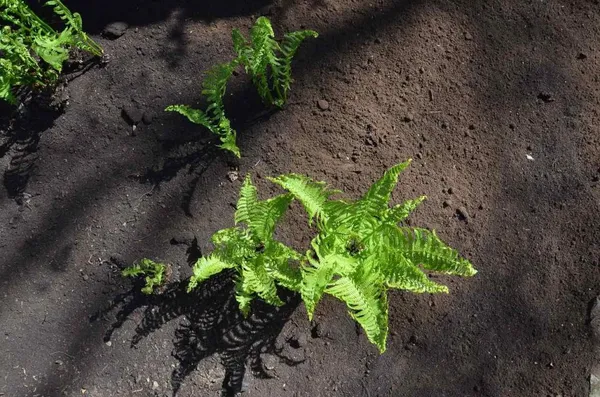
Land for new plantings
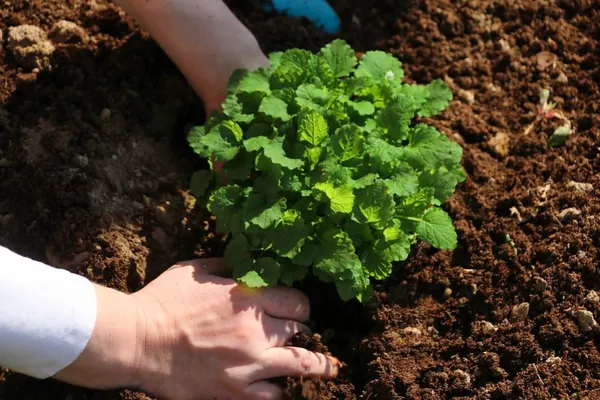
Are you planning to plant in your garden? If so, specialized planting soil is a good choice. Not only does this soil improve the soil structure, but it also contains microorganisms and fungi that help your new plants take root, and it provides sufficient nutrients for the first few months of the growing season. Good planting soil can be quite expensive. An alternative is to use potting soil or garden soil when planting.
Soil for filling
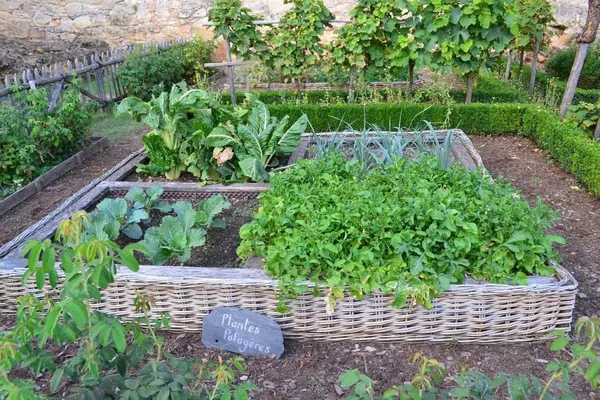
Would you like raised beds in your garden? Or do you want to create a hill or level out the garden? Garden soil is ideal for use as fill dirt. Fertilizer is usually added to it, so it also nourishes the soil. Garden soil or black soil is an affordable solution when you need a lot of soil. As an alternative, you could also consider compost—especially if you can get it cheaply or perhaps even for free. Keep in mind, however, that homemade compost always carries a risk of weed seeds, since the temperature in home compost piles often doesn’t get hot enough to prevent these seeds from germinating.
Mulching
You can also enhance existing flower beds and plants without digging into the soil. You can do this by mulching the beds. This means adding a thick layer of organic material to the bed. Compost is ideal for this, but you can also use (unfertilized) garden soil, fall leaves, or other plant-based materials such as straw or wood chips. Mulching with organic material has many benefits: It enriches the soil, stimulates soil life, improves drainage, limits weed growth, and reduces soil drying. The best time to mulch is in the fall or spring.