
Identifying Bees: Honeybees, Wild Bees, and Bumblebees – Tips from the Bee Foundation
Bees are indispensable to nature. They are important pollinators for many plants and crops. Without bees, biodiversity and food production would decline drastically. Even with a small garden, you can make a difference for bees! In collaboration with the Bee Foundation We'll give you tips on how to make your small garden or balcony bee-friendly.
Identifying Bee Species
There are about 350 species of bees in the Netherlands. The best known of these is the honeybee. Many people also recognize bumblebees, which stand out because they are somewhat stouter and hairier; they also belong to the bee family. Just like honeybees, bumblebees are social bees and form colonies during the summer season. In addition to these social bees, there are also many wild bee species that live solitary lives. Read more about them below.
Honeybees
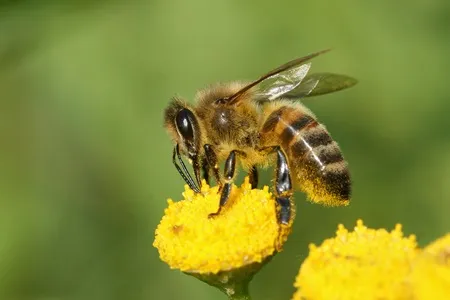
Honeybees (Apis) are social insects that live in large colonies consisting of thousands of bees. They are known for producing honey and for their social organization, which centers around a queen, worker bees, and drones (male bees). Honeybees have a distinctive appearance: a brown body with a black-striped abdomen and light hair. Their colonies usually live in beehives, but can also be found in hollow trees or rocks.
Honeybees are best known for their honey production. They collect nectar from flowers, which they convert into honey. This honey serves as a food supply for the colony, especially during the winter months.
Wild Bees
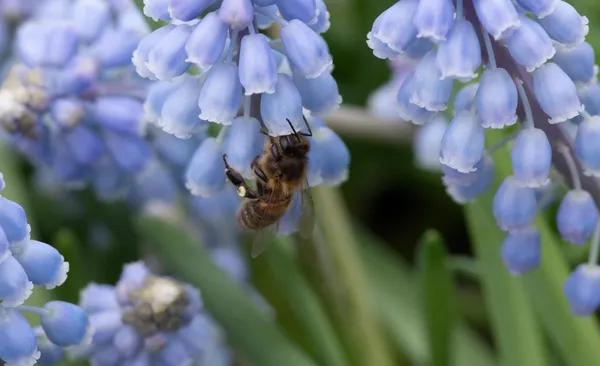
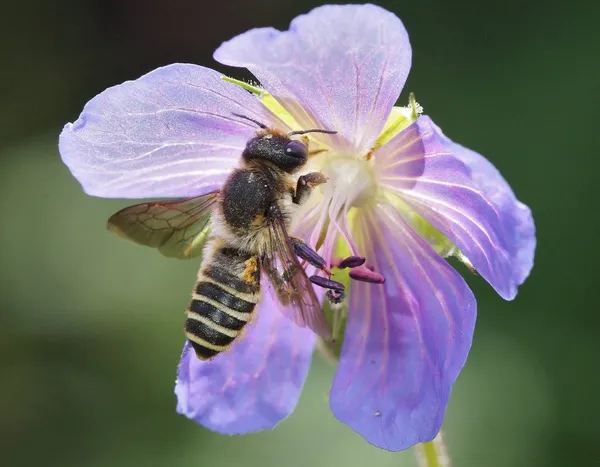
Wild bees, on the other hand, are solitary. This means that each female builds her own nest and cares for her own offspring without help from others. There are thousands of species of wild bees, varying in size, color, and behavior. Some well-known examples are the mason bee and the carpenter bee.
Bumblebees
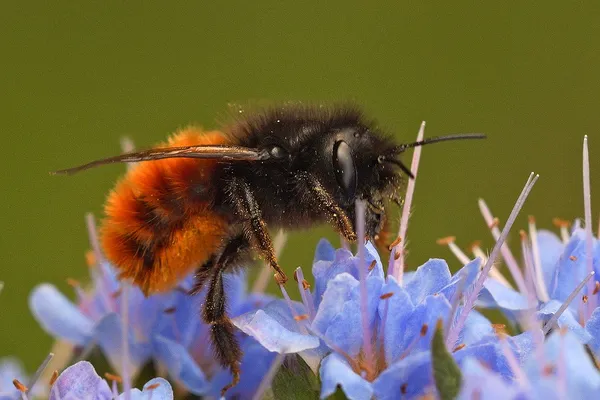
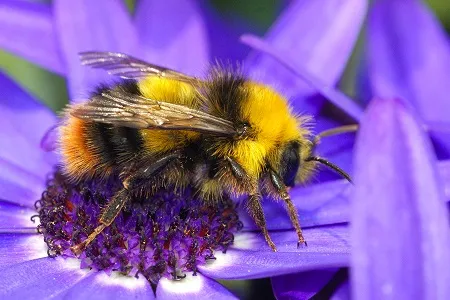
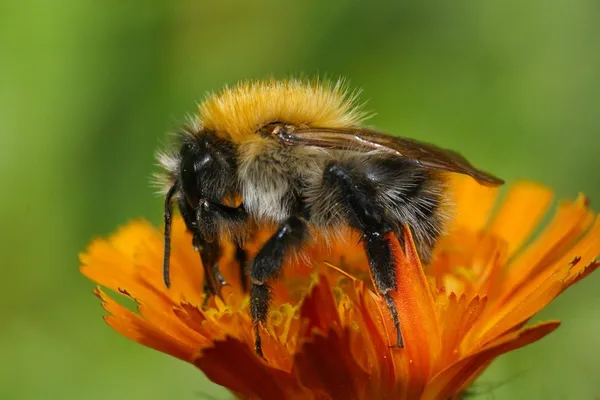
The bee family also includes bumblebees (Bombus), which form their own category. Bumblebees are often plump and hairy, with bright colors such as yellow, black, and white. They live in small colonies and are most active at lower temperatures, which makes them useful for pollination in cooler climates.
Recognition
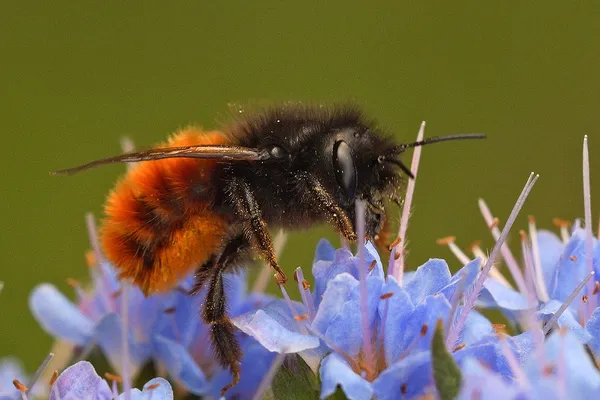
Identifying honeybees, wild bees, and bumblebees starts with observing their appearance and behavior. Honeybees are medium-sized, have a shiny appearance, and often move in large groups. Wild bees show greater variation in color and size. Mason bees, for example, often have a reddish-brown abdomen, while some paper wasps are black with white hairs. Bumblebees are usually stouter, hairier, and have striking colors.
The Importance of Pollination
Honeybees, wild bees, and bumblebees work together to pollinate about three-quarters of all plants. This includes a large portion of our food crops and many wild plants. Their contribution to nature and agriculture is therefore indispensable.