How to Protect Your Plants from Frost
Brrr… it’s getting cold again! In general, garden plants can handle the cold just fine. Still, there are, of course, some plants that aren’t as used to low temperatures and frost—in other words, frost-sensitive plants. Do you have any of these plants in your garden? And do they stay outside during the winter?
Take action early: protect plants that are sensitive to frost!
By now, your container plants should already be indoors or under a shelter. You should dig up your dahlias after the first frost and store them in a frost-free, dry place… but what should you do with plants in the ground?
How do you protect frost-sensitive plants in the ground?
Which plants should you protect from frost and cold?
- African lily (Agapanthus)
- American lilac (Ceanothus)
- Banana (Musa)
- Tree Fern (Dicksonia)
- Cordyline
- Eucalyptus
- Olive (Olea Europaea)
- Bay leaf (Laurus nobilis)
- New Zealand flax (Phornium)
- Palms (Trachycarpus, Chamaerops)
- Palm Lily (Yucca)
- Passionflower (Passiflora)
- Rosemary (Rosmarinus)
- Tuscan jasmine (Trachelospernum)
- Fig (Ficus carica)
The Right Winter Protection
Proper location
The best protection against frost and cold is the right location. Plants that can tolerate mild to moderate frost can often do so only if they aren’t too wet during the winter. Some shelter, or warmth from, say, the wall of a house, also helps. So the right location is your first line of defense against winter.
What can you use to protect your plants from frost?
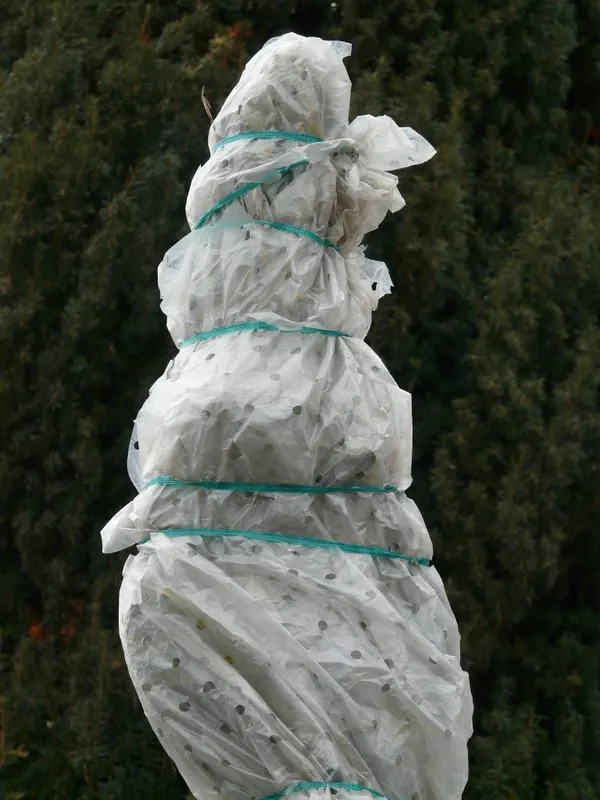
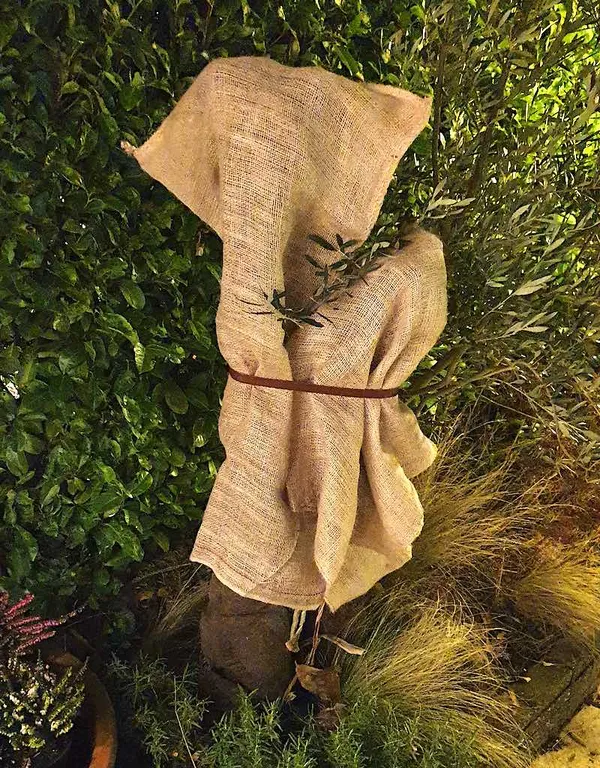
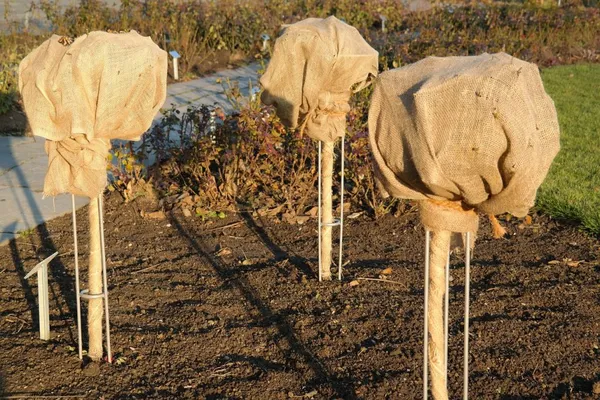
Are you going to wrap your plants to help them get through the winter? Use horticultural fleece or jute, for example, to wrap them. Wrap it around the plant and tie it securely with a string.
You can also use a reed mat. To do this, place 3 bamboo sticks (fairly tightly) around the plant and wrap the reed mat around them. Fill the inside with straw or dry leaves. In the same way, you can make a sort of cage using, for example, chicken wire.
There are also ready-made protective covers available that you can simply zip on—so it's super easy!
Make sure your plants still get enough air. Use natural or breathable materials as much as possible. So no plastic! Otherwise, the plant will definitely rot.
Don't leave the protection on for longer than necessary. This also reduces the risk of your plant rotting. So when temperatures rise, temporarily remove the winter protection.
Protecting Plants in Winter
Protect the growing tips of palm trees and banana plants
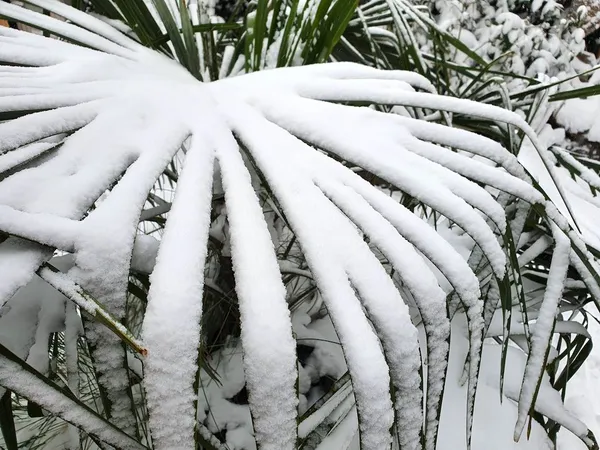
With palm trees, banana plants, and tree ferns, it’s important to protect the growing tip. This is the point from which new leaves will unfurl. It must not freeze. Cover the growing tip or wrap it in straw, for example. It helps to create a sort of shelter so that the growing tip stays dry. This reduces the risk of damage.
Read more here about a Protecting bananas in the winter
Should you cover your Agapanthus in the winter?
With Agapanthus, it’s important to know which variety you have. The evergreen Agapanthus varieties are the least hardy. It’s best to keep them in a frost-free location overnight or cover them well. Deciduous Agapanthus do not require any extra protection, though you can, of course, always add a layer of mulch made from leaves.
Does Camellia need winter protection?
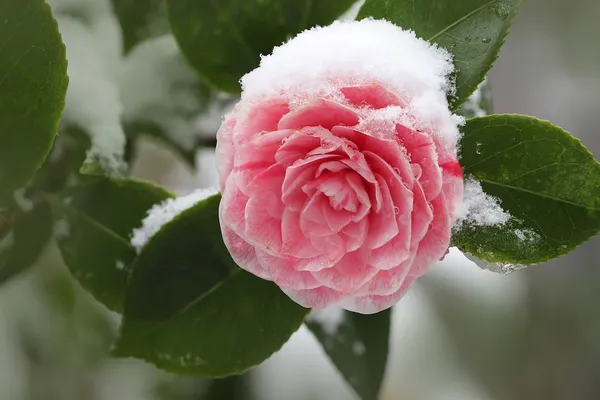
Then there's the camellia. It doesn't really need protection from the cold, but if its location isn't ideal, it does.
If the camellia gets morning sun, the buds may open earlier in the season. So, is your camellia already in bloom, or are the buds about to open? If so, you’d better protect it from the winter cold.