
How to Help Your Garden Weather the Heat: What to Do—and What Not to Do
Summer is perhaps the best season to enjoy your garden. Long evenings outdoors, plants in full bloom, and finally plenty of time to spend in the garden again. That is, until the temperature stays above 25 or even 30 degrees for several days in a row.
While you might be looking for a spot in the shade, plants are suddenly faced with bright sun, parched soil, and sometimes weeks with hardly any rain. The garden suddenly looks very different. Hydrangeas let their leaves droop, potted plants dry out in no time, and the lawn turns yellow.
The first instinct is often to offer as much help as possible—giving extra water, moving plants, pruning, or applying fertilizer. Yet doing more isn't always better.
During a heat wave, it’s all about making the right choices. Some things really help your garden, while others—no matter how well-intentioned—actually cause extra stress. It’s best to hold off on those for now.
The tips below will help you take the best possible care of your garden during hot and dry days.
Watering: Better to water thoroughly once than a little three times
Watering plants is perhaps the most important task during a heat wave. But it’s the way you do it that really makes a difference.
It’s best to water plants early in the morning or later in the evening. At those times, much less water evaporates, and the roots have a better chance of absorbing the moisture.
It's better to water generously once than to water a little bit several times. A shallow layer of water dries out quickly, while a good, thorough watering penetrates deeper into the soil. This ensures that the water reaches the roots.
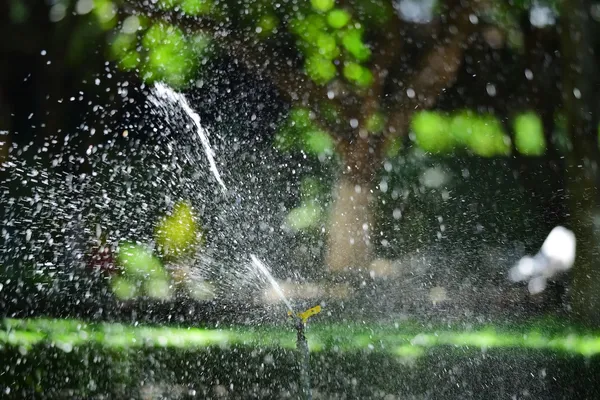
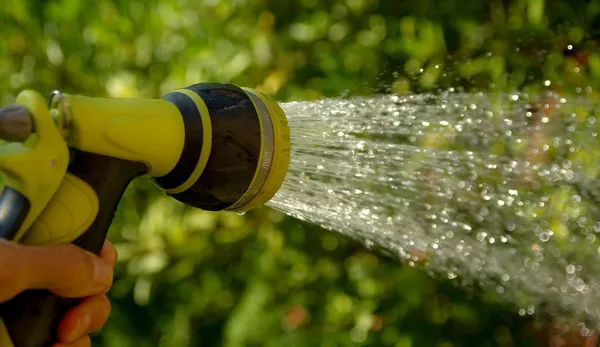
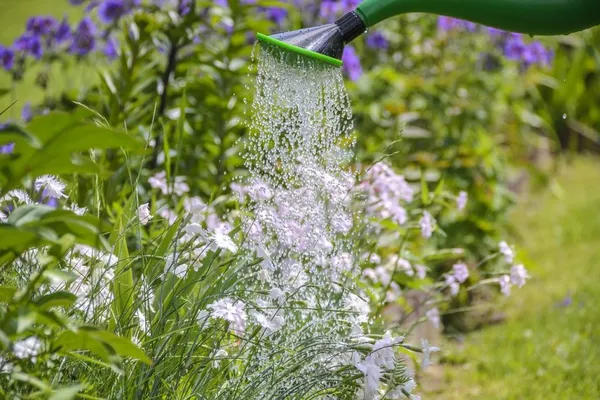
Water the plant directly at the base as much as possible. Using a watering can or garden hose ensures that the water goes exactly where it’s needed. A sprinkler mainly wets the leaves, whereas you want to reach the roots.
Do you have vegetables, fruit plants, or other plants that need a lot of water in your garden? If so, create a small ring of soil around the plant. That way, the water won't run off as quickly and can slowly soak into the soil.
And perhaps the most important tip: don't water your plants in small amounts throughout the day. It might feel good, but it actually does the plants less good in the long run.
Young plants and pots deserve extra attention
Not every plant needs the same amount of care during hot weather. Plants that have been growing in the ground for years often have deep roots and are much better able to find moisture on their own. Young plants and potted plants are much more vulnerable.
So be sure to check your pots regularly. Small pots, in particular, can dry out surprisingly quickly on hot days.
Just a few simple adjustments can make a big difference:
- Temporarily move sensitive plants a little further out of direct sunlight;
- Place a saucer under the pot so that excess water doesn't drain away immediately;
- Group pots together. This creates a small microclimate in which the plants protect each other and the soil doesn't dry out as quickly.
Do you still have plants in small starter pots? Give them some extra attention. There’s not much potting soil in them, so they dry out very quickly.
Vegetables, fruits, and herbs are especially thirsty
While many perennials slow down a bit during a heat wave, vegetables, fruits, and herbs actually grow in full force. And that often requires a lot of water.
Therefore, check regularly to see if the soil is still moist enough, and water generously when needed. Plants such as tomatoes, cucumbers, zucchini, and pumpkins, in particular, can use up a lot of moisture on hot days. If they don’t get enough water, they won’t grow as well, and the fruits may remain smaller.
Many herbs and leafy greens are also affected by drought. They can bolt and go to seed more quickly, which often causes their flavor to deteriorate. By keeping the soil evenly moist, you can reduce that risk.
Please note: Mediterranean herbs such as rosemary, sage, lavender, oregano, and thyme usually do not need extra water, because they are accustomed to drought and generally tolerate it very well.
Finally, don't forget to harvest ripe fruits and vegetables in a timely manner. That way, the plant won't have to waste energy on fruits that are ready to be picked, and it can channel that energy into new growth and flowering.
Provide vulnerable plants with some temporary shade
Not every plant can withstand the blazing midday sun for days on end. Young plants, potted plants, and varieties that prefer partial shade, in particular, can suffer greatly during a heat wave.
Can you temporarily move a plant to a cooler spot? If so, that's often the simplest solution. If that's not possible, you can also create some shade yourself.
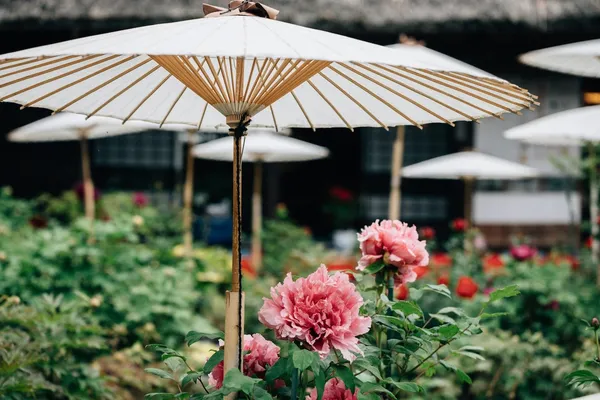
A parasol next to a delicate plant may seem a bit unusual, but it can be surprisingly effective. Especially during the hottest hours of the day, it reduces direct sunlight and minimizes evaporation.
Do you have a greenhouse or a wall greenhouse? If so, don’t forget to open the windows and doors as much as possible. On sunny days, the temperature inside a greenhouse can rise very quickly. Extra ventilation helps dissipate the heat. During prolonged heat waves, you can create shade using reed mats, shade cloth, or a special greenhouse coating (such as a lime-based product) to reduce the intensity of the sun’s rays entering the greenhouse.
Often, simple measures like these are enough to help vulnerable plants get through the hottest days.
Retain moisture for as long as possible
It’s not just about watering. It’s just as important to ensure that moisture stays in the soil. A layer of mulch helps tremendously with this. For example, cover the soil with compost, wood chips, or other organic material. This slows down the soil’s warming and reduces moisture evaporation.
First, water thoroughly, and then apply the mulch. This will help lock the moisture into the soil, so to speak.
It's best to put off these yard chores for now
It’s especially tempting to tackle all sorts of maintenance tasks during a heat wave. Still, it’s better to save some jobs for a cooler time.
It's best not to prune plants during extreme heat. Pruning takes a lot of energy out of a plant, and it needs that energy to cope with the heat.
It's also best to wait before moving or planting new plants. A plant that has just been moved still has few roots to absorb moisture and therefore has a much harder time taking root.
The same applies to fertilizing. A plant that is barely growing due to the heat won't benefit much from extra nutrients. It's better to wait until temperatures return to normal and the plant is actively growing again.
Don't worry too much about the lawn
A lawn is often the first to show signs of distress during a dry spell. The grass changes color, grows more slowly, and may even turn completely yellow. That might look worrisome, but it's usually not a problem.
Grass is surprisingly strong. During a drought, it goes into a sort of dormant state. As soon as there is enough rain again, an existing lawn will often turn green on its own.
It's best to avoid mowing the lawn during periods of extreme drought. If you really have to, set the mower to a slightly higher cutting height and mow toward the end of the day.
Don't forget the animals in your yard
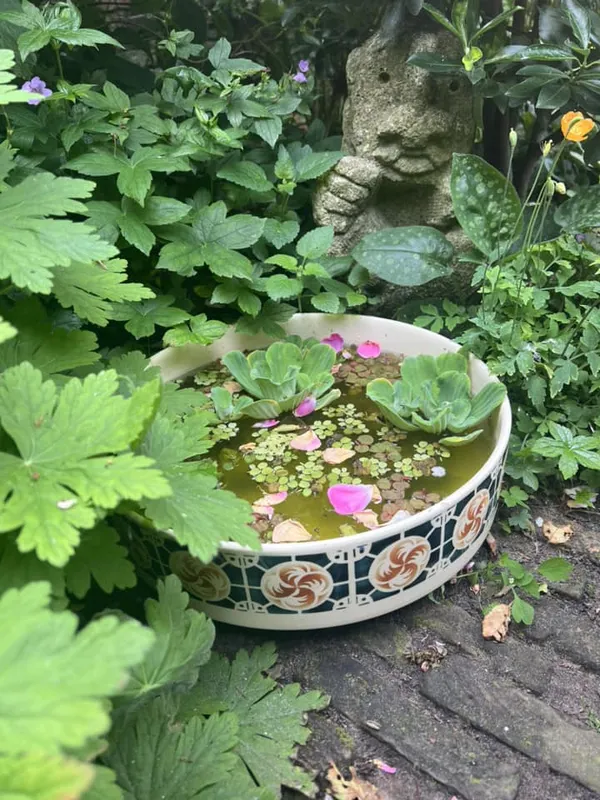
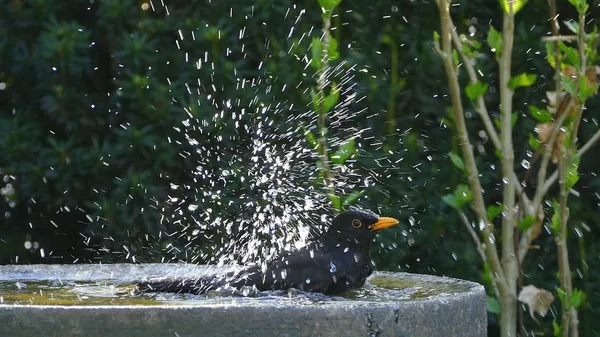
It's not just plants that struggle on hot days. A bowl of fresh water is a huge help to birds, hedgehogs, and insects. Change the water regularly, especially during hot spells.
Do you have a pond? If so, make sure the water level doesn’t drop too low, so that aquatic plants and animals have enough space. Of course, pets that live outdoors, such as rabbits or guinea pigs, also need plenty of shade and fresh drinking water.
Small, smart solutions make a big difference
Sometimes you don't have to do much at all to help your plants. Did the kids play in a kiddie pool? As long as no chlorine has been added to the water, you can use it just fine to water your plants.
Do you have a greenhouse? Open the windows and doors to ensure adequate ventilation. On extremely hot days, temporary shade—such as reed mats or shade cloth—can help.
What if a delicate plant is left in the blazing sun all afternoon? In that case, it’s perfectly fine to use a beach umbrella as a temporary shade. It might look a little silly, but your plants will thank you for it.
Just enjoy your summer garden
During a heat wave, we’re sometimes so busy tending to the garden that we forget why we actually have a garden in the first place.
A few wilted leaves or a yellow lawn don’t mean your garden is a failure. Many plants recover surprisingly quickly once the temperature drops again and some rain falls. Help out where necessary, put off major projects for a while, and accept that nature sometimes adapts to the weather.
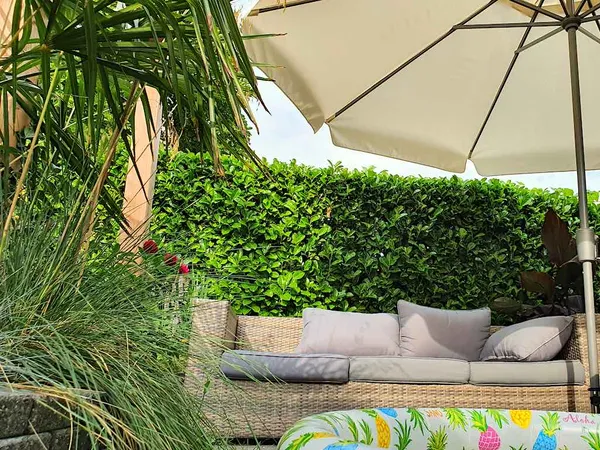
And maybe that’s the best tip of all: pull up a chair in the shade, grab a cold drink, and enjoy your garden. After all, that’s what it’s all about, especially on hot summer days.