
How do you protect a banana in the winter?
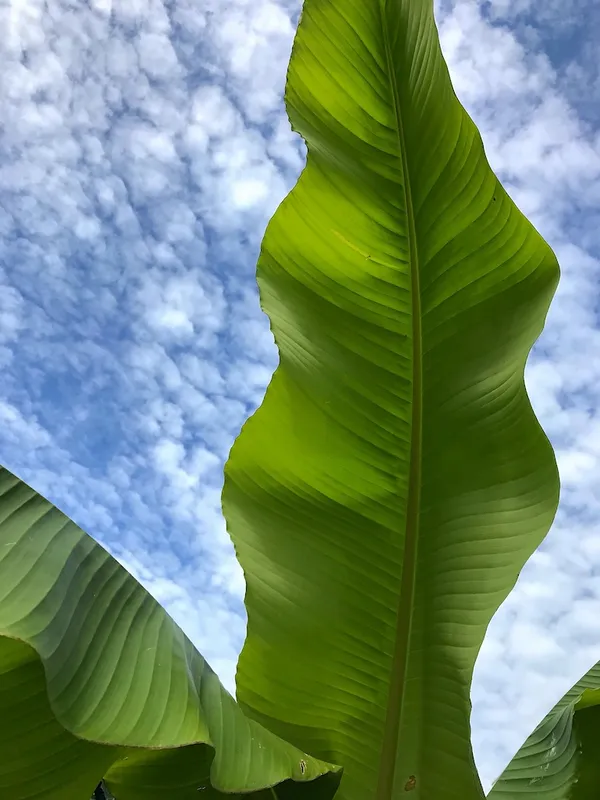
If you love an exotic look or want a jungle-style garden, then a banana plant (Musa) is a must-have for your garden. With their large leaves, banana plants are eye-catching, and they can grow quite a bit throughout the season.
However, bananas aren't hardy, so they need protection if you want to keep them in your garden and let them grow larger.
There are two types of bananas that are suitable for planting in your garden. These are the well-known Musa basjoo and the lesser-known Musa sikkimensis. Neither of these banana varieties can tolerate frost, and their leaves will quickly become damaged if exposed to it.
Can banana plants survive without winter protection?
Without any protection for your bananas, they will die back above ground and then sprout again in the spring from the roots—just like perennials. If the winters aren’t too harsh, they’ll survive, but they won’t grow any larger than they do in a single growing season.
How do you protect a banana in the winter?
If you want to keep Musa basjoo in your garden—and, above all, let it grow larger—you’ll need to protect the plants during the winter.
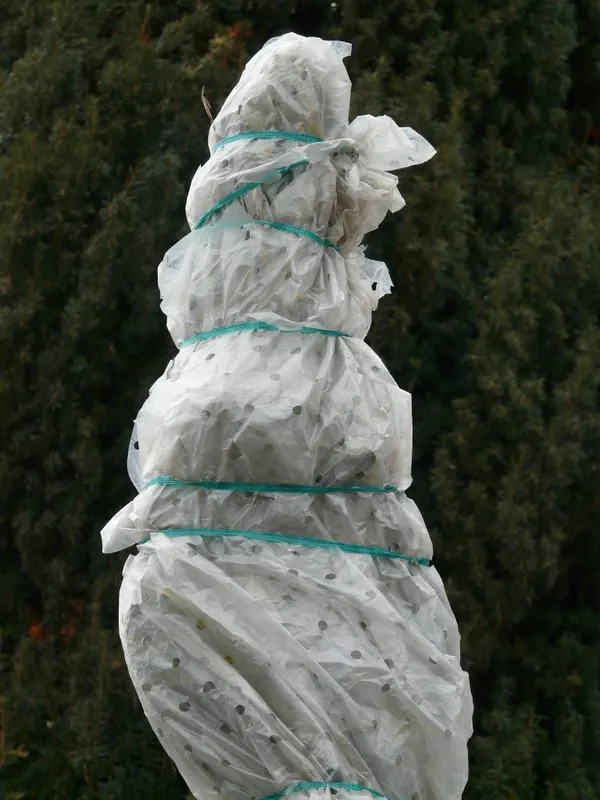
Protecting with Jute or Garden Weed Fabric
If you have a somewhat sheltered garden, it’s usually enough to wrap the banana plant in burlap or garden fleece. Gather the leaves together and tie them up, or prune the foliage off. Wrap the banana plant completely in the burlap or garden fleece and tie it securely so that the winter protection stays in place. Do not use (bubble) wrap or any other non-breathable material, as this greatly increases the risk of rot. You can leave good winter protection in place for the entire season, or remove it temporarily when temperatures rise.
Insulating with Straw
If more protection is needed—for example, if the garden is less sheltered or harsher winters are expected—you can also make a cover out of straw. For example, you can place a roll of chicken wire around the banana plant and fill it with straw. You could also do this by placing reed mats around the banana plant and then filling them with straw as well.
Under a small awning
For many exotic plants, the cold itself is often not the worst problem. It’s the combination of moisture and cold that causes damage. If you can place the banana plant under a small shelter, you’ll prevent many problems. This also protects the delicate new growth point.
Some exotic plant enthusiasts even build a kind of removable enclosure, complete with a little roof. It’s perfect for letting your banana plant grow bigger, but it does take a lot of work, and you’ll need to have the space for it!
Banana in a pot
A banana plant in a pot is usually fairly easy to move. It’s best to store it under cover or bring it indoors (if you have room). This is definitely recommended, because when they’re in pots, they’re especially sensitive to frost, moisture, and cold!