
How do you plant a clematis (and avoid problems)?
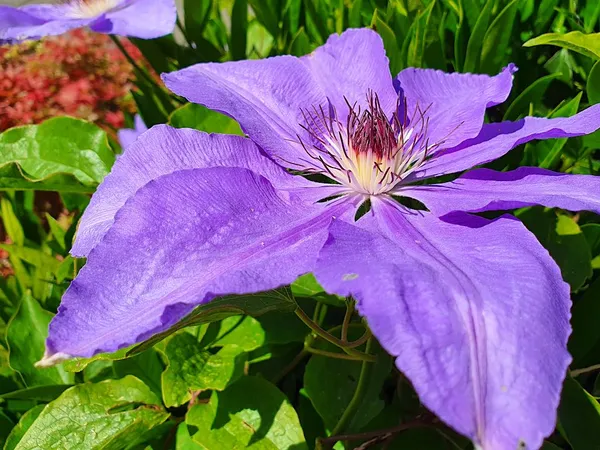
Clematis is a beautiful climbing plant that really is a must-have for your small garden. It’s a classic among climbing plants, but it’s certainly not boring!
There are so many different types and varieties:
There are early-blooming, summer-blooming, and late-blooming clematis. Clematis come in a range of sizes, from small, delicate flowers to large, striking ones, with hanging blooms and upright, open blooms. They also come in almost every color. After flowering, they produce beautiful seed heads.
With a few exceptions, they are excellent climbers. They’re ideal for brightening up a dull wall or fence. You can also use them to add a special touch to a ready-made hedge. In the wild, clematis often grows through larger shrubs and up trees. Of course, you can recreate this in your garden, for example, in a rosebush or a small tree.
Still, this climbing plant is often chosen less frequently than you might think.
Many people have had bad experiences with clematis in their gardens. In fact, plants often fail to thrive.
Questions we are frequently asked include:
– Is it true that clematis are difficult to care for?
– Why is my clematis dying?
– My clematis is drying out completely: Is this wilt disease?
There are also many misconceptions about clematis. For example, the infamous “roof tile” over the root ball, or the idea that you have to prune all clematis back in the spring.
It's high time for an article on planting clematis.
Here's how to plant clematis without any problems!
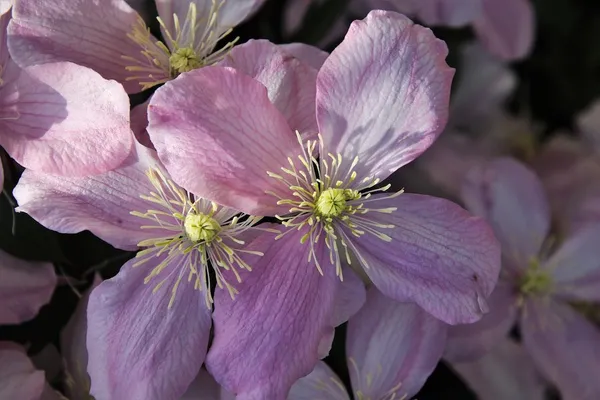
The Right Spot for Clematis
The best location For most clematis species, it is a sunny spot. They’ll bloom best under these conditions. Still, it can be helpful to provide shade right at the base. This will slow down water evaporation during drier periods. So the infamous roof tile placed over the base is not a good idea: Although it provides shade, it actually prevents sufficient water from reaching the roots!
Clematis usually has requires a lot of water to grow well. Young plants, in particular, need a lot of extra water. Watering generously at least once a week during dry spells will definitely promote growth (and flowering).
Most of the varieties available here are good hardy. However, for certain species, it is advisable to provide a sheltered location. This applies especially to evergreen clematis varieties, such as armandii, Early Sensation, and cartmanii.
The soil type is less important for most clematis. As long as the plants have access to sufficient moisture, they will thrive in most soil types. Less hardy varieties (evergreen clematis) are best planted in well-drained soil.
Planting Clematis
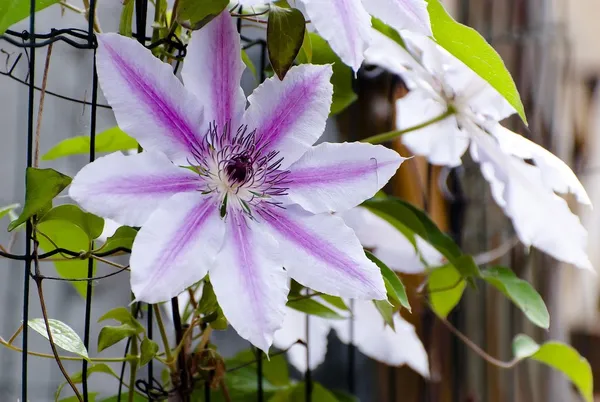
Provide clematis with a good climbing support
The bamboo poles included with the plant are often not ideal for your clematis to continue growing properly. It’s best to provide a trellis, wire fence, or support frame so the plant can find adequate support. Clematis isn’t a clinging vine; it winds around its support. Keep this in mind and make sure to leave enough space between a wall or fence and the trellis.
Loosen trapped shoots
Clematis, like other climbing plants, come with a trellis. This is often a structure made of three or more bamboo poles. The plant’s shoots are then secured with tape, staples, or clips. This method of tying them up often causes the shoots to become pinched. If this is the case, remove the constricting fasteners and loosen the shoots. You’ll also often find that several strands are clamped together. This isn’t conducive to growth. Gently pull these apart as well and re-secure them to the support. In many cases, it’s fine to remove the included trellis entirely. This gives you the opportunity to tie your new clematis neatly to your own trellis.
Don't plant too close to the wall
Many climbing plants are planted too close to a wall. However, it’s better to plant them a little farther away from the wall—at least 20 cm, but preferably 30 cm. This prevents the plants from drying out. Less rainwater reaches the ground directly in front of a wall, and the wall itself can also absorb some of the water, preventing it from reaching the clematis’s roots. Since clematis dry out fairly quickly (especially young plants), this is not recommended. It’s better to plant about 30 cm away from the wall and let the plant lean diagonally backward with the trellis, so that the plant will quickly find its way to both the wall and the trellis.
Prevent wilt disease: Plant your clematis a little deeper
Unfortunately, wilt disease is very common in clematis. This is a condition in which the plant completely dries out (wilt) within a day or a few days. This happens from the top down, and the entire plant is affected. If you catch it early enough, you can prune (well beyond) the wilted part to prevent it from spreading further. Usually, however, it’s already too late. The only thing you can do then is prune your clematis back to the ground so that it will sprout anew.
To prevent wilt disease, it helps to plant the clematis 10–15 cm deeper than it is in the pot. This will encourage the growth of additional roots, and the plant will be more resistant to wilt disease.
Buy a larger size (or repot it first)
Clematis are often sold in fairly small sizes (usually around 50–70 cm). These are actually still very young plants, which are also susceptible to pests and diseases and often have a hard time taking root. For a better start, it’s best to choose slightly larger plants (120–130 cm or more is ideal). These plants already have more roots and often take root more easily.
Water regularly and generously
Almost all clematis varieties need quite a bit of water to grow and bloom well. They also need plenty of water to establish themselves properly. Water them generously on a regular basis, and give them extra water during dry spells. Your plants will more than make up for the effort.
Would you like to grow clematis in your garden, too? These tips will help you avoid many common problems with clematis.
That way, you can fully enjoy all the beauty this special climbing plant has to offer!
Now the only question left is: Which clematis will you choose?