
How do you create a vertical garden?
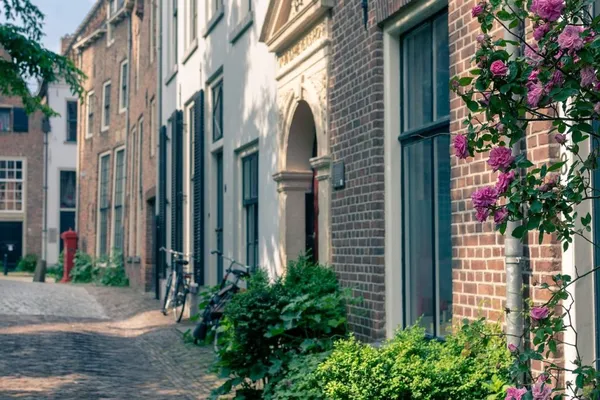
More and more people don’t have a garden—or even their own outdoor space. Especially in the larger cities, there’s very little room for greenery. Yet there’s always a need for greenery, and green spaces in the city contribute to a better climate and biodiversity. Fortunately, you can enjoy garden plants and gardening even without a garden by creating a vertical garden!
What is a vertical garden, and why are green facades important?
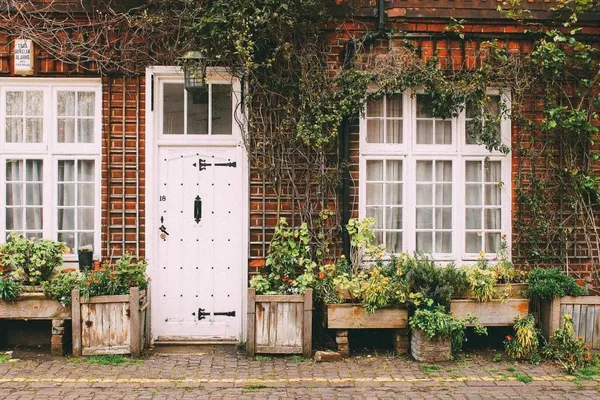
(Thankfully) you’re seeing them more and more often! Along the facade (usually on public property) a single sidewalk tile or a row of tiles is removed, and that space is planted with greenery. Doesn’t that just make you happy? Not only does a small facade garden brighten up your home, but the whole street looks better with green facades! Bees, butterflies, and insects make good use of the plants, finding food and shelter there. A vegetated facade insulates the house, and a facade garden reduces the amount of rainwater that drains directly into the sewer system. Lots of greenery in the city also helps combat excessive temperatures in the summer.
A vertical garden has many benefits! Plus, all that greenery and those blooming plants just make you happy, don't they?
What do you need for a vertical garden?
To create your own small vertical garden, you'll need the following:
- a slightly wider sidewalk (so that there will still be enough sidewalk left after construction)
- good potting soil, compost, or special planting soil, to improve the soil
- a trellis or support for climbing plants along the wall
- possibly narrow planters, hanging baskets, wall-mounted flowerpots, or a Facade Oasis
- hardy plants that don't grow too tall or wide
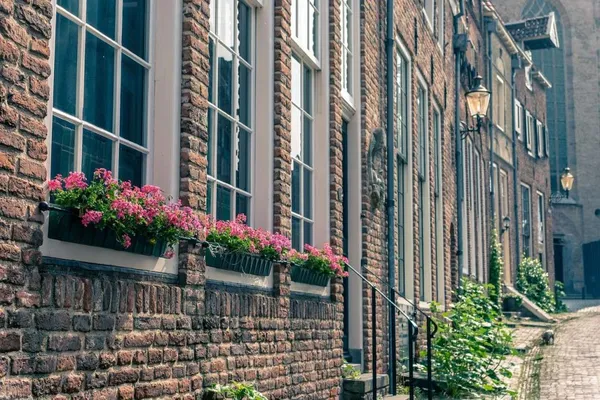
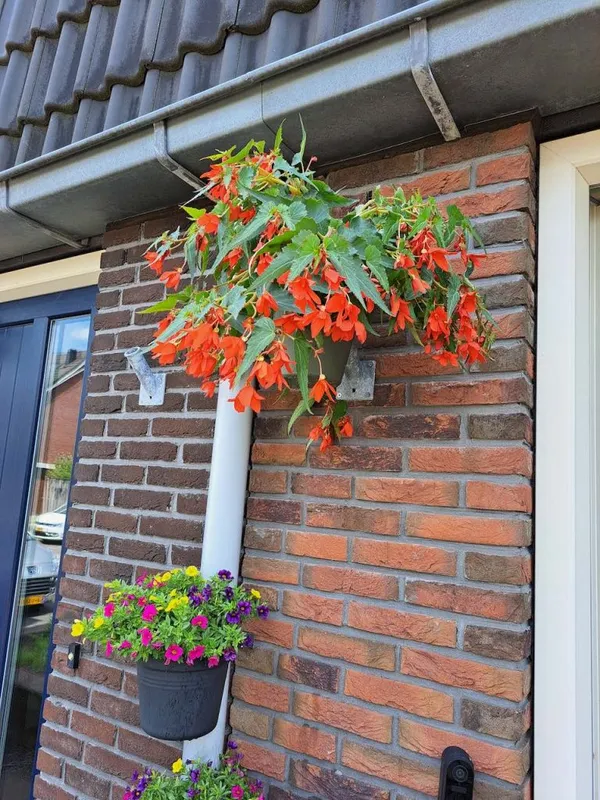
Photo: GevelOase.nl
What should you keep in mind?
You need permission to create a facade garden on public property (such as the sidewalk). It’s not a good idea to just start prying up tiles on public or communal property. You often don’t need a formal permit, but you do need to ask for permission or notify the authorities that you’re creating a facade garden. Check with the landowner (usually the municipality) to see what’s possible.
Fortunately, most municipalities now welcome such initiatives, and there are often opportunities to make them happen. In some municipalities and neighborhoods, special committees have even been established for this purpose.
Requirements and restrictions for a facade garden*
- In most cases, the facade garden may not be wider than 1.5 sidewalk tiles (45 cm)
- The tiles must be kept so that they can be put back if necessary.
- Do not dig too deep (max. 25–30 cm): this is to avoid damaging any pipes and cables in the ground
- There must be at least about 120–150 cm of sidewalk left
- Installing fences or walls is usually not permitted
- Do not plant large, spreading shrubs, and do not plant trees
- The facade garden must be maintained by the contractor or resident.
* These requirements and restrictions may vary by municipality or property owner. The costs are generally borne by the builder or the resident, but some municipalities offer a subsidy for this.
Tips for a Vertical Garden
Here are our tips for planning, creating, and maintaining your own small facade garden:
Improve the soil! Since you’ve removed a tile, you’ll almost always be dealing with a bed of sand. Very little—if anything—will grow in this, but it’s ideal for good drainage. Mix in plenty of fresh potting soil or special planting soil into the front-yard border. This will give plants a good start and ensure they have enough nutrients to grow well for the time being.
Water generously 1–2 times a week, depending on weather conditions. Be sure to water generously during and after planting, even if it’s raining. This prevents plants from drying out (young and newly planted plants, as well as those with small root systems, are particularly susceptible to this) and ensures that the soil settles immediately.
Make use of the facade (wall) itself: install a trellis for climbing plants on the wall, or attach pots, baskets, or planters to the wall.
Installing a GevelOase is also a great idea. It’s a specially designed flower pot bracket with flower pot for the flagpole holder. This is an easy way to add some greenery to your wall with your favorite plants. Of course, you can also do this if you have a front yard.
The removed tiles should often (but not always) be saved. You can also place the tile on its side and bury it, so that it forms a slightly raised border. This saves you storage space for the tiles and immediately creates a nice border around the front yard border.
For example, use root barrier fabric or PVC sheeting, and avoid climbing plants with clinging roots. This will prevent damage (or root remnants) to your facade and allow you to fully enjoy your facade garden. Also, don’t plant vigorous climbing plants like wisteria around your downspout. Over time, this plant will constrict your downspout or it will eventually collapse under the plant’s weight.
Always wear gloves when working in your vertical garden, because there’s always a chance you’ll encounter some unpleasant surprises while gardening. (Unfortunately,) vertical gardens often can’t avoid things like litter, glass, or cat feces.
Nuisances caused by people out on the town, damage from improperly parked bicycles, or the theft of newly planted plants unfortunately do occur. Facade gardening can sometimes require a bit more perseverance.
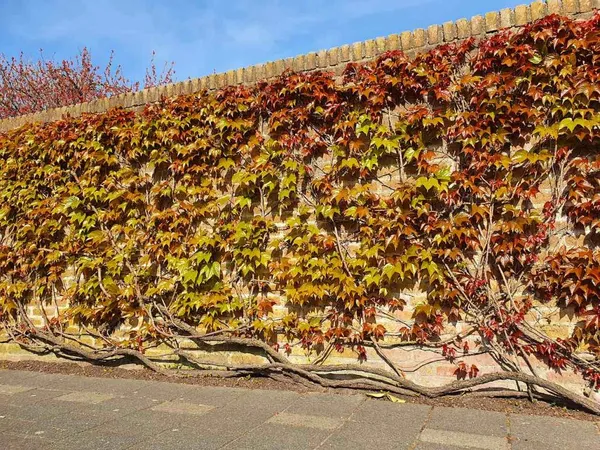
Which plants are best for a vertical garden?
Choose hardy plants so they can withstand rough conditions, drought, or wet conditions—whichever applies to the specific location.
(As always) take into account the conditions and location of your plants: is the soil dry or wet? How much sun will the plants get? And is the location sheltered or not?
Use perennials, ornamental grasses, flower bulbs, small shrubs, and climbing plants. Make sure they aren’t too difficult to care for, and choose hardy cultivars. After all, there’s a slightly higher chance that they won’t be cared for as well for a while in a small facade garden. Of course, the plants shouldn’t get too big (or, more importantly, too wide), or hang over the sidewalk too much.
Go vertical: choose climbing plants, upright perennials, and ornamental grasses. This way, you’ll make the most of your limited space.
Don't forget to add a few evergreen plants to give your narrow border or front-yard garden a little more structure.
Be sure to check out our blog: Which plants are suitable for a vertical garden (in full sun or shade)?
Are you planning to create a vertical garden too? Wouldn't it be fantastic to see these kinds of little gardens and greenery on building facades on every street?
* This post contains a sponsored link