
How can you make a small garden look bigger?
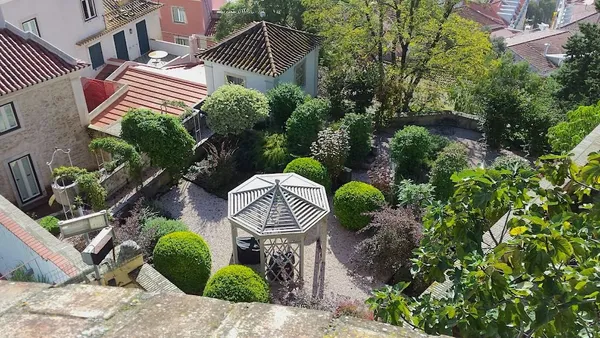
Many people with small gardens would like to make them appear larger than they actually are. That way, you can still enjoy your little garden to the fullest.
Actually, this isn't difficult at all. By applying a few smart Landscape Design With these tips, the garden will feel more spacious and look bigger. It's also a matter of making the most of the limited space you have.
Tips for Making Your Small Garden Look Bigger
Below are our tips for making your garden look bigger. Even a small garden can feel surprisingly spacious!
Up High
No matter how small your garden is, there’s usually no shortage of vertical space. In a small garden, it’s therefore worth making use of vertical surfaces—or even adding vertical elements.
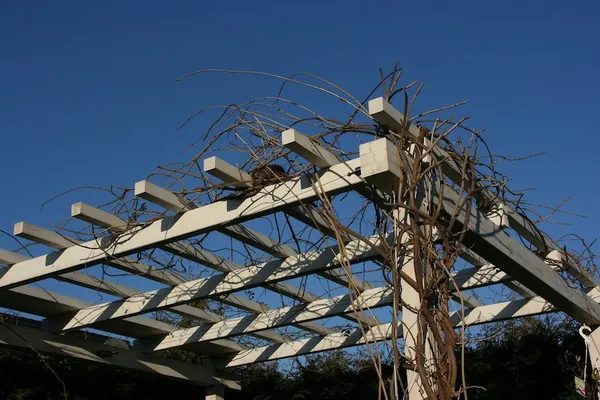
Consider climbing plants against a wall or fence, narrow, upright shrubs, or even a dwarf or columnar tree. You can also attach planters to your wall or window frame. A pergola immediately adds height and provides a beautiful surface for your favorite climbing plants.
Less is more
The well-known saying “Less is more” certainly applies to small gardens. If you use too many different materials, or if the garden is filled with small decorations and ornaments, it can quickly look cluttered. Choose a limited number of materials and repeat them throughout the garden. This creates a sense of calm and open space in your garden.
Garden decorations and ornaments are fine, but it’s best not to have too many. It’s better to have one beautiful, large ornament (preferably one that matches the garden’s style) than many small and varied ones. If you really want to enjoy smaller decorations, try grouping them all together. That way, you’ll create a designated spot for them.
The same goes for patio furniture: it’s better to choose a few nice, larger pieces that go well together. This creates a much more serene atmosphere than having lots of smaller chairs, benches, tables, and seating areas.
Unlimited Enjoyment
A good way to make the garden appear much larger is to ensure that the property line isn't immediately visible. By (partially) concealing it with climbing plants, hedges, trees, and shrubs, it's not immediately obvious where the property line runs, and the garden appears larger.
Choose a beautiful hedge as a garden fence toward the neighbors. A green divider is less intrusive, makes the garden appear more spacious, and becomes part of your garden. This effect is further enhanced if you place it on both sides of the garden.
For example, here a light green (and somewhat wider) cherry laurel has been planted on one side, and a dark green, narrow ivy hedge on the other.
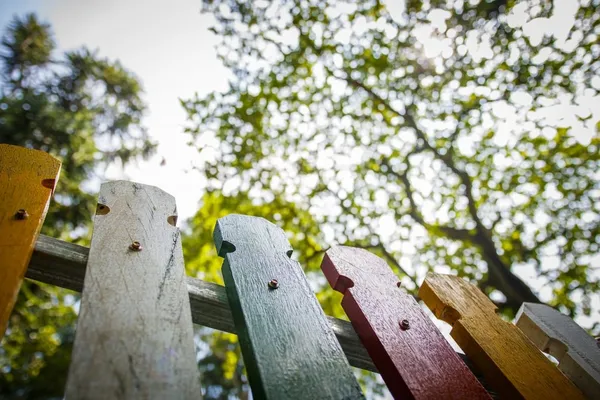
You can also incorporate the surrounding area—or your neighbors’ gardens—into your own garden. For example, you can highlight a tree or a view outside your garden by “framing” it, so to speak. You could do this by creating a glimpse through the plants, or by literally cutting a hole in your hedge or fence.
Do you have nice neighbors with a beautiful garden?
In that case, consider keeping (part of) your hedge or fence low. In most cases, it’s a good idea not to start right at the house. That way, you’ll still have space on your patio or near the house enough privacy in your yard.
If you have the opportunity to plant a small tree, a climbing plant, or another tall plant behind your fence (for example, in an adjacent green space, or by removing a tile behind the shed or fence), it’s definitely worth the effort. This way, you can add height right outside your gate, fence, or hedge. Because of its height, the plant will extend above the fence, making your garden appear to stretch further.
Mirror(s)
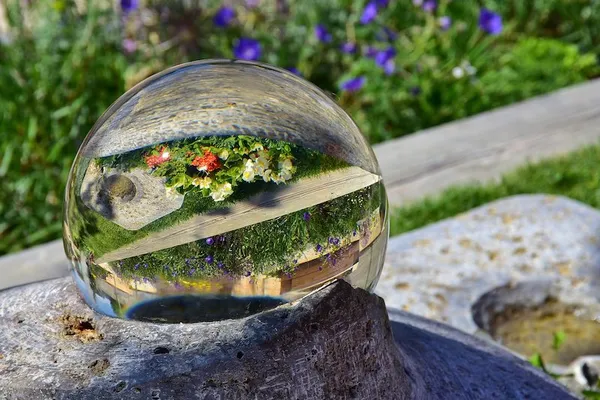
Another way to blur the boundaries is to place mirrors or reflective objects. This makes your garden appear twice as large. You can do this, for example, at the end of a path, or as a sort of window in the fence or on the shed.
Not only will you see more greenery in the reflection, but it will also bring extra light into your garden. This can certainly be desirable in small, dark (urban) gardens. To make the mirror less noticeable, you could, for example, place a pretty foliage plant along the edge.
Water also provides a beautiful reflective surface.
Take a pond, for example. But if there isn’t enough space for a pond, you could also add a mini-pond. This could be, for example, a decorative bucket, a sealed planter, or a tub filled with water. Of course, you can also plant some nice plants in it.
Planting
Choose plants that look good in multiple seasons or serve multiple purposes. That way, you’ll make the most of your (limited) space.
Limit the number of plants in your garden. In a small garden, “less is more” really does apply. It’s better to repeat a few plants throughout the garden than to mix and match all kinds of different plants. That can quickly make the whole thing look cluttered.
Taller plants aren’t a problem in a small garden either. They add depth. You could also consider using (semi-)transparent plants. Examples include Verbena bonariensis, Stipa gigantea, or Thalictrum, etc.
Don't be afraid to dwarf tree or add a columnar tree. A tree adds height to the garden and makes it more interesting—especially if the tree is beautiful throughout the seasons. In addition, a tree often serves as a refuge for many animals, birds, and insects. Although a tree in a small garden can quickly take up a large portion of your space, you’re actually adding extra garden area!
Perspective
Try to create several seating areas in your garden so you can enjoy it from different perspectives. Of course, a seating area doesn’t necessarily have to be a large table with chairs or a spacious lounge sofa. A small bench, chair, or even a flat rock or low stone wall can also serve as a comfortable place to sit.
Make sure the entire garden isn’t visible. Create vantage points and vistas. To do this, use taller shrubs, hedges, or small trees, for example. Even if these are semi-transparent, the garden will still appear larger.
Divide the garden into distinct areas. This way, you can separate different functions from one another. A tall or dense partition isn’t necessarily required. Low hedges, for example, can also be used for this purpose. Even a low partition like that will still make the garden appear more spacious.
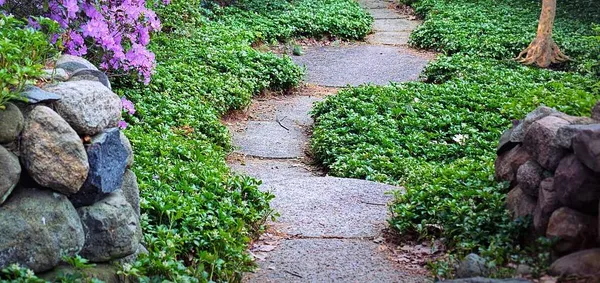
Make use of sightlines, preferably from inside the house. You can do this, for example, with rows of plants, paths, or open spaces. Place an object at the end of a sightline—for example, a nice pot, a plant, an ornament, or a garden statue.
What have you done to make your small garden look bigger?
Want to learn more about how to design a small garden yourself? Check out our Garden Design and Layout main page, or dive right in with Garden Design and Layout or Garden Decor and Creating Atmosphere.