Here's How to Sow Seeds Outdoors
Growing your own plants from seed is fun—and luckily, it's not that hard at all! It's also a very inexpensive way to get new plants for your garden—after all, how much does a packet of seeds cost?
You can either indoor sowing, such as direct seeding in open ground. Below is a step-by-step guide for sowing seeds outdoors in open ground.
When can you start sowing seeds outdoors?
Depending on the plants you want to sow, you can start sowing outdoors in April or May. You can even sow some vegetables outdoors as early as March.
For most plants, it’s best to wait until after the risk of (severe) frost has passed. However, don’t wait too long, because if you sow seeds after May or June, many plants won’t have enough time to grow properly.
However, there is an exception for biennial plants, such as foxglove. You can actually sow these outdoors in the fall.
Step-by-Step Guide to Sowing Outdoors (Directly into the Ground)
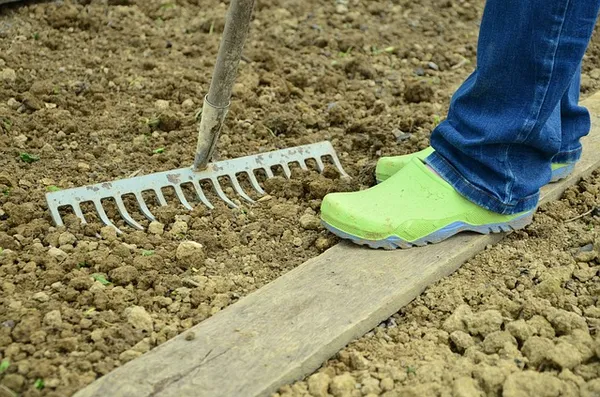
- Prepare the soil well in advance. Make sure the conditions are right for the plants you want to sow. Loosen the soil before you start sowing, and add a layer of compost to the soil in early spring.
- Do not use fertilized soil or fresh manure. This can cause seedlings to rot more quickly.
- Clear the ground of any bumps and stones, and remove any weeds.
- Sow in rows so that it will be easy to tell the seedlings from the weeds later on. A long furrow is ideal.
- Make a hole in the ground, for example, with a bamboo stick. Check the seed package for the correct planting depth.
- Carefully water the trench you've dug and let it dry out a bit. Repeat this process until the soil no longer feels dry.
- Place the seeds in the furrow, spacing them roughly evenly apart. Check the package for the correct spacing.
- Fill the trench with dry soil and press the soil down firmly. This ensures that the seeds make good contact with the soil and that there are no air pockets.
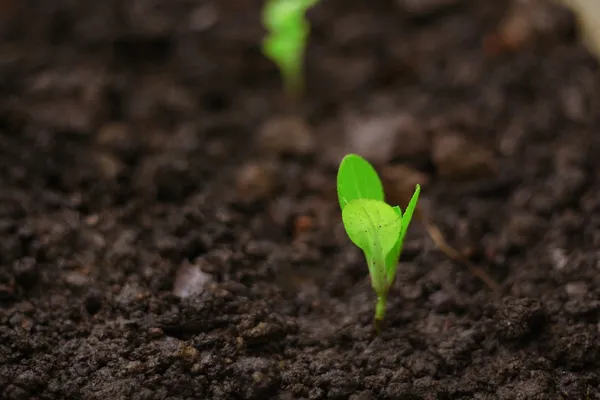
- When the seedlings emerge, thin them out. Be sure to take into account the growing space a mature plant will need. Try to select the strongest and healthiest seedlings to keep.
- Water the plants during periods without rain, and water them more frequently during droughts. It’s best to water with a sprinkler head to ensure that you water gently and don’t damage the seedlings.
- Protect your seedlings from snails, because they love them! For example, use sharp gravel, eggshells, or place copper rings around your seedlings.
- You don't need to fertilize your plants until they have fully matured. Fertilizing them too soon can weaken the plants.
- Make sure to provide support to plants that need it in a timely manner. That way, your plants can devote all their energy to healthy growth and won't snap in bad weather.
- Continue to take good care of your seedlings so they can grow into strong, healthy plants.