
Here's how to make the most of even the smallest patch of garden!
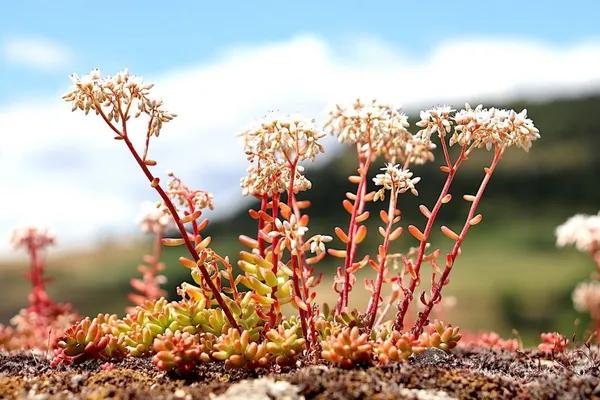
Gardens are getting smaller and smaller… When you see how small the gardens of many new homes are (and how big the houses themselves are), it becomes increasingly important to make the most of every bit of green space.
Of course, that applies to the garden area itself. But you also want to be able to use your garden. You need space to eat and drink, sit, relax, and play. Often, that leaves only (very) little space left for greenery.
Fortunately, there are still plenty of options when it comes to plants that don’t take up much space. Think of columnar or slender trees and shrubs, espaliers, narrow hedges, upright perennials, ornamental grasses, and, of course, climbing plants!
Climbing Plants
Climbing plants can completely transform even the smallest garden into a green oasis by making use of every vertical surface. Many types of climbing plants require only a small patch of soil (though it’s true that the smaller the patch, the more care it requires).
Beautiful climbing plants for sunny spots include Tuscan jasmine (also known as star jasmine) and passionflower. However, these plants may need some protection during harsh winters. Other beautiful climbing plants for a sunny spot in the garden include wisteria (Wisteria), trumpet vine (Campsis), honeysuckle (Lonicera), clematis, and climbing roses.
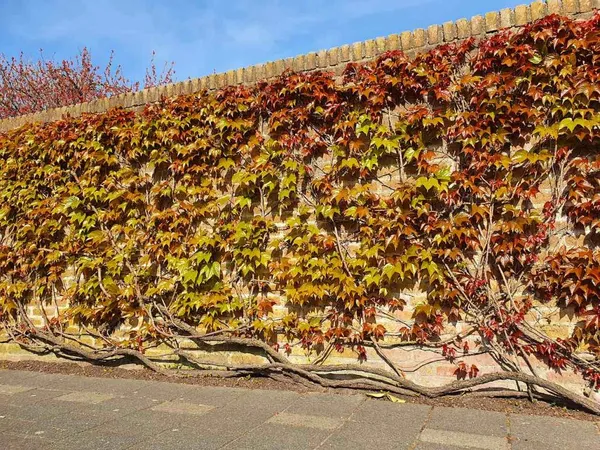
Beautiful climbing plants for the shade include ivy (Hedera), Virginia creeper (Parthenocissus), shade-tolerant climbing roses (such as New Dawn), some clematis varieties (for example, Alpina), honeysuckle, and firethorn (Pyracantha). Flowering climbing plants like clematis and honeysuckle also pair well with ivy, creating a flowering yet evergreen hedge.
Green roof
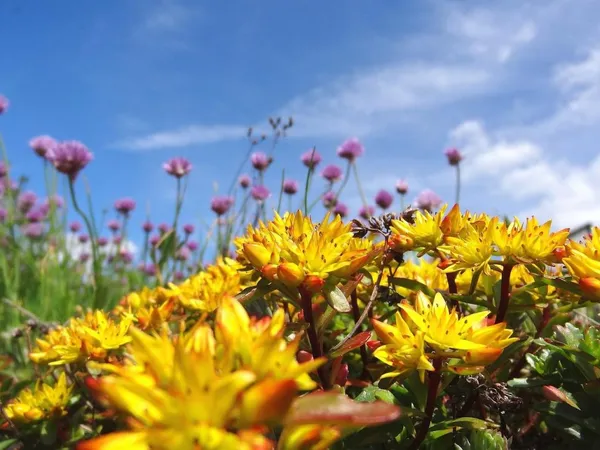
You see it more and more often these days (thankfully): Sheds and canopies with green roofs. This way, even the smallest patch of ground becomes part of your garden. Sedum mats are often used for this, or Sedum Cassettes used. Ideal, because sedum is very hardy. Blazing sun, wind, drought—and even frost—are no problem! Just make sure they don’t get too wet in the winter. Sedum requires very little care.
When a sedum roof is installed, it often still looks a bit dull and flat (though it is green!). During the growing season, the various types of sedum bloom beautifully. Your green roof will become a real magnet for bees and butterflies! Plus, from your upper floor, you’ll no longer be looking out at a dull gray or black roof, but at a beautiful, evergreen flower meadow!
Sidewalk Garden
Don't have a garden at all (or do you really want to make the most of it)? Then you could also choose to create a small sidewalk garden. Of course, you'd have to live on the ground floor…
If the sidewalk is wide enough, you can lift one or a few tiles—or even an entire row! Be sure to check with the city first, though, because this usually isn’t allowed without permission. Do you live on a private lot or on a dead-end path? In that case, this is often not a problem, or you can more easily place a few pots there to fill with your favorite potted plants. Be sure to check with your neighbors first to avoid any issues.
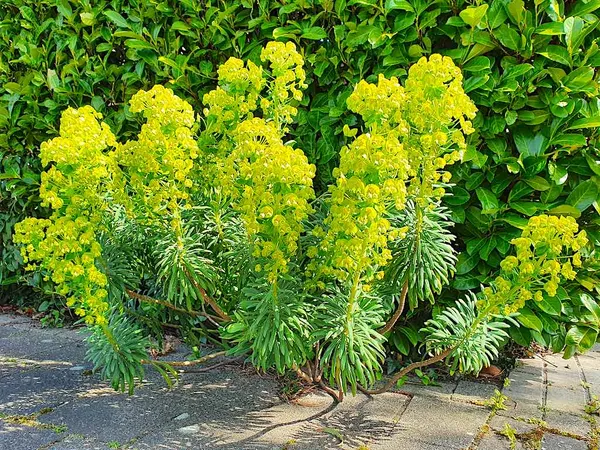
Attractive groundcover plants are often those that self-seed easily (and could have grown there on their own). Examples include lousewort, geranium, euphorbia, campanula, columbine, and foxglove, as well as larger plants and shrubs such as butterfly bush and hibiscus.
Of course, you can fill pots with all kinds of plants, but some lovely options for your own potted curb garden include pansies, periwinkle, campanula, lavender, rosemary, and sedge, as well as shrubs like skimmia, camellia, photinia, or even a small olive tree!
How do you make the most of every inch of your garden?
Do you grow climbing plants or groundcover plants, or do you have a green roof too?
* This post contains a sponsored link