
Here's how to leave your garden in good hands while you're on vacation!
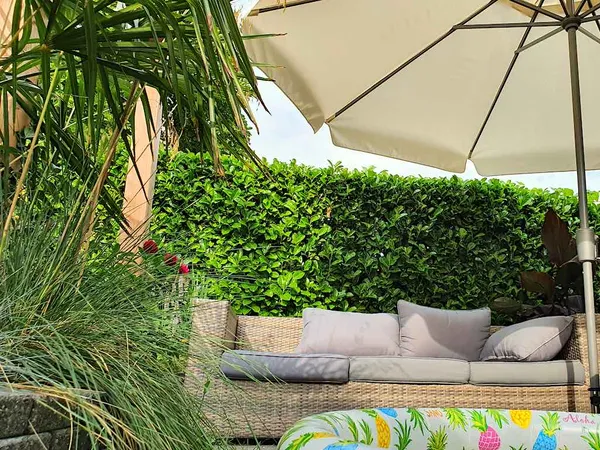
It’s (almost) summer vacation again! Time to really enjoy your garden and spend some time outdoors. Or maybe you’re going on vacation for a couple of weeks. During a well-deserved vacation like that, you’ll naturally be able to relax, and with a little luck, you’ll enjoy beautiful weather. However, this isn’t always great news for your garden. A week without tending to it is usually fine, but two or three weeks does require some preparation—especially during a hot and dry summer!
Here's how to take good care of your garden when you go on vacation
With these tips, you can go on vacation with peace of mind, knowing your garden and plants will be well taken care of.
Plant Sitting
Hire a gardener or plant sitter for your garden. Even if it’s just to give the plants a good watering once a week during a drought, it makes all the difference!
It would be absolutely perfect if you could also take care of a few small tasks, such as removing spent blooms from repeat-flowering plants. Maybe there’s a gardening enthusiast living in your neighborhood?
Since hiring a plant sitter isn't always an option for everyone, here are plenty of tips to help your garden weather your absence just fine.
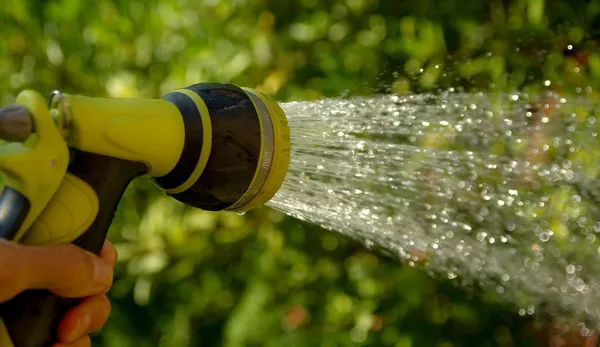
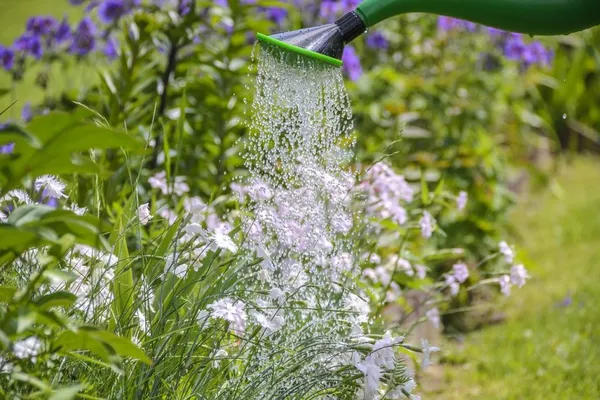
Borders
- Apply a layer of mulch to your flower beds to help keep the soil from drying out as quickly. Of course, you'll need to water the area thoroughly before applying the mulch.
- Remove flower stalks and seed heads from unwanted plants/weeds or attractive ornamental plants that you’d rather not have spreading on their own in your garden. By the time you return from vacation, it might already be too late.
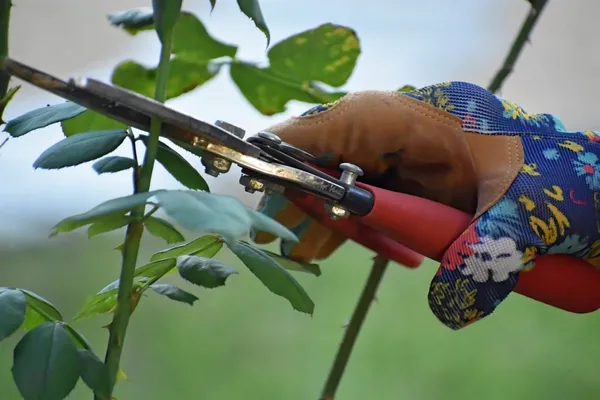
- Prune away all (almost) spent flowers and flower stems from plants that can bloom multiple times. You can even cut back flowers that are still in good condition. This prevents the blooming period from ending by the time you return from vacation, or encourages a second bloom in late summer. Examples include columbines, geraniums, catnip, lavender, lady’s mantle, etc.
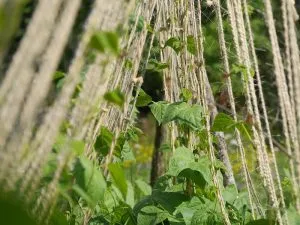
- Tie up climbing plants securely and provide support for taller plants in a timely manner, so you don’t come back from vacation to find a collapsed plant paradise. You wouldn’t be the first person to find a climbing rose, grapevine, or wisteria (whether snapped or not) lying on the ground when you get home.
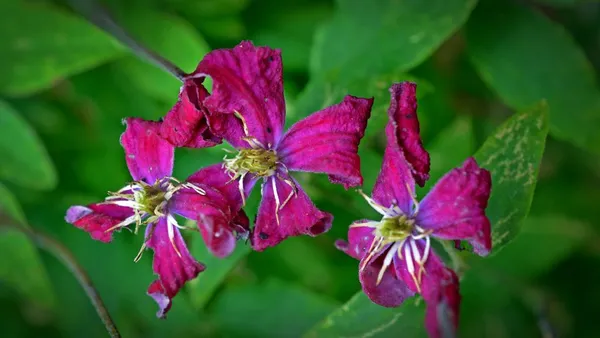
Potted plants
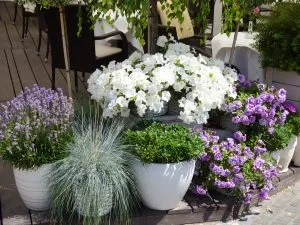
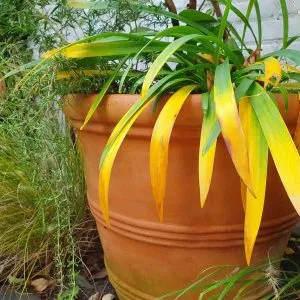
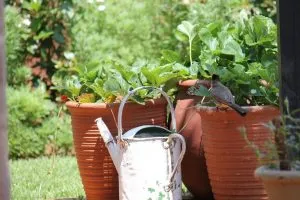
- Place movable pots as close together as possible and set them in a sheltered spot in the shade. This way, the potted plants won’t dry out as quickly and will keep each other a little cooler. It also makes it easy to water them before you go on vacation (or for the house sitter while you’re away).
- Give all potted plants another dose of (liquid) plant food. In many cases, tomato fertilizer is ideal for this purpose.
- Place water dishes or trays under your pots and containers so they have a small supply of water (but don't let the roots sit in the water).
- Cutting off flowers that have (almost) finished blooming, pruning back plants that can bloom multiple times, and tying up or supporting taller plants—these tips, of course, also apply to all your potted plants.
Vegetables, fruits, and herbs
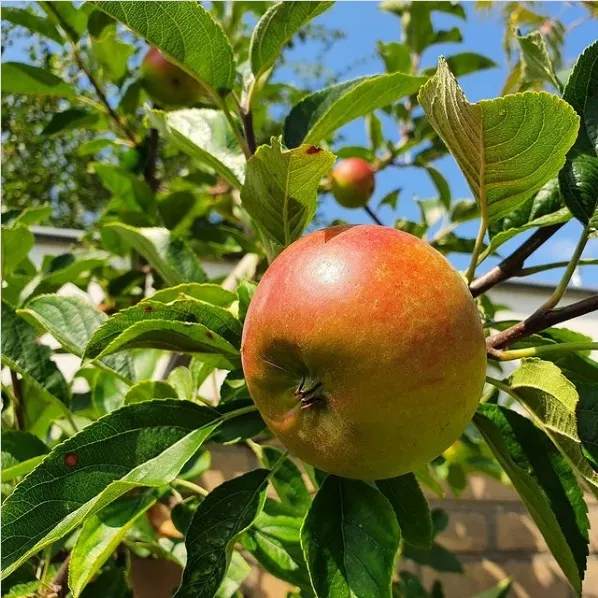
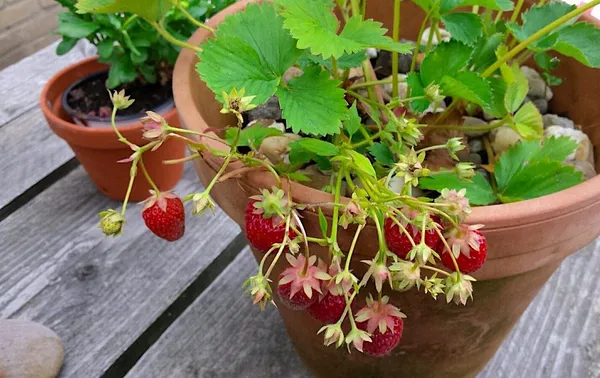
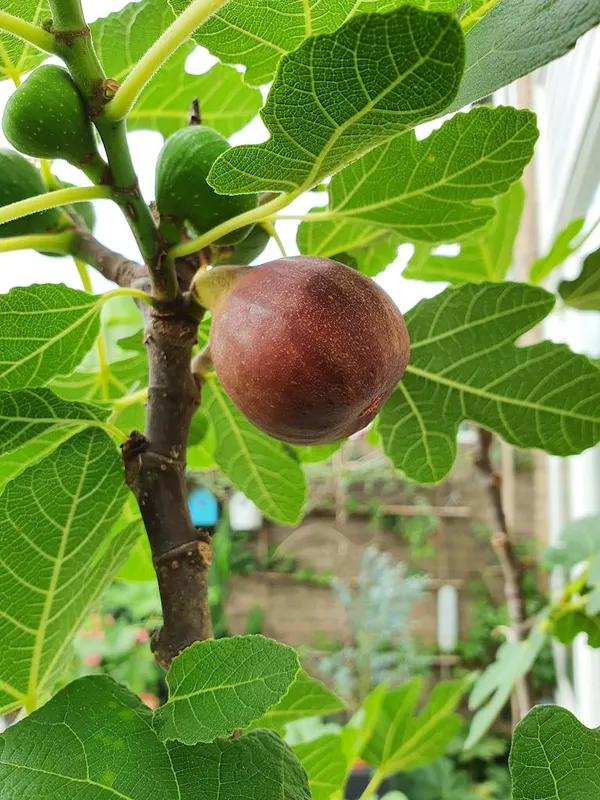
- Pick as much (almost) ripe fruit as possible.
- Harvest as many vegetables as possible that are ready to eat.
- Prune herbs back significantly so they can grow back. Freeze any excess herbs (for example, using the ice cube method).
- If you have an excess of harvested vegetables, fruits, and herbs that don't store well, you can, of course, give them away to neighbors, friends, and family (or your plant sitter).
- Thin out the apples so that the remaining fruit grows and ripens better.
Lawn
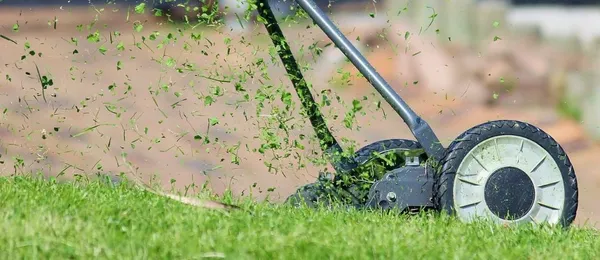
- Mow the lawn one more time, the day before you leave.
- It's best not to mow too short, because that makes your lawn more susceptible to drying out.
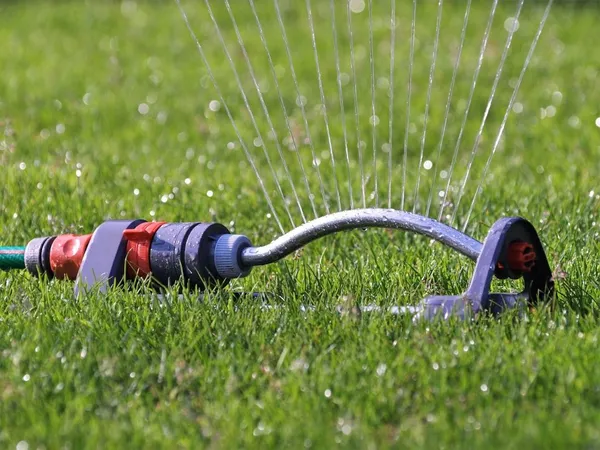
- If necessary, water once as a preventive measure so your lawn doesn't dry out right away.
Pond
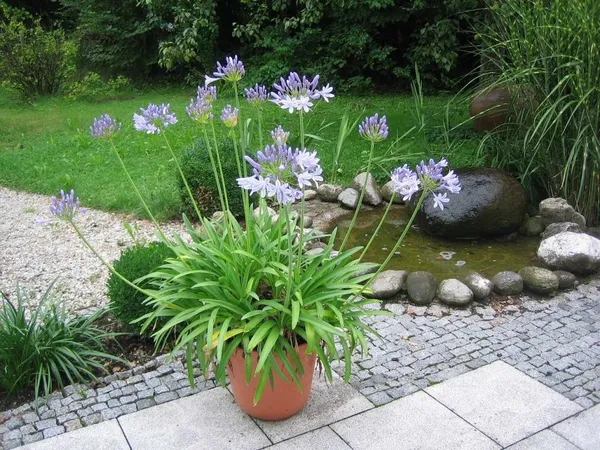
- Top off the water level in your pond just before you leave.
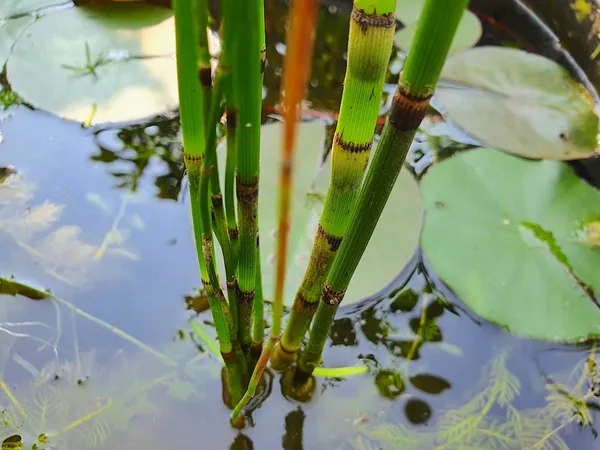
- Remove as much thread algae as possible from your pond to prevent the water's surface from becoming completely overgrown while you're away.
- Leave the removed plant material along the edge of the pond for a few hours so that any animals and insects can find their way back to the water.
Start well in advance of your vacation
- Stop planting new plants about 1–2 months before you go on vacation. These plants are particularly susceptible to drying out, as well as diseases and pests. They’ll also be the first to show signs of not receiving your usual care.
- If you always go on vacation during the same time of year (for example, if you’re tied to school breaks or the construction industry’s vacation period), it’s best not to choose plants, vegetables, and fruits that bloom or ripen (only) during that time.
- Set up an irrigation system early on so you can water your plants automatically (or remotely).