
Here's how to fill your balcony with flowers and happy little critters
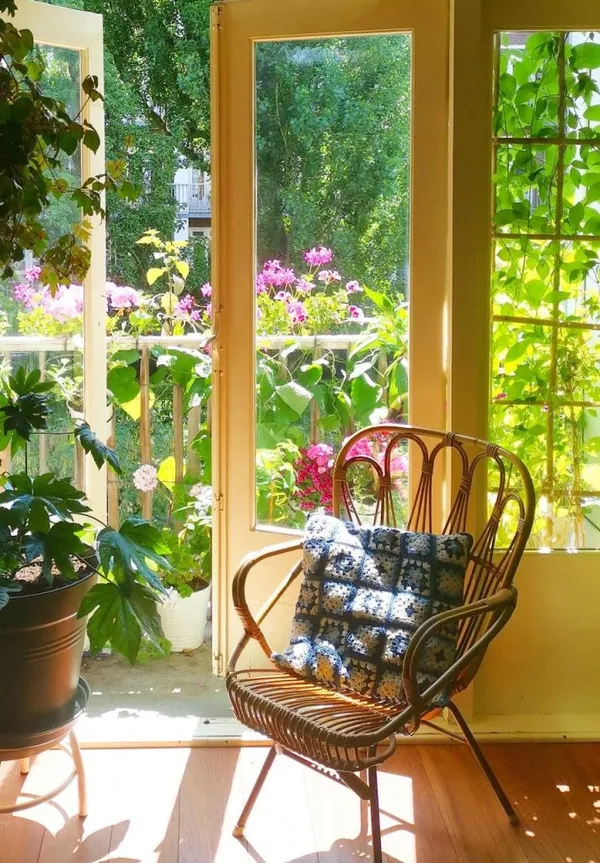
The smallest gardens are probably city balconies. And when you see all the things that can grow, bloom, buzz, and flutter on those few square meters of floating space, you’ll immediately rush to the organic nursery to fill your balcony with flowers.
How do you get started? How can you turn your balcony into a little green paradise? Suzanne de Boer and Friederike Joppen from @spreadyourbalconylove are happy to share their tips for greening up your balcony.
Got the hang of it? Then enter the Blooming Balcony Contest. You have until June 10!
How much sun, and which plants?
If you know how much sun your balcony gets, you’ll also know which plants will thrive there. Keep an eye on the sunlight for a day: how many hours of sun do you get in each spot? You can choose your plants based on this. Some plants need a lot of sun, but there are also beautiful shade-loving plants.
5 Shadow Miners
Plants for a spot that gets 0 to 2 hours of sun
- foxglove Digitalis
- Tiarella (foamflower)
- Small-leaved ivy (Hedera helix), climber
- lesser periwinkle (Vinca minor)
- Fatsia japonica, also known as finger plant
5 Plants for Partial Shade
Plants for a spot that gets 2 to 5 hours of sun
- Scabiosa
- Cardinal's Hat (Euonymus fortunei), evergreen
- Coreopsis 'Maiden's Eyes'
- Yarrow (Achillea millefolium)
- Leucothoe (grape heath), evergreen
5 Sun Worshippers
Plants for a spot that gets 5 to 8 hours of sun
- Rudbeckia sunflower
- lupine Lupinus
- lavender Lavandula
- catnip Nepeta
- salvia Salvia nemorosa
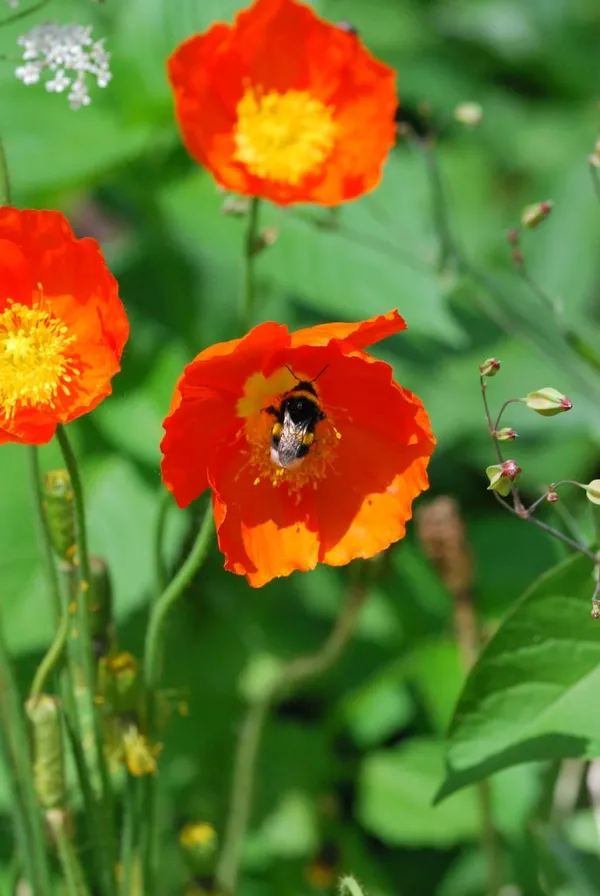
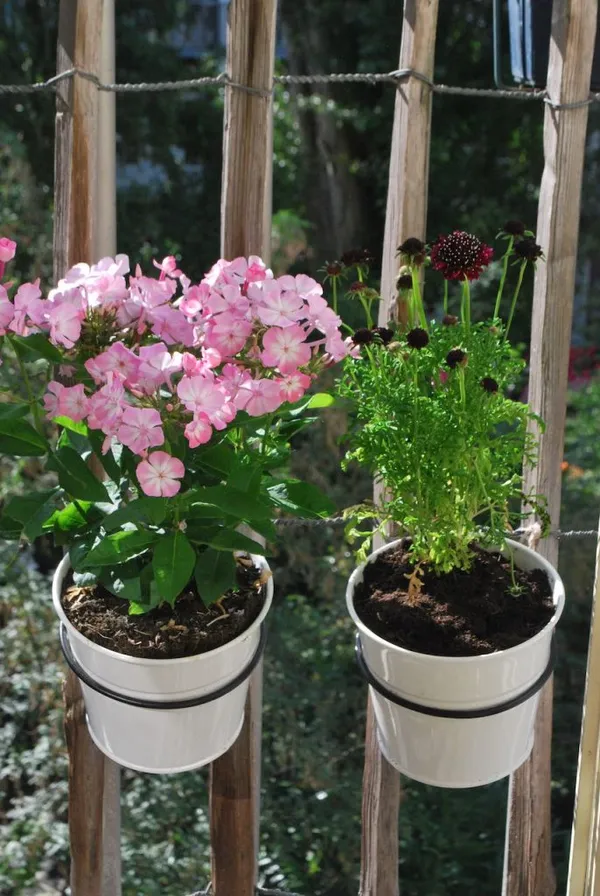
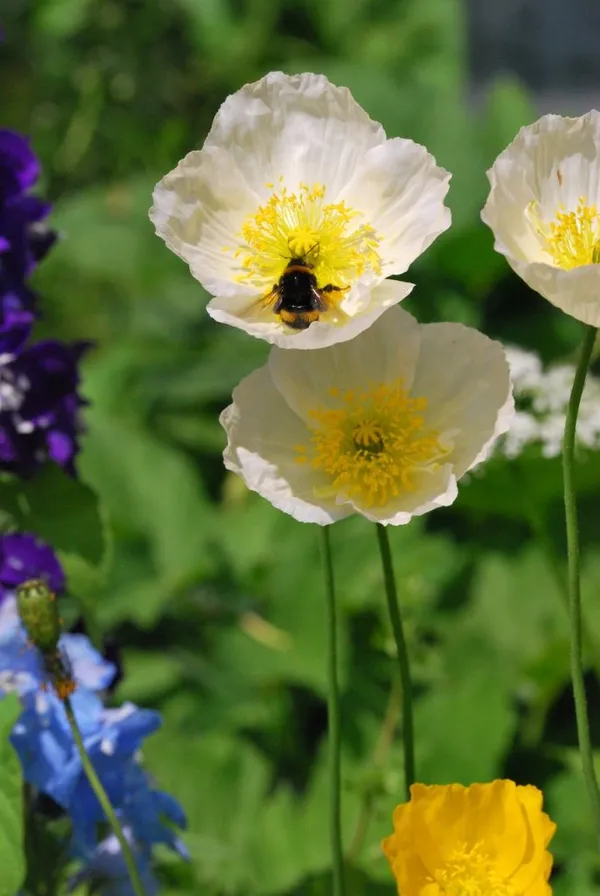
Toxic-free and strong
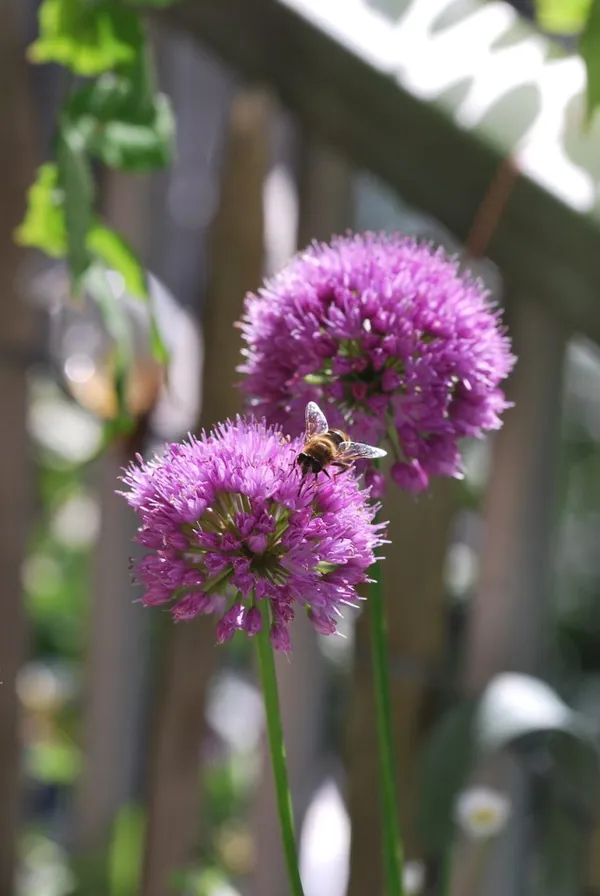
Bees, butterflies, and many other insects rely on nectar and pollen for survival, which they can only obtain from flowers. If the plants bearing those flowers have been sprayed with insecticides at the nursery, the insects that visit them will die. So it’s best to buy organically grown plants. Because just like us, bees, bumblebees, and butterflies love things that are pure and untreated.
When you choose organic plants, you’re not only choosing to go pesticide-free, but also opting for stronger plants. Organic plants are often still very small when you buy them, but they’ve had the chance to establish strong roots at the nursery before they start growing taller. On your balcony, they’ll start growing rapidly and eventually bloom.
On Biotuinwijzer.nl and in our own directory of sustainable nurseries and stores, you’ll find addresses and websites for organic and eco-friendly growers throughout the Netherlands.
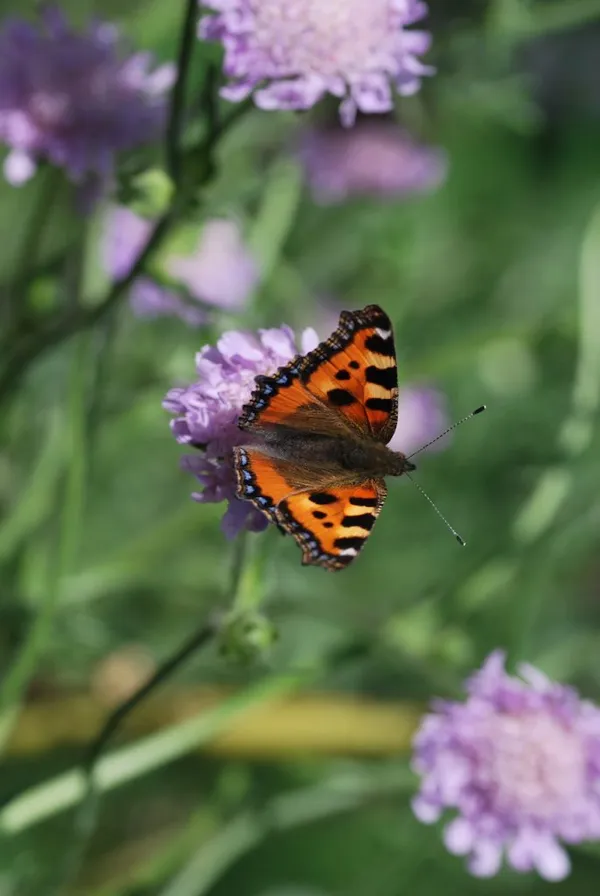
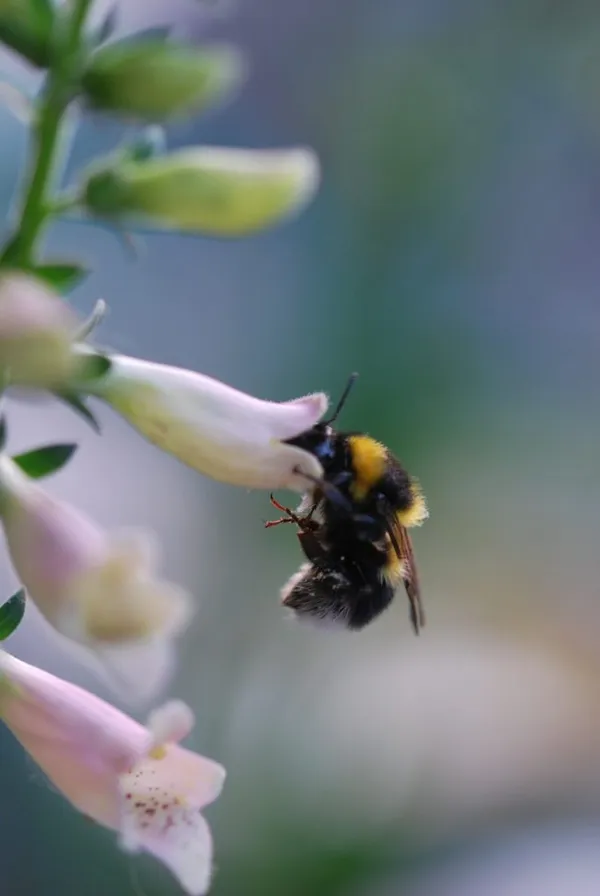
Animal Paradise
If you want bees, bumblebees, and butterflies to find your balcony, place flowering plants along the railing and let them sway: this is the place to be. Flowers with open centers and calyxes are favorites, as they make it easiest for the insects to reach the nectar. And the more flowers, the better, so go for bushy plants and fill up your balcony.
If you're growing perennials, give the little creatures a chance to overwinter. Spread autumn leaves over the soil, and don't break off the dry stems until spring. By then, the little creatures will have flown away.
Climbing Wall
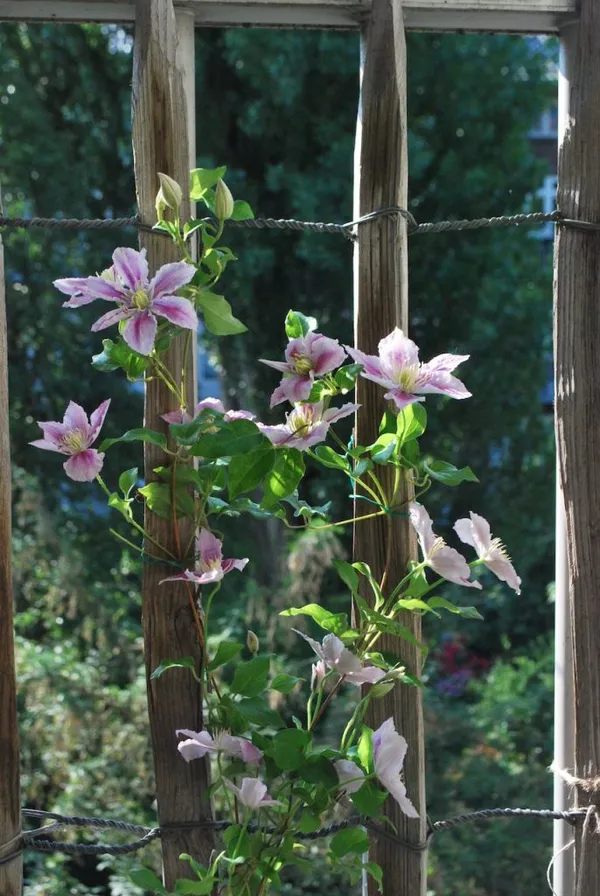
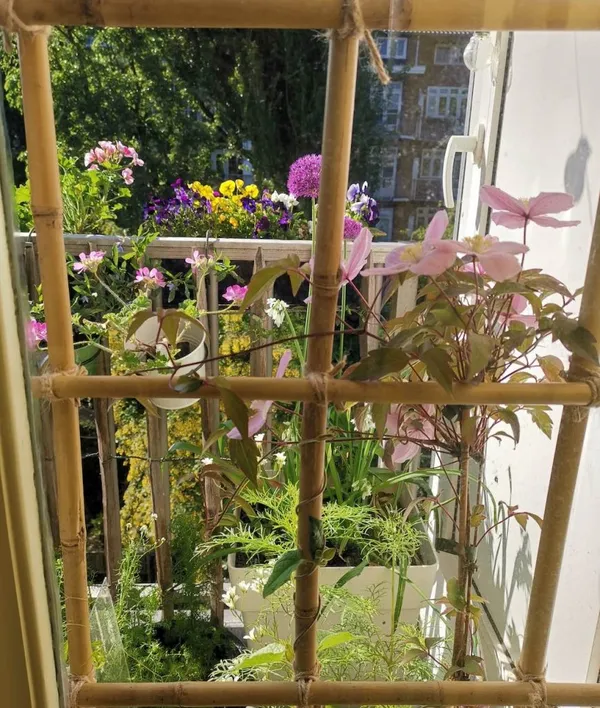
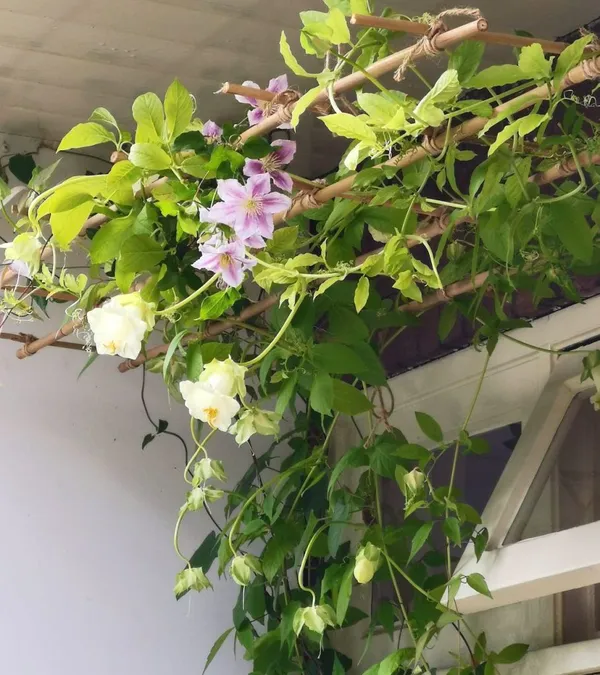
Even on the smallest balcony, you can grow plants vertically using climbing plants. Just tie together some bamboo poles and rope to make a trellis, hang it on the wall, and let the right plant(s) climb up it from a large pot.
- Ivy (can grow in both shade and full sun and is evergreen)
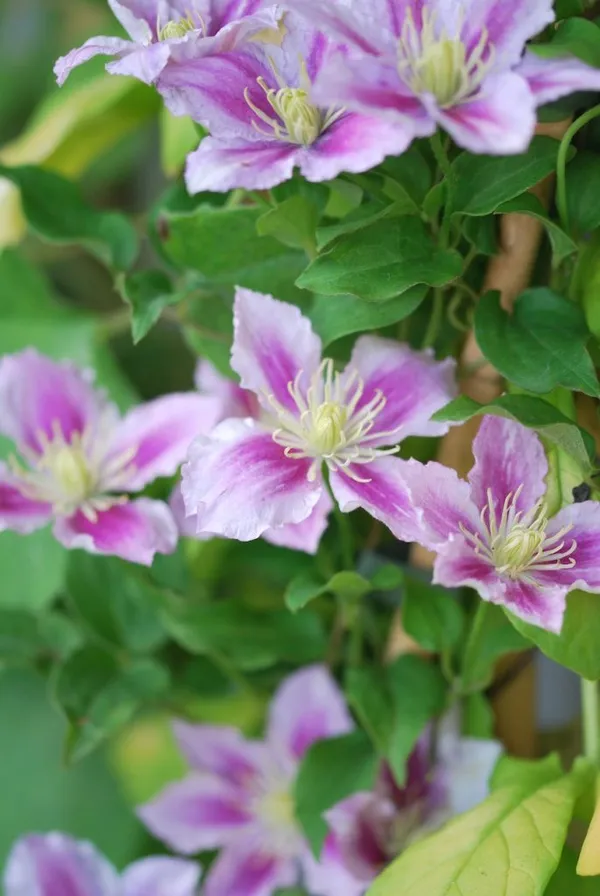
- Clematis (there's a variety for every amount of sunlight)
- Morning Glory (at least 5 hours of sun, annual)
- Passionflower (requires at least 5 hours of sun and is evergreen)
- Tuscan jasmine (at least 2 hours of sun and evergreen)
The bigger, the better
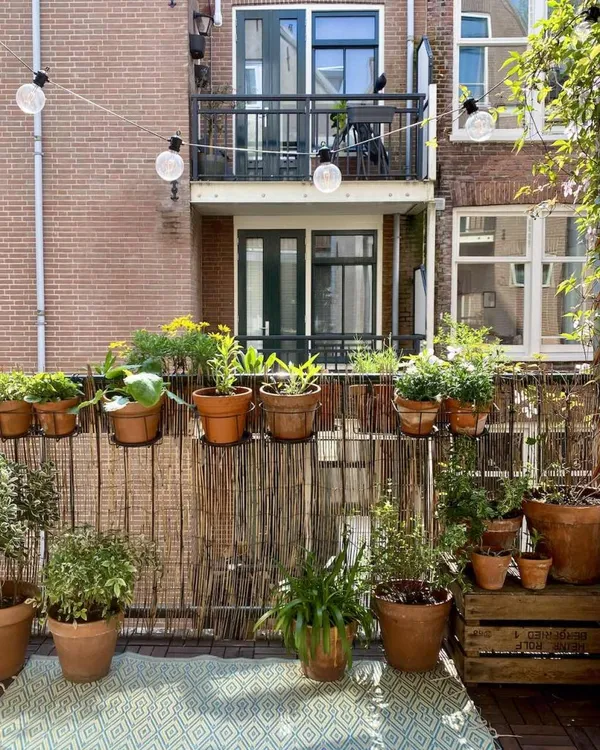
Plants thrive in the ground. There, their roots have plenty of room to grow and can reach deep into the soil in search of water. In a pot, that root space is limited, and the plant depends on you for water. Go for large pots, crates, or containers, because they can hold a lot of potting soil. And the more potting soil there is, the slower it dries out. Also, fill the pot well with plants. For example, place a large plant in the center and smaller ones around it. The better the potting soil is covered with plants, the better it retains moisture.
In principle, any container—be it a bucket, basin, tray, crate, can, or pot—can serve as a planter, whether it’s made of wood, ceramic, porcelain, plastic, or terracotta. It’s important, however, that there’s at least one drainage hole in the bottom. Heavy rain showers can occur, and if water can’t drain away, your balcony plants will drown.
Tip: Going on vacation? Ask a neighbor to water your plants. Or, if you have an outdoor faucet, set up a drainage system. A system using string and a water carafe works, too. The Blumat brand has perfected this.
View
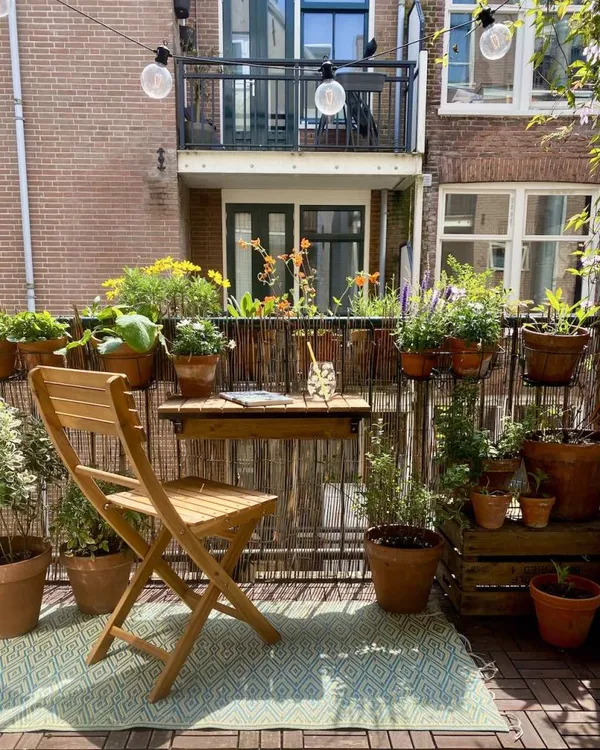
Place small pots with plants on a stool or table. That way, you’ll have a nice view from inside your home. Pots also make it easy to style your space. Place a beautiful flowering plant in the front for a while and move the plant that has finished blooming further back. This way, your balcony garden will always look different. Just make sure that stools and planters don’t become stepping stools for children and pets—you don’t want them to fall over the edge.
Sowing in the Sun
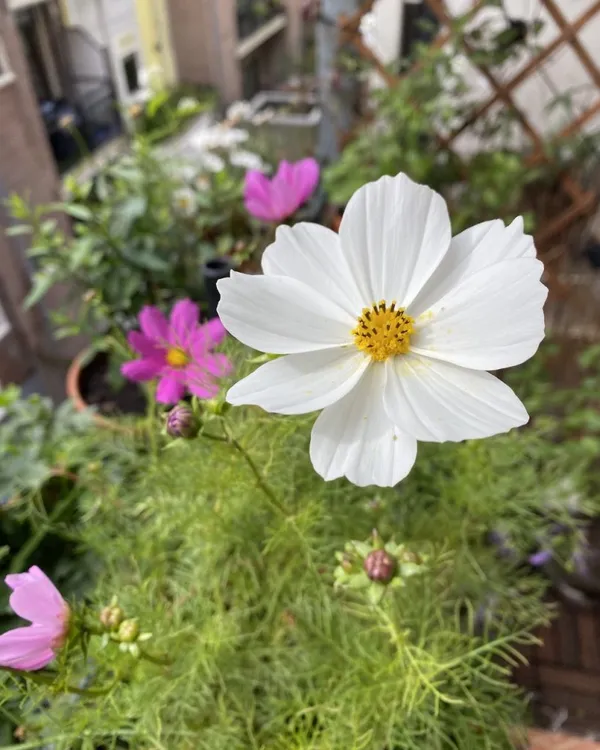
Gardening in pots doesn't have to be expensive, and you can start with just one pot or planter. Place it in the sun, fill it with potting soil, sprinkle a packet of flower seeds over it, and cover the seeds with a very thin layer of potting soil. Water it lightly, then wait for the seeds to sprout. Cosmos, for example, grows tall and attracts bumblebees and honeybees. Or sow native plants—plants from this area for the local wildlife. You can find beautiful seed mixes at Cruydthoeck.nl
Vegetable Gardening
Growing vegetables on your balcony is very easy and doesn't take up much space. For example, why not start with:
- Two containers on the railing: one with radishes and one with leaf lettuce
- A crate 30 to 40 cm tall in which you can plant an organic potato, some onion sets, and a few cloves of garlic
- Two large pots with cherry tomato plants
- You can also arrange a row of herbs along the railing: chives, parsley, basil, and cilantro
- And a tea trio: three pots of mint, verbena, and licorice
Are you excited?
Looking for more ideas? Follow @spreadyourbalconylove on Instagram, founded by the authors of this article—Suzanne de Boer and Friederike Joppen—to raise awareness about balcony gardening. Over 1,400 enthusiastic balcony gardeners have already joined. Every Monday, there’s a “balcony feature,” where someone talks about their balcony and shares tips and tricks, their love for a particular plant, or beautiful close-ups of bumblebees and bees.
Bees, butterflies, birds, and so many other important creatures have fewer and fewer places to find food and space to take shelter and nest. We build our homes too neatly (there are no more wooden doors with a hole in them, no more mud walls with a little cavity), our gardens are too neatly raked, or we cover them with tiles.
Suzanne from Amsterdam, who is always busy on her balcony with seeds, plants, and flowers, decided to become a balcony gardener to help others green up their balconies. She does this for the residents’ own enjoyment, but above all to make them more aware of nature, the seasons, and what they can do to contribute to sustainability. Read more about Suzanne and the book “Balkon Geluk” (which she co-wrote with Friederike) at hetBloembalkon.nl
Friederike Joppen is the owner of the balcony shop De Balkonie in Amsterdam. At her shop, she offers gardening advice and sells (organic) balcony plants, pots, seeds, and furniture for small and large balconies, including through DeBalkonie.nl
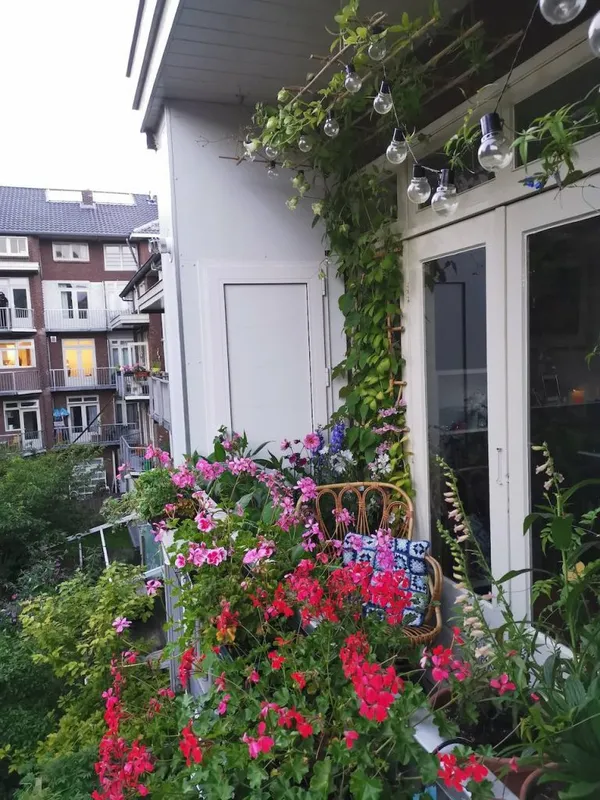
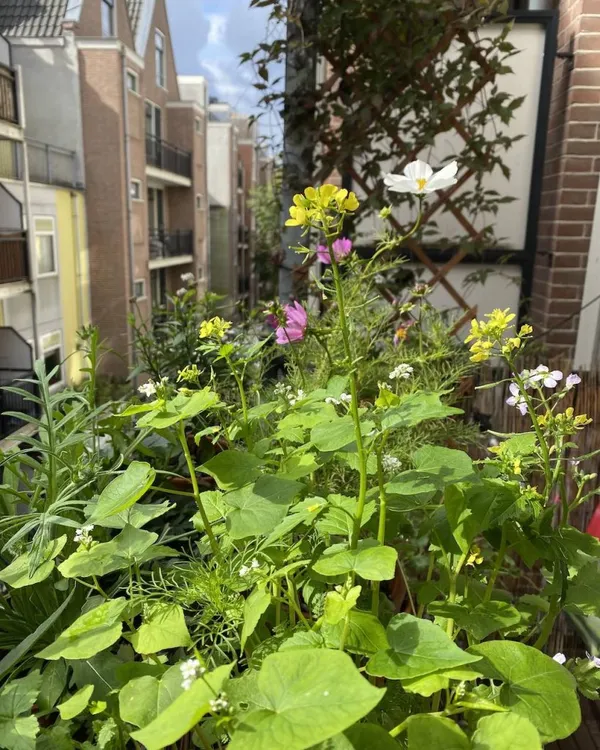
The Blooming Balcony Award
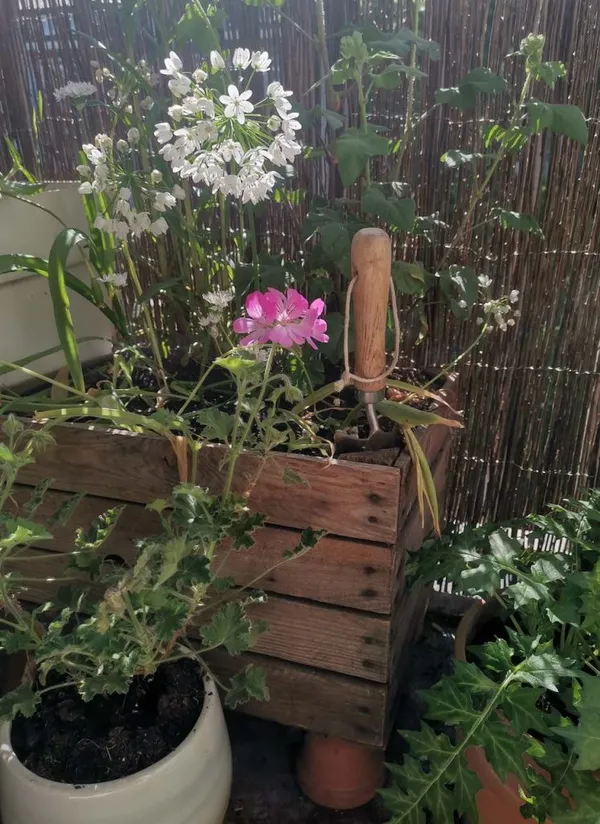
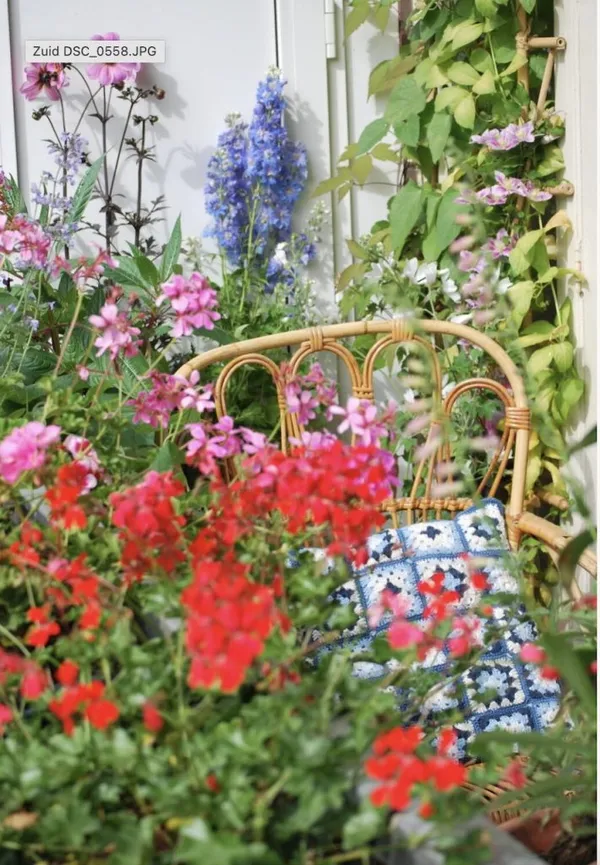
Last year, @spreadyourbalconylove organized the Blooming Balcony Award. The entries showed just how much is possible on balconies—both on the busy street side and at the back, within quiet residential blocks. This year, the Blooming Balcony Award has been adopted by the Netherlands Institute of Biology, which also recognizes the potential of balconies to increase biodiversity. Join in! You can enter in the “bee balcony” and “vegetable balcony” categories until June 10.
Learn more about the Blooming Balcony Award
Text & photography by Suzanne de Boer and Friederike Joppen