
Help the earth bumblebee queen in early spring – Tips from the Bee Foundation
Bees are indispensable to nature. They are important pollinators for many plants and crops. Without bees, biodiversity and food production would decline drastically. Even with a small garden, you can make a difference for bees! In collaboration with the Bee Foundation, every two weeks we share a tip on how to make a small garden or balcony bee-friendly.
Earth Bumblebee Queens in Early Spring
With spring on the horizon, February’s (occasional) sunny days herald the awakening of various creatures, one of which is the earth bumblebee queen. If you have a small garden or balcony, you can organize a welcoming committee for these queens and make a difference for biodiversity in your immediate surroundings.
Here's how to help the earth bumblebee queen
In February and March, some earth bumblebee queens emerge from hibernation. These insects are looking for places to build their nests and food sources to feed their colonies. As a gardener with limited space, you can take a few simple steps to attract and support these queens.
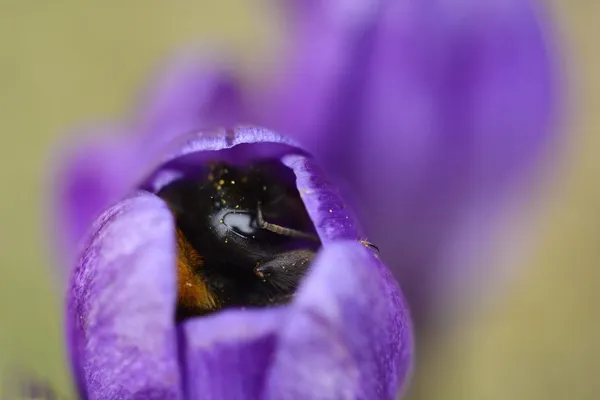
- Planting Early-Blooming Flowers: Choose flowers that bloom early in the season, such as crocuses, snowdrops, and willow catkins. These serve as food sources for earth bumblebee queens when they wake up and begin searching for nectar. Note: Be sure to choose plants that have been grown without pesticides!
- Provide shelter: Let some corners of your garden or balcony remain a bit more natural and untidy. This gives earth bumblebee queens opportunities to find hiding places.
- Avoid pesticides: Keep your garden free of harmful pesticides, as they are harmful not only to earth bumblebees but also to other beneficial insects. Instead, opt for natural methods of pest control.
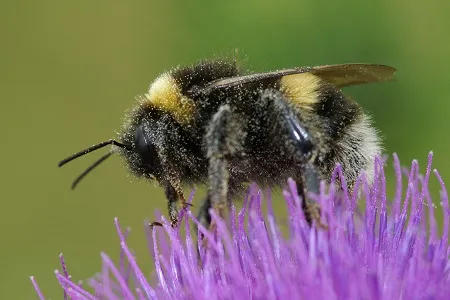
By following these simple steps, on a beautiful, sunny day in early spring, you can not only enjoy the first signs of spring but also help preserve, among other things, earth bumblebee queens and their vital role in nature.