
Help Bumblebee Queens Hibernate – Tips from the Bee Foundation
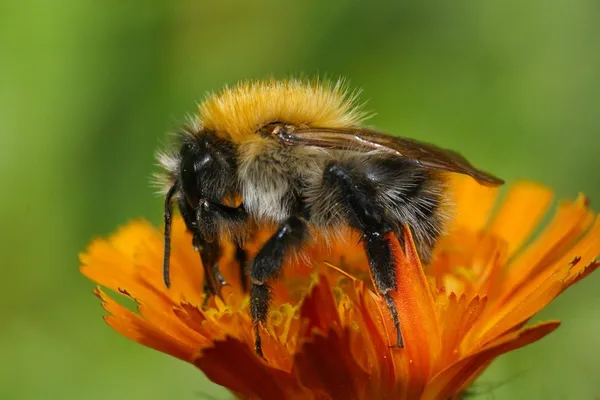
field bumblebee
Bees are indispensable to nature. They are important pollinators for many plants and crops. Without bees, biodiversity and food production would decline drastically. Even with a small garden, you can make a difference for bees! In a new partnership with the Bijenstichting, we’re now sharing a weekly tip on how to make a small garden or balcony bee-friendly.
To gain a good understanding of what you can do to help bumblebees overwinter, it's important to first understand their life cycle.
In early spring, when daytime temperatures hover around 10 degrees Celsius, the first bumblebee queens emerge. These queens set out in search of flowers to replenish their energy reserves. So it’s a good idea to have early-blooming food plants in your garden for these bumblebees, such as crocuses, grape hyacinths, ground ivy, and purple and white deadnettles.
As soon as the bumblebee queen has regained some strength, she begins to look for a suitable nesting site. Earth bumblebees usually use abandoned mouse nests, while field bumblebees prefer spots among tall grass. Sometimes they even nest under a trash container or in a hollow space in a garden shed. Tree bumblebees often make use of unused titmouse nest boxes. The bumblebee queen lays eggs to establish a new colony. At first, she’s on her own and cares for her first brood, which consists of workers. As a result, later in the spring you’ll see small bumblebees—the workers. They go out to forage for food while the queen remains at the nest. In this way, the colony grows to as many as 150–400 workers, depending on the bumblebee species.
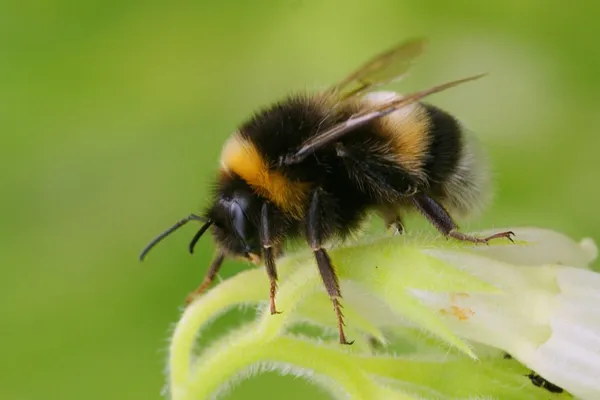
earth bumblebee
In early summer, males (drones) and young queens are born. The young queens are fertilized by the males and store food as a reserve. As a result, you’ll see large bumblebees again in late summer and fall. The old queen, males, and workers die in late summer. Only the young queens survive and seek a shelter to overwinter, such as an old mouse nest, under leaves, or even in a compost pile.
To help bumblebee queens overwinter, it’s best to maintain a compost pile or a pile of leaves in your garden. Natural compost piles or piles of leaves are valuable overwintering sites for bumblebees and other insects during the winter months. These piles provide a protected environment for bumblebees to survive the winter. Compost piles or leaf piles serve as natural shelters where bumblebees can nest and protect themselves from harsh weather conditions. Removing these piles can eliminate this protection and reduce the bumblebees’ chances of survival.
Compost piles or leaf piles also contribute to biodiversity in the garden. They attract not only bumblebees, but also other beneficial insects such as beetles and ladybugs, which keep pest insects under control and promote the overall health of plants.
In short, if you have a compost pile or a pile of leaves in your yard, leave them alone for now and don’t turn them over until spring. That way, you’ll help the bumblebee queens survive the winter!