
Heat Wave in the Garden: 7 Myths You're Better Off Not Believing
As soon as a heat wave hits, you’re bombarded with gardening advice. Whether it’s on social media, in the neighborhood app, or from a well-meaning neighbor, everyone seems to know what you should—and, more importantly, shouldn’t—do.
But not everything you hear is true. Some advice is outdated, some is only half-true, and some can even backfire.
In this article, we’ll debunk a number of common gardening myths and misconceptions. That way, you’ll know what really helps your plants on hot days—and what you definitely don’t need to worry about.
Myth 1: Water droplets on leaves will burn your plants
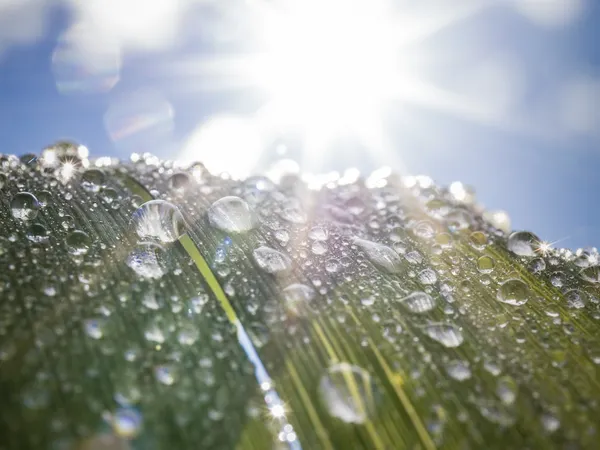
This may well be the best-known piece of gardening wisdom. The idea is that water droplets act like a magnifying glass and focus sunlight, causing leaves to burn. That sounds logical, but in practice, this hardly ever happens.
Most leaf scorch during a heat wave is simply caused by plants being unable to absorb enough water or by prolonged exposure to intense sunlight and high temperatures. It’s not caused by a few drops of water on the leaves.
That doesn’t mean, however, that you should water extensively in the middle of the day. There’s another reason for that: at the hottest time of the day, a large portion of the water evaporates before it reaches the roots. Furthermore, wet leaves on some plants can actually promote fungal diseases if they remain damp for a long time in the evening.
That's why it's best to water your plants early in the morning. That way, evaporation is minimal, and the plants have the whole day to absorb the moisture.
Learn more about proper watering in your garden
Myth 2: During a heat wave, you should water your plants every day
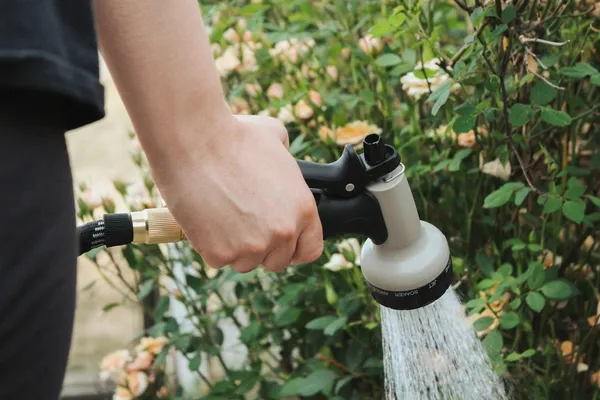
When the weather is warm, many people go out every evening to water their plants. It feels good, but it’s not always the best approach.
If you water the plant a little bit every day, the water evaporates quickly and usually doesn't reach the plant's roots.
When growing in open ground, it is therefore usually better to water less frequently but more generously. This allows the moisture to penetrate deeper into the soil, helping plants develop stronger roots.
Of course, there are exceptions. Potted plants have much less soil available to them and may sometimes need to be watered daily on hot days. Young plants also deserve extra attention, because their root systems aren’t yet deep enough to find enough moisture on their own.
So don't just look at the temperature; consider where a plant grows as well.
Learn more about watering potted plants
Myth 3: A brown lawn is dead
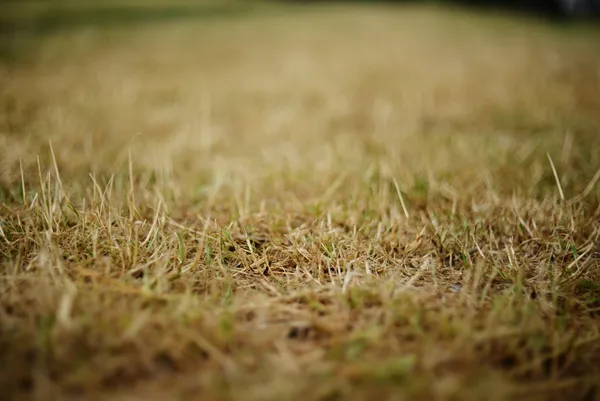
After a few weeks of drought, a lawn often looks unsightly. The fresh green gives way to yellow or brown patches, and it’s easy to be tempted to water it heavily. However, a brown lawn isn’t always a lost cause.
Many types of grass enter a sort of dormant state during prolonged droughts. They temporarily stop growing to conserve moisture. As soon as there is sufficient rainfall again, they often resume growth on their own. This is therefore the first area where we cut back on watering ourselves. It’s also not inconceivable that watering restrictions will be imposed more frequently.
That doesn't mean you never have to water it. If you've just seeded new grass or laid a young lawn, watering is important. But an established lawn can withstand a surprising amount.
So a few weeks of yellow or brown grass in the summer is usually not as bad as it looks.
Learn more about caring for your lawn in the summer
Myth 4: Plants Need Extra Fertilizer in Hot Weather
When plants look a little wilted, it’s easy to jump to the conclusion that maybe they need fertilizer. However, things usually work differently during a heat wave.
Due to the high temperatures, many of the garden plants are barely growing. They aren't putting their energy into new leaves or flowers, but are mainly trying to retain enough moisture. At that point, extra fertilizer has little effect.
In fact, applying fertilizer when the soil is very dry can put extra stress on the roots. It’s therefore better to save the fertilizer for a time when temperatures have dropped again and the plants resume growing. That way, they’ll benefit much more from it.
Myth 5: Wilted plants need water immediately
You walk into the garden and see the hydrangea drooping. Or the leaves of a coneflower suddenly start pointing downward. The first reaction is often to water it right away. But a plant that’s drooping isn’t always thirsty.
Many species temporarily let their leaves droop to reduce transpiration. Less leaf surface area means less water loss. It is a natural response to heat and bright sunlight.
So don't just look at the plant—check the soil, too. Does it still feel moist? If so, it might be wise to wait a bit. Chances are the plant will look a lot better the next morning, when it's cooler.
Is the plant still wilted, and is the soil dry? If so, it definitely needs to be watered.
See also: My hydrangea is wilting—can it still be saved?
Myth 6: All plants need the same amount of care during a heat wave
People who water their gardens often do so automatically, watering everything equally. Yet there are significant differences between plants.
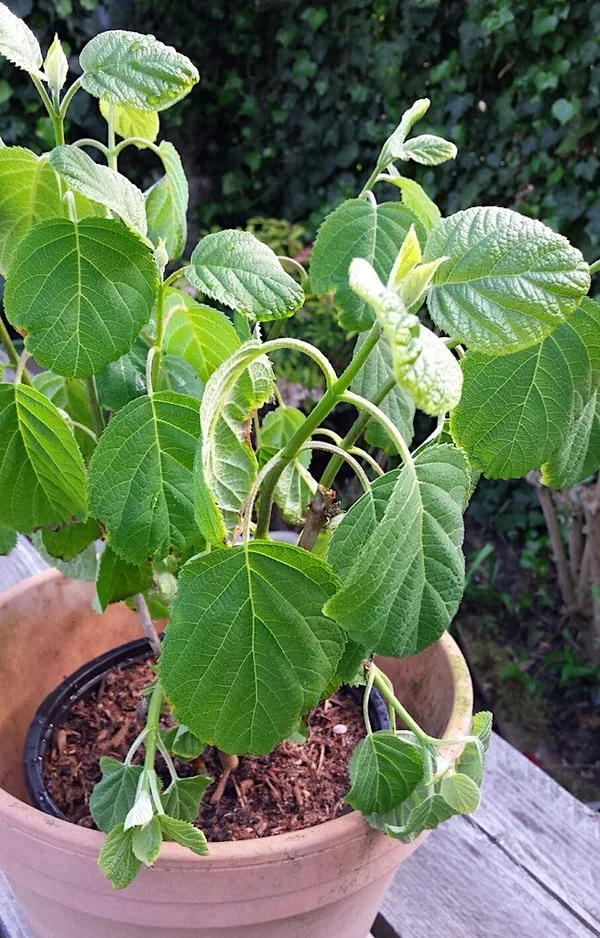
A mature shrub that has been in the same spot for years often has an extensive root system and can reach deeper into the soil to find moisture on its own. Young plants aren't able to do that yet. Potted plants, too, are much more dependent on your help.
So focus first on the plants that really need it:
- young saplings;
- plants in pots and containers;
- vegetables;
- plants that haven't fully taken root yet.
That not only saves water, but also time.
Myth 7: Your garden has to look perfect during a heat wave
This might just be the most persistent myth of them all.
We’re used to green lawns, fresh foliage, and abundant blooms. But a heat wave takes a toll on a garden. It’s perfectly normal for some plants to look a little less attractive for a while. A flower that has finished blooming, a few wilted leaves, or a lawn that temporarily changes color don’t mean you’ve failed as a gardener. Many plants recover surprisingly quickly once temperatures drop and rain returns.
So don’t try to keep everything green at all costs. Focus on the plants that are truly vulnerable, and accept that a garden may look a little different at times during extremely hot weather. That’s not only better for your plants, but often better for your water consumption as well.
Not everything that sounds logical is true
During a heat wave, you naturally want to do everything you can to help your garden. That’s exactly why there’s so much advice out there. But well-meaning tips aren’t always the best ones.
Your garden often tells you what it needs. A limp leaf doesn't necessarily mean a plant is thirsty. A brown lawn doesn't automatically mean the grass is beyond saving. And extra water or fertilizer isn't always the solution.
By taking a closer look at what’s really going on, you can avoid unnecessary work and help your plants thrive. Water them when needed, give struggling plants some time to recover, and trust that many plants are tougher than they look.
A heat wave doesn't have to be a disaster for your garden. With the right knowledge and a little patience, your garden will often come through it surprisingly well.