
Get Your Small Garden or Balcony Ready for Winter for Bees – Tips from the Bee Foundation
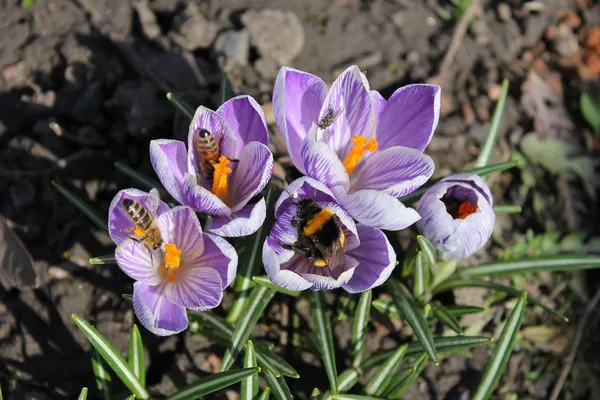
Bees are indispensable to nature. They are important pollinators for many plants and crops. Without bees, biodiversity and food production would decline drastically. Even with a small garden, you can make a difference for bees! In collaboration with the Bee Foundation We'll give you tips on how to make your small garden or balcony bee-friendly.
Getting Ready for Winter with Bees: Even on Your Balcony or in a Small Garden
Winter is just around the corner, and bees, too, are looking for shelter and food to survive this season. Whether you have a small city garden or a balcony, there are plenty of ways to make this space bee-friendly and pesticide-free. With a few smart adjustments, you can make a big difference for these indispensable insects.
Leave some clutter lying around
In small gardens and on balconies, you can easily create spots for overwintering plants. For example, leave pots with plants that have finished blooming in place, especially if they have hollow stems, such as lavender or sunflowers. Do you have a little space? Pile a few twigs or leaves in a corner or in a large pot. This provides a natural shelter for solitary bees.
Early-blooming potted plants
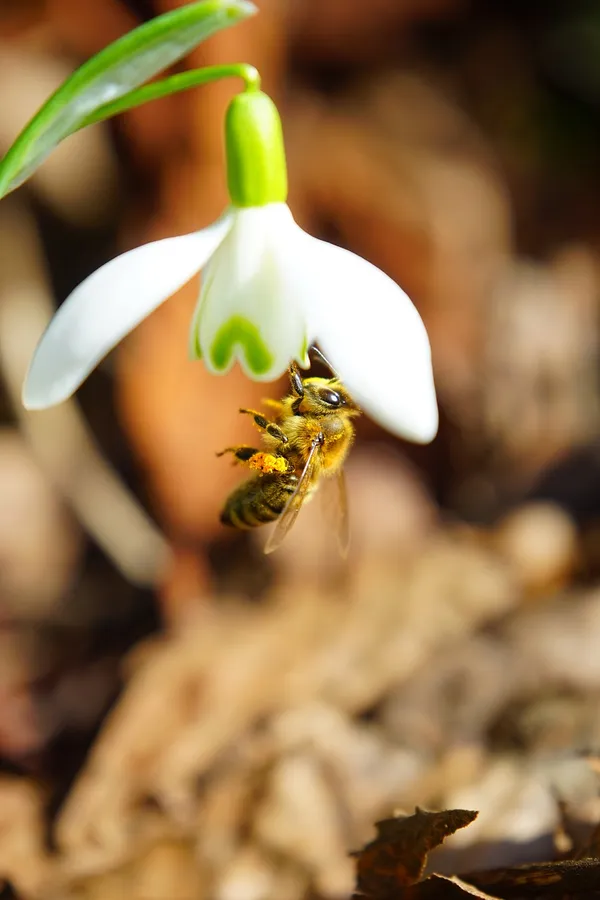
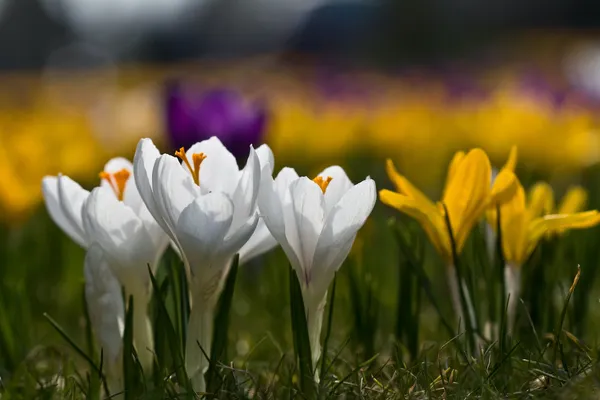
Even a small space can be an important source of food. Choose organic, toxin-free flower bulbs such as crocuses, snowdrops, and winter aconites. These bloom early in the year and provide nectar for bees emerging from hibernation. Plant the bulbs now in pots or containers so you’ll see results right away in the spring.
A bee hotel is always a good fit
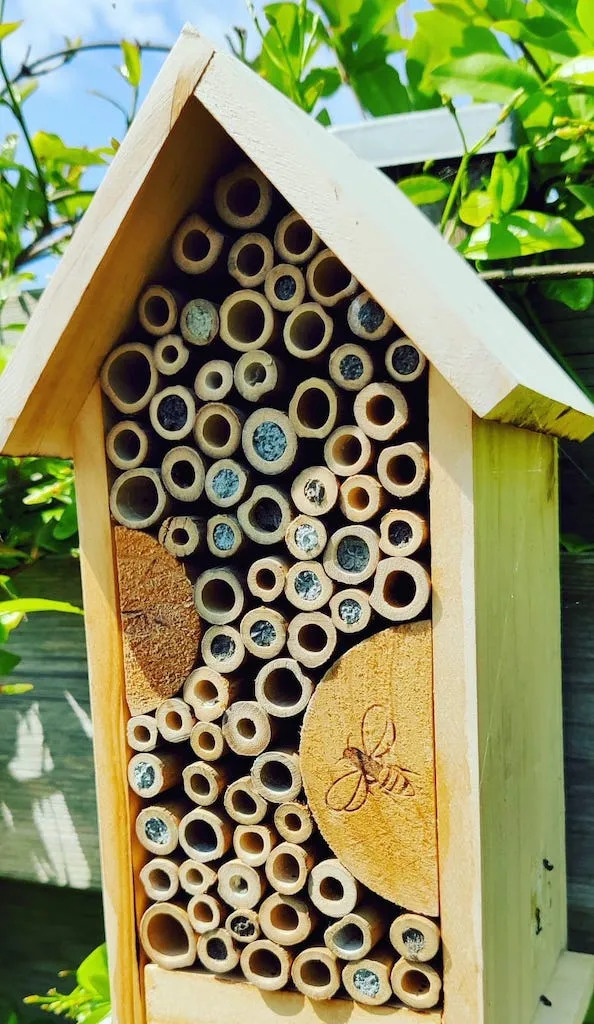
A bee hotel takes up very little space and is perfect for balconies and small gardens. Hang it in a sunny, dry spot—for example, on a wall or fence—and make sure it’s securely fastened. Check to make sure the hotel is filled with hollow stems free of splinters or loose fibers, so the bees can overwinter safely.
Keep it toxin-free
A little bit of pesticide may seem harmless at times, but even small amounts can be harmful to bees. It’s better to choose natural alternatives, such as manually removing unwanted pests or using a mixture of water and soap.
For people with a green thumb, now is the perfect time to get your garden ready for winter and spring in a bee-friendly and pesticide-free way. Our indispensable garden helpers are now looking for safe places to spend the cold months. Because a healthy garden starts with healthy bees!