
Front Yard Design Tips
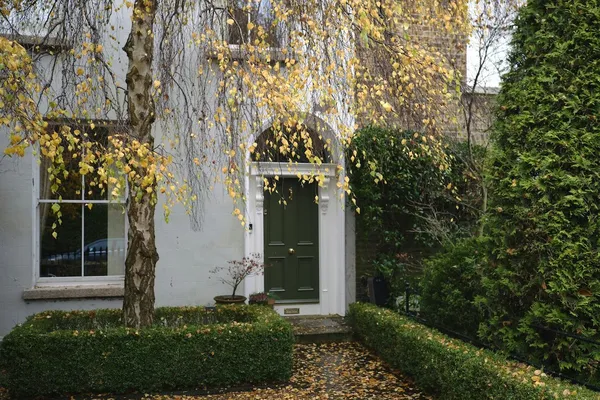
You use your front yard very differently from your backyard. A front yard design should be functional above all else. You need to be able to easily reach the front door and the window. There also needs to be a spot for the trash cans and maybe even for your bike. But it has to be pleasing to the eye, too… And not just to your eyes, but to those of passersby as well, because your front yard is visible to everyone!
Most front yards in our country are small. They’re almost always smaller than the backyard. Although they’re the same width, front yards are, on average, only 4–6 meters deep. In newer homes and new construction, they’re often even less than 3–4 meters deep! This small size has a major impact on front yard design. Fortunately, in most front yards, you don’t need to set aside space for a patio. That helps…
What should you keep in mind when designing a front yard?
In addition to factors such as sunlight and soil composition, there are specific aspects you need to consider when designing your front yard. Designing a front yard is a little different… Think about its appearance and how it looks from the street (curb appeal), easy access, a functional garden, sufficient privacy, safety, and plants suitable for the front yard.
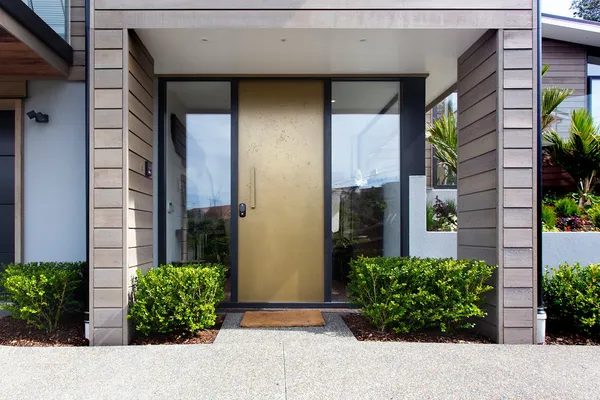
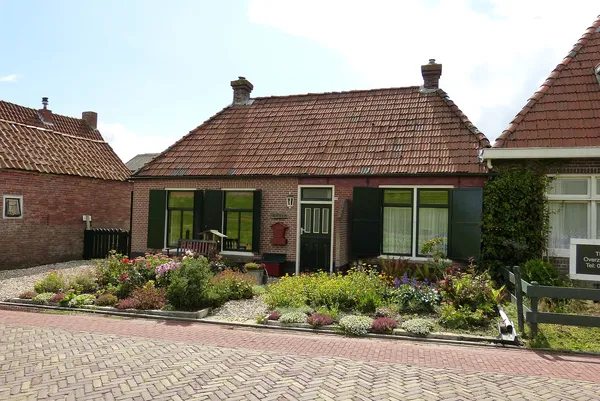
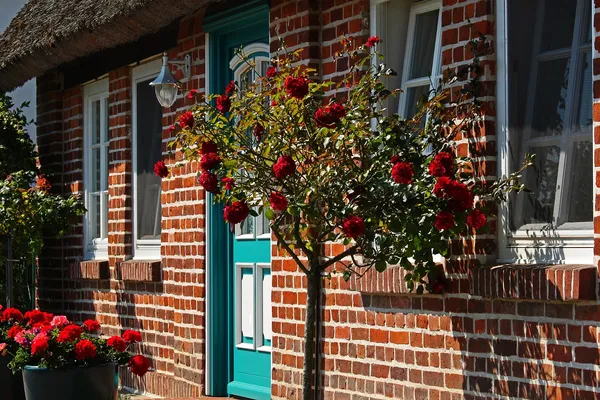
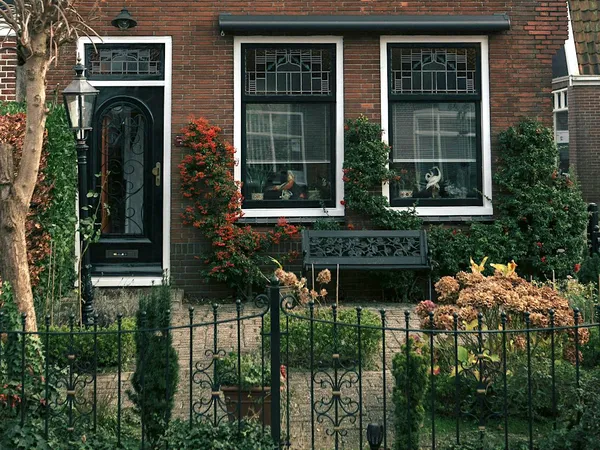
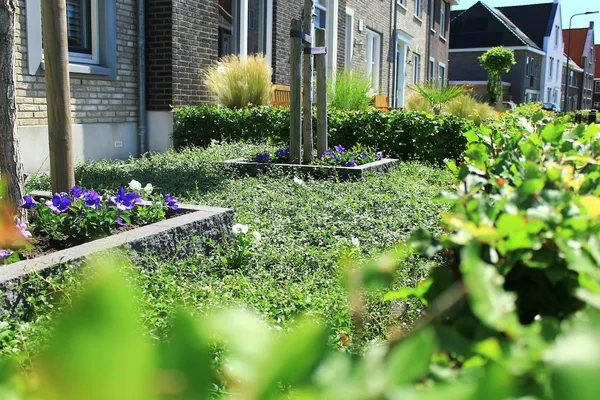
First impressions count!
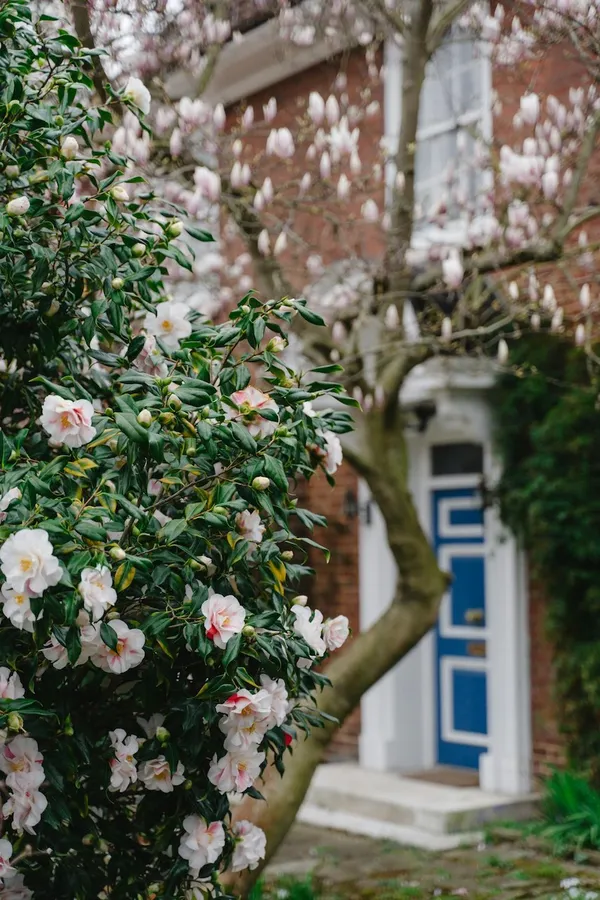
The front yard is your home’s calling card. In other words, the condition and appearance of your front yard have a major impact on your home. Keep this in mind when designing your front yard and choosing materials and plants. A front yard that requires little maintenance but still looks neat and well-kept is very nice. A garden style that matches the character and appearance of the house is absolutely perfect!
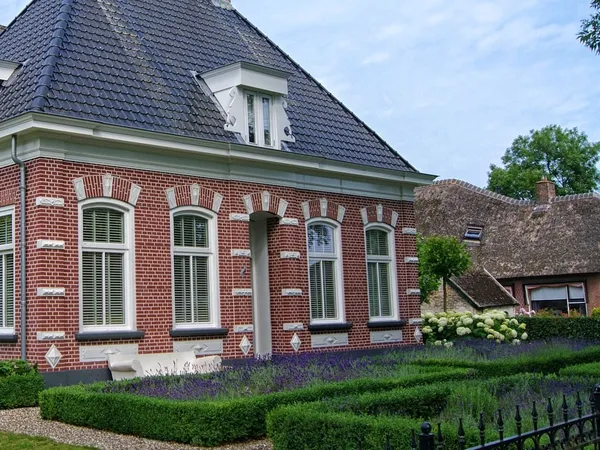
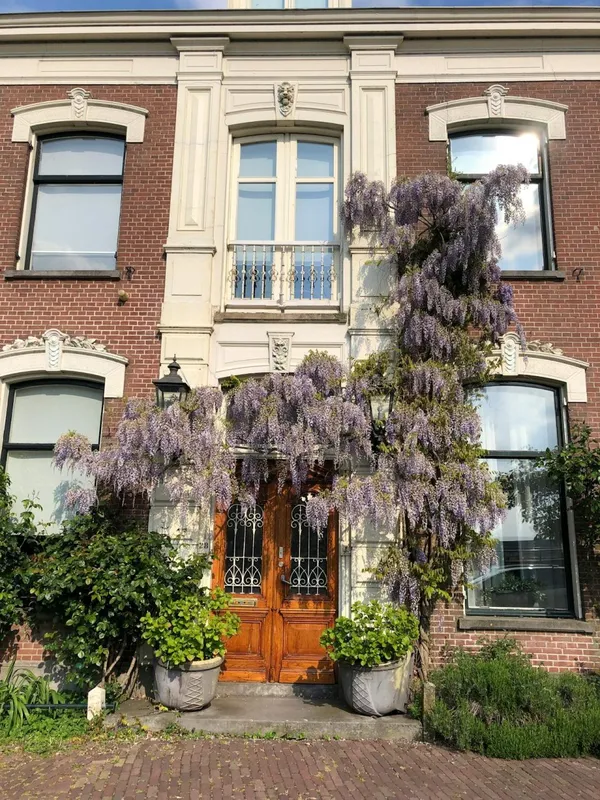
Access: to and from your front door
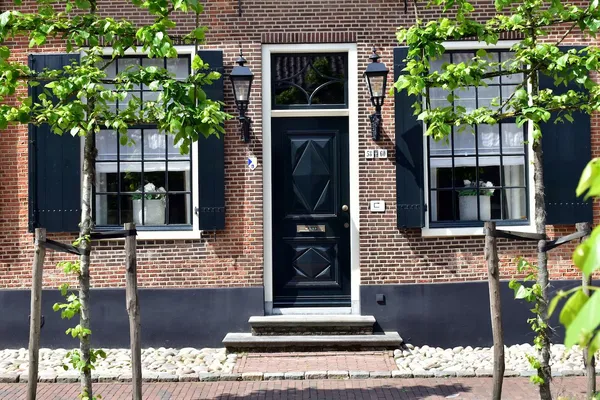
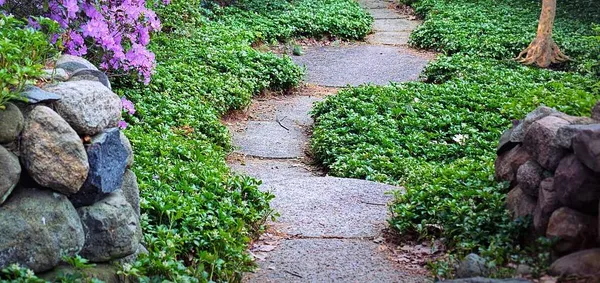
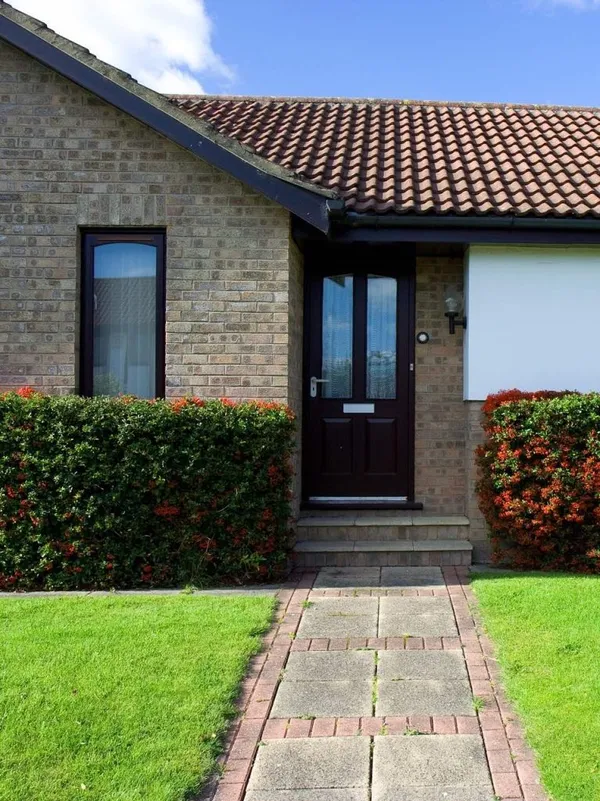
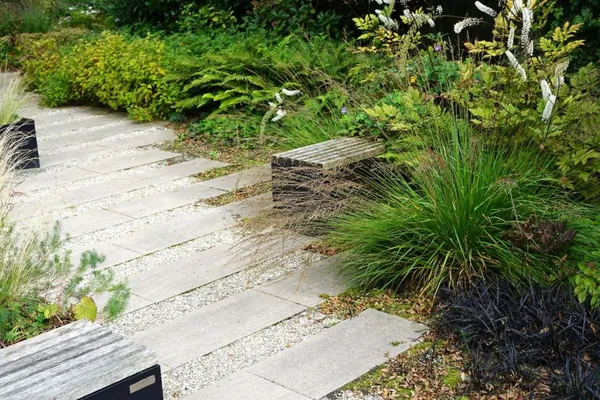
After the curb appeal and the front view, the path to the front door is perhaps the most important element of your front yard’s garden design. A clearly visible and well-maintained path to the front door provides easy, attractive, and safe access to your home.
In a front yard, it's best to choose the shortest route. If you want to deviate from this, make sure to create a designated path. This prevents people from taking shortcuts and walking through your flower beds.
It’s also very important to have a path that’s wide enough and paved. You want people to be able to easily reach your door in any season, without getting their shoes dirty.
Do you want to keep people from just walking into your yard, or do you have pets or children you'd like to keep in your yard? Then install a fence to enclose it. Or choose a fence combined with a nice, dense hedge.
Function: What do you want to use the front yard for?
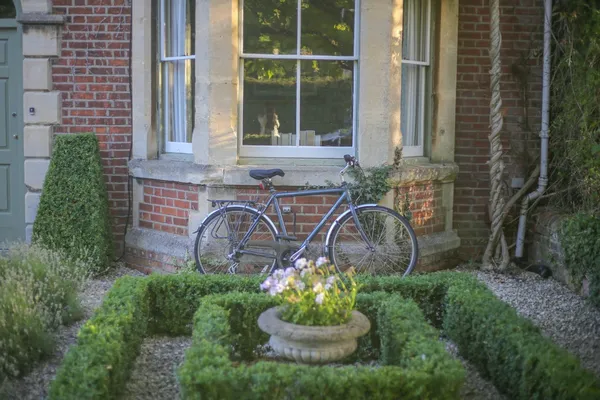
Is the purpose of your front yard simply to provide access to your front door and to offer a view from your home or the sidewalk? Or do you also need to use your front yard for storage, such as for trash cans and bicycles? Or perhaps even to park your car? Think about how much space these items require and take this into account when designing your front yard. Of course, this depends on how many trash cans you have, how many (and what kind of) bicycles you want to store, or how big your car is.
As a general guide: you’ll need about 2×1 meters of space for 3 trash cans, 2×1.5 meters for a bike shed, and 3×5 meters for a driveway. Make the main path at least 120 centimeters wide.
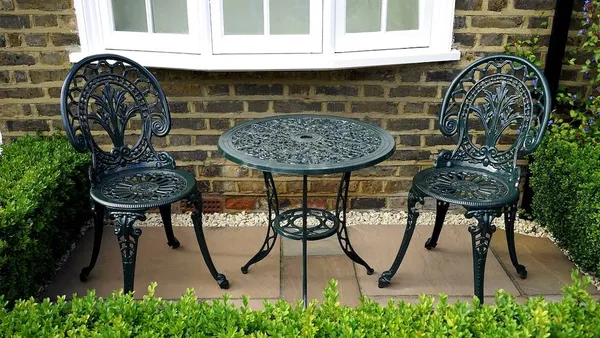
Would you like to be able to sit in your front yard as well? Then you’ll need space for a few garden chairs or a garden bench—or maybe even a small patio (a bistro set could be the perfect solution). You can also incorporate seating areas into your front yard design, such as a built-in seating area next to or on a raised flower bed.
Privacy with Greenery
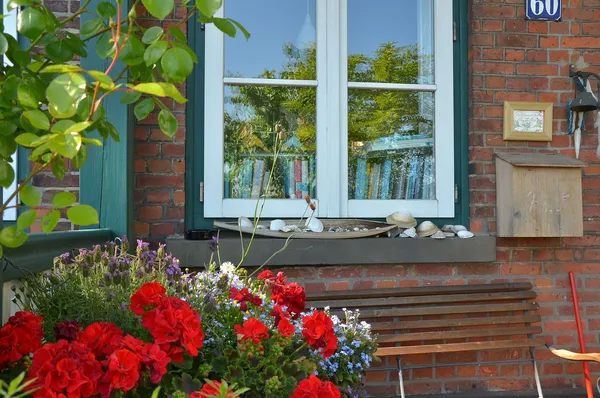
Privacy is important in the front yard. A few well-placed plants or shrubs can provide just enough privacy so that you feel less like you’re being watched inside your home (or in the yard). And let’s be honest, nobody likes being watched all day long while they’re at home, right?
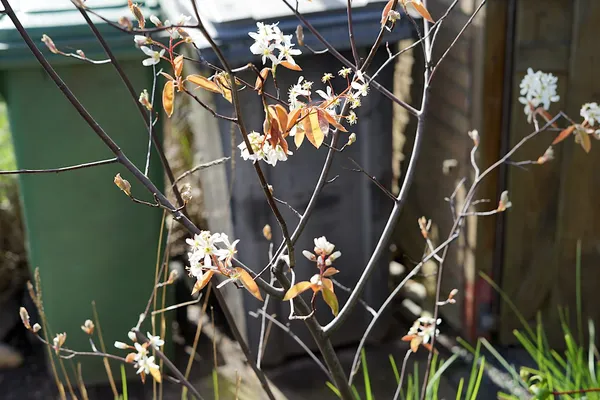
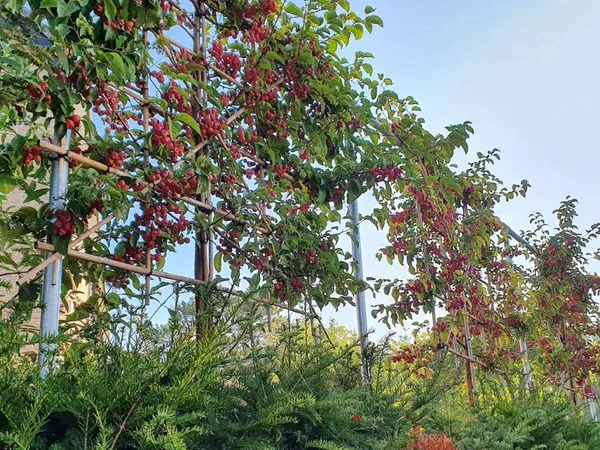
You might consider evergreen plants, shrubs, and trees, or espalier trees for privacy. But this might block more light from entering your home. This can be especially annoying in the winter. It’s precisely during this time of year that people spend much less time outdoors. So you can also make a conscious decision to plant deciduous plants.
For the best privacy, greenery at eye level is the best choice. That way, you can see outside from inside your home (for example, from the couch or at the table) through the greenery, but people walking by can’t see inside.
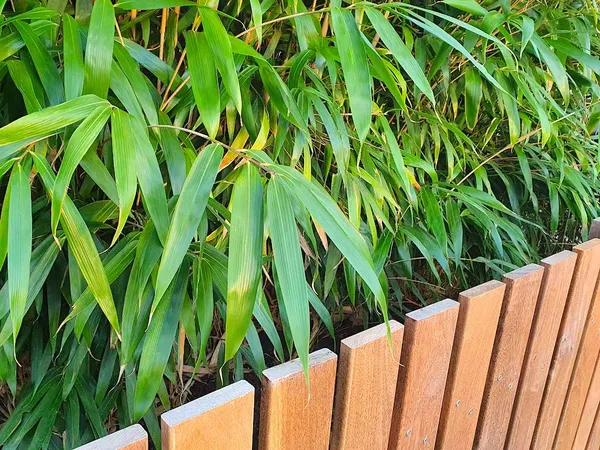
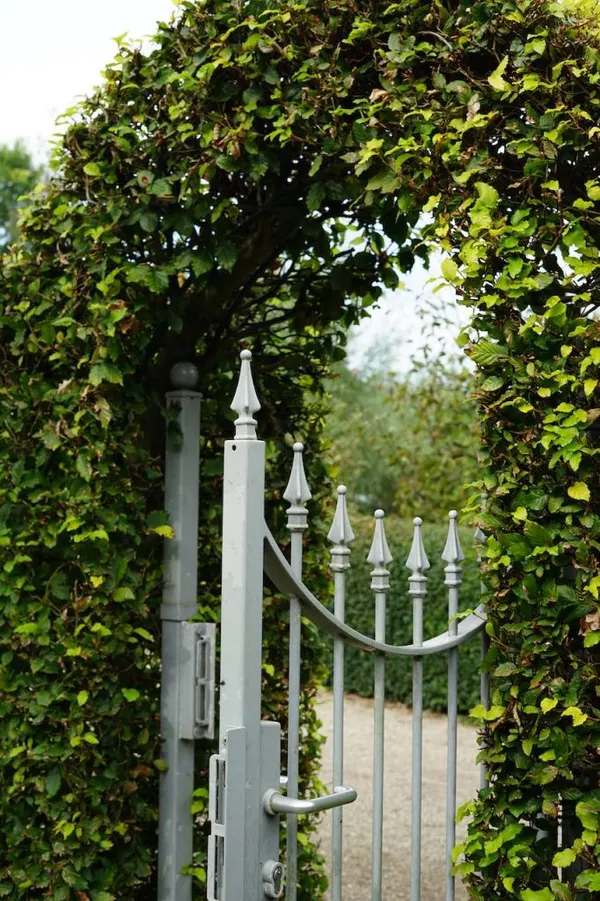
Most people also like to have some kind of boundary. While a fence is usually the choice for the backyard, people (fortunately) tend to opt for a hedge or a small gate in the front yard. A beautiful green hedge is an asset to any garden and also provides shelter and food for animals, birds, and insects. Here, too, you can choose between deciduous varieties, evergreen plants, or a combination of the two.
Be sure to check out our favorite hedge plants
Ease of Maintenance
Maybe it’s just us, but we’d rather work in our backyard than in our front yard. You just feel like you’re being watched more. Maybe you’re not always in the mood for a chat, although a little chat with the neighbors can, of course, be nice. In any case, most people prefer a front yard that doesn’t require too much maintenance. Life is already busy enough, after all! So choose low-maintenance elements and plants for your front yard. If you have the option to choose materials and plants that only need maintenance once a year, definitely go for them!
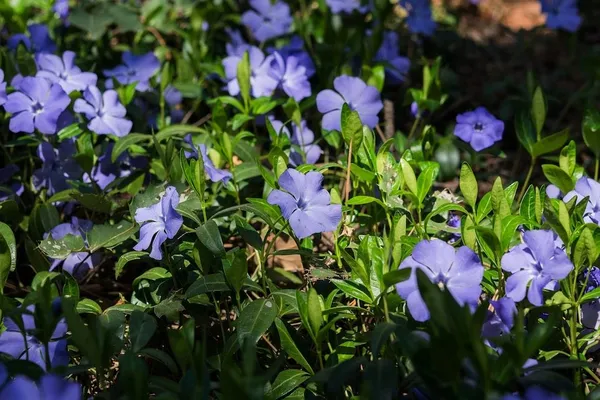
Avoid time-consuming elements such as a lawn, a pond, a neatly trimmed or fast-growing hedge, etc. It also helps to keep it simple. Don’t choose too many different types of materials and plants. Opt for hardy plants that can fend for themselves—even during droughts or in very wet conditions.
Learn more about the low-maintenance garden
Lighting for Ambience and Safety
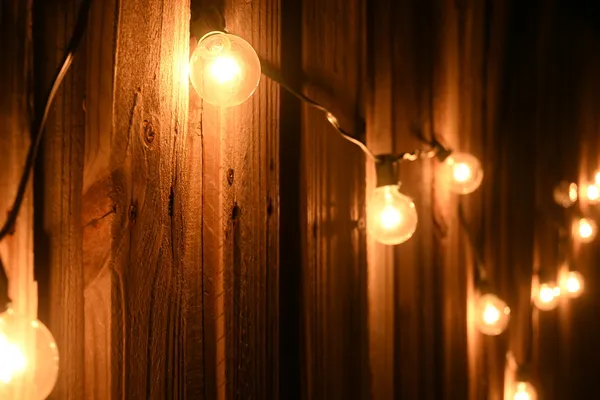
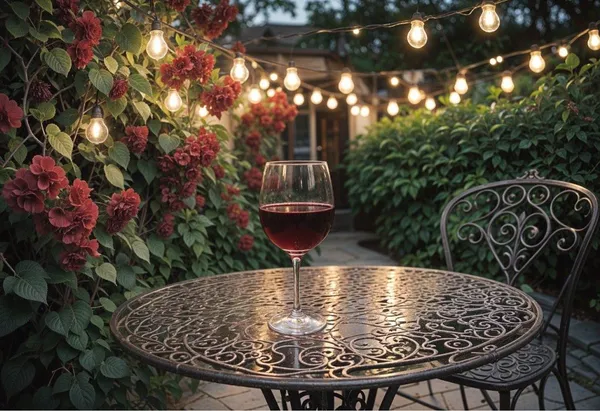
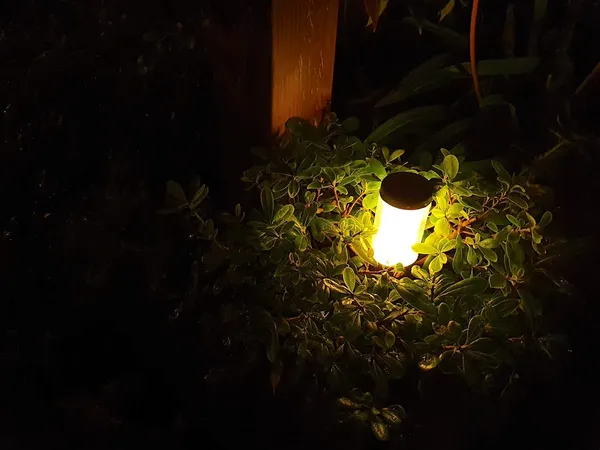
Lighting is often overlooked in front yard design. Yet a well-lit path is especially essential in the front yard. That way, you can see where the path goes even in the evening (for example, in the winter). Lighting also contributes to safety. After all, burglars are less likely to target a well-lit garden.
Lighting also creates a lot of ambiance, making your front yard stand out just a little bit when people walk by in the evening.
A Sustainable Front Yard
Sustainability and biodiversity are becoming increasingly important in garden design, including in the front yard. Here are a few tips for a sustainable front yard.
Prevent Flooding
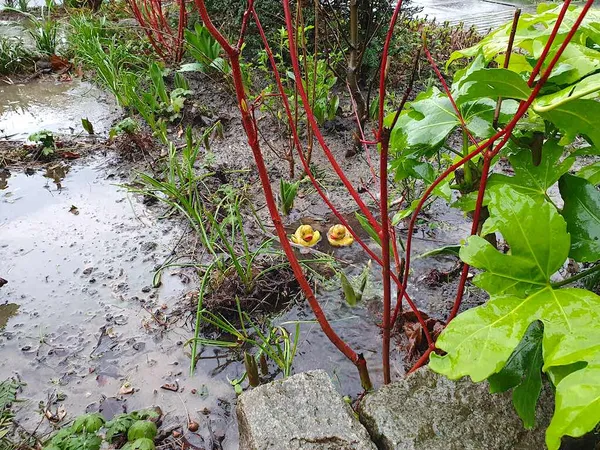
Invest in a good drainage system. Even though you might not notice it at first, nothing is as annoying as a garden that’s constantly flooded in the fall, winter, and/or spring. Especially in new developments, the soil is often very compacted, so it helps immensely to loosen and improve the soil. Add sand or gravel to improve drainage. Also consider how you want to drain the water (and where it should go). If possible, try to use less paving, or consider semi-paving.
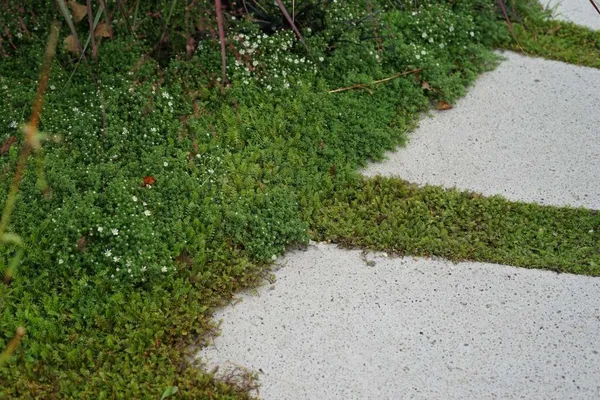
If you have a driveway in your front yard, that’s obviously a large paved area. Consider removing part of it so that you’re left with only (wide) lanes, leaving space in the middle for low-growing plants or groundcover. This makes a big difference in collecting and draining rainwater, and it looks nice, too.
Dealing with Drought
Many front yards do not have a water connection. Now that springs and summers are becoming increasingly dry, it’s becoming more and more important for plants to be able to thrive even under dry conditions. If you have a very sunny front yard, choose plants that are drought-tolerant. Keep the soil covered as much as possible (with plants or mulch) to prevent it from drying out too quickly.
Space for Animals and Insects
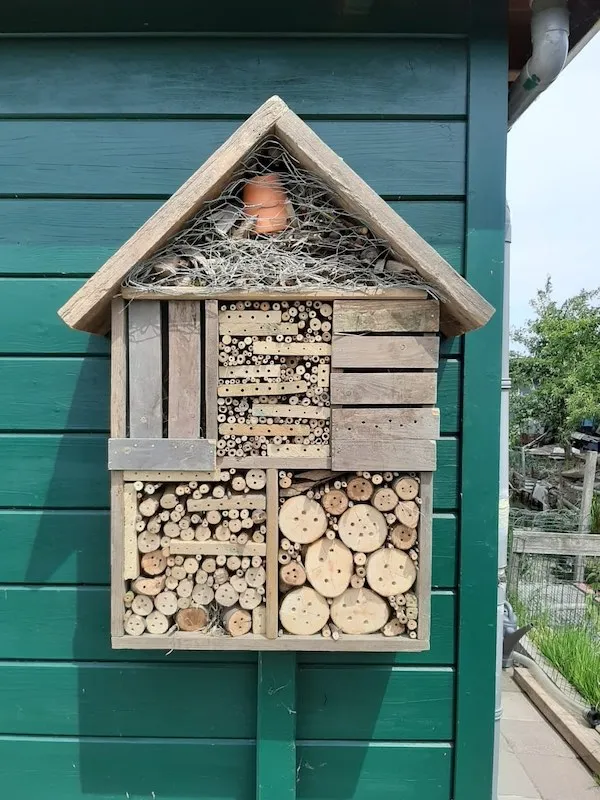
Also keep animals, birds, and insects in mind. Because front yards are often (partially) open and are used less intensively, they’re perfect for garden wildlife. You might not be a fan of a cluttered corner in your front yard, but even with modern elements, you can contribute to biodiversity. Consider a bee hotel, a dry stone wall, a woodpile, a brush pile, a willow fence, and leaving perennials in place during the winter. A small water feature would be a lovely addition.
Plants in the Front Yard: Keep It Simple
Finally: it’s time to plant! A beautiful garden design (including the front yard) naturally stands or falls on the plants. The greenery in your garden brings it to life.
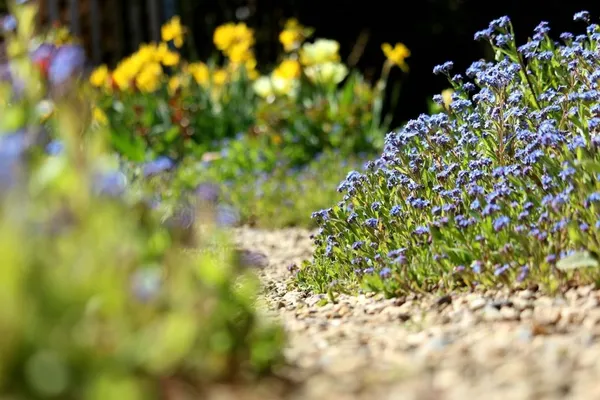
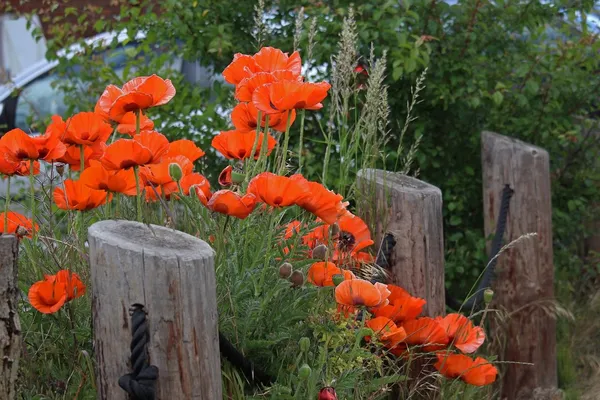
Make sure there’s something beautiful to see in your front yard every season, but limit the number of different plant varieties. A calm and neat appearance is desirable. Do vary the flower colors and shapes, as well as the leaf shapes and growth habits, to create an interesting design, and ensure there’s plenty of form and color during the colder months.
A good planting plan for the front yard is usually relatively simple and limited. For us plant lovers, this can still be quite a challenge!
Hardy and Easy-to-Grow Plants
Go for easy-to-care-for, hardy, and sturdy plants. You’ll always find that the mail carrier accidentally steps on overhanging plants, or that a visitor leans his or her bike against your plants. So plants that can take a beating are definitely a must!
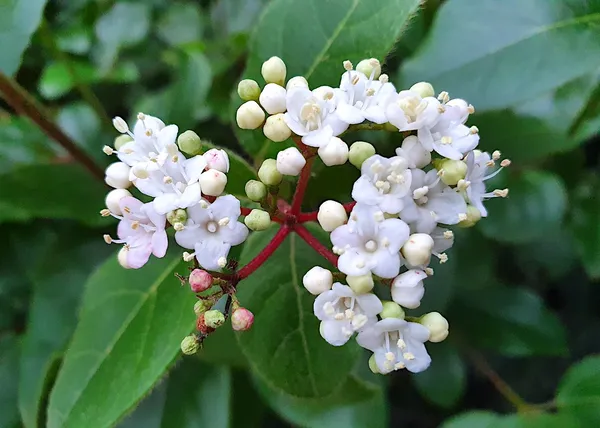
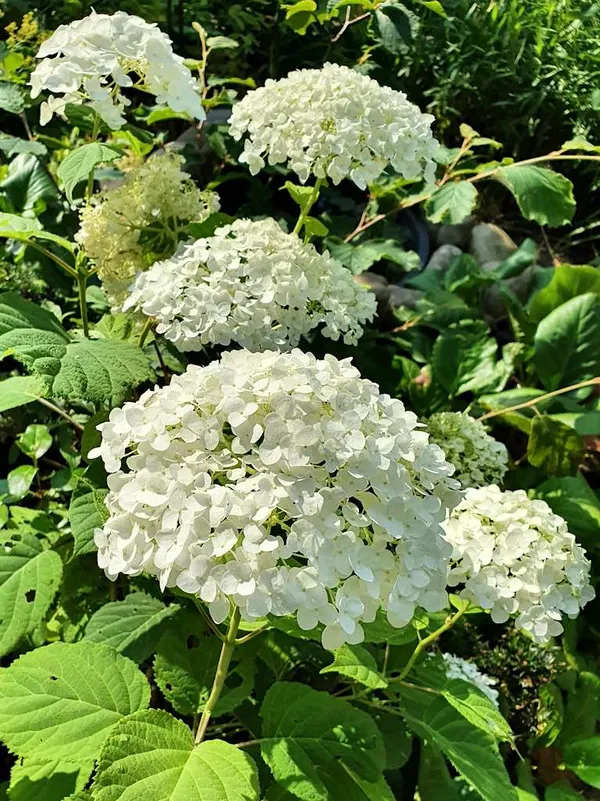
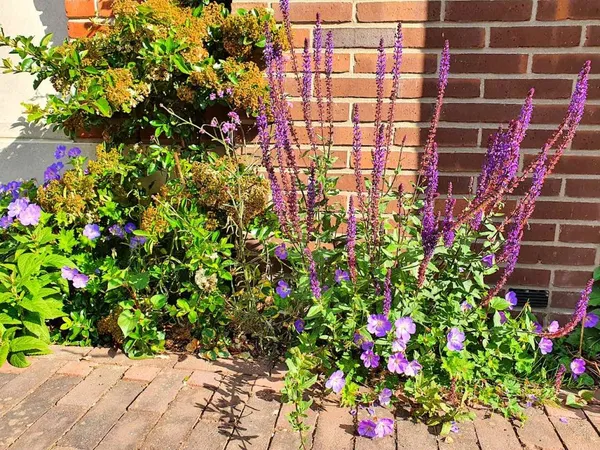
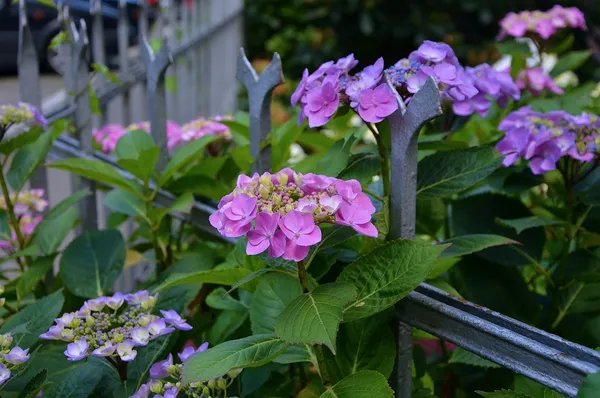
Shrubs and hedge plants are easy to maintain and add shape to your front yard year-round. Many shrubs also bloom for a long time (and beautifully). Think of hydrangeas, viburnum, and butterfly bushes. With evergreen plants, you can maintain a green structure even in winter. They serve, as it were, as a framework (or backdrop) for the other plants.
Make the most of the height
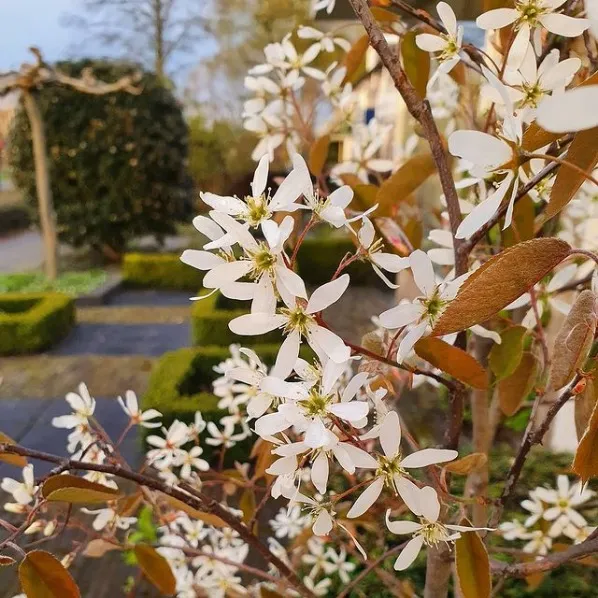
As far as we’re concerned, no garden should be without a small tree or a full-sized tree. Even if your front yard is very small or shallow, there’s always vertical space! Consider a dwarf tree, a columnar tree, a rounded tree, or a multi-trunked tree. That’s how you make the most of the vertical space in your garden design.
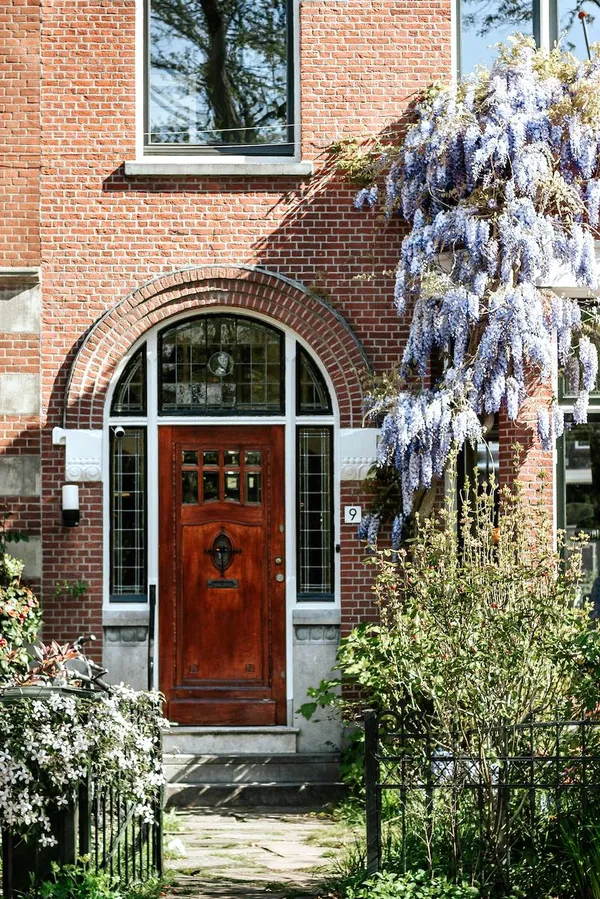
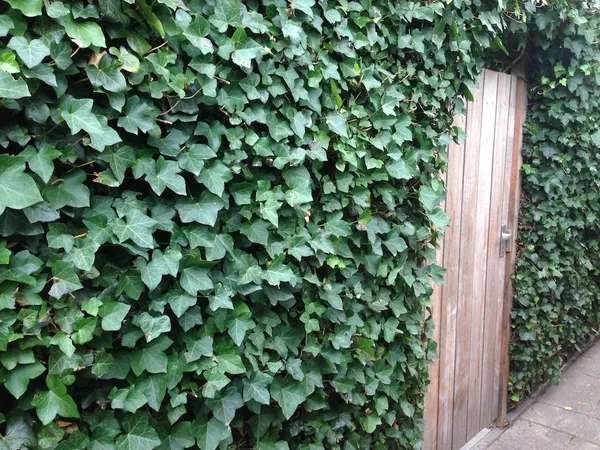
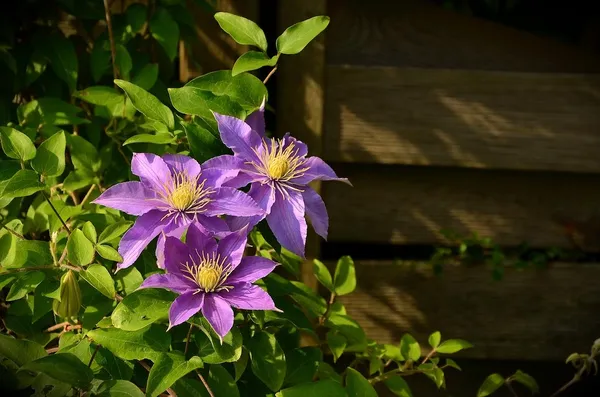
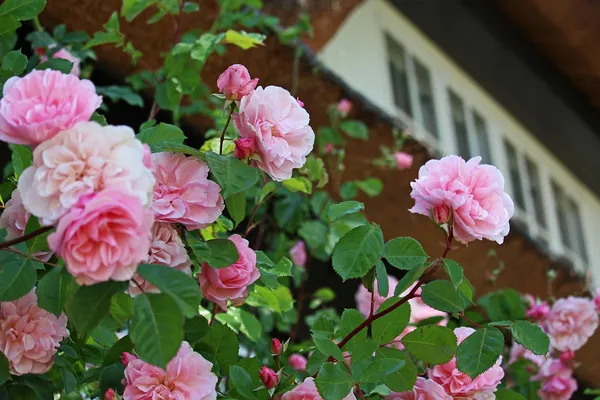
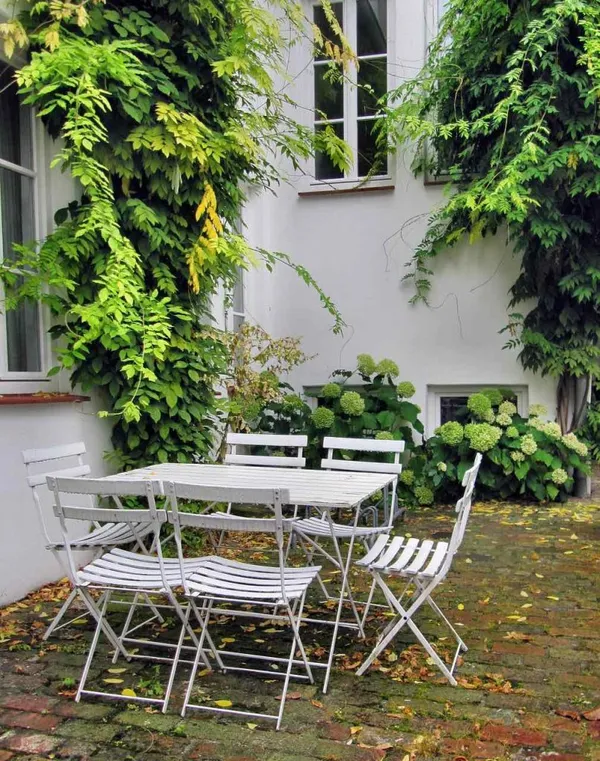
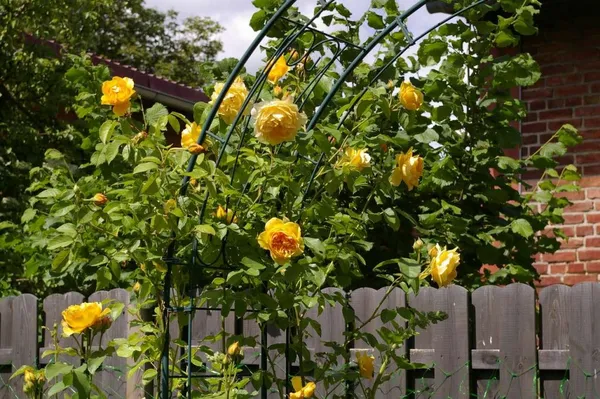
Climbing plants are also a must-have in your front yard. The exterior wall is the perfect place to let some beautiful climbing plants grow. Keep in mind, though, that some climbing plants produce adhesive roots (such as ivy and wild grapevine), which you might prefer not to have on your wall. Climbing plants such as clematis, climbing roses, firethorn, and honeysuckle are perfectly fine to use.
The Right Plant, the Right Spot
Of course, the same rule applies to planting as always: Choose the right plant for the right spot.
Find out how much sunlight your front yard gets (for example, does it face south or north?), what kind of soil you have (sandy, clay, or peat?), and whether the yard is very open or sheltered.
Design Your Own Front Yard
With these tips, you can get started right away on your own front yard garden design.
We're really curious: What does your front yard look like? Let us know, and feel free to send us photos of your front yard.
Want to learn more about garden design? Check out all our tips on the Garden Design page