Flower Bulbs That Have Finished Blooming, Such as Daffodils and Tulips: Should You Leave Them Alone or Cut Them Back?
Flower bulbs are wonderful for bringing blooms and plenty of color to the border early in the season. We wouldn’t want to be without them: snowdrops, crocuses, grape hyacinths, daffodils, ornamental onions, and, of course, tulips… But flower bulbs that have finished blooming quickly lose their appeal. The foliage of flower bulbs, in particular, becomes unsightly after blooming. That’s not surprising, since the plant is actually slowly dying off. Many people therefore cut back the foliage or the entire plant after it has finished blooming. But is this really the best approach?
Can you cut back flower bulbs after they've bloomed, or is it better to leave the foliage in place?
Flower bulbs continue to draw water and sunlight even after they’ve finished blooming. This ensures you’ll have plants that bloom beautifully again next year. That’s why it’s not a good idea to remove the foliage from flower bulbs once the plant has finished blooming. It’s often recommended to leave the foliage in place for at least another 6 weeks. Or simply let the foliage turn yellow, dry out, and die back.
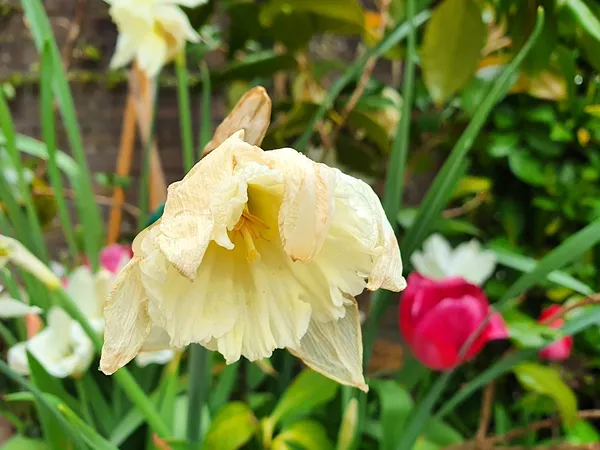
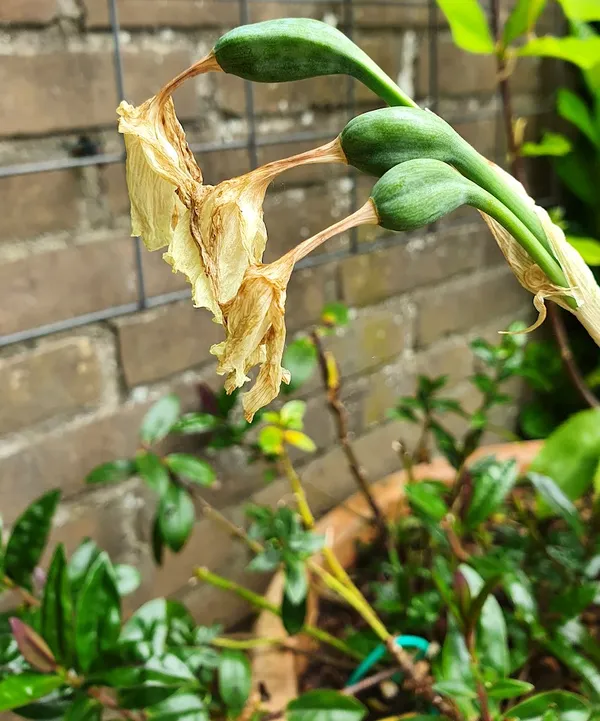
Once the flowers on your bulbs have (almost) finished blooming, remove the wilted flowers. With many varieties, you can simply snap them off. This prevents the plant from expending energy on seed production. That way, all the energy can be directed toward growth (and flowering) the following year.
Leaves of Snowdrops, Crocuses, and Anemones
You can simply leave flower bulbs such as snowdrops (Galanthus), crocuses (Crocus), and anemones (Anemone) in the ground. The foliage of these bulbs dies back fairly quickly.
Leaves of Daffodils, Alliums, and Tulips
The foliage of flower bulbs such as daffodils (Narcissus), ornamental onions (Allium), and tulips (Tulipa) remains visible for a long time. This foliage can quickly lose its appeal. Especially Ornamental onions quickly develop yellow leaves. We can imagine that you might want to cut off the leaves. However, we don't recommend doing that. Be sure to leave the leaves on for as long as possible (this nourishes the bulb for next year).
When it comes to tulips, we still distinguish between botanical tulips (and a few hardy tulip varieties that return every year) and tulips that are less suitable for replanting. Many tulips bloom poorly, produce smaller flowers, or sometimes don't bloom at all in their second year. So you could prune the foliage of these tulips, or you could remove them from your garden after they've bloomed.
How do you keep the unsightly foliage of spent flower bulbs out of sight?
Full flower beds
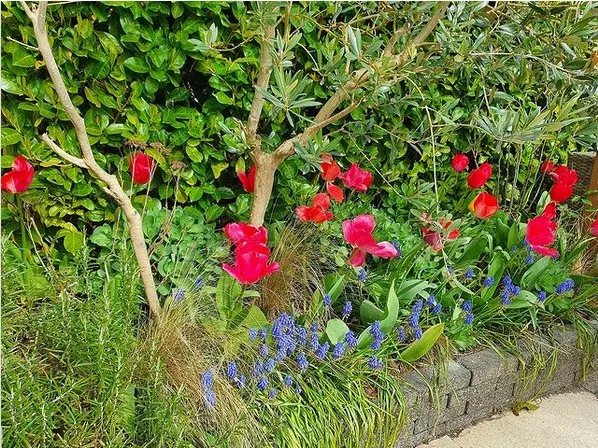
The easiest way is to make sure you have enough other plants in your border. That way, the dying foliage won’t stand out—or hardly at all. Plus, with good ground cover, you’ll have far fewer weeds.
Dig Up Flower Bulbs That Have Finished Blooming
Another option is to dig up the flower bulbs and plant them in a pot. You can then place these pots in a less visible spot in your garden.
The Article on Braiding Flower Bulbs
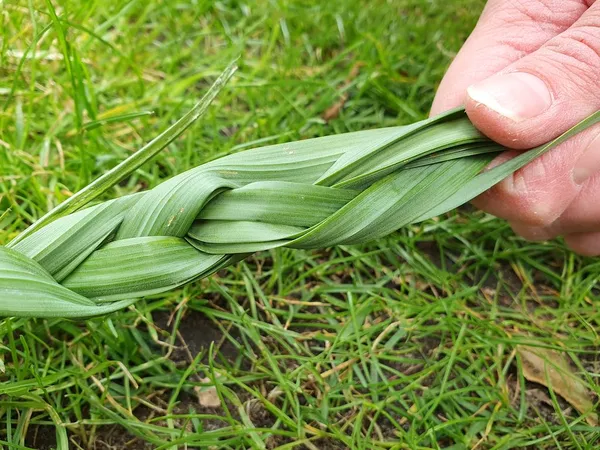
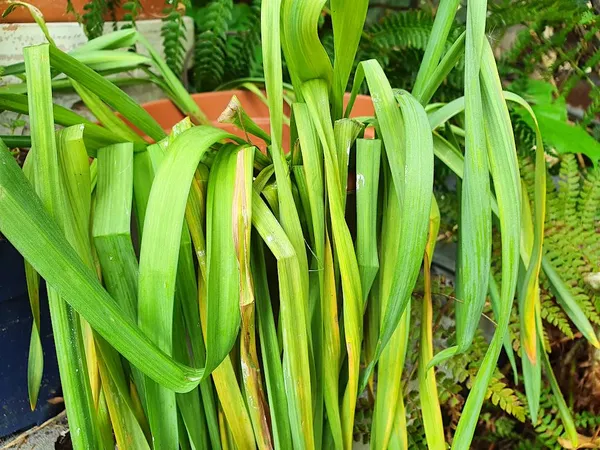
A more creative solution is to braid the old leaves or tie them into bundles and lay them on the ground that way. This makes them less noticeable among the other plants, but it actually looks really nice, too!