
Feeding Birds in the Fall: How to Help Them Get Through the Winter
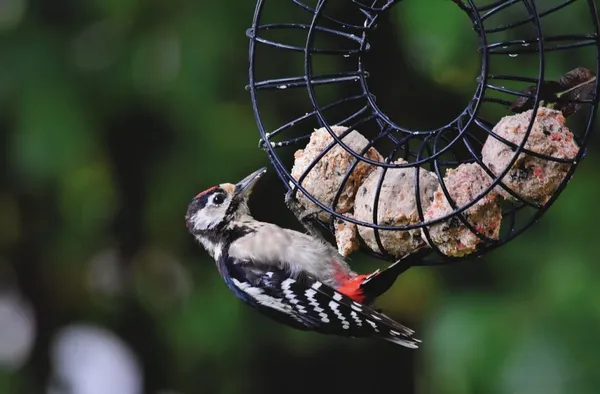
As the days grow shorter and the temperature drops, many changes take place in nature. A challenging time lies ahead for birds: the food supply in the fall and winter decreases significantly. By providing supplemental food during this time, you can help garden birds and enjoy their cheerful presence at the same time.
Why feed birds in the fall?
In the fall, birds prepare for winter. They build up fat reserves to survive the cold months. Insects are scarce at that time of year, and berries and seeds are also slowly running out. By providing extra food, you help birds stay strong and healthy. In addition, many migratory birds find gardens with food to be a welcome stopover along their journey.
What can you feed them in the fall?
In the fall and winter, birds especially need high-energy, high-fat food. Good choices include:
- Sunflower seeds: a favorite among titmice, finches, and sparrows.
- Peanuts (unsalted, unroasted!): a high-calorie snack.
- Suet balls or bird peanut butter: ideal for great tits, robins, and woodpeckers.
- Apple pieces and raisins: a favorite of blackbirds and thrushes.
- Grains and Seeds: attract many different species.
Always avoid foods containing salt, such as salted peanuts or bread. These are bad for birds.
Discounted birdseed
Use the discount code BirdFoodOnline10 Visit Vogelvoeronline.nl and get 10% off your entire order!
Nutritional Needs by Season
It's good to know that birds don't need the same food all year round. Their diet changes with the seasons:
- Winter – High in fat and energy (suet balls, peanuts, peanut butter for birds).
- Spring – High in protein to support the growth of young birds (mealworms, small seeds, nuts). Avoid large, hard pieces such as whole peanuts, as young birds can choke on them.
- Summer – Light and nutritious (scatter feed, seed mix, insects).
- Fall – Preparing for winter, so fatty foods and grains.
By keeping this in mind, you'll be helping birds not only in the fall, but all year round.
Tips: The Location
The location of the food is just as important as the food itself. Choose a quiet, sheltered spot where birds feel safe. For example, hang suet balls in bushes or trees, and use feeding tables for seeds or fruit. Don’t place the table too low, so as not to give cats a chance.
Additional Tips
- Keeping It Clean: Clean feeding tables and silos regularly to prevent disease.
- Fresh water: In addition to food, provide a bowl of water for drinking and bathing.
- Variation: Different types of food also attract different birds.
Enjoying Life in the Garden
By feeding birds in the fall, you help increase their chances of survival and bring life and joy to your garden. It’s not only helpful, but also relaxing and inspiring to see how many different species visit your garden.
Want to learn more about feeding birds? Check out our handy guide on what each bird eats!