
Fall is the best time for planting and transplanting
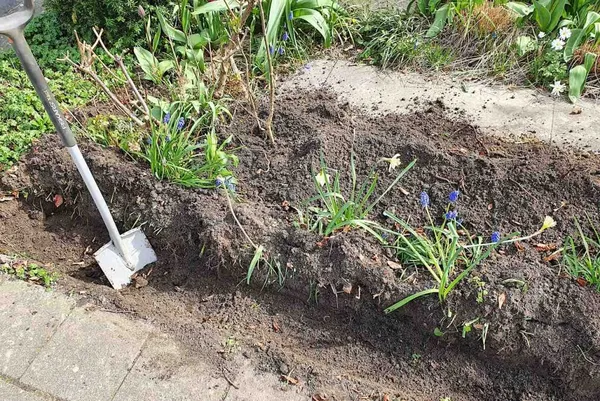
The best time to plant is in the spring… right?
Spring is usually considered the best time for planting new plants. For most plants, spring is certainly a great time to plant as well.
Nevertheless, we are increasingly facing long periods of drought in the spring and high temperatures. It is very difficult for new plantings to establish themselves properly under such conditions, because the root system is usually not yet large or strong enough to find sufficient water for the plant. This increases the risk of plant loss. Of course, this is relatively easy to solve by watering new plantings generously (several times) each week. This can amount to as much as 20 liters of water per meter, or even up to 40 liters for a larger tree or shrub. During droughts, it will most likely be necessary to water several times a week.
What is the advantage of planting and transplanting in the fall?
In the fall, drought is usually not a problem. The soil is still warm (especially in early fall), and in most years there is (more than) enough rain for plants to establish themselves well. It’s true that perennials will soon die back above ground, and shrubs and trees will lose their leaves or have already lost them. However, this has no adverse effect on the plants. In fact, it actually makes it a bit easier for them to establish themselves, since all their energy can go toward root development. As soon as the temperature drops, root development and establishment will temporarily come to a halt. Once the temperature rises again, this process will resume. As a result, the plant already has a head start over the plants you would plant next spring.
Fall: Perfect for transplanting trees, shrubs, and plants
Fall is therefore the perfect time for planting new trees, shrubs, and plants, as well as for transplanting (moving) existing ones. For that same reason, the chances of success are very high. If you’re unable to plant the plant in its new spot right away, thoroughly wet the roots or root ball and wrap it in a sealed plastic bag (such as a black trash bag). This will prevent the roots from drying out too quickly and ensure the plant or tree survives. You can also temporarily store the plants in a sand bed (by placing the roots or root ball in a bed of sand or garden soil until you are ready to transplant or plant them).
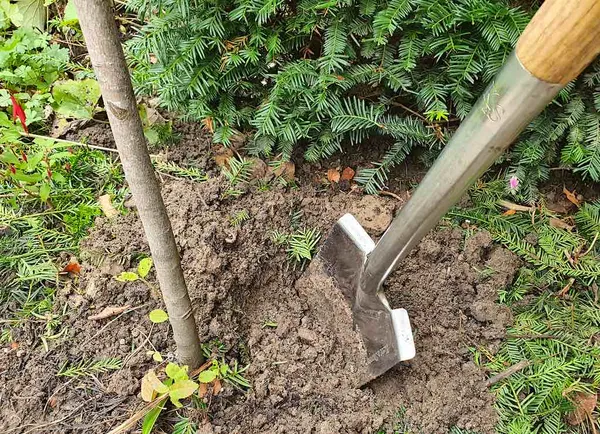
Selling Plants Yourself
In the fall, it's also especially easy to get garden plants from others at a great price and transplant them. On Marktplanten.nl – Marketplace for Garden Plants, for example, you can post a free ad for your plants. This makes it quick and easy to offer your old plants, your own cuttings, or plants that no longer have a place in your garden. You can sell them for a good price, give them away for free, or let interested buyers place bids.
Are you going too? sell plants yourself And do you make other gardening enthusiasts happy with your (old) plants or cuttings you've grown yourself?