
Expert Garden Design Tips: A Design and Planting Plan That Fits Your Garden and Style!
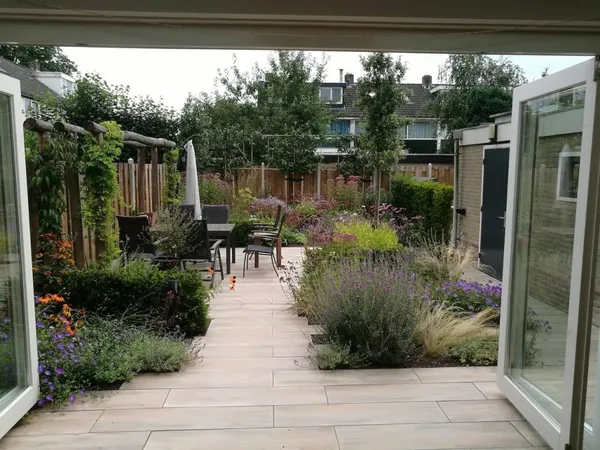
Who better than a landscape designer to offer tips on designing a small garden? In this section, we feature well-known and successful landscape designers. They share expert tips for a great design and a beautiful garden.
Here are some tips from garden and landscape designer Alexander Bijl of De Tuinregiseurs. The garden and landscape design firm is based in Dalfsen but operates nationwide. A garden design for an edible urban garden was previously featured in vtwonen.
10 Expert Tips for Designing a Small Garden
1. To measure is to know
Good garden design starts with a solid foundation. So be sure to measure all the elements you plan to keep accurately. Measure the windows and doors, the lot boundaries, any storage sheds, etc. Also, be sure to measure any differences in elevation carefully, as this affects water drainage and/or the placement of stairs in the garden.
2. What purpose should the garden serve?
Consider, for example, the term “child-friendly”—what does that mean to you?
Do you enjoy working in the garden, or would you rather relax? Do you have pets that use the garden? Maybe you even grow and harvest food from your own garden—vegetables, edible flowers, fruit, and the like—or have a little vegetable garden for the kids?
3. Mood Board
Create a mood board showing the atmosphere and style that appeal to you. Show which type of paving you prefer, as well as your preferences for plants and colors. Do you want fragrant plants, or not? Do you want butterflies, birds, and bees, or not?
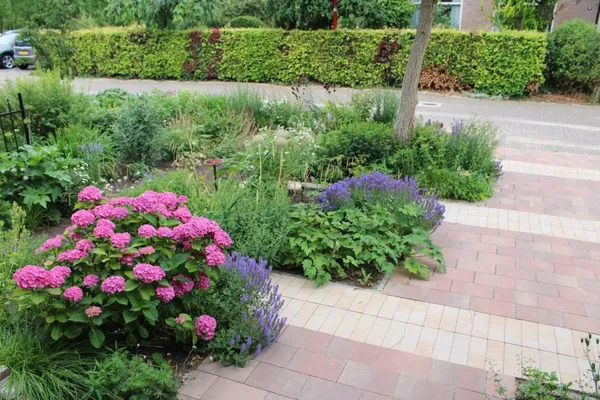
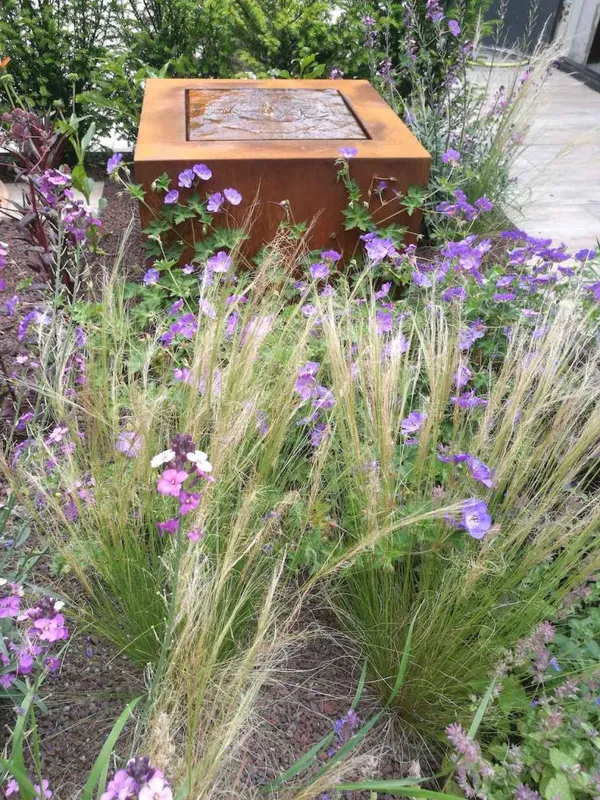
Photos: G. Hamoen and De Tuinregiseurs
4. What kind of patio furniture?
Will you be putting in just a dining table, a lounge set, or both? How many people need to be able to use it? In a small yard, outdoor furniture takes up a relatively large amount of space and often defines the look of the space.
5. A view of plants or furniture?
What do you want to see? Your patio furniture or your plants? Many people are constantly looking at their patio furniture. Move it out of sight from inside the house.
6. Shade or sun?
Where do you prefer to sit? In the sun or in the shade? Keep in mind that eating outside in the sun isn’t recommended. A nice, fresh salad will go bad in no time if it sits in the sun for 10 minutes. At what times and on what days is the garden used the most?
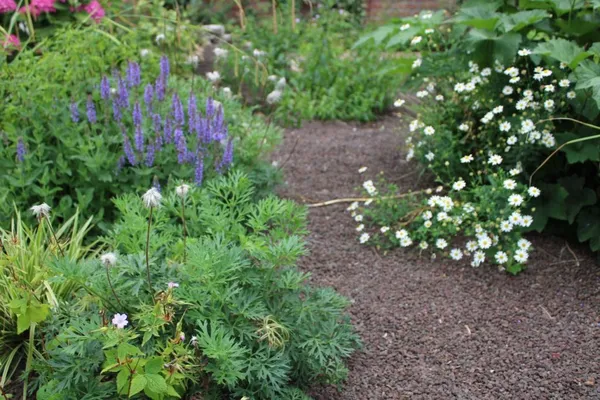
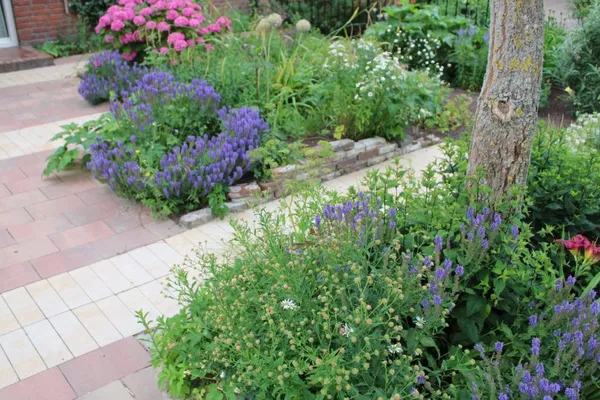
Photos: G. Hamoen
7. Maintenance Time
Consider how much time and energy you have to devote to maintaining your garden. Want a garden full of flowers that requires little work? It’s possible with the right plants and preparation. Consider, for example, planting the plants in lava substrate; prairie grass. The advantages of this are:
- Little or no weed growth.
- Less soil drying out, so less watering.
- Little or no problem with snails.
- The soil stays warmer, and perennials sprout earlier in the spring.
8. Up High
A small garden can be quite tall. So make the most of that space. Build a pergola where you can let climbing plants grow over it—or plant garden beans, blackberries, evergreen clematis, or white rain—in short, there are many possibilities.
9. Planting
A garden isn’t really a garden without the right plants. A small garden doesn’t have much space for a lot of plants. So it’s important that you use those few plants to enhance the atmosphere and style of the garden design. Consider evergreen plants, such as a small multi-stemmed tree for birds like the serviceberry, which offers beautiful flowers in the spring, berries for birds in the fall, and stunning fall colors. Or an evergreen tree like the strawberry tree.
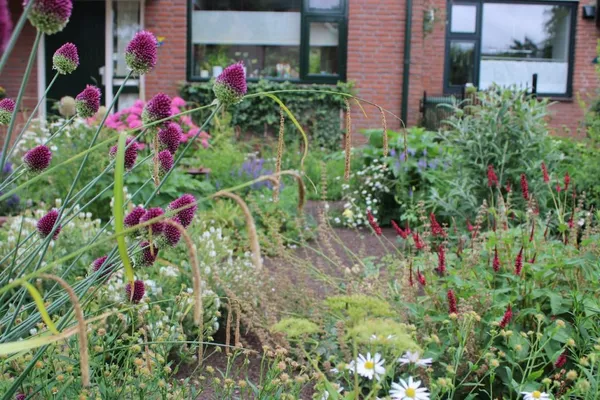
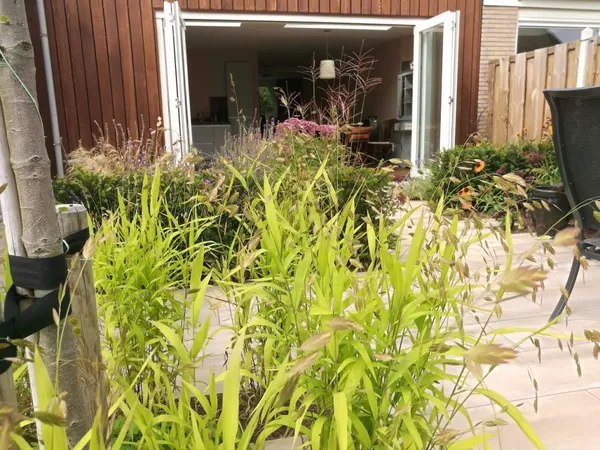
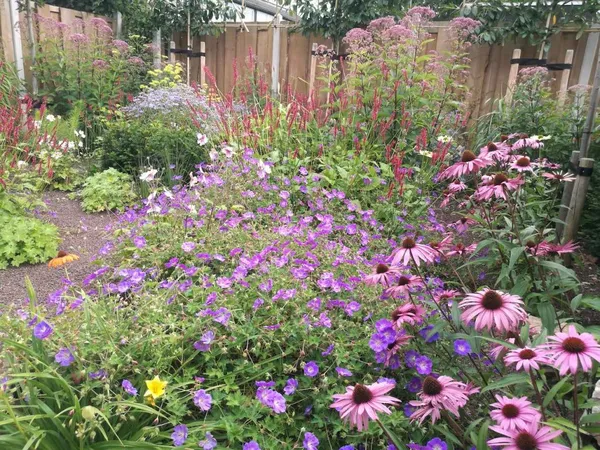
A good planting plan is even more important than the choice of materials when it comes to bringing a garden design to life. What I mean is that it doesn’t all have to be ceramic tiles costing 100 euros per square meter. Concrete tiles costing 30 euros per square meter are just as comfortable to sit and walk on. It’s better to invest in plants than in expensive building materials. Plus, in the long run, building materials are easier to replace than plants.
10. Budget
And last but not least, you need to factor in the budget right from the start of the design process. Curved shapes are more expensive to build. Raised borders cost more than borders at ground level. High-quality materials are expensive, but cheap materials that you’ll have to replace in 5–10 years won’t make you happy either and will ultimately end up costing more. Set a realistic budget. For some, that’s 5,000 euros; for others, it’s 25,000 euros. But you won’t be able to get ceramic tiles, outdoor lighting, a new fence, and a covered area with an outdoor kitchen for 5,000 euros—not even if you do the work yourself. Keep in mind an average 50/50 ratio of labor to materials. The higher the quality of the materials, the less labor is required proportionally. That’s because laying a ceramic tile takes just as much time as laying a concrete tile—only the preparation of the subfloor is different. But you’ll need to research this thoroughly and seek professional advice.
A Successful Garden Design
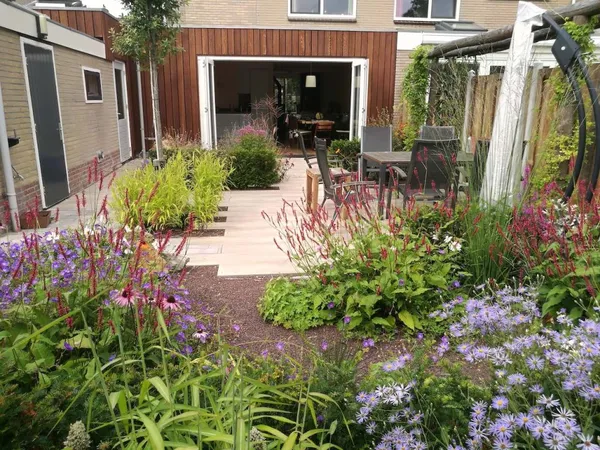
We’d like to show you two successful garden designs by the Tuinregiseurs: A colorful yet low-maintenance 77-square-meter front yard in Nieuwegein (see also the planting plan above) and a future-proof 105-square-meter family garden in Zwolle.
You can find more garden designs and information at DeTuinregiseurs.nl
Low-maintenance front yard
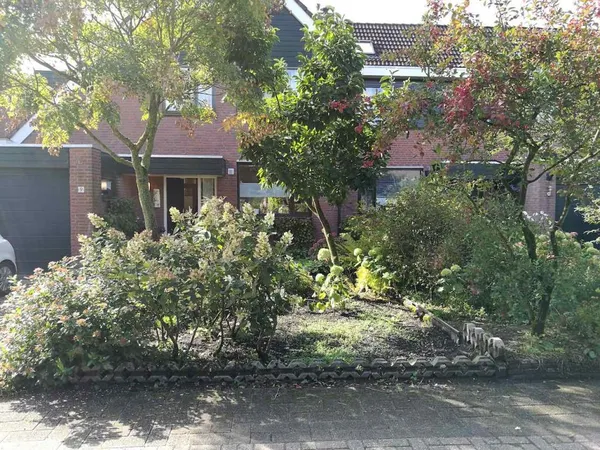
For…
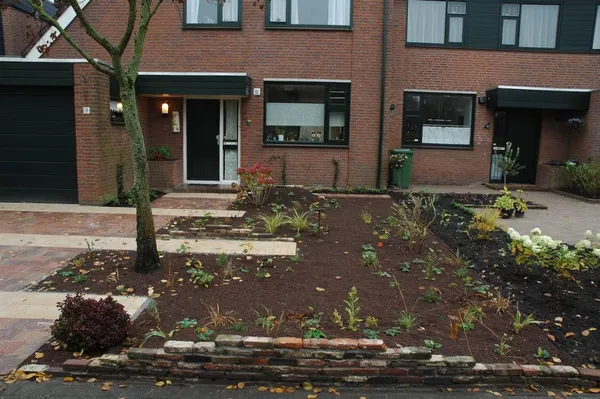
during planting…
and after completion!
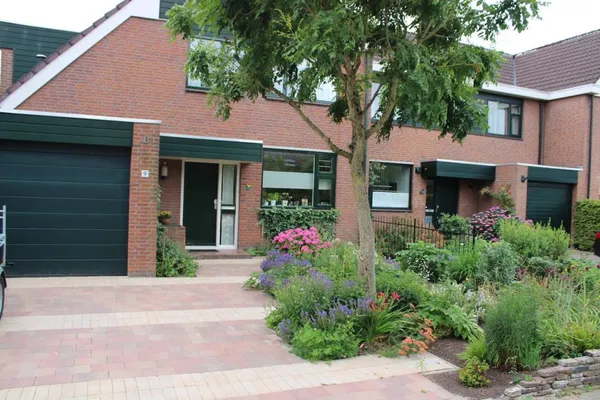
The result
Photos: G. Hamoen
A Future-Proof Family Garden
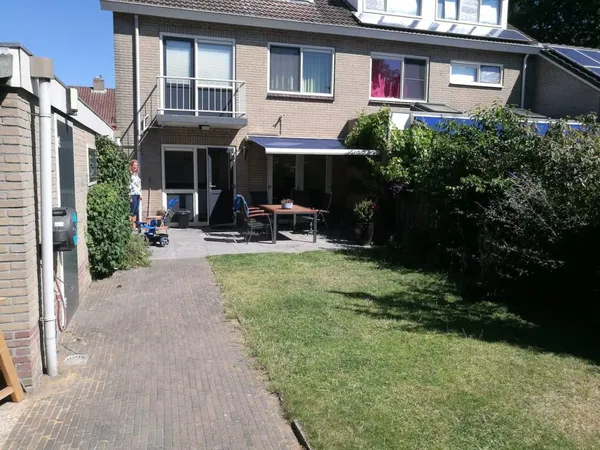
For…
and after completion!
The result is impressive!
Photos: The Garden Directors