
Everything About Dahlia Varieties and Care
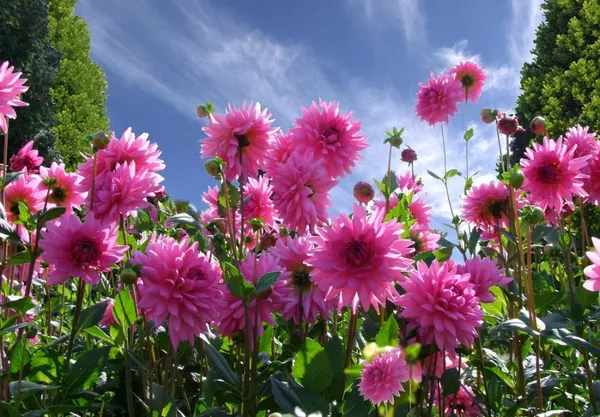
Dahlias are (once again) incredibly popular. That makes sense, because they’re beautiful, large, and eye-catching flowers that you can enjoy all summer long! There are countless varieties of dahlias, ranging from single-flowered varieties with a more natural look to large, double-filled flowers in vibrant colors.
Unfortunately, dahlias aren’t very hardy. They require a little extra care if you want to enjoy them for several years. Still, as far as we’re concerned, it’s definitely worth the effort! With the right care, you can have more and more of these beautiful plants in your garden over the years.
In any case, we love dahlias and wouldn't want to be without them!
Dahlias in the flower bed
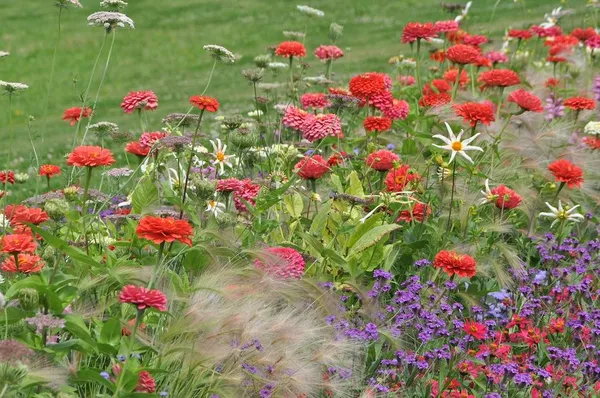
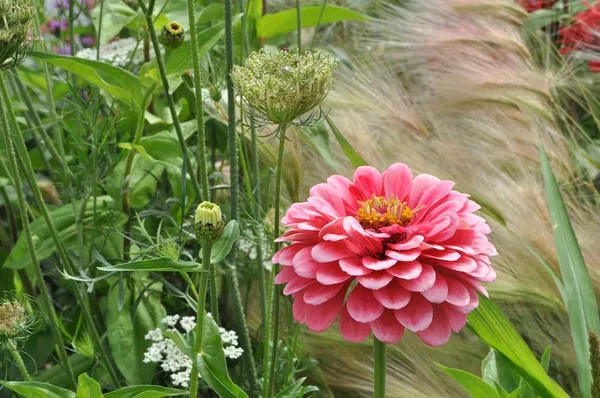
In the summer, dahlias are the stars of the show. They bloom from July (sometimes June) until the first frost. Their large, striking flowers add a splash of color and an exotic touch to your flower bed. Because there are so many varieties of dahlias, each with a completely different look, you can combine them with many other plants. For example, with ornamental grasses or perennials such as Salvia, Agastache, Nepeta, Verbena, Crocosmia, Achillea, and Persicaria. A color-themed border is also a great option, or an exotic border…
Keep in mind that dahlias can’t be planted in the ground until May. Before then, you’ll likely end up with a gap in your flower bed. To fill it, you could consider planting tulips, for example. These will have finished blooming by the time the dahlias are planted or start to emerge.
Dahlia Varieties in a Pot or Container
Even if you don’t have a garden (or space to plant in the ground), you can plant dahlias in a pot or container. Many dahlia varieties grow well in pots. It’s best to choose a variety that doesn’t grow too large, though. Usually, one dahlia tuber is enough. It will grow quite a bit and quickly fill the entire pot.
Dahlia plants grown in pots or containers do require extra care. Make sure the soil is well-draining and water generously during the growing season. However, don’t let water stand in the soil. Feed potted dahlias weekly with (liquid) plant food. That way, you can enjoy their abundant blooms and colorful flowers even on a patio, balcony, or rooftop terrace.
Dahlias as cut flowers
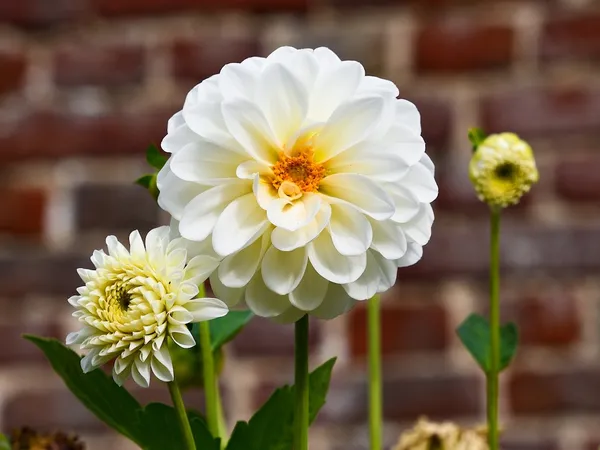
The large, eye-catching flowers and the wide variety of shapes and colors make dahlias ideal as cut flowers. If you have some extra space somewhere in your garden (in a sunny spot), it’s worth considering growing dahlias there specifically for cutting. You’ll be growing them for their yield and picking them when they’re at their best. For that reason, it’s best not to do this in a border that’s very visible in your small garden, because the empty space will stand out even more after you’ve picked the flowers.
Dahlias can be used as cut flowers for a long time, since they bloom from summer until the first frost. Depending on the variety you choose, they can be a graceful addition to your bouquet or floral arrangement—or they can be the star of the show!
A lovely combination is a pick-your-own garden with dahlias and annual flowers such as cosmos, lathyrus, zinnia, or (the seeds of) poppies. That way, you can create the most beautiful bouquets right from your own garden!
Dahlia Varieties and Groups
There are many different types of dahlias and even more cultivars. Dahlias are classified into groups based on their flower structure.
Single-Flowered Dahlias
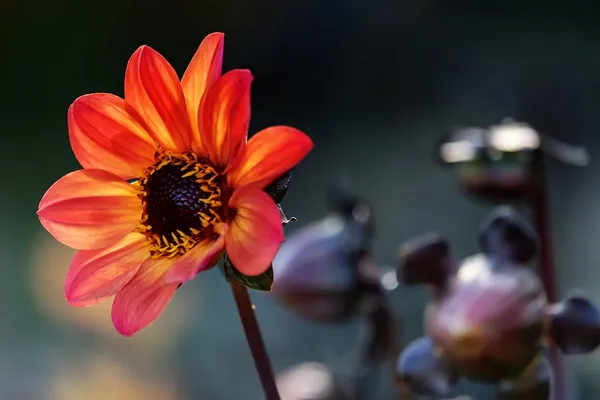
The single-flowered dahlia resembles the original dahlias from Mexico, with a fairly natural appearance—especially when compared to other dahlia varieties. The dahlias in this group have a single ring of petals surrounding a clearly visible open center. Top Mix dahlias and Mignon dahlias also belong to this group.
Peony-Flowered Dahlias
The flowers of peony-flowered dahlias have an open center, but they are not single-flowered. Compared to single-flowered dahlias, they have a second row of petals.
Anemone-flowered Dahlias
The center of the anemone-flowered dahlia is filled with rolled-up or curled petals.
Ornamental Dahlias
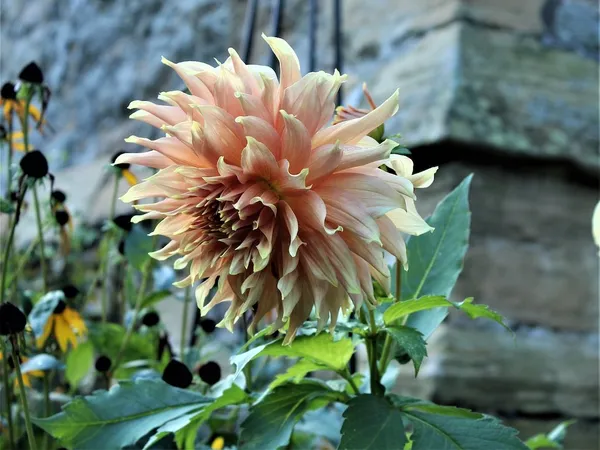
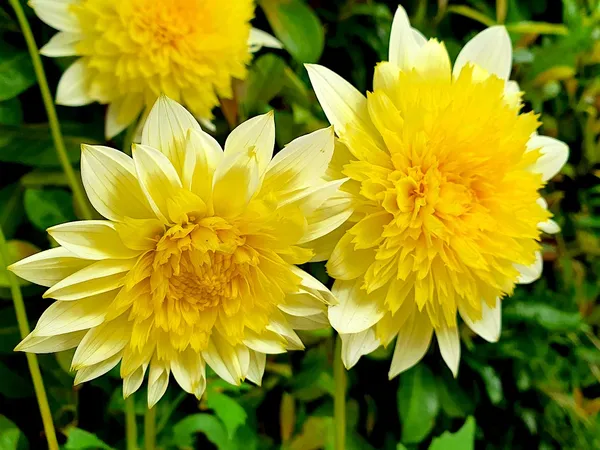
The flowers of ornamental dahlias are fully double and have broad petals. The edges of the petals curve slightly inward. Many ornamental dahlias can grow quite tall (up to 2 meters). These dahlias were created by crossing cactus dahlias and peony-flowered dahlias.
Water Lily Dahlias
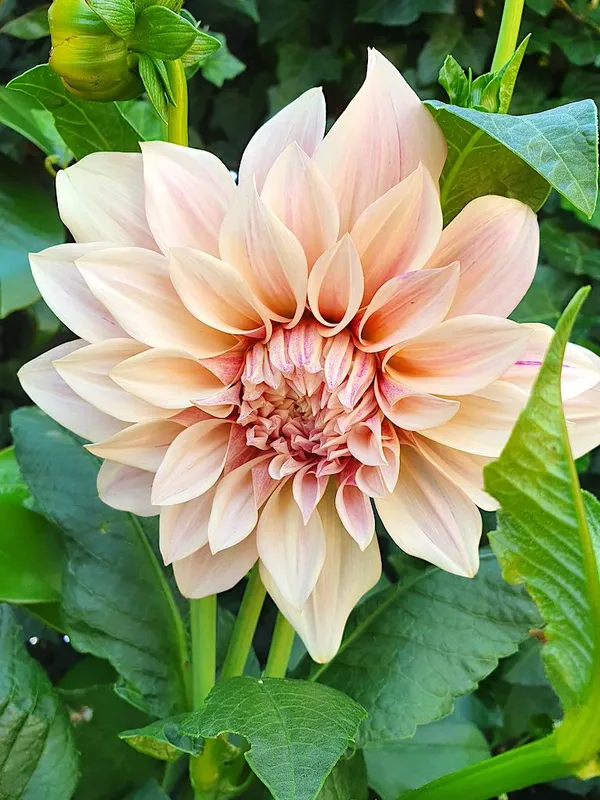
Water lily dahlias have flowers that lie horizontally on the outside and stand upright toward the center. This gives them their resemblance to water lilies. Water lily dahlias are often classified as decorative dahlias.
Cactus and Semi-Cactus Dahlias
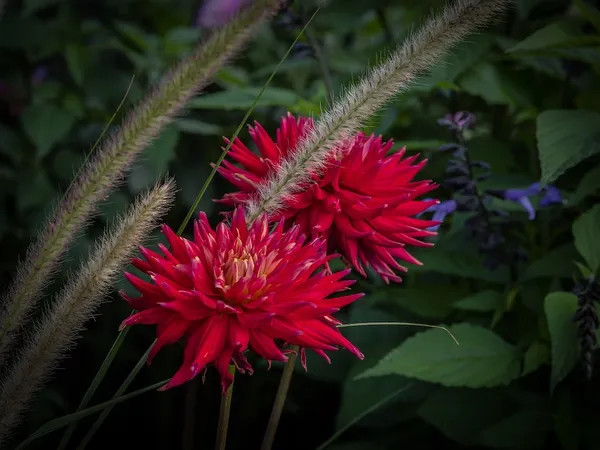
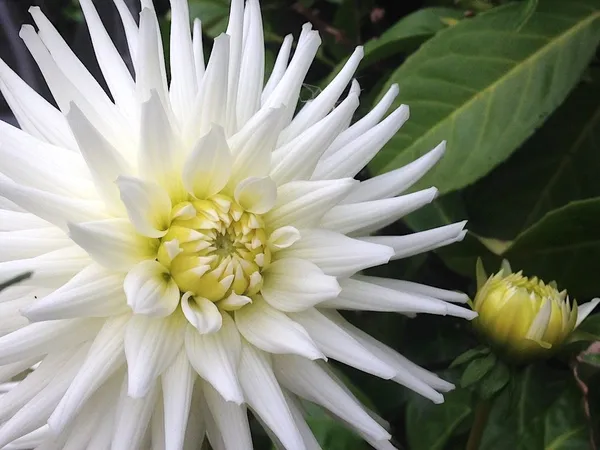
Cactus dahlias have fully double flowers with narrow petals (due to their backward-curling edges) and pointed tips. It’s not hard to imagine how these dahlias got their name.
Ball and Pompon Dahlias
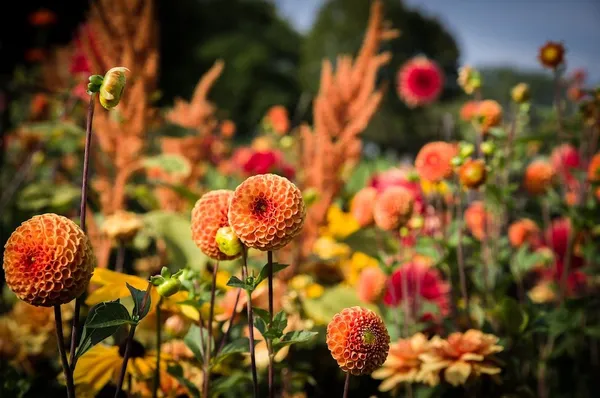
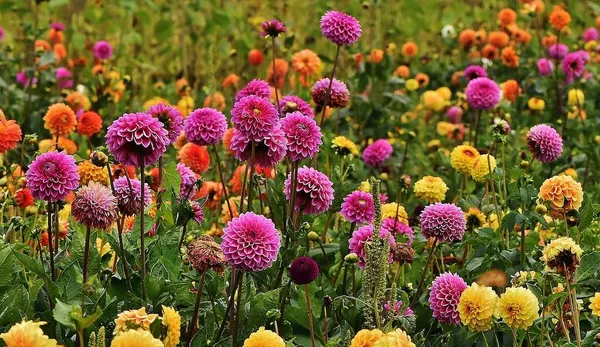
The flowers of pompon dahlias are flat or rounded at the top and form a ball or pompon. Ball dahlias have larger flowers than pompon dahlias.
Dahlia Collars
Collar dahlias (also known as Collorettes) have single flowers with a ring of small but wide petals. These petals are usually a different color from the rest of the flower. The flowers are generally somewhat smaller than those of other dahlia varieties.
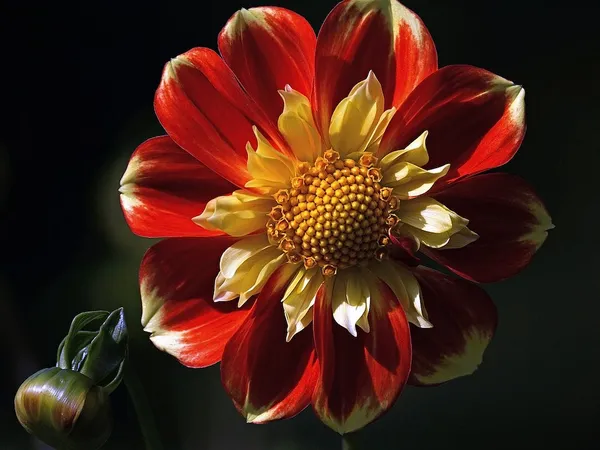
Dahlia Care and Planting
Although dahlias are often available for order as early as winter, it’s best to wait until mid-May (after the last frost) to plant them. If you’d like, you can start them in a pot as early as April. Be sure to protect them from late frosts.
Proper dahlia care depends entirely on the right location and conditions. Plant dahlias in a spot with full sun. In a sheltered location, they can bloom for as long as possible (until the first frost). The soil must be well-drained. During the growing season, dahlias like plenty of water, and don’t forget to fertilize them regularly for optimal growth and blooming. This is especially important when growing them in pots.
By consistently pruning off the spent blooms, your dahlia will continue to bloom profusely for an extra-long time.
Dahlias in Winter
Dahlias are not hardy. In a sheltered location, in very well-drained soil, and with a thick layer of mulch, dahlias can survive mild winters in the ground. To prevent loss, it’s best to dig them up in the winter. Do this after the first frost, once growth has completely stopped. You’ll notice that the leaves have turned black by then.
Unfortunately, we haven’t had good results leaving dahlias in the ground. Despite a sheltered location, well-drained soil (a raised bed with sand and potting soil), and a thick layer of leaf mulch, not a single dahlia came back up.
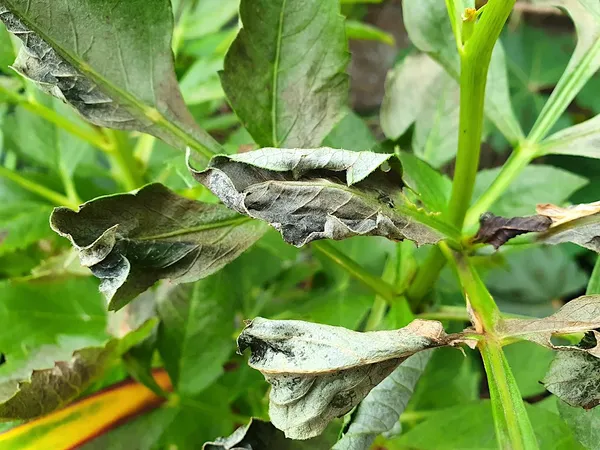
Dahlia care: Even a light frost is enough to turn the leaves black.
Propagating Dahlias
You can propagate dahlias from seed or by dividing the tubers. With dahlias grown from seed, the color may differ from that of the parent plant. It may be less intense, or even a completely different color. When dividing the tubers, make sure that each divided tuber has at least one growth point.
Frequently Asked Questions About Dahlias
We often get questions about dahlias and the different types of dahlias Gardening Questions. Below, we answer the questions we're asked most often.
When should you dig up dahlias for the winter? And how do you do it?
Immediately after the first frost, dig up your dahlias. You’ll notice that the leaves have changed color and/or have shriveled. The cold causes the dahlia to stop growing, making it easy to dig them up without too much trouble. It’s therefore best not to wait until after the first frost!
Be sure to check out the entire Step-by-Step Guide to Digging Up Dahlias for the Winter.
How do you store dahlias in the winter?
See our previous article on Digging Up and Storing Dahlias.
How do you protect dahlias from snails?
It’s not just us—snails love dahlias, too! As soon as the young shoots emerge, they’re frequently targeted by snails. Sometimes, little to nothing remains of your favorite plants.
A good way to protect dahlias from snails is to start them in pots. Earlier in the season, there are fewer snails, and you can place the pots in an area where you’re less likely to have problems with them. We’ve had good results with our large metal outdoor table, which we use partly as a nursery for young plants.
View all Tips for Dealing with Snails
Why isn't my dahlia blooming?
To grow and bloom, a dahlia needs warmth. If it isn’t warm enough when your dahlias first start growing, they will likely bloom much later. They also need plenty of water and nutrients to bloom. Drought during the growing season can cause your dahlias to bloom later than expected—or not at all. This risk is particularly high when growing them in pots.