
Evergreen, winter-blooming, or hardy?
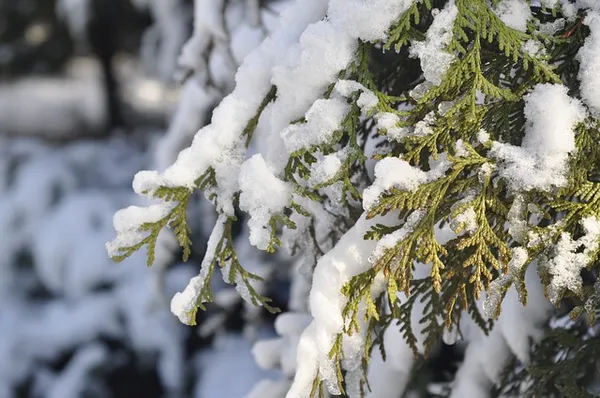
Evergreen, evergreen, hardy, and frost-resistant…
You've probably heard these terms before. Still, many beginner gardeners confuse them. Here's a brief explanation:
Evergreen
Plants that do not lose their leaves during our winters are called evergreens. These plants retain their distinctive appearance and shape even in winter.
Plants like these are often used to add structure to the garden and create a so-called (winter) green framework.
Well-known examples of evergreen plants include: boxwood, yew, bay laurel, bamboo, ivy, rhododendron, and camellia. Many groundcovers also remain green in the winter: lady's mantle, pachysandra, and Vinca minor, for example.
Winter-flowering
In addition to evergreen plants, there are also plants that bloom in the winter. Winter-blooming plants include Viburnum tinus, Viburnum bodnantense 'Dawn,' Camellia, Mahonia, Hamamelis, and Helleborus.
Hardy
Hardy plants are those that survive the winter without any problems in our climate. Plants are often classified by a hardiness category, which specifies a minimum temperature (for example, down to -10°C). Cold, but especially wet, winters are often disastrous for less hardy plants.
Subtropical plants, such as palms, young olive trees, and hibiscus, are less frost-tolerant and will need to be covered or wrapped. Exotic plants, such as dahlias, oleanders, and bougainvilleas, cannot tolerate frost at all and will need to be brought indoors during the winter.