Essential Plants for a Jungle Garden
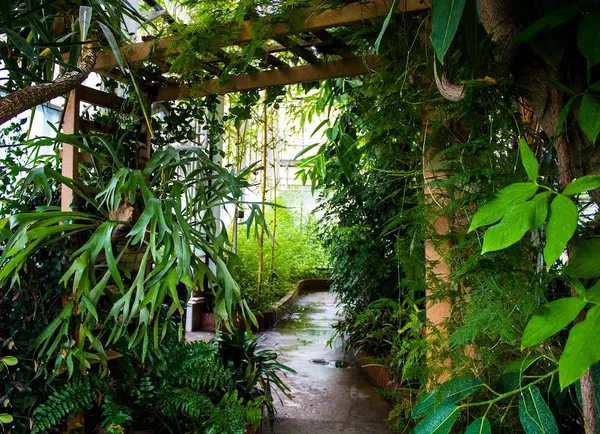
Do you dream of faraway places and tropical destinations? Or have you perhaps already been to the jungle and want to recreate that special atmosphere in your own backyard? A jungle garden is inspired by tropical rainforests, with lush and exotic vegetation. Plants are everywhere you look, in all shades of green and with the most unique leaf shapes. Occasionally, the scene is punctuated by exotic-looking flowers in bright colors. Are you really going all out for a jungle garden? In that case, you’ll often only see a canopy of leaves from your garden, but of course, you don’t have to go that far to create that same jungle atmosphere in your garden.
When you think of a jungle garden, you think of tropical plants, lots of plants growing close together, plenty of shade, natural paths, water and waterfalls, and layered vegetation. Vibrant colors and natural materials contribute to the tropical atmosphere.
Choosing Plants for a Jungle Garden
In a jungle garden, it’s important to ensure lush vegetation. You can achieve this by working with layers of plants. For example, you have a canopy layer, an intermediate layer, a shrub layer, a herb layer, and a groundcover layer. Because all the vegetation often creates a lot of shade, a jungle garden is less suitable for sun-lovers. Here, leaves of all shapes, sizes, and colors take center stage. Of course, there’s still room here and there for (exotic-looking) flowers.
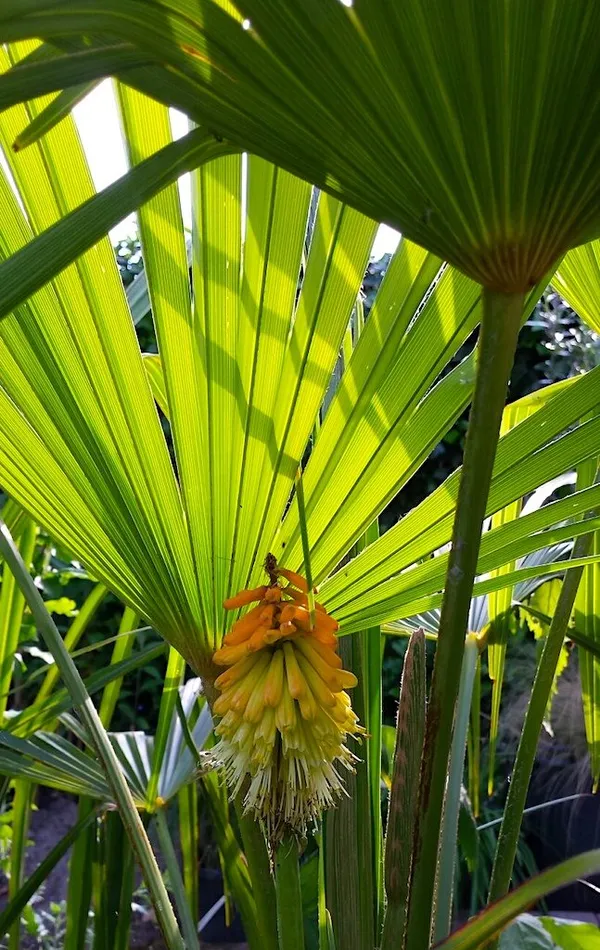
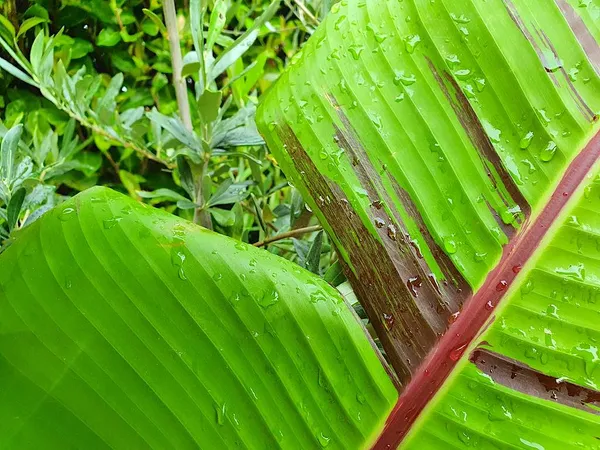
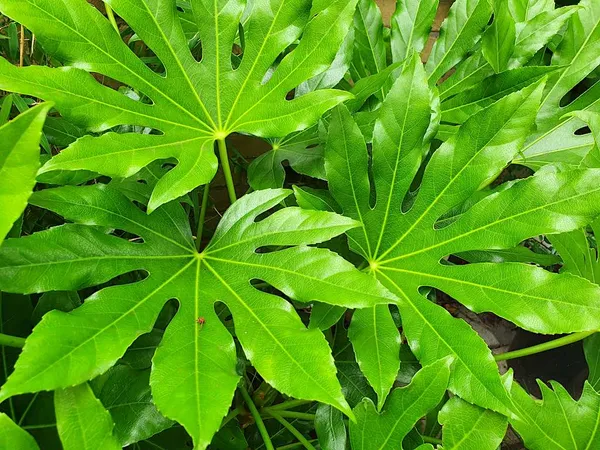
Many flowering plants that are originally exotic can thrive in partial shade or full shade. Some cultivars have been specifically bred to make them more hardy. There are also many plants with an exotic appearance that are quite hardy in our climate. Examples include Trachycarpus, Musa basjoo, bamboo, and Fatsia.
Truly exotic plants often don’t survive our winters. Not so much because of the frost itself, but mainly because the soil gets too wet here in the winter. Choose the right varieties (check their hardiness before purchasing), plant them in the right spot (and make sure the soil is well-drained), and protect the plants from frost and cold.
Would you like more tips and inspiration for creating a real jungle garden? Check out the article “A Complete Jungle in a Small Backyard”!
Trees and Shrubs for the Jungle Garden
In a jungle garden, many trees are often planted. Because they are spaced close together, a dense canopy quickly forms. In addition, they usually remain somewhat smaller due to the limited growing space they have. (Multi-stemmed) shrubs are also ideal for use as trees.
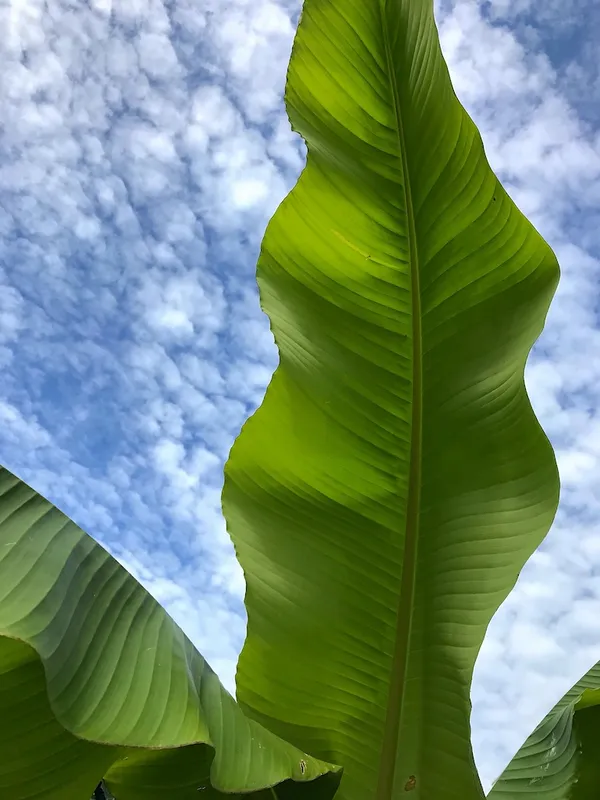
Most of the trees and shrubs in a jungle garden are chosen for their leaf shapes or foliage. Examples include palm trees (e.g., Trachycarpus and Chamaerops), banana trees (Musa), tree ferns (Dicksonia), rice paper plants (Tetrapanax), castor bean trees (Ricinus), fig trees (Ficus carica), Schefflera, and Cordyline. Lower shrubs with attractive foliage include Fatsia japonica (Japanese aralia), devil’s walking stick (Aralia), New Zealand flax (Phormium), and Choisya.
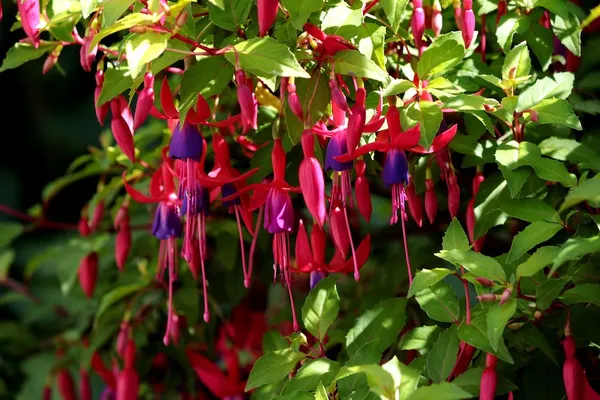
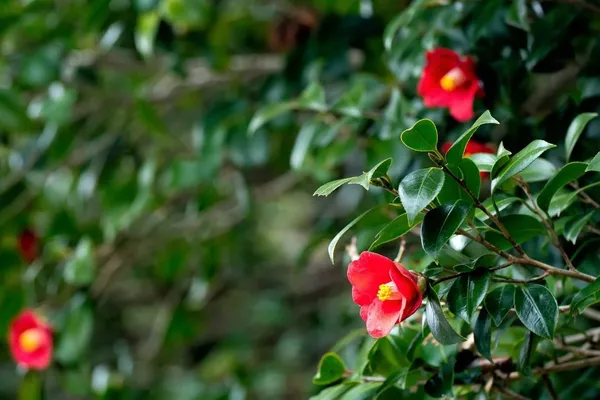
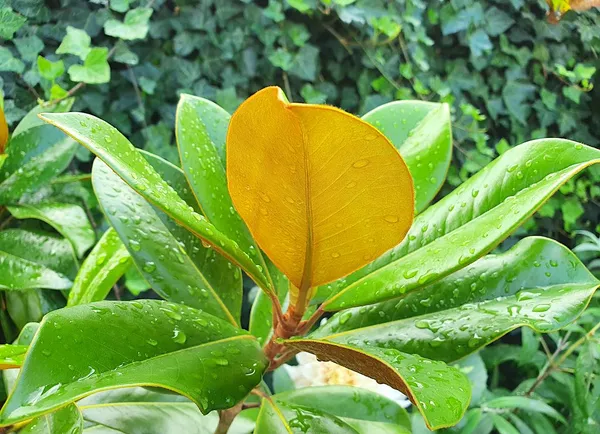
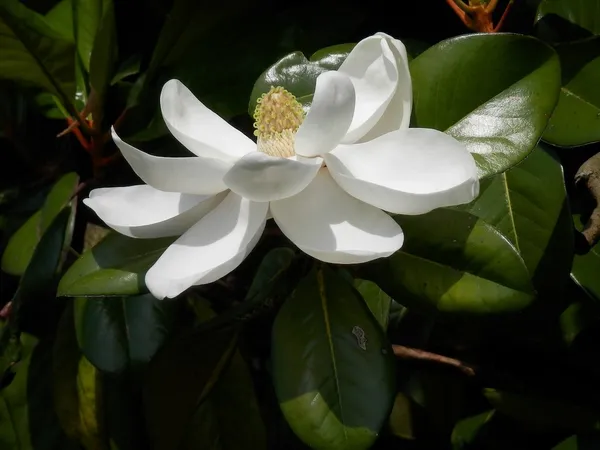
Still, there are also shrubs that bloom beautifully, such as fuchsia (Fuchsia), camellia (Camellia japonica and Camellia sasanqua), evergreen magnolia (Magnolia grandiflora), mahonia (Mahonia), and the yellow-flowering butterfly bush (Buddleja globosa).
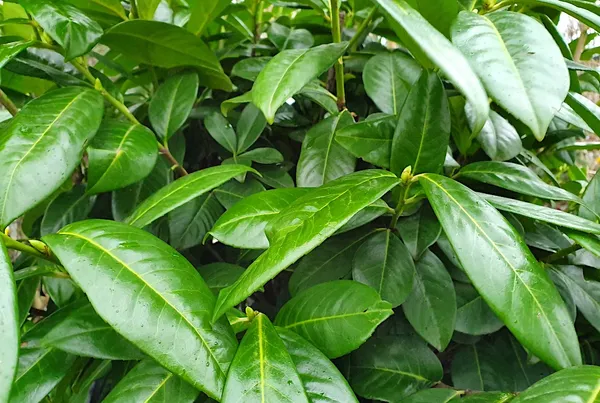
Hedge plants with larger leaves are also a good choice. Large-leaved Portuguese laurel (Prunus lusitanica) is ideal, as is cherry laurel (Prunus laurocerasus ‘Rotundifolia’). You could also consider olive willow (Elaeagnus) or photinia (Photinia).
Bamboo and ornamental grasses
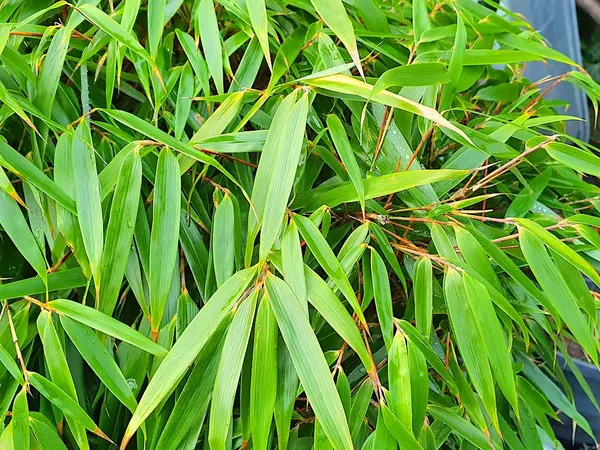
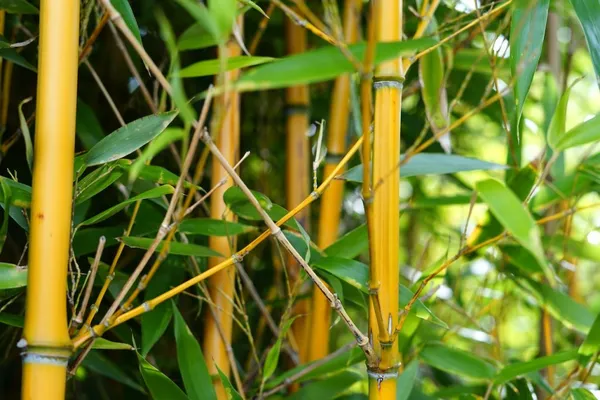
Bamboo is a must-have in any garden with a jungle vibe! The bamboo with the most beautiful stems—and often the most beautiful foliage as well—is Phyllostachys. One of the most popular varieties is Phyllostachys aureosulcata Spectabilis, with beautiful yellow culms and green stripes. Bamboo grows very quickly! Be careful of it spreading: the runners will appear in other (undesirable) spots in your garden in no time. Therefore, always use a root barrier, or plant fast-spreading bamboo varieties in a pot or container.
Do you want bamboo, but not the kind that runs wild? Then choose Fargesia. Fargesia varieties form clumps and do not spread wildly. They grow a bit more slowly and don’t get as tall, but there are many beautiful varieties. For example, choose attractive upright cultivars, such as Fargesia robusta ‘Campbell’ and ‘Great Wall,’ or opt for a broad, weeping variety like Fargesia ‘Rufa.’
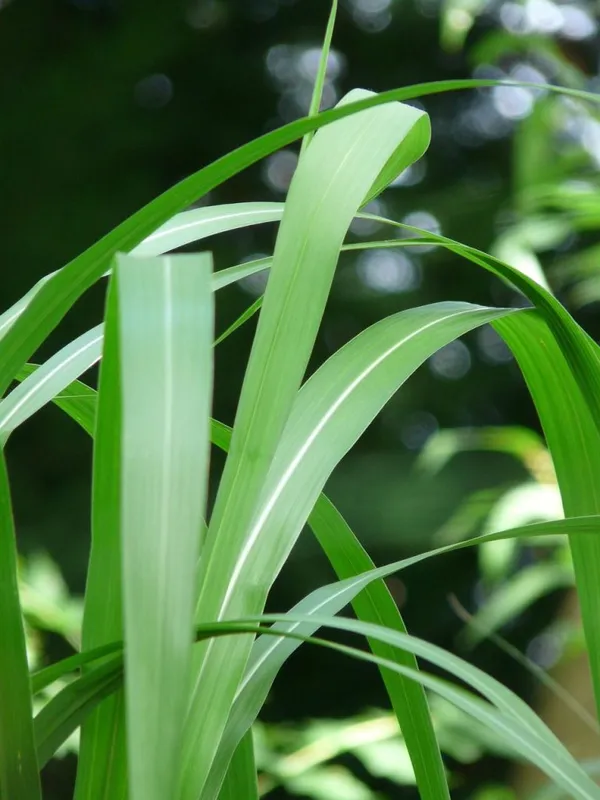
Ornamental grasses can also be included in a jungle garden, especially varieties with broader leaves. Examples include Japanese mountain grass (Hakonechloa), sedge (Carex), elephant grass (Miscanthus strictus), and giant reed (Miscanthus giganteus).
Groundcovers and Perennials in the Jungle Garden
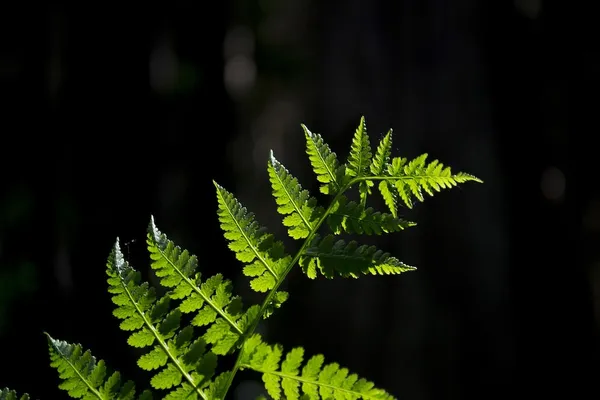
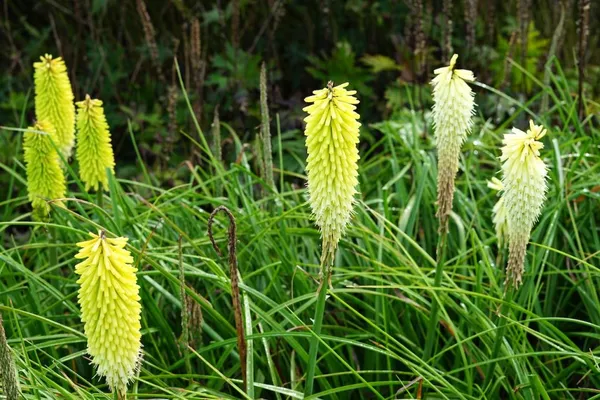
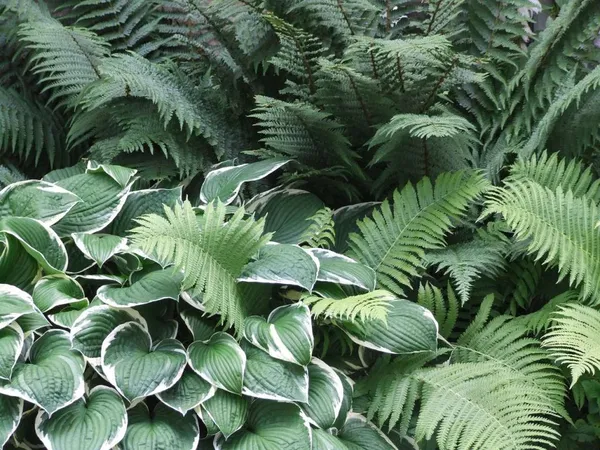
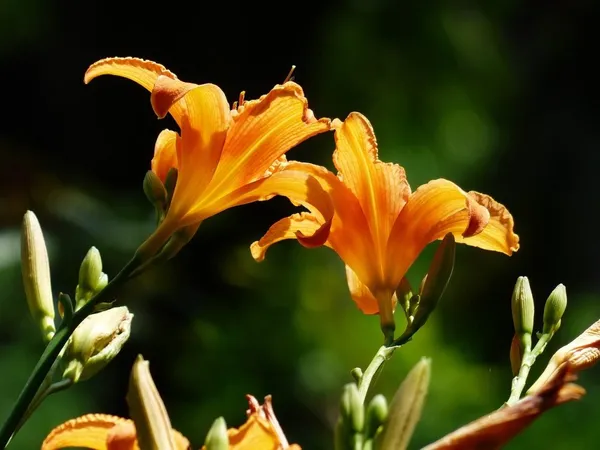
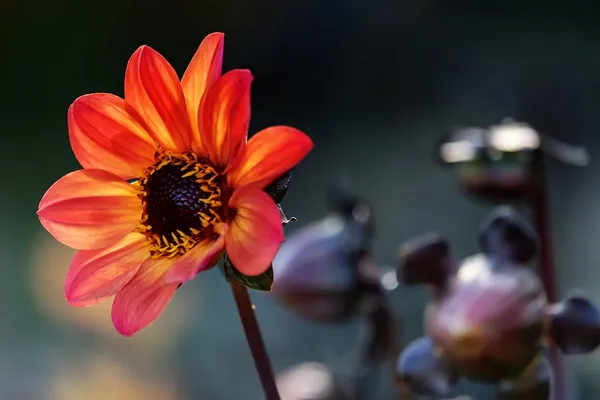
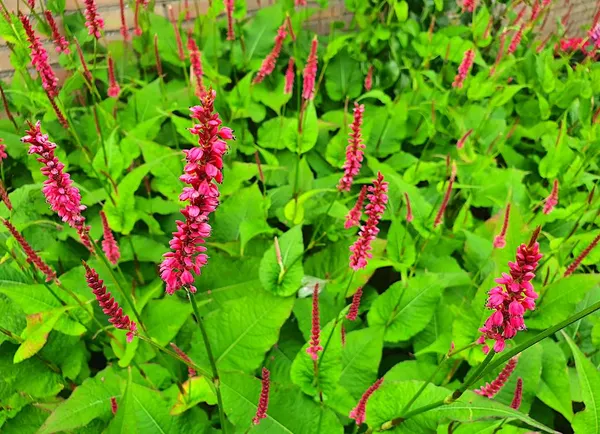
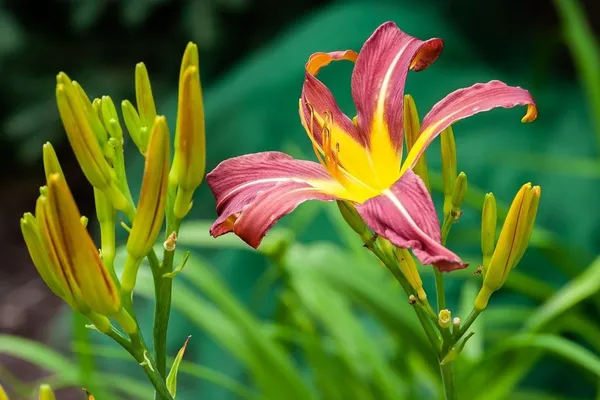
Ferns are indispensable in a jungle garden. Examples include Asplenium, Cyrtomium, Dryopteris, Matteuccia, and Polystichum species. Perennials with large leaves are a perfect fit, such as hosta, giant rhubarb (Gunnera), Rodgersia, and Darmera… occasionally interspersed with plants bearing exotic flowers. For this purpose, (small-flowered) dahlias, cannas, ornamental ginger, daylilies, fire arrows, knotweed, and Crocosmia are very suitable.
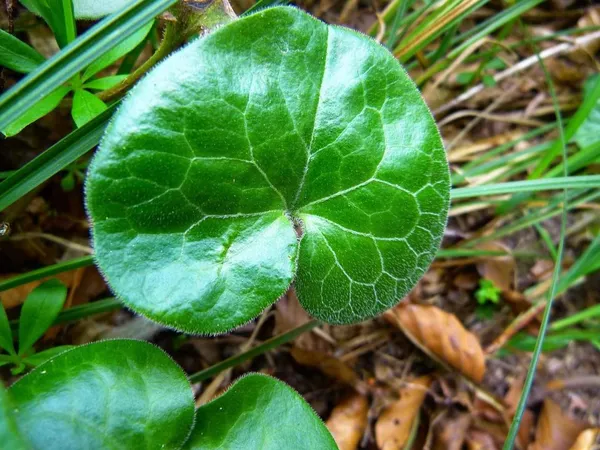
In the rainforest, virtually every patch of ground is covered. A dense carpet of various groundcovers is therefore a great addition to the jungle in your backyard. Most groundcovers are well-suited for this purpose. Some great options include Asarum, Waldsteinia, Pachysandra, Vinca, Leptinella, Geum, Heuchera, Geranium, and bedroom happiness (not hardy).
Jungle climbing plants
Climbing plants are the perfect finishing touch for your jungle garden. Let walls, fences, pergolas, and other structures be covered with a variety of climbing plants. Climbing plants can also climb trees and shrubs and then swing on to the next high point. This creates a beautiful, natural effect!
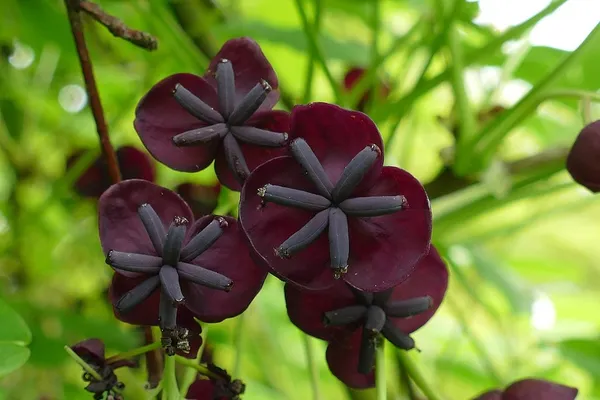
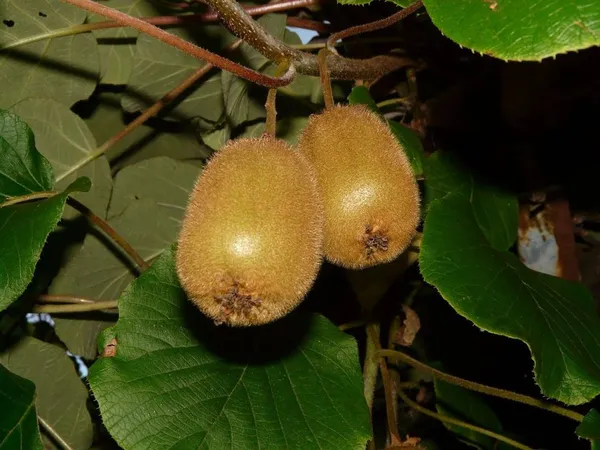
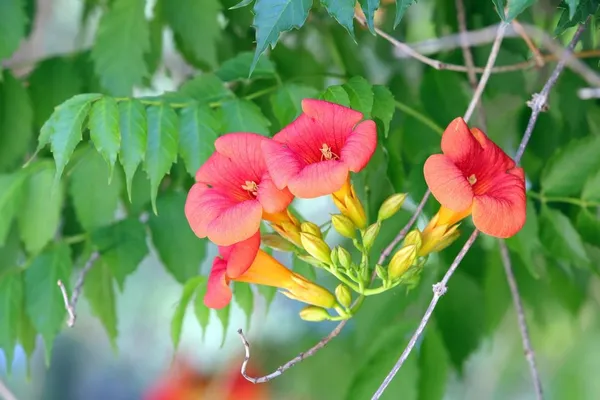
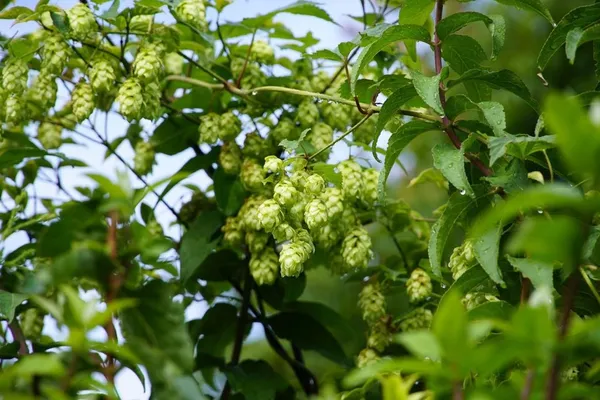
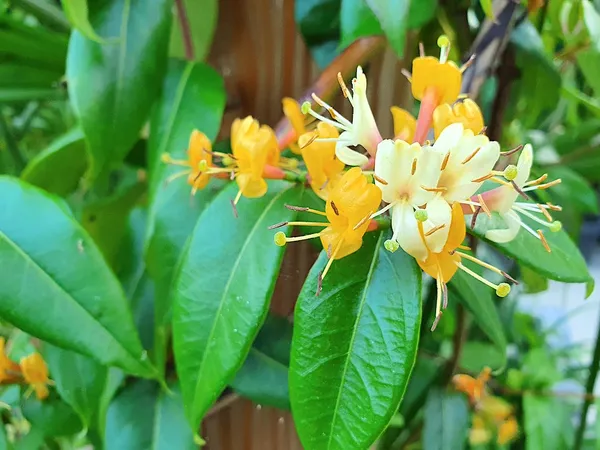
Good climbing plants for your tropical garden include trumpet vine (Campsis), akebia (Akebia), kiwi and kiwi berry (Actinidia), German pipe (Aristolochia), evergreen honeysuckle (Lonicera henryi), Virginia creeper (Parthenocissus), variegated ivy (Hedera), hops (Humulus), and passionflower (Passiflora).
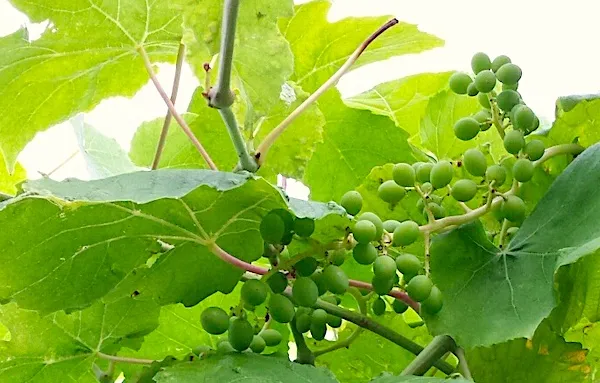
Climbing plants that are common in our country also pair beautifully with the other plants in a jungle garden. Think of honeysuckle (Lonicera), common ivy (Hedera), star jasmine (Trachelospermum), wisteria (Wisteria), and evergreen clematis. Climbing fruit plants are also a great option, including grapes, blackberries, and raspberries.