
Enjoy seasonal plants in a small garden: create a rotating planter
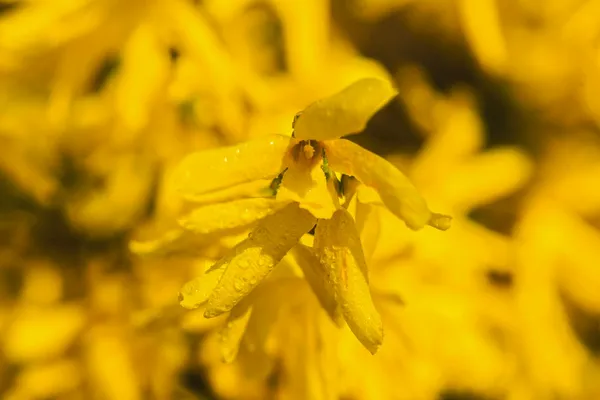
Are you (just like us) crazy about plants? Then you’ll quickly run out of space in a small garden! Especially if you want to keep your garden from looking cluttered.
In a small garden or on a balcony, there often isn’t enough space for plants that are only beautiful for a short time. Or, at any rate, these plants aren’t the best choice. It’s better to choose plants that bloom for a long time or provide ornamental value across multiple seasons. However, this means you’ll miss out on some truly beautiful or unique plants. Think of magnolia, forsythia, and witch hazel.
Fortunately, there's a good solution for this!
Would you still like to enjoy these unique plants in your small outdoor space? Then consider using a rotating planter. That way, you can enjoy the most beautiful plants every season—even those that are often said to have a short blooming period…
What is a change jar?
A planter with removable inner pots is a nice, large(r) decorative planter with one or more removable inner pots. Plant your favorite seasonal plant in the inner pot (a plastic seedling pot works very well). When the season is over, remove the inner pot—plant and all—from the decorative pot and swap it out for your seasonal replacement plant (which you’ve been keeping in a temporary spot).
How exactly does a change jar work?
So you’ll need a nice decorative pot to use as an outdoor pot (or a planter), at least two spacious growing pots to use as inner pots, and, of course, at least two beautiful seasonal plants. Place the plant that’s out of season temporarily in an inconspicuous spot or corner of your garden, in your front yard, on your balcony, or in a friend’s or family member’s garden. If you have enough space for your seasonal plant, you can even use more than two pots. Just remember that the seasonal plant will still need some care even when it’s out of season.
Place the decorative pot in a permanent spot in the garden. Make sure it drains well. Choose your seasonal plants based on the location, just as you would for your garden. In other words, will the pot be in full sun, partial shade, or shade?
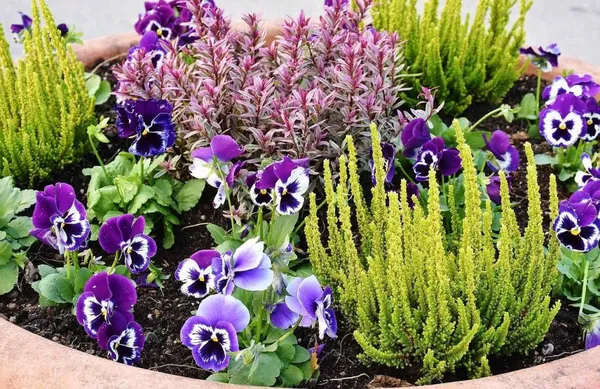
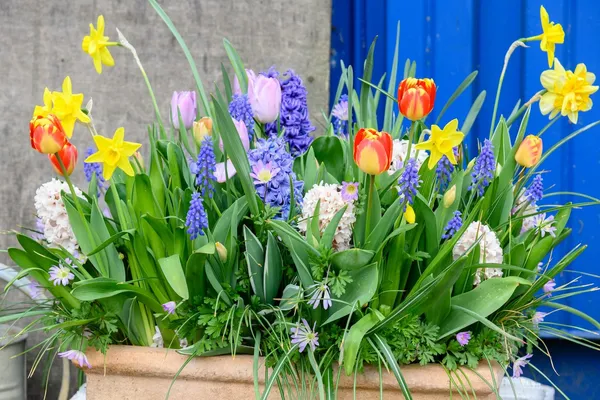
If you have extra space (next to your inner pot), you can fill the pot with some groundcover plants, ornamental grasses, perennials, or annuals that complement your seasonal plant.
What kind of pot is suitable as a temporary pot?
Give the outdoor pot (decorative pot) a permanent spot in your garden. This way, it will be on display all year round. So choose a beautiful pot or planter that suits your garden and style. Consider a classic terracotta pot, a beautiful wooden or sleek plastic planter, or a planter made of (Corten) steel. There are plenty of options!
Choose a spacious pot or container with good drainage. Keep in mind that the pot will be outside all year round and must therefore be able to withstand frost. Terracotta pots, in particular, are not always frost-resistant. A thicker or double-walled pot is preferable.
Which inner pot?
Make sure your inner pots are exactly the same shape and size so you can easily swap them out.
The same rule applies to the inner pot: bigger is better. A plastic nursery pot works perfectly. A roomier pot makes it easier to care for your plants. Are you going for a larger shrub or even a small tree? Then choose a nursery pot that’s a bit taller, so your plant can root properly. It’s often helpful to choose nursery pots that have the same shape as the decorative pot.
Tips for a Beautiful Planters
- Choose a beautiful decorative planter that complements your garden, style, and ambiance, and matches the materials already in your garden.
- If possible, choose a slightly larger and older seasonal plant so that you can make a bigger impact right away.
- Fill your pot completely right away, leaving little to no space unplanted. That way, you can enjoy a beautiful, full pot right away.
- You can also cover the bare soil with a layer of fine decorative gravel. It looks nice.
- Add some groundcover or trailing plants to let them cascade over the edge of your pot. This creates a lovely effect.
- Don't wait until your seasonal plant has finished blooming or lost its ornamental value. Is your replacement plant already looking better? That's the perfect time to swap them out.
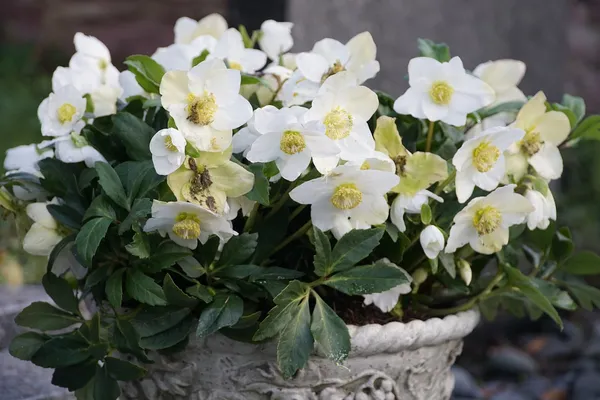
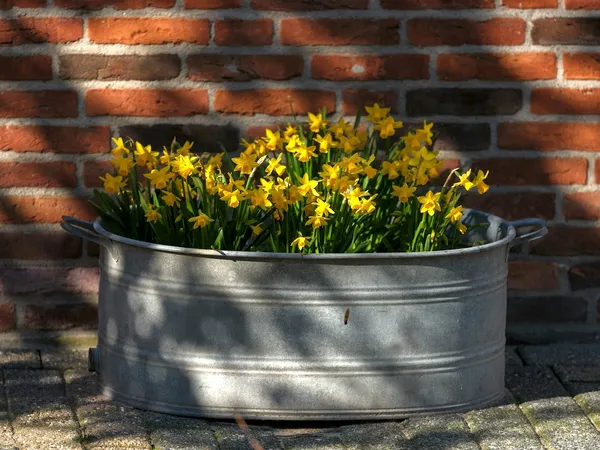
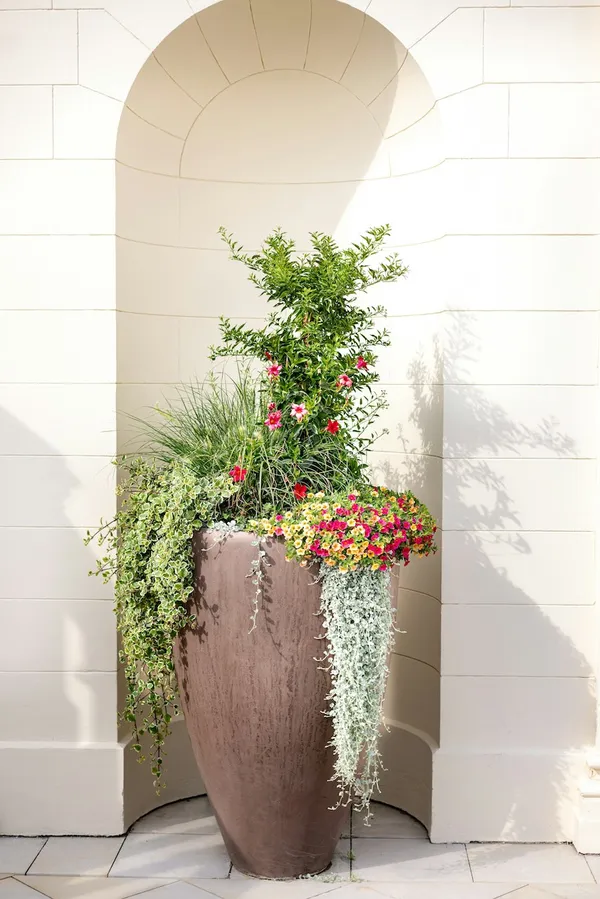
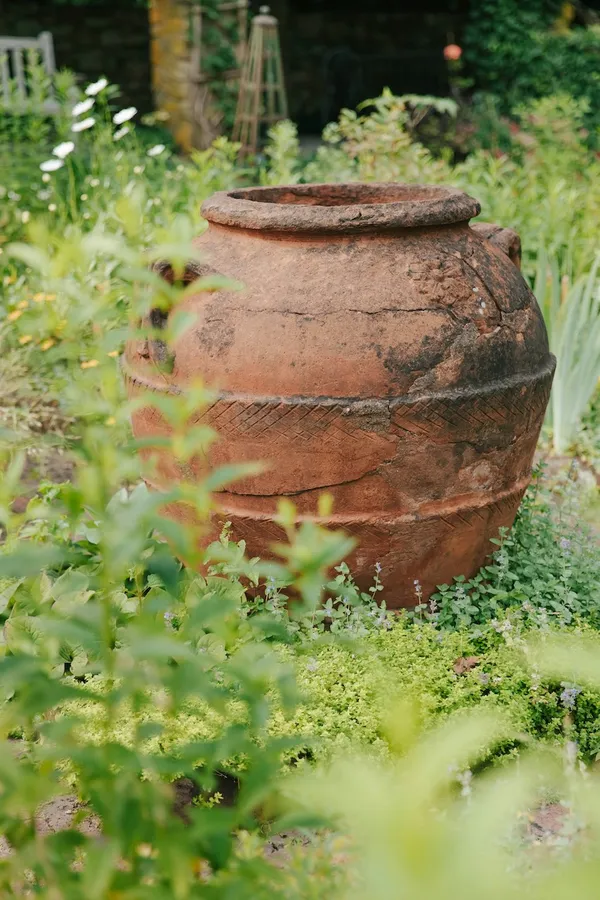
Step-by-Step Guide: How to Make Your Own Pot for Changing Soil?
- Choose a beautiful, large decorative pot that complements your garden and its style. A larger pot offers more possibilities and is also easier to maintain.
- Decide where you want to place the decorative pot and get that spot ready in advance.
- Make sure you have several planters that are exactly the same. You'll use these as inner pots. The bigger, the better!
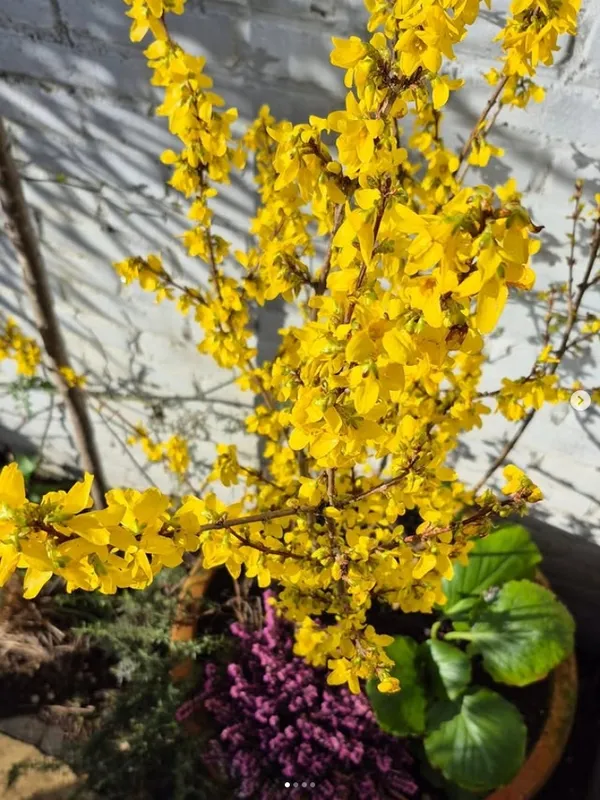
- Choose from the many beautiful seasonal plants (see the list at the bottom of this article), such as a lovely but short-blooming shrub like forsythia, or callicarpa, with purple berries.
- Choose a seasonal plant for winter and summer (or for all seasons, if you'd like to change them more often).
- When choosing your plants, keep the location in mind. Soil isn't a problem; simply fill the pot with the right soil mix for the plant(s) you've chosen.
- Plant your first indoor pot with your seasonal plant. Add a layer of clay pellets to the bottom and use the right potting soil for your plant. Cover with a layer of gravel.
- It's best to plant only one plant in your inner pot so that it has enough room to grow.
- Now plant your second seasonal plant in the same way, using a pot of exactly the same size and shape. If you'd rather wait to buy your second seasonal plant, be sure to get the same pots in advance.
- Prepare your decorative pot and fill the bottom with, for example, clay pellets or another lightweight material. Cover this with a layer of potting soil. Be sure to take into account the height of the planting pots you’ll be using.
- Now place your inner pot with this season’s plant into your decorative pot. If desired, add matching plants as ground cover. Fill in any gaps with potting soil and cover with a layer of gravel.
- Make sure the inner pot is no longer visible, but stop a few centimeters below the rim of your decorative pot. This will make watering much easier later on.
- Place your houseplant in a temporary spot. Just keep in mind that you'll need to take care of it, too.
- Is your seasonal plant starting to look a little worn? That’s the perfect time to swap it out for your replacement plant. Carefully remove your seasonal plant—along with its (nursery) pot—from the decorative pot so you can put your replacement pot back in the planting hole.
Which plants are suitable for a rotating planter?
Perfect plants for a seasonal planter are slightly larger plants, shrubs, or small trees that are at their best for only a short time. Think of a flowering tree, spring-blooming shrubs (or flower bulbs), or plants with spectacular fall colors. Winter-blooming plants are also good choices. For the rest of the year, these plants can sometimes be a bit dull or unremarkable.
In a small garden, you usually choose plants that bloom for a long time or remain attractive across multiple seasons. This allows you to make the most of the limited space you have. With a rotating planter, on the other hand, you can showcase plants that are only decorative for a short time (but are often all the more spectacular for it). There are quite a few plants you really don’t want to miss in your garden—think, for example, of magnolia, forsythia, dogwood, witch hazel, spindle tree, and paperbush. After they’ve finished blooming or their leaves have changed color, they can sometimes look a bit dull… This is the perfect time to swap out your plant for a seasonal replacement—for example, a winter plant for a summer plant.
List of Plants
Small trees for a potted arrangement
Trees that do not grow very tall, or that are easy to keep small (and have a relatively short period of ornamental value):
- Almond Tree (Prunus triloba)
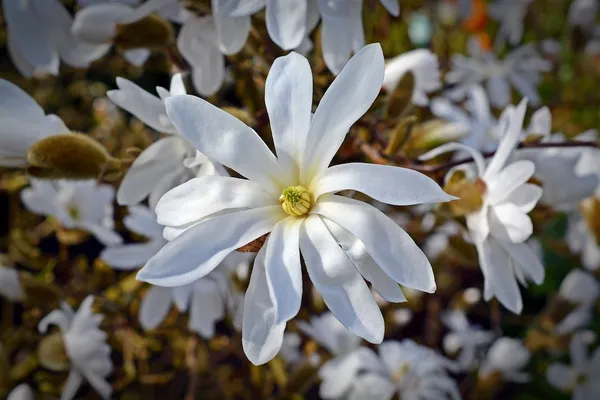
- Magnolia (e.g., Magnolia ‘Stellata’ or ‘Susan’)
- Golden Rain (Laburnum)
- Persian ironwood (Parrotia persica)
- Ornamental Pear (Pyrus calleryana)
- Weeping Cherry (Prunus ‘Kiku-shidare’)
- Weeping Willow on a Trunk (Salix ‘Kilmarnock’)
- Willow-leaved weeping pear (Pyrus salicifolia)
Shrubs for a mixed planting
Attractive and suitable shrubs (that have a relatively short ornamental lifespan):
- Goat willow (Salix caprea)
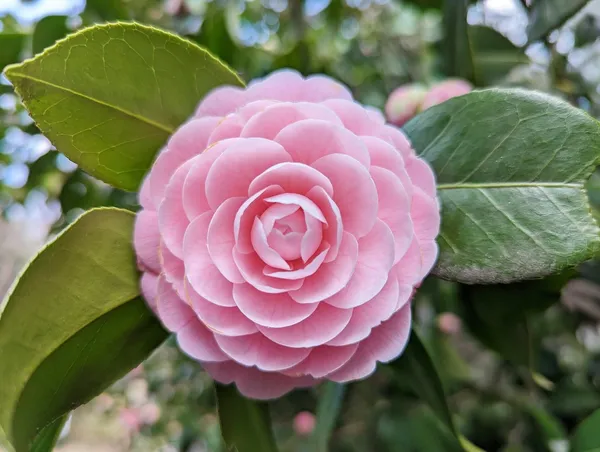
- Camelia (Camellia)
- Chinese Bellflower (Forsythia)
- Hazel (Corylus avellana)
- Indian crape myrtle (Lagerstroemia)
- Spindle Tree (Euonymus)
- Dogwood (Cornus alba)
- Twisted hazel (Corylus
- Melon Tree (Chimonanthus)
- Paperbush (Edgeworthia)
- Pink Catkin Willow (Salix ‘Mount Aso’)
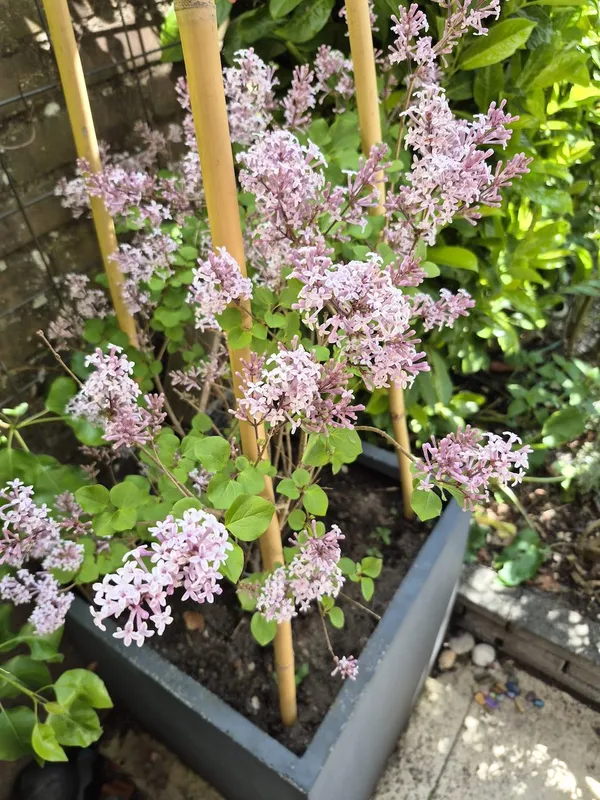
- Lilac (Syringa)
- Skimmia
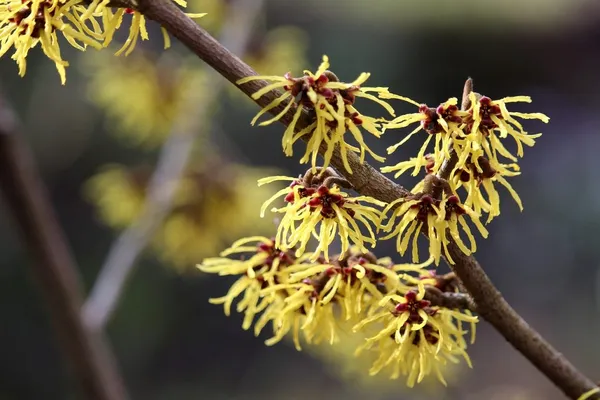
- Witch hazel (Hamamelis)
- White forsythia (Abeliophyllum)
Perennials and ornamental grasses for a rotating planter
Larger perennials and grasses (which have a relatively short flowering period), for which you might otherwise not have room:
- Fuchsia
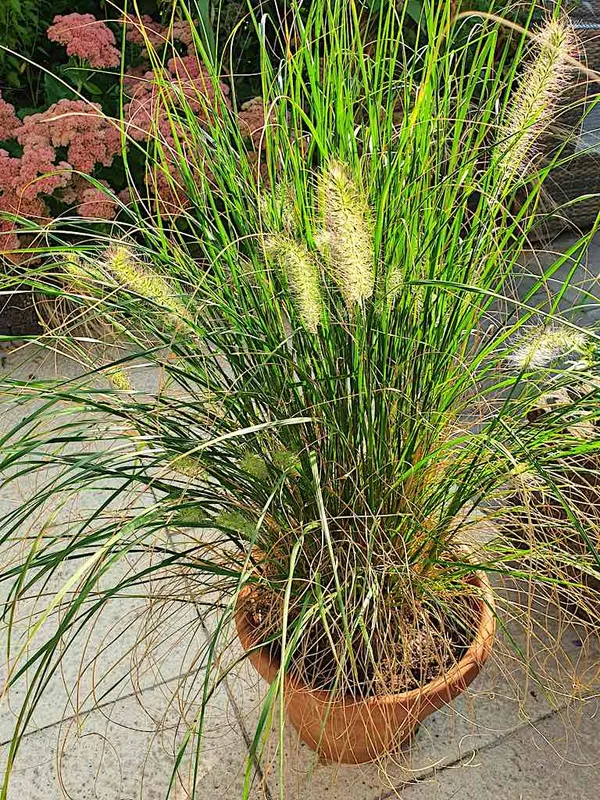
- Chinese reed (Miscanthus)
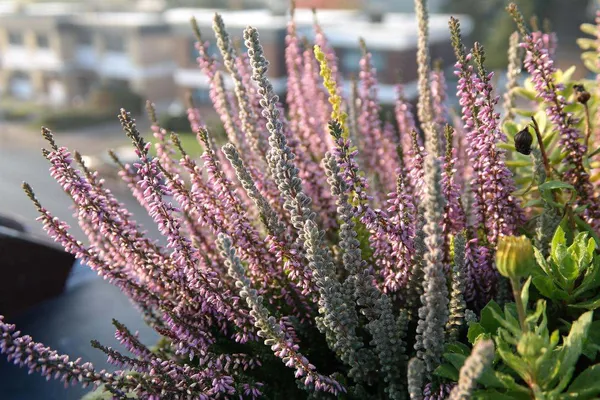
- Heather (Calluna)
- Autumn Anemone (Anemone)
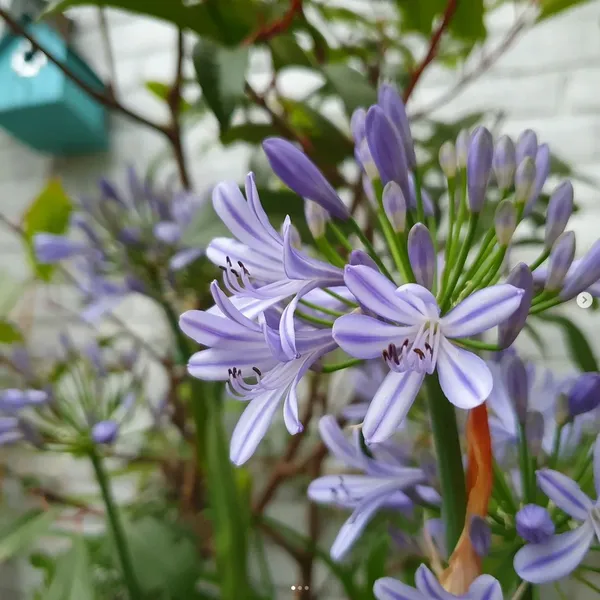
- Cape Lily (Agapanthus)
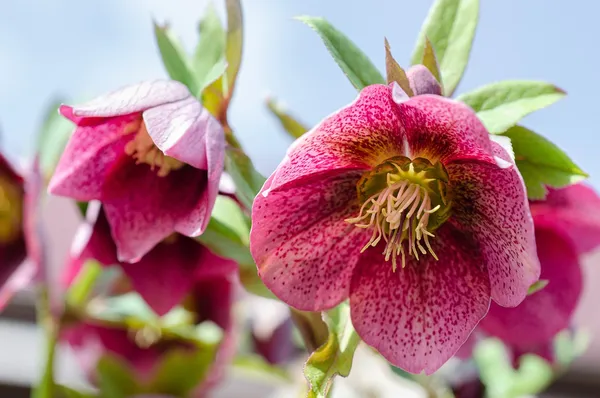
- Christmas Rose (Helleborus niger)
- Spike lavender (Lavandula stoechas)
- Eastern Hellebore (Helleborus orientalis)
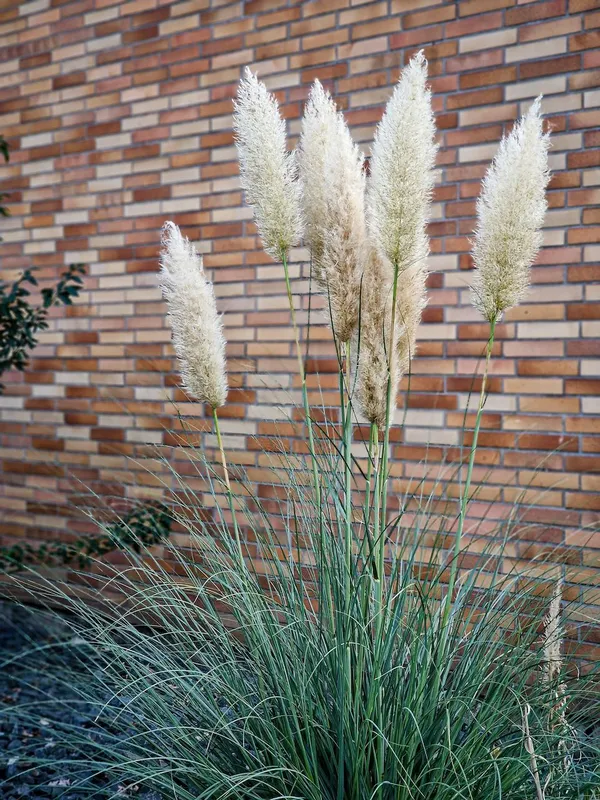
- Pampas Grass (Cortaderia)
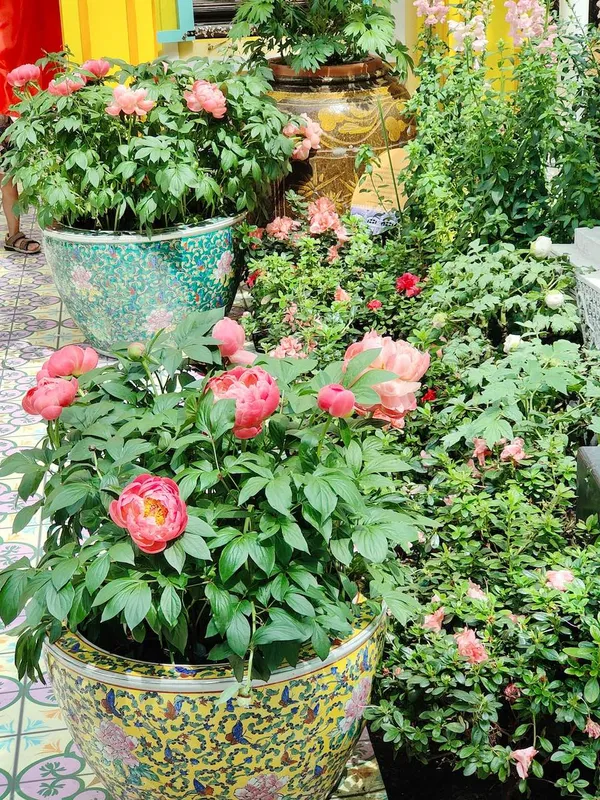
- Peony (Paeonia)
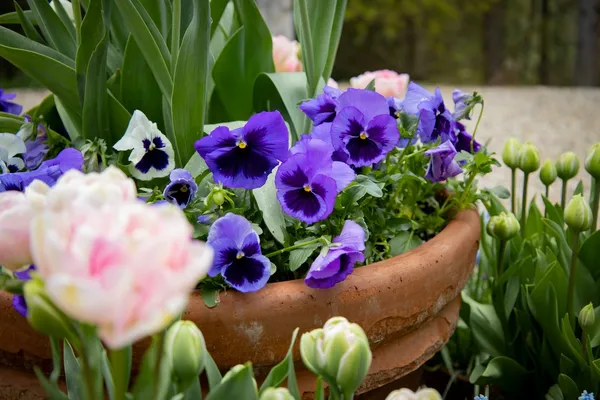
- Violins (Viola)
Flower bulbs for a rotating planter
Flower bulbs with a relatively short blooming period (one season or less):
- Begonias (Begonia)
- Cannas (Canna)
- Dahlias (Dahlia)
- Lily (Lilium)
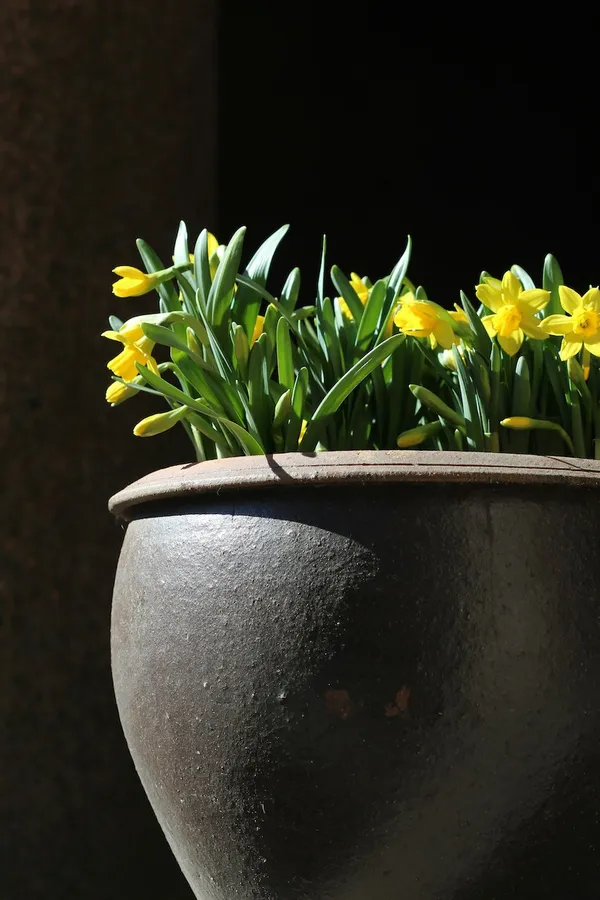
- Daffodils (Narcissus)
- Ornamental onion (Allium)
- Tulips (Tulipa)