
Designing a Garden Using Only Pots and Planters
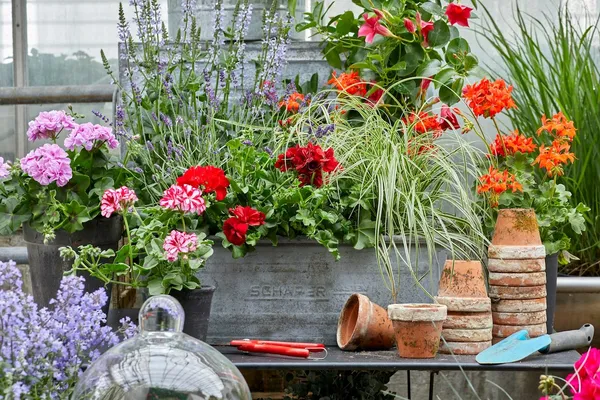
You'd love to garden, but you don't have any soil at all! Maybe you only have a balcony, a patio, or a rooftop terrace… Fortunately, that doesn't mean you can't garden: you can create a full-fledged garden using just pots and planters!
In this guide, you'll learn step by step how to create a real container garden, which plants and combinations work well, how to create structure and height, which pots are suitable, and how to care for everything so your garden stays healthy and attractive all year round.
A container garden as a solution
A container garden is a garden that consists entirely of plants in pots, planters, or tubs. There is no open ground. For example, if you only have a terrace, patio, balcony, or rooftop terrace. Or if your outdoor space consists solely of concrete or paving. Of course, it may also be that you don’t have permission from your landlord to make changes to the garden. In all these cases, a container garden offers a solution.
Benefits of a container garden
- Flexibility: Pots are movable, so you can adjust them to take advantage of the sun, shade, and layout.
- Ease of Maintenance: Few weeds; easy to water and prune.
- Space-saving: Ideal for balconies, patios, and rooftop terraces.
- Creativity and Design: Mix materials, heights, and plants to create your own personal style.
- Enjoy the seasons: With the right choice of plants and interchangeable pots, you can enjoy your garden all year round.
Points to Consider
- Water requirements: Pots dry out faster than open ground; you'll need to water them more often, especially on hot days.
- Nutrition: Potted plants use up nutrients more quickly; it's important to fertilize them.
- Space: Many pots take up floor space; be sure to leave enough room to walk around them and allow for sunlight.
- Pot size: Pots that are too small restrict growth and flowering; choose a pot that is large enough.
- Stability: Large pots and trees can become heavy; make sure they have a sturdy base and are protected from the wind.
- Sun and Shade Planning: Some plants need constant sunlight, while others prefer partial shade; movable pots help, but planning is important.
Tip: By incorporating these tips into your design, you’ll avoid problems and get the most out of your container garden.
Create Your Own Container Garden
It's time to get started on your own container garden. What are you going to make?
Start with what you already have
First, take a look at the pots and containers you already have. This will help you decide on the style, size, and materials.
- Which pots are suitable for trees or large shrubs?
- Which ones are suitable for hanging plants or smaller flowering plants?
- Can you turn old containers or baskets into eye-catchers?
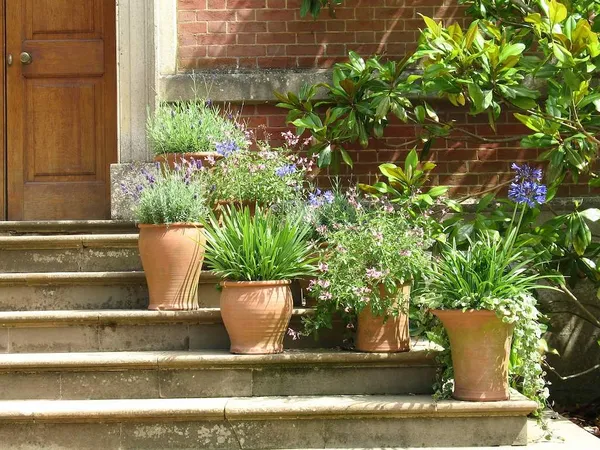
Tip: Varying heights and materials bring the garden to life. For example, combine a tall ceramic pot with a low terracotta planter and a medium-sized wooden tub to create a sense of movement and rhythm.
Think about what you like
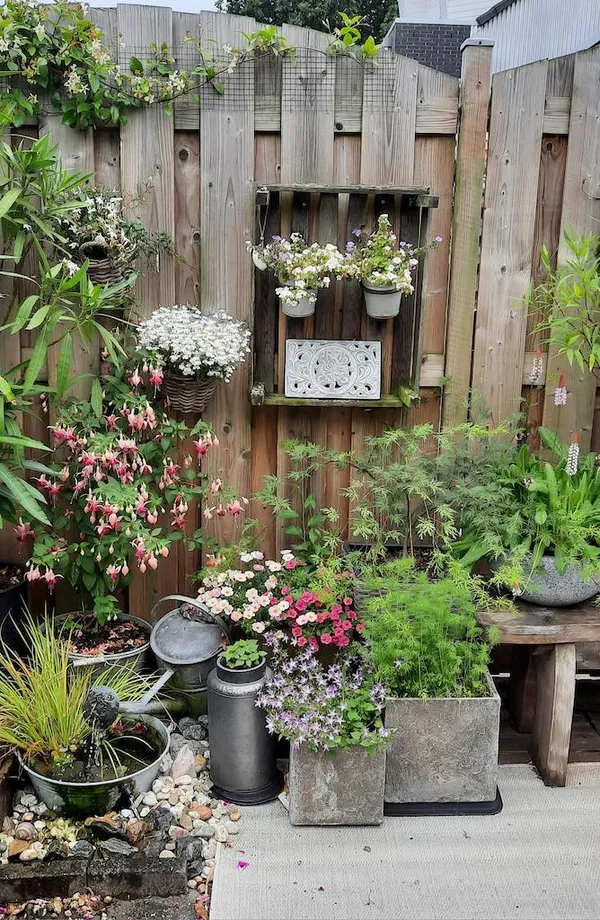
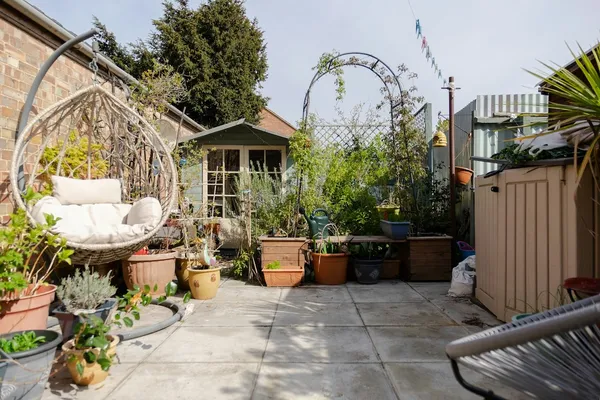
Before you start filling pots and choosing plants, it’s important to consider your own taste and style. Do you want a modern, minimalist look with clean lines and metal or black pots? Or perhaps a rustic vibe with terracotta, wooden planters, and natural materials? Also think about color combinations, pot shapes, and materials. By thinking about these things in advance, you’ll create a cohesive and personalized container garden that truly suits you. These choices will help you later when combining pots, plants, and accessories so that your garden is both functional and aesthetically pleasing.
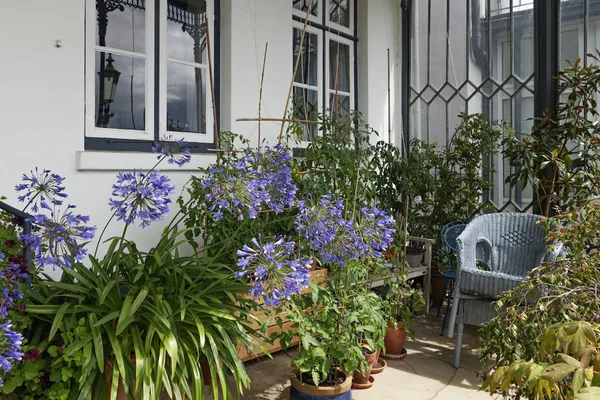
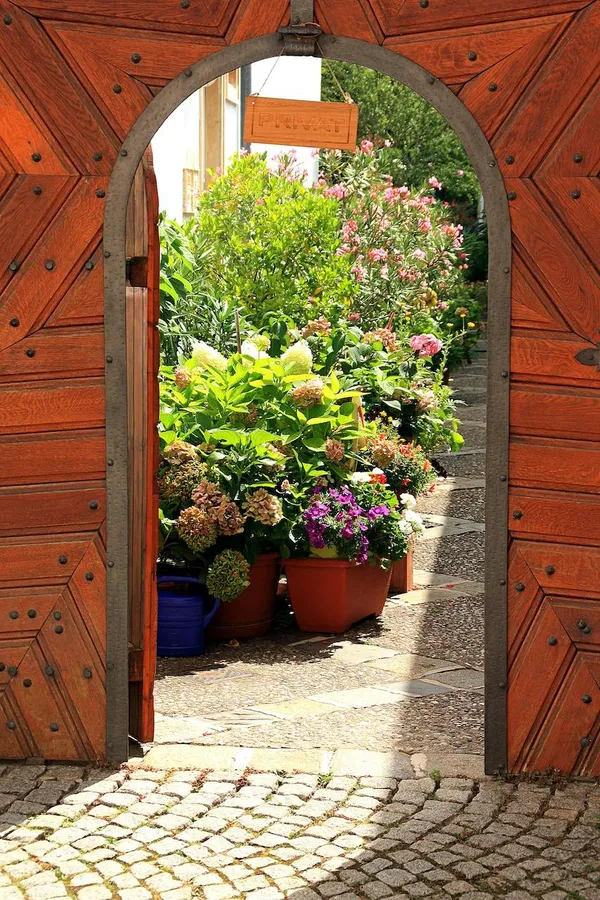
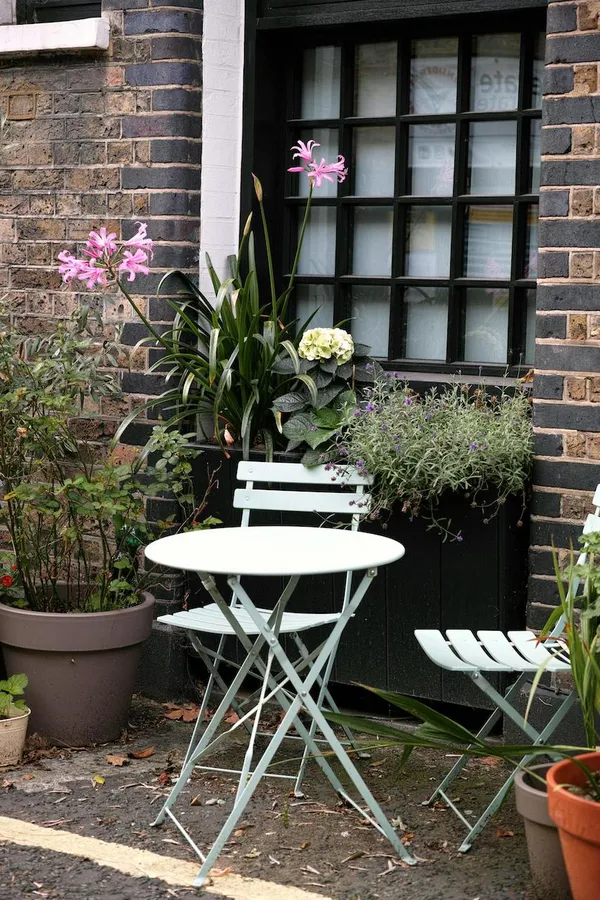
Design Your Container Garden
To create a sense of calm and cohesion in a garden consisting solely of pots, it’s important to provide sufficient structure and create a well-balanced, attractive composition. It helps to divide the space into different zones.
- Borders and background: Large pots with shrubs or hedges provide privacy and frame the space.
- Central region: An open space with shorter pots and colorful flowering plants.
- Highlights: Unique pots, trees, or vertical elements provide visual focal points.
Work in repeating patterns and groups of three or five pots, and always start with the large structural elements, such as trees, hedges, or pergolas. Then fill in the gaps with smaller pots and annuals.
Also keep the seasons in mind: choose plants and combinations that provide color, texture, or greenery year-round, or use interchangeable planters to keep the garden dynamic.
A container garden doesn't have to be cluttered. Many people think that a garden full of pots automatically looks busy and chaotic, but that’s not the case. By paying attention to the repetition of plants, consistent colors and materials, and alternating mini-borders with single-species pots, you can create a harmonious and well-organized composition. Variations in pot heights and groupings provide structure, making the garden look lively without becoming cluttered.
Composition tip: Use a variety of materials and heights to create an interesting arrangement. A mix of low terracotta planters, medium-height wooden tubs, and a tall ceramic pot adds depth and rhythm and makes the garden visually appealing.
Choosing Pots and Containers
Choosing the right pots is crucial for a healthy container garden. It’s not just the appearance, but especially the size, depth, and material that determine how well your plants will grow.
Minimum pot dimensions
- Small perennials or annual flowering plants: 20–25 cm in diameter
- Medium-sized shrubs: 35–50 cm in diameter
- Trees or large shrubs: 60–80 cm in diameter, preferably deeper than 50 cm
Please note: Pots that are too small dry out faster, restrict root growth, and can cause stress in plants.
Materials and Properties
- Terracotta: breathable, good for Mediterranean plants; may crack in freezing temperatures
- Ceramics: decorative, sturdy; heavy, ideal for eye-catching displays
- Plastic: Lightweight, easy to move; heats up quickly
- Wood: natural, suitable for raised beds and hedges; requires maintenance
- Concrete / stone: Stable, suitable for large trees; heavy
- Metal / zinc: modern; retains heat
- Rattan / baskets: decorative; usually only suitable with an inner pot
Tip: Combine no more than 2–3 materials in a single garden to create a sense of calm and cohesion. Also, vary the colors and shapes for added visual appeal.
Choose the right plants
Many plants grow well in pots, as long as you take water, nutrients, and pot size into account. Small pots require more attention than large containers.
Structure and Height
- Trees: Japanese maple, dogwood, magnolia, olive, fig
- Shrubs and hedges: Boxwood, camellia, dwarf conifer, hibiscus, hydrangea, laurel, olive willow, Portuguese laurel, rose, skimmia, yew
Flowering and ornamental value
- Perennials: geranium, hosta, catnip, lavender, rosemary, sage, coneflower, sunflower
- Ornamental Grasses: bamboo, Chinese reed, Fargesia, lamp cleaner grass, pampas grass, feather grass, sedge, fescue
- Annuals: begonia, trumpet vine, cosmos, French geranium, bellflower, petunia, sunflower, coneflower
Tip: Combine plants with similar sun and water needs in each pot. Vary the leaf structure, height, and texture to create depth and contrast.
Creating Combinations in Your Container Garden
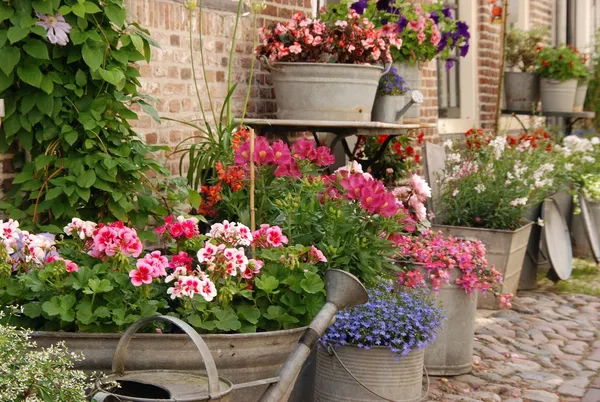
Any pot can become a mini-border, but that's not always necessary. Sometimes having just one variety per pot creates a sense of calm.
- Mini-border: structural plant + flowering plant + filler/trailing plant. Ideal for large pots and as eye-catchers. Example: olive + lavender + trailing thyme.
- One variety per pot: Useful when you have many individual pots; it creates a sense of calm and order. Repeating the same plant in multiple pots creates harmony.
Tip: Combine both methods: use mini-borders for accents and individual plants to create areas of calm.
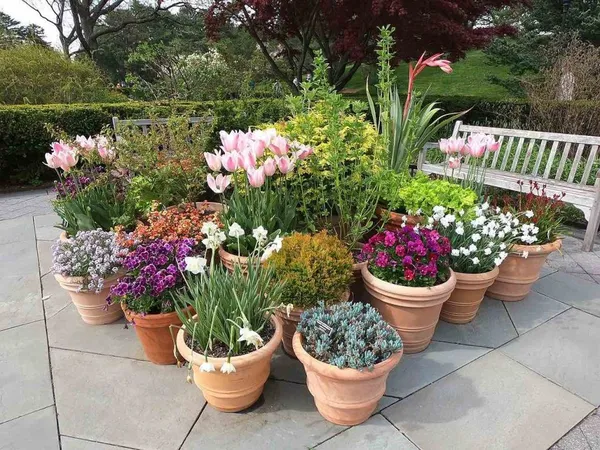
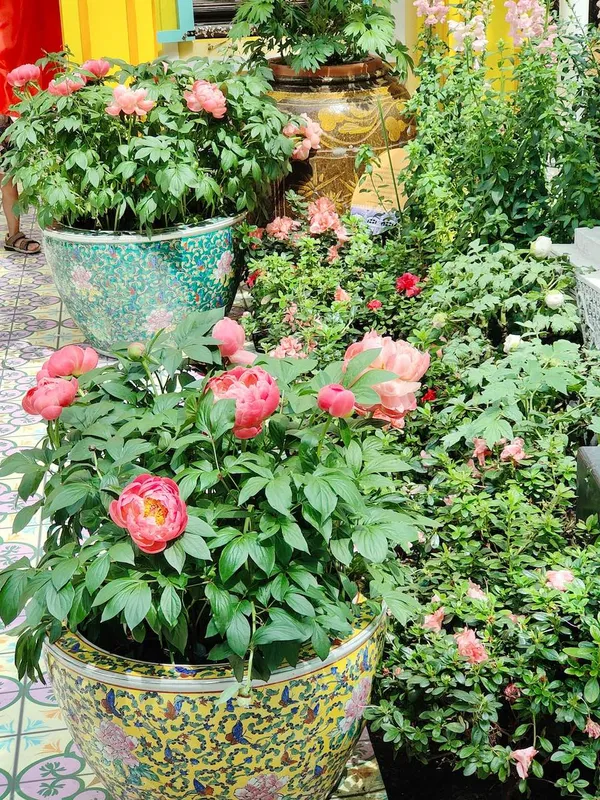
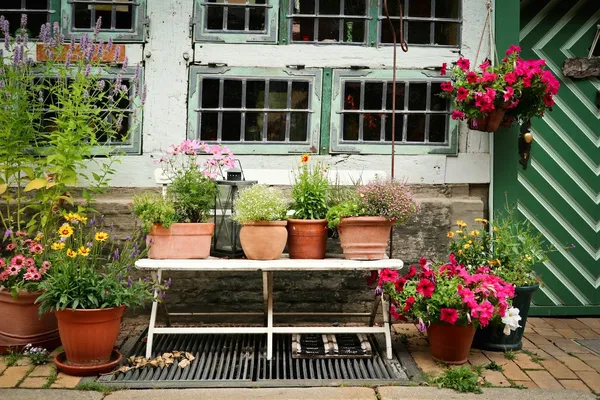
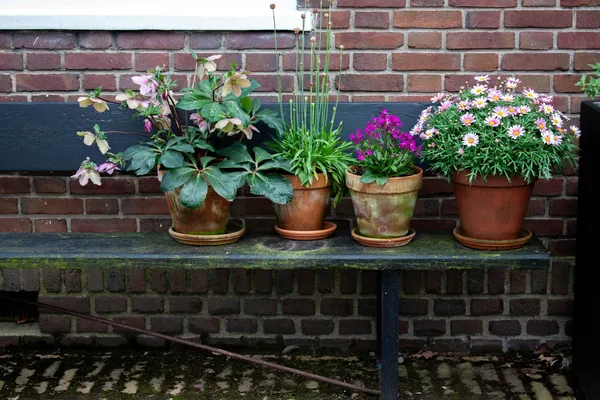
Creative Ideas for Your Container Garden
Here are a few more ideas to give you some extra inspiration for your container garden.
- Hedges in containers: privacy and wind protection, such as boxwood, privet, or yew
- Potted trees: height, shade, and texture, such as olive or fig
- Climbing plants on trellises or wicker trellises: clematis, honeysuckle, or ivy for vertical gardens
- Vertical combinations: obelisks, pergolas, racks with hanging pots
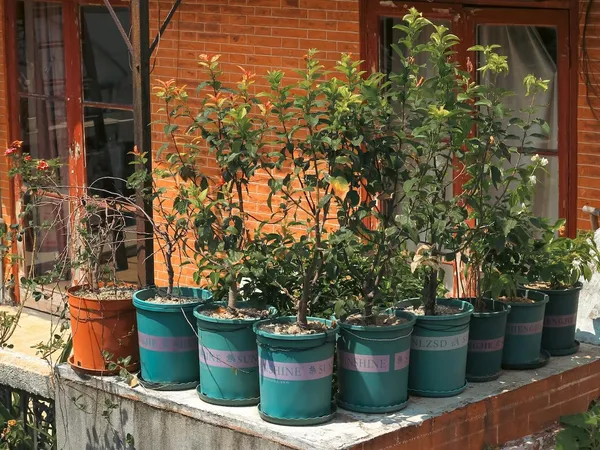
- Portable pots: easy to move to adjust for sun, wind, or layout
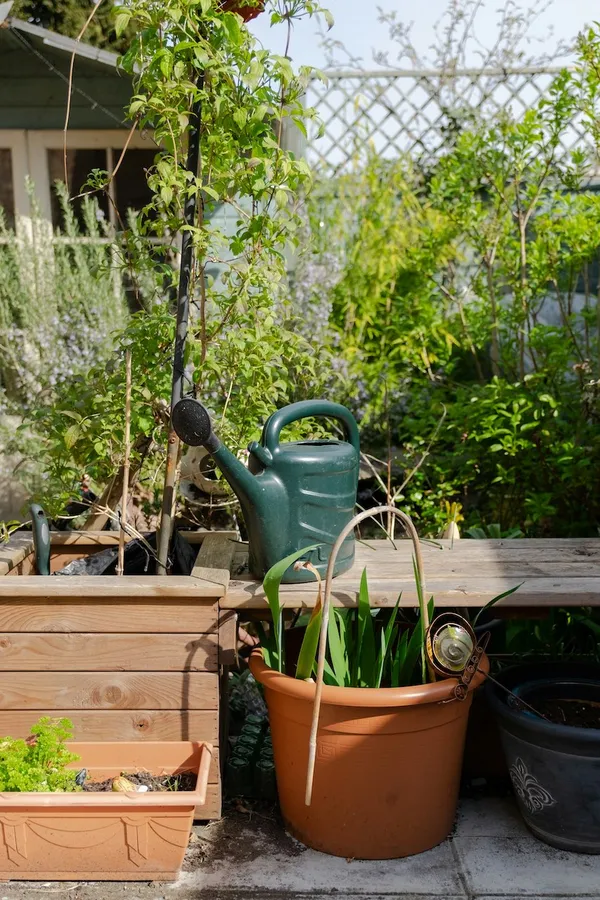
- Raised bins: back-friendly, ideal for herbs or vegetable garden plants
- A Small Herb Garden in a Pot: perfect for next to the kitchen door
- Mini Vegetable Garden in Pots and Containers: Grow your own vegetables in a pot
- Themed Jars: Arrange pots to create a specific style or atmosphere
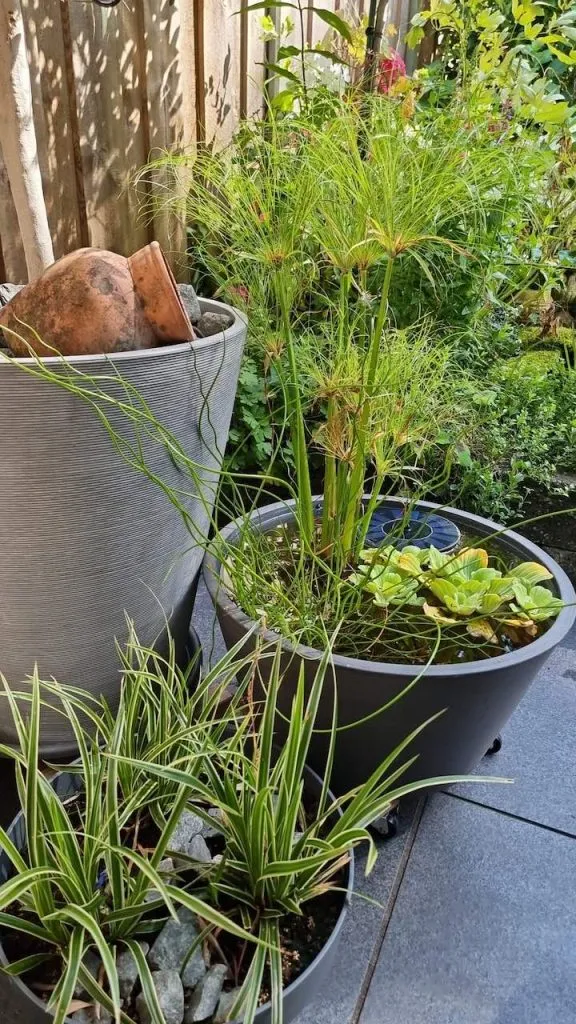
- Mini Pond in a Pot: Even a small pond is possible in a sturdy pot or container
- Change Jar: a planter where you replace the inner pot with plants each season
Planting and Caring for Potted Plants
Planting
- Use good-quality potting soil
- Make sure there are drainage holes and a layer of hydro granules
- Gently press down on the soil, but leave the roots loose
- Water thoroughly immediately after planting
- It's better to choose a pot that's a little too big than one that's too small
Care
- Water regularly, especially in hot weather
- Supplementing Fertilizer During the Growing Season
- Pruning encourages blooming and keeps plants compact
- Replace the top layer of potting soil annually
- Optional: mulch layer, water reservoir, or drip irrigation system
Are you going to create a container garden?
A garden made entirely of pots and planters is practical, flexible, and creative. By starting with what you already have, creating clever combinations of plants, alternating between mini-borders and single-plant pots, varying heights and materials, and possibly using interchangeable pots, you can create a garden that suits your space and preferences. Even on a small balcony or a large rooftop terrace, you can create a complete, personalized, and green outdoor space.