
Can you prune Agastache to encourage a second bloom?
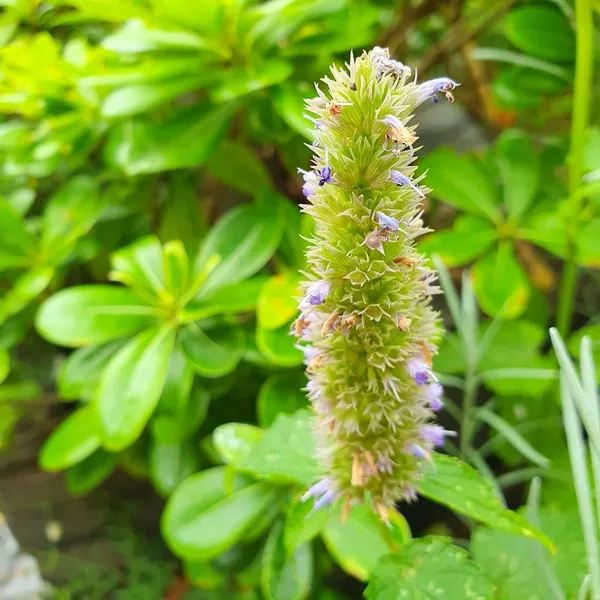
Agastache, also known as hyssop (or anise hyssop), is a beautiful, long-blooming perennial with stunning blue-purple flowers and a delightful anise scent. Agastache attracts many bees and butterflies. After flowering, the flower spikes dry out and form seeds. Cultivars such as Agastache Black Adder and Agastache Blue Fortune are widely used in gardens.
Although the licorice plant blooms on its own for quite a long time, we can certainly imagine that you'd like to enjoy it even longer!
Will your licorice plant bloom a second time if you prune it?
Unfortunately, in most cases, your licorice plant or anise hyssop will not produce a second bloom after pruning. This is partly because Agastache blooms fairly late in the season. Besides, we wouldn’t prune it just for the sake of preserving the ornamental value of the dead stems and flower spikes. Agastache adds a lovely winter touch to the garden.
How can you encourage Agastache to produce more flowers?
Pruning before flowering is possible: it’s called the “Chelsea chop.” You should do this around the end of May. This encourages bushier growth and more flowers. Your licorice plant will, however, start flowering a little later.
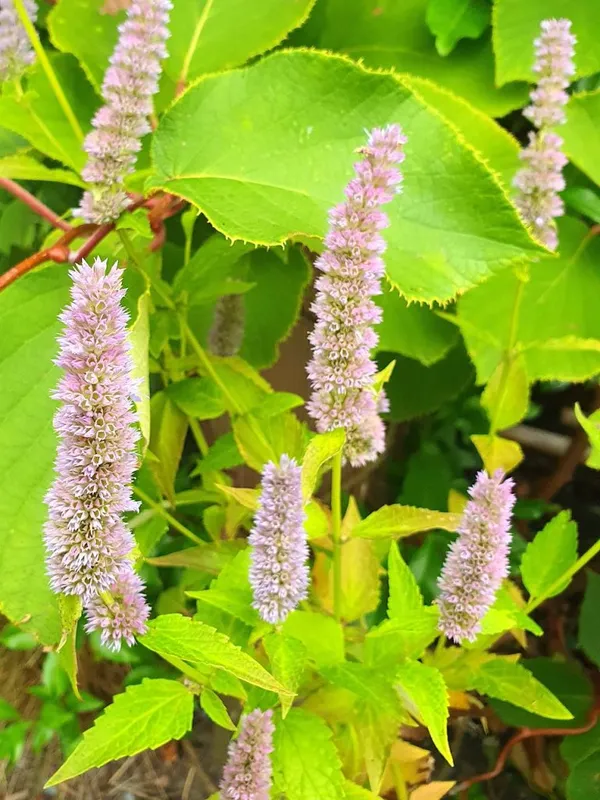
Agastache 'Blue Fortune'
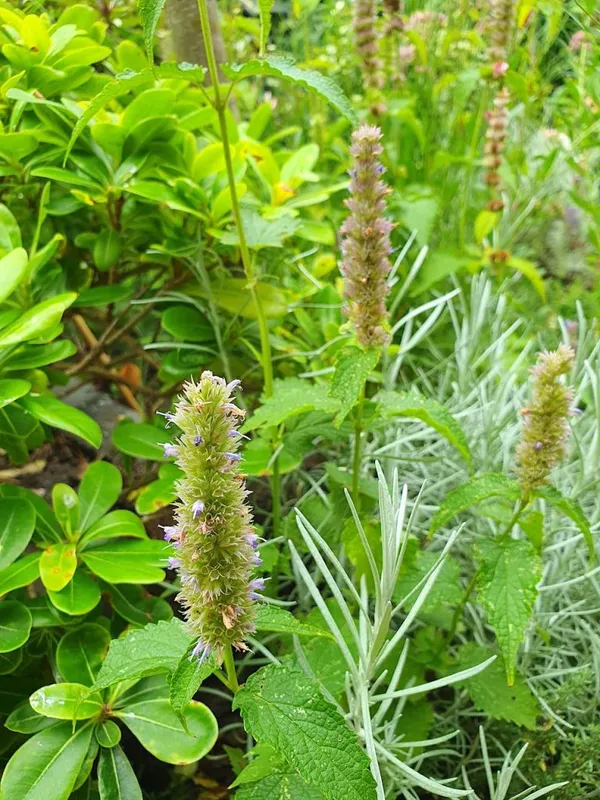
Agastache rugosa
Is pruning necessary before winter?
It is often recommended to prune Agastache before winter and use the pruning clippings as a mulch layer to protect the plant’s roots from the winter cold. This is actually a shame! You’ll miss out on its ornamental value in the winter. The best way to ensure the plant survives the winter is to choose the right location (no wet or heavy soil) and a slightly sheltered spot. You can also use other mulch materials for some extra protection, such as leaves or straw. We would definitely not use the plant itself for this!