
Can you plant when there's a frost or a night frost?
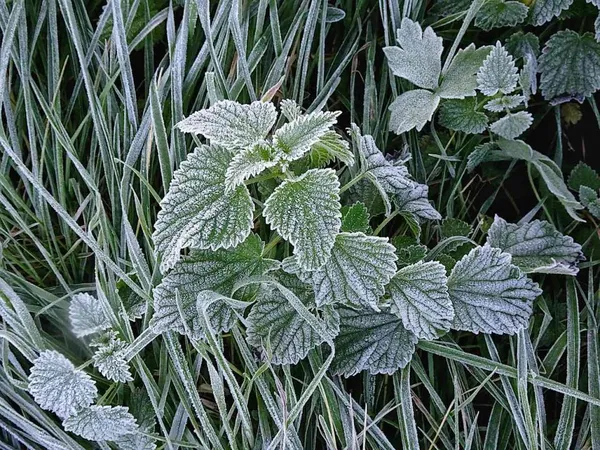
Rest assured: You can still plant in the winter. Yet you often read “unless it’s freezing.” What does that mean?
For most garden plants, planting in freezing weather is not a problem. If the plants are hardy and have been grown outdoors (rather than in a greenhouse), they will suffer little to no damage from frost and cold. Night frost and frost after planting are also not a problem.
Can you plant when it's freezing?
The only problem is daytime frost. Not so much because the plants can’t handle it (after all, they’re hardy and were grown outdoors), but because the soil is too frozen to work. This means you can’t dig a proper planting hole and/or can’t fill the hole in properly. For this reason, planting isn’t possible during frosty periods.
When should you postpone planting?
If you've just bought or ordered some plants and it's actually going to freeze, you can simply hold onto them for a while before planting them.
Plants grown in pots can easily be left in their pots for a while. For plants grown in the ground, it’s important that the roots don’t dry out. This is especially true for plants with bare roots (rootstock). Wrap the roots in a sealed plastic bag to keep them fresh a little longer and prevent them from drying out. If you can’t get around to planting them in the first few days, place them, roots and all, in a bed of sand or temporarily in the garden. This is called “storing.”
Which plants shouldn't you plant in freezing temperatures and cold weather?
Of course, there are some plants you should avoid planting when there’s a risk of frost. Don’t plant exotic plants in the winter. This also applies to many Mediterranean plants and other frost-sensitive plants. For these plants, it’s best to wait until spring. This allows them to benefit from the longest possible growing season before they have to face the first frost. By then, they will already be better established. Exotic plants that are reasonably hardy will thus be able to withstand our winters much better.
Did you end up planting any frost-sensitive plants? Protect the plants from frost and cold.
If your soil gets very wet in the winter (which is often the case with clay soil, for example), it’s best not to plant ornamental grasses in late fall or winter. There’s a risk that the roots will rot in the wet soil. It’s best to plant them in the spring instead. Incidentally, the combination of wet soil and cold temperatures in winter is more challenging for many plants than dry cold.
What if it freezes after planting? Will that cause any damage?
For most garden plants, frost after planting is not a problem. If the plants are hardy and have been grown outdoors (rather than in a greenhouse), they will suffer little to no damage from frost and cold. Night frost is also not a problem.
Frost can cause the above-ground parts of perennials to die back and may cause some frost damage to the young foliage of evergreen shrubs. In the spring, however, the plants will simply sprout fresh growth again.
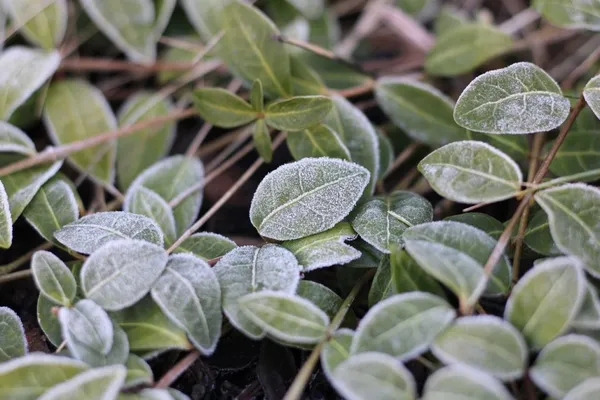
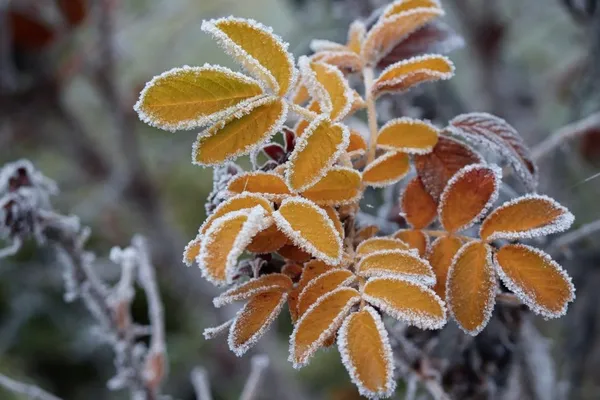
Frequently Asked Questions About Frost When Planting:
Can newly planted trees withstand frost?
Yes, as long as we're talking about hardy plants and plants grown outdoors, frost isn't a problem.
Can you plant during a frost?
Night frost is usually not a problem, since temperatures often drop only a few degrees below freezing. During the day, the soil usually softens, making planting possible after all. If the soil remains hard, however, planting should be postponed.
Can you plant during a daytime frost?
When there is frost during the day, the soil is often too hard to work. In that case, you won’t be able to dig a planting hole or fill it in properly. In this situation, wait until the soil is workable again.
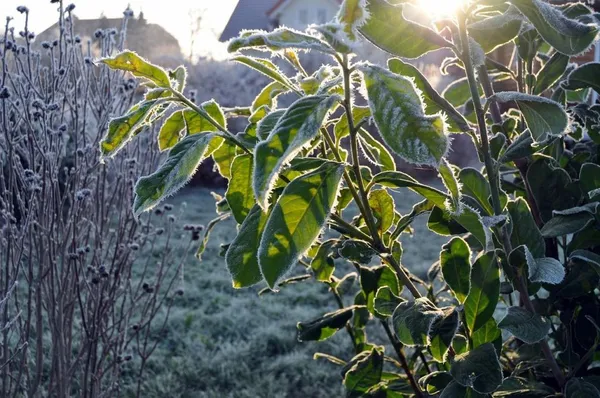
Can root crops withstand frost?
Frost is not a problem for rootstock. For plants with bare roots, the main concern is that the fine root hairs do not dry out. Therefore, protect the roots from cold, dry winds. Wrap the roots in plastic bags or cover them with burlap. Always plant rootstock as soon as possible. If this isn’t possible, temporarily store the plants in a pit.
Can perennials withstand frost?
Frost isn't a problem for perennials either. Most perennials will die back above ground in the winter. With some plants, the bare stems, seed heads, etc., will remain visible. In the spring, these plants will sprout again from the roots.
Which plants should you avoid planting in the winter?
It's best not to plant exotic plants, Mediterranean plants, and other frost-sensitive plants in the winter. If the soil gets very wet in the winter, it's also best to wait until spring to plant ornamental grasses.