
Buy Perennials in the Fall! (Plus 13 Tips for Free and Inexpensive Plants)
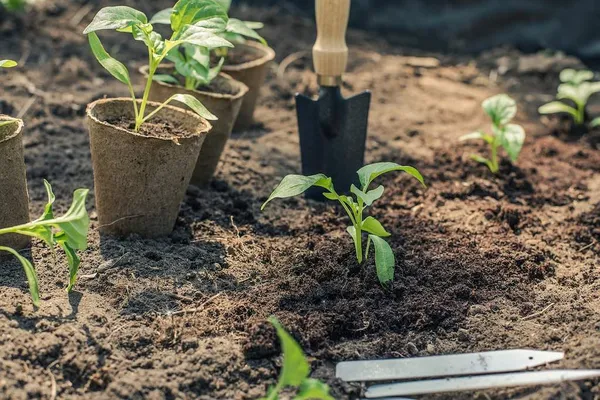
Gardening is an expensive hobby (but then again, hobbies often are)…
Landscaping a garden can be quite expensive. The costs for tools and maintenance supplies can also add up quickly.
But buying plants is also expensive, especially if they're a bit older (and more beautiful).
Still, it’s definitely possible to get plants cheaply—or even for free! So here are our tips for gardening on a tight budget.
Free or Inexpensive Plants: 14 Tips for Gardening on a Small Budget
1. Perennials are especially good value in the fall
Are you buying perennials in September and October.
Most garden centers and plant sellers offer substantial discounts on their perennials in the fall. Since many of these plants simply don’t look as nice after the summer (their above-ground parts die back in the fall and winter), sellers are often left with a surplus of them. Garden centers also tend to see fewer visitors during this time of year. Discounts range from 30% to sometimes as high as 70%. That’s definitely worth it!
Keep in mind that you’re buying these plants as an investment for next year. This year, most of them won’t bloom—or even grow—anymore. However, they can still take root now before winter sets in. That way, they’ll already have a head start in the spring. Plants take root fairly easily in the fall: the soil is still warm, and there’s usually enough rain.
If possible, check to make sure the roots aren’t too dry (or, conversely, much too wet). Often, the pots of these plants are completely filled with roots. It can also be difficult to get them out of the pots—they’re root-bound. This isn’t a big problem. When planting, you can gently loosen the roots a bit or break them up in a few places. This encourages the plant to produce new roots and, in doing so, to grow beyond the shape of the nursery pot.
2. Buy plants grown in open ground
It is best to plant hedges, shrubs, and trees between November and March.
During that period, it is actually possible to plants grown in the ground to buy (and plant). The prices of field-grown plants are usually much lower than those of potted plants. Even if the price difference is smaller, you often get much more plant for your money. There are two types of field-grown plants: rootstock (bare-root plants) and plants with a root ball (often wrapped in burlap or a piece of mesh).
Learn more about inexpensive field-grown plants: Rooted Plants or Root Balls
3. Buy your plants online at great prices
Of course, it’s a downside that you can’t see the plants before they’re delivered. Still, ordering plants online has many advantages. Your order is delivered right to your door, so you don’t have to lug around countless plants or large trees and shrubs. This saves you both money and effort. Buying online is also often very affordable (especially compared to a garden center). Plus, it’s easy to compare prices. For larger orders, you often don’t have to pay any delivery fees at all.
4. Buy your plants online: Growth Guarantee
The main advantage, however, is that virtually all major online garden centers and plant stores offer a growth guarantee on their plants. This is particularly appealing when combined with plants grown in open ground. This completely eliminates the risk of failure. Of course, be sure to read the terms and conditions carefully so that, for example, you can report the issue in a timely manner if you think your plant isn’t taking root.
5. Buy in small quantities (and be patient)!
Large plants, shrubs, and trees that have been at the nursery for years can cost a small fortune. In fact, all plants are also available in smaller sizes. For example, you can buy perennials in P9 or P11 sizes, shrubs in heights of 30–40 cm, and trees with trunk circumferences of about 6–8 cm.
It's better to buy multi-stemmed trees in a shrub form (they still have multiple stems, but they're thicker branches).
6. Buy less (and be patient)!
People often want to cover a section of their yard with plants as quickly as possible. That’s how you always see it in gardening magazines, garden makeovers, and gardening shows on TV. Of course, it looks beautiful, but it’s not necessary at all. In fact, it’s actually not good for the plants at all!
If you plant too many plants in a space that’s too small, they’ll quickly start getting in each other’s way. They’ll then limit each other’s growth and be more susceptible to disease. With fewer plants, it will take longer for them to fill the space, but they’ll grow much better and be healthier.
7. Buy seeds
You can grow many plants from seed yourself. It certainly takes a little longer, but it’s a very cost-effective way to obtain large quantities of certain plants. Plus, of course, you can be very proud when you’ve grown your own plants entirely from seed.
Are you a little less patient? Then try sowing annuals. That way, you’ll still see results this year! Every garden center carries a selection of seeds, though they’re often not displayed in a very prominent spot. Supermarkets and home improvement stores are also increasingly selling seeds during the growing season. Online, the selection of seeds is almost endless.
8. Take cuttings from your favorite plants
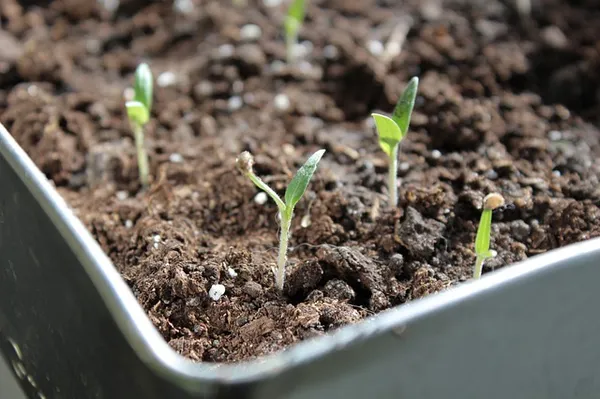
You can propagate many plants by taking cuttings. This way, you can turn pruned branches into new (free) plants. You do need a little patience, though (especially with Winter cuttings: This takes a little longer, but it's really easy!) and a spot where your cuttings can take root undisturbed and grow a little. Always take a few more cuttings than you think you'll need, because there are always some that won't root or that end up dying early on.
9. Collect seeds from all your plants
If you have a little more patience, it’s definitely worth collecting the seeds from your favorite plants in your garden. Wait until the seeds are fully ripe (dry and brown) and store them, for example, in brown paper envelopes. Store the seeds from each plant separately and clearly label which plant they’re from (and note the date as well). You can sow most seeds in the spring.
10. Ask family, friends, and neighbors for (or trade) cuttings and seeds
With a small garden, you simply can’t have an endless number of plants and varieties. I bet your neighbors, family, or friends have plants that would look great in your garden, too. Just ask them if you can take a cutting. They’ll often be delighted that you’re interested in their plants and will surely be just as curious as you are to see how they turn out.
11. Collect seeds (and cuttings) from the park in your neighborhood, municipal parks, or other public green spaces
Although it’s obviously not the intention to cause damage in a park or public green space, you can certainly take seeds or cuttings from plants that are within easy reach. Be sure to leave as much of the plant intact as possible, and use sharp, clean pruning shears! Place the cutting in a plastic bag and put it in a small pot with soil (or sand) as soon as possible.
It's even easier to collect seeds. Hold a large paper envelope under the seed heads and gently tap the ripe seeds. They'll fall right into your envelope. Don't forget to write the correct variety, location, and date on the envelope.
12. Let the herbs take root again
If you buy fresh herbs at the supermarket, such as mint or basil, you can root some of them again. You can take a cutting and plant it in a small pot with soil, but since it’s no longer very fresh, a small container of water often works better. Once the plant has roots, transplant it into a container with potting soil and make sure it doesn’t dry out. Before long, you’ll have a whole supply of fresh basil for making pesto or mint for tea (or a cocktail, of course).
13. Use the plants you already have
Have you just moved and have a new garden? Or are you planning to completely redesign your existing garden? If so, use the plants you already have as much as possible—especially larger plants and trees. Of course, it’s wonderful to plant your new garden with only plants you’ve chosen yourself. However, it takes a long time for a tree to reach maturity. So think twice before cutting down that tree you wouldn’t necessarily have chosen yourself…
Here, for example, is a mature red hawthorn. It wasn’t our first choice. Still, it’s a beautiful tree, with impressive blossoms, countless berries, and always bustling with small birds. And in the summer, the tree provides welcome shade in our sun-drenched south-facing garden!
14. Choose plants for yield
Growing herbs, vegetables, and fruit in your garden is a great way to enjoy your own harvest. Vegetables and herbs are often very affordable if you choose small plants or seeds.
Fruit from your own garden requires a bit more of an investment. Small fruits are the least expensive (berries, blackberries, raspberries, etc.). Fruit trees cost a bit more (although prices for dwarf varieties are often reasonable), and you usually won’t be able to harvest much in the first year. Still, you can save a lot of money if you can eat your own apples or pears for a few months, or if you enjoy your own fresh vegetables and herbs all season long.
By the way, there are plenty of varieties Fruit for a small garden, balcony, or rooftop terrace. And also growing Vegetables in a Small Garden No problem!
(15.) What about selling plants on Marktplaats?
Ads from people looking to get rid of their plants appear fairly regularly on Marktplaats (and similar sites). Sometimes they’re even completely free! Often, though, there’s something wrong with the plants, or you’ll have to go dig them up yourself. In the fall, winter, or early spring, it might be worth giving this a try. You might just snag a nice specimen. Still, don’t forget that you’ll likely have to pay for shipping or other costs. You could also end up introducing diseases or weeds into your garden this way. So be sure to weigh your options carefully!