
What are you allowed (and required) to do in the garden of a rental property?
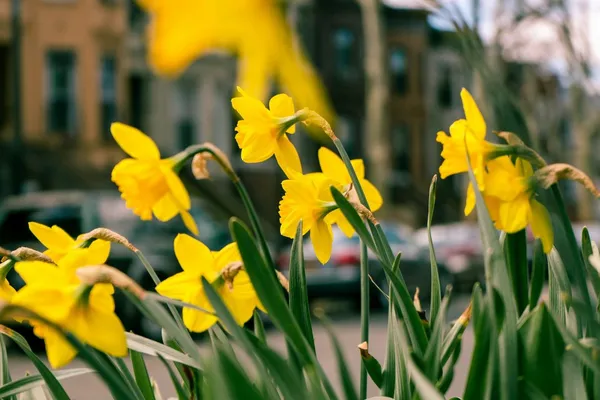
Even if you live in a rental home, you naturally want a nice garden. But many renters are hesitant to simply make changes to their garden or make it greener—they don’t want any trouble with the landlord. Are you actually allowed to plant new plants, shrubs, and trees in the ground? Can you remove tiles? Or does everything have to stay exactly as it was?
In addition, many rental homes have smaller yards. Not a huge plot of land, but a compact outdoor space where any changes are immediately noticeable. That makes it especially helpful to know exactly what is and isn’t allowed.
Who is responsible for the garden?
The garden is part of the rental property and is therefore largely your responsibility. This means that, as a tenant, you are responsible for routine maintenance. The landlord remains responsible for larger, permanent features.
In practice, it boils down to this: you keep the yard tidy, and the landlord is responsible for structures such as walls, permanent fences, or serious subsidence—unless you caused them yourself.
What should you do as a tenant?
Tenants are expected to maintain the yard and not cause any disturbances. It doesn't have to be perfect or immaculate, but it should be well-kept.
This includes, among other things:
- weeding
- Pruning Plants and Shrubs
- mowing the lawn (if there is one)
- cleaning up leaves and debris
Especially in a smaller garden, this is usually easy to manage: overdue maintenance stands out more quickly, but it’s also easier to keep up with.
Tip: In any case, make sure your front yard looks neat and tidy; this will help prevent any complaints or problems.
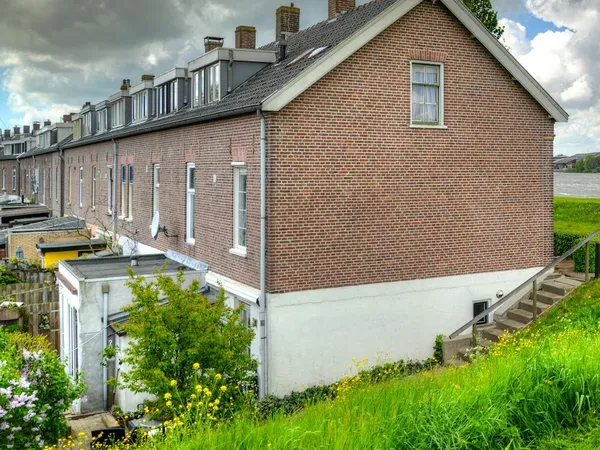
What changes are you allowed to make to the yard of a rental property?
There is often some confusion about this. Many tenants think they aren't allowed to make any changes, but that's not true. In most cases, you're allowed to make changes, as long as you don't damage the yard and the changes can be reversed.
Generally permitted:
- Planting plants in the ground
- keeping plants in pots
- Making flower boxes or raised beds
- Creating a Small Vegetable Garden
- Replace tiles with greenery (don't just throw the tiles away)
- Individual pieces of patio furniture and garden decor
Many landlords not only allow additional greenery, but sometimes even encourage it.
Tip: Does your lease state that you’re not allowed to plant shrubs and trees in the ground? Consider a garden in pots and planters. An added bonus is that you can easily take them with you if you ever move to a new home.
What shouldn't you change in the garden without thinking it through?
Permanent or major changes usually require the landlord's permission. These are modifications that are difficult to remove or that affect the building's structure or accessibility.
For example:
- planting a tree
- installing or replacing the fence
- changing access
- Install a canopy, porches, or a shed
- digging a pond or carrying out other major excavation work
Are you unsure whether something is considered “final”? If so, it’s a good idea to discuss this in advance and put any agreements in writing.
Public housing or private rental: Does it make a difference?
Yes, this can certainly make a difference. In the case of public housing (housing cooperatives), the rules are often clearly defined. Cooperatives usually have standard guidelines regarding yards and modifications, and are often predictable in terms of what is and isn’t allowed.
With private rentals, it depends more on the landlord and the terms of the lease. Some landlords allow a lot of flexibility, while others require prior approval for almost every change.
In both cases, the following applies: anything not specified in the contract is subject to the general rules governing tenants and maintenance.
What happens when the lease ends?
When you move, the yard usually has to be returned to its original condition. Anything you’ve added must then be removed—unless you’ve made other arrangements.
Sometimes the next tenant will keep the changes you’ve made, but that’s not a given. So always make sure that any changes are reversible or that you have a written agreement in place.
Enjoy your (rented) garden
A garden at a rental property doesn't have to be a source of uncertainty or stress. If you know what you're allowed to do, what you need to maintain, and what you should ask for permission to do first, you can turn it into a pleasant outdoor space.
Whether your garden is large or small, making the right choices will help you keep everything organized and tidy—and allow you to enjoy it to the fullest. With smart solutions, low-maintenance plants, and a little creativity, you can turn even a rental garden into a pleasant place.