
All About Flower Bulbs
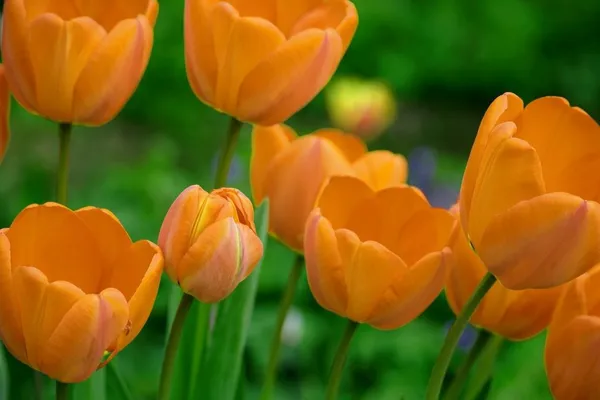
Flower bulbs are ideal for a blooming border early in the year—or as underplanting for deciduous shrubs and trees. From beautiful pastel shades to truly vibrant colors, they’ll brighten up your garden starting in early spring! Think snowdrops, daffodils, grape hyacinths, tulips… But don’t forget the summer-blooming flower bulbs either (dahlias, lilies, agapanthus, gladiolus, etc.). There are even some flower bulbs that don’t bloom until fall, such as cyclamen and nerine.
What is a Flower Bulb?
A flower bulb is a plant that grows from a stem portion located underground, which is often bulb-shaped. A characteristic feature of flower bulbs is that a period of growth and flowering alternates with a period of dormancy. In addition to flower bulbs, tubers are also classified as flower bulbs.
What kinds of flower bulbs are there?
Flower bulbs are best categorized based on their blooming period. For example, there are the best-known spring-flowering bulbs (such as daffodils and tulips), summer-flowering bulbs (dahlias and gladiolus), and fall-flowering bulbs (such as cyclamen). The term “flower bulbs” also includes tubers such as dahlias (root tubers), crocuses (stem tubers), and gladioli. These plants store reserve food in their roots or stems, resulting in thicker, misshapen, and fleshy roots.
Flower bulbs in the garden or flower bed
Flower bulbs let you add color to your garden early on. There are many types of spring-blooming flower bulbs. If you have a perennial border, flower bulbs that bloom (early) in the spring are the ideal complement. That’s because the perennials will still be underground at that point, or their first shoots will just be starting to appear. Flower bulbs are also ideal for planting beneath deciduous shrubs and trees. For a beautiful (and more natural) effect, you can also plant flower bulbs in the lawn. Think of crocuses, snowdrops, and daffodils, for example. Spring-blooming flower bulbs provide nectar for insects, bees, and butterflies early in the season. Summer-blooming flower bulbs add plenty of extra charm and color to your border, and some varieties bloom right up until the first frost!
Would you like to Buy Flower Bulbs for your garden? In this article, we’ll discuss the different types of flower bulbs, their ideal planting locations, care, and pruning, and we’ll provide an overview of popular flower bulbs that are suitable for sunny spots in the garden or, conversely, shady areas, as well as for clay, sandy, or acidic soil.
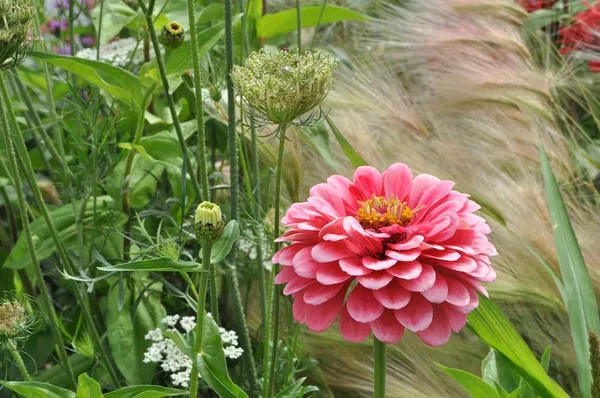
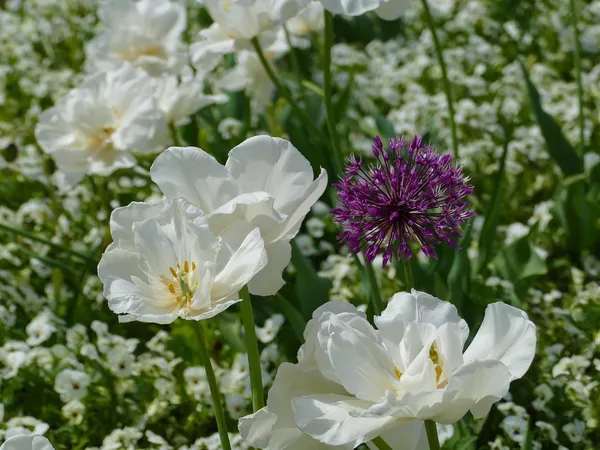
Popular Spring-Blooming Flower Bulbs
- Anemone (Anemone)
- Grape hyacinths (Muscari)
- Spanish bluebell (Hyacinthoides hispanica)
- Dwarf Iris (Iris reticulata)
- Dogtooth Violet (Erythronium)
- Bluebell (Hyacinthoides)
- Imperial Crown (Fritillaria imperialis)
- Lark's-spur (Fritillaria)
- Crocus (Crocus)
- Cleopatra's Needle (Eremurus)
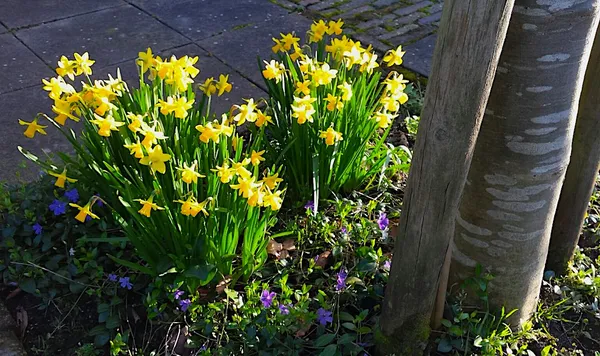
- Daffodil (Narcissus)
- Prairie Lily (Camassia)
- Ornamental Onion (Allium)
- Snowdrop (Chionodoxa)
- Snowdrops (Galanthus)
- Star Hyacinth (Scilla)
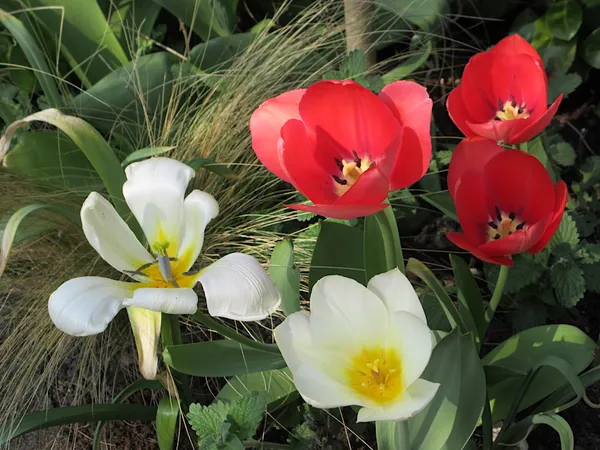
- Tulip (Tulipa)
- Winter aconite (Eranthis)
- Summer Snowflake (Leucojum)
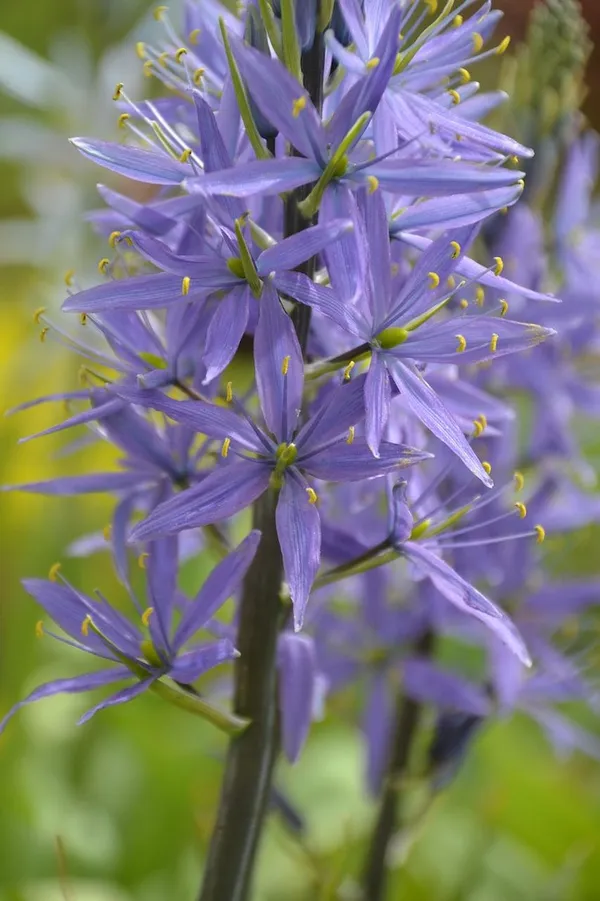
Camassia
Flower bulbs that bloom early in the spring
- Grape hyacinths (Muscari)
- Crocus (Crocus)
- Snowdrops (Galanthus nivalis)
- Winter aconite (Eranthis)
- Early-blooming daffodil (Narcissus: including “February Silver” and “February Gold”)
View the entire List of all early-blooming flower bulbs
Summer-flowering bulbs
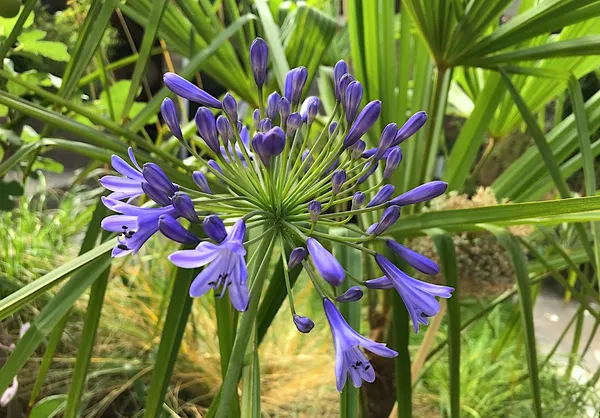
- Agapanthus (Cape lily)
- American iris (Iris)
- Pineapple Plant or Crested Lily (Eucomis)
- Calla Lily (Zantedeschia)
- Begonia
- Canna (flowering cane)
- Crocosmia (montbretia)
- Dahlia
- Gladiolus (Gladiolus)
- Lily (Lilium)
- Lily of the Valley (Convallaria)
- Buttercup (Ranunculus)
- Solomon's Seal (Polygonatum)
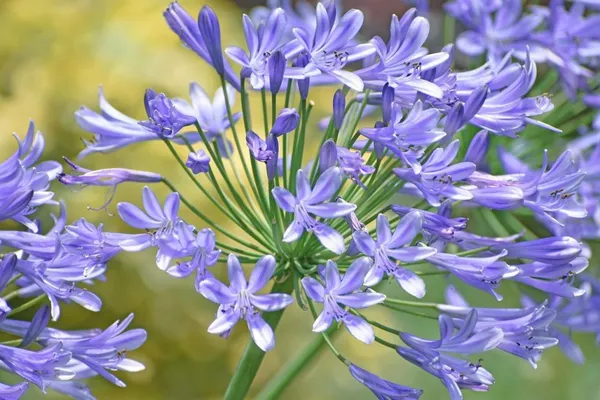
Agapanthus
Fall-flowering bulbs
- Amarine
- Cyclamen (Cyclamen)
- Autumn Crocus (Colchicum)
- Nerine (cliff lily)
Location, Care, and Pruning of Flower Bulbs
To get the most out of healthy flower bulbs—ensuring good growth and abundant blooms—it’s important to plant each one in the right spot. Know what kind of soil you have in your garden and which areas get a lot of sun—or very little.
When deciding on the right spot in your garden, first take a close look at the conditions, the plant’s characteristics, and its requirements regarding its location. Learn more about the plants first, and then choose only those that are suitable for your garden.
See also our previous article: 33 Tips for Planting Flower Bulbs in Your Garden
How much sun?
A distinction is made between Full sun (more than 5–6 hours of direct sunlight), partial sun, or Partial shade (up to 4 hours of sunshine), Shadow (less than 4 hours of sunshine) and Deep Shadow (virtually no sun). Most flower bulbs thrive in plenty of sun.
Open or sheltered site?
Some flower bulbs require a sheltered spot, out of the wind, or at least protected from the cold east wind in winter. These are often plants that not hardy or less hardy in our climate. A south-facing or west-facing wall is ideal for this. These plants often also prefer well-drained soil, so they don’t get too wet in the winter. Agapanthus and dahlias prefer a sheltered spot (or you can dig them up in the winter).
What type of soil?
The soil is also important for your plants to grow well. Some plants aren’t very picky when it comes to soil type, but many plants do require a specific type of soil. In our country, the following soil types are most common: clay soil, sandy soil, and peat soil (acidic soil).
You can read more about soil and soil types in our article “Soil – Soil Type, Acidity, and Drainage“
Water and Fertilizer for Flower Bulbs
Water generously after planting. If conditions are right (well-drained soil and not too wet in the winter), most flower bulbs will emerge well without too much help. Once they’ve formed leaves and there’s a prolonged dry spell, you can water them a little more. It’s also a good idea to water them more during the blooming period. If needed, you can apply a little liquid plant fertilizer during this time. If you want to save them for next year, you’ll need to let them remain in the ground after they finish blooming, until all the foliage has completely died back.
Learn more about Watering (how much and how often), or about Fertilizing Plants (When and How).
Pruning Flower Bulbs
Pruning is not necessary for most flower bulbs. They will die back completely later in the year. However, it may be wise to cut off spent flowers or seed heads that are just beginning to form. This way, the plant doesn’t waste energy on seed production, and all its energy can go toward the bulb and its development for next year. In that case, never remove the foliage; instead, let it die back naturally (and completely).
See also our blog: Should you cut off flower bulbs that have finished blooming?
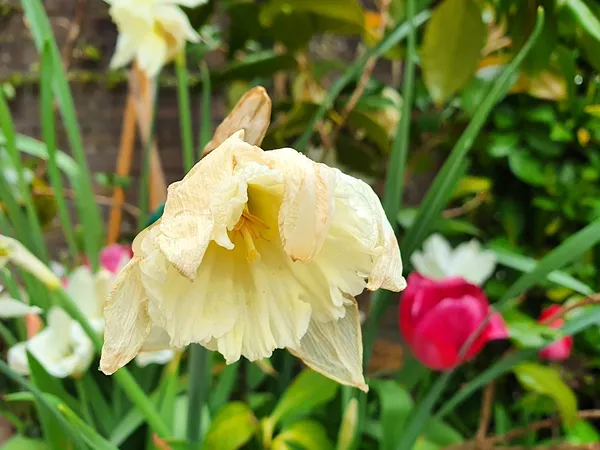
Flower Bulbs: Sun or Shade?
Many flower bulbs prefer a warmer spot in the sun. This allows them to grow and bloom to their full potential. In the shade, there’s a chance they won’t bloom as well or won’t emerge until later. Since many trees and shrubs haven’t yet sprouted leaves in early spring, the flower bulbs won’t suffer from a lack of sun during that time.
Soil Type for Flower Bulbs
Almost all flower bulbs thrive in well-aerated soil with good drainage. If the soil is too wet—especially in the winter—there’s a high risk that the bulbs will rot. More about soil, ground, and acidity, as you can read in our previous blog post.
Planting Flower Bulbs
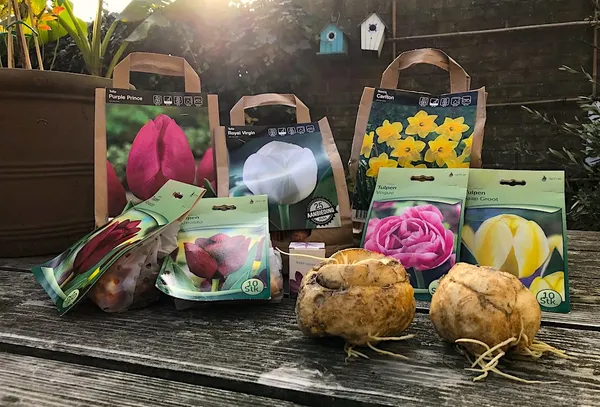
When should you plant flower bulbs?
You can’t plant flower bulbs all year round. They aren’t available all year round either. Want to make sure you can plant specific varieties? Then order your flower bulbs early and store them until it’s time to plant them. Don’t have a permanent spot yet, or do you want to prevent summer-blooming varieties from being eaten by snails? Then plant them in pots and move them to the ground or their final spot later.
Spring-flowering bulbs
You can plant flower bulbs from September/October through December. It’s best not to plant tulips too early (due to the risk of disease). Most other varieties can be planted early without any problems.
Summer-flowering bulbs and bulbs that bloom in the fall
You can plant these flower bulbs between April and May. Wait until the last chance of frost has passed. Planting them any later may prevent them from blooming this year.
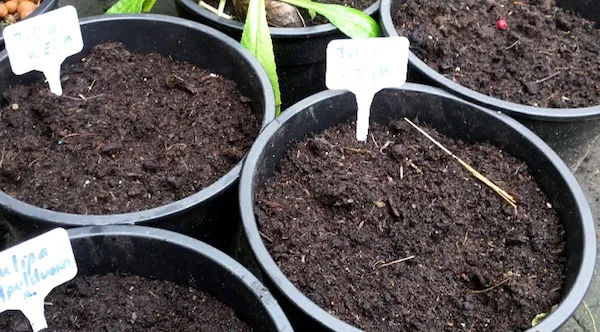
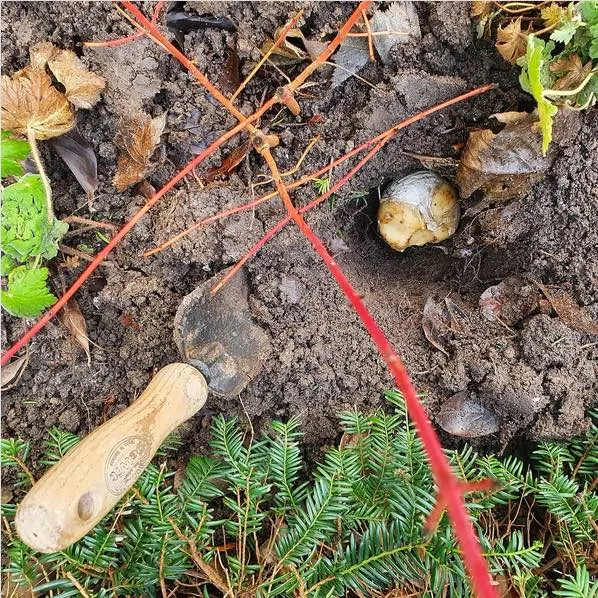
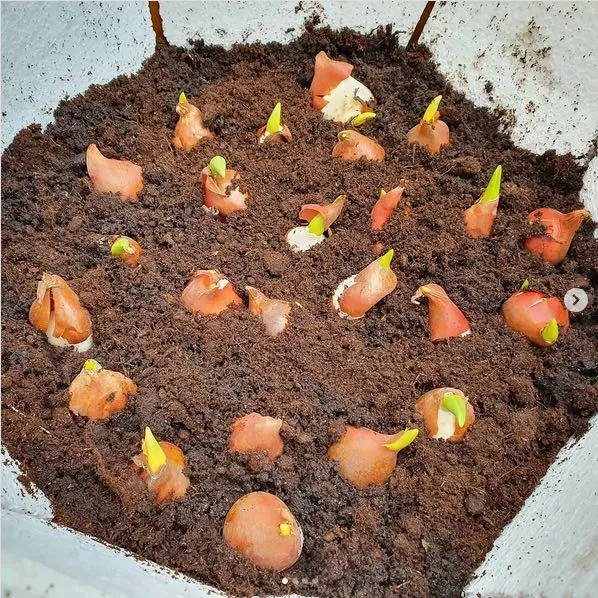
How do you plant flower bulbs (and how deep)?
- Start planting flower bulbs early so you can enjoy them as early as the beginning of spring.
- Plant in stages: By not planting everything at once, you can ensure that the blooms are spread out over the season.
- Plant flower bulbs 2–3 times as deep as the bulb is tall.
- Plant small flower bulbs about 5 cm apart, larger bulbs about 10 cm apart (this applies to most), and space very large bulbs about 20–25 cm apart.
- Plant the flower bulbs with the right side facing up: For most flower bulbs, this means with the pointed end facing up.
- For small flower bulbs, keep the roots at the base.
- Plant the tubers with the eyes facing upward.
- Many flower bulbs actually come from warmer regions, so don't forget to improve the soil's drainage.
- Water generously after planting.
- You can also attach a (stick-in) label to the flower bulbs you've planted, so you'll know next spring which bulbs will come up where.
What's your favorite flower bulb in the garden?
* This post contains a sponsored link