
How can you add structure to your vegetable garden or picking garden and prevent it from looking bare in the winter?
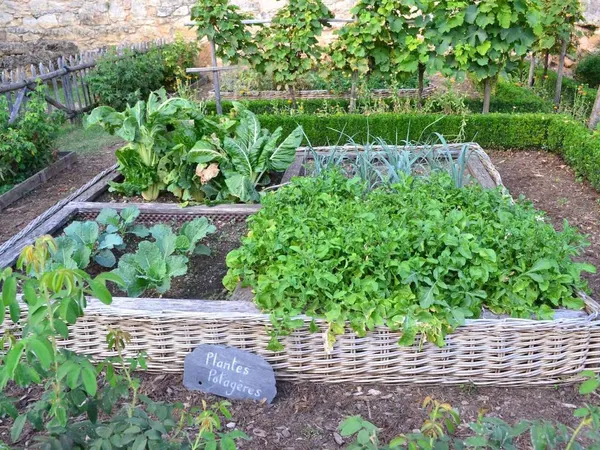
Growing fruits and vegetables in your own garden is wonderful! Not only does your food taste fresher and better, but it’s also incredibly rewarding—AND you save money on groceries. You can also save a lot by growing cut flowers in your own garden, and you’ll always have beautiful, fresh flowers and plants in your home. However, a harvest garden or vegetable garden is quite different from an ornamental garden. It’s primarily a garden where you do work. As a result, the garden can sometimes look quite messy. After harvesting the fruit, vegetables, or flowers, your garden often suddenly looks a lot less attractive. In the winter, a foraging garden, vegetable garden, fruit garden, or herb garden can look quite bare and empty. So make sure to create some structure in your vegetable garden. This is especially important in a small garden: After all, it’s the view from your home, and it’s hard to hide the less attractive parts.
How can you keep a pick-your-own garden or vegetable garden from looking bare and empty in the winter?
To ensure you have a beautiful garden all year round, it’s important to incorporate structure into the design of your vegetable garden or herb garden. This prevents your garden from looking empty and bare in the winter and helps it maintain its shape year-round.
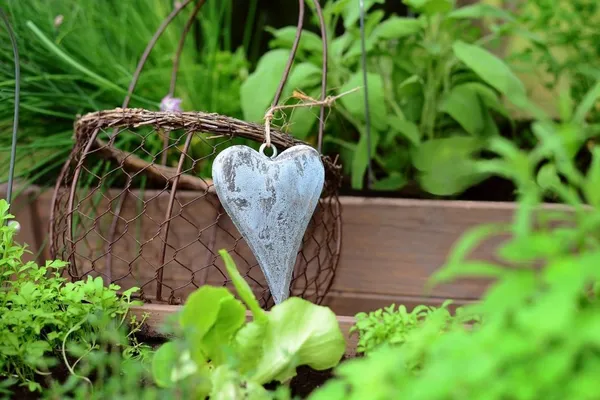
By the way, who says you can’t or shouldn’t add garden decorations to a vegetable garden or pick-your-own garden? With a few nice pots, planters, large lanterns, or a beautiful garden statue, you can create some lovely displays, and these elements will still look great in the winter.
How do you create structure in a vegetable garden or picking garden?
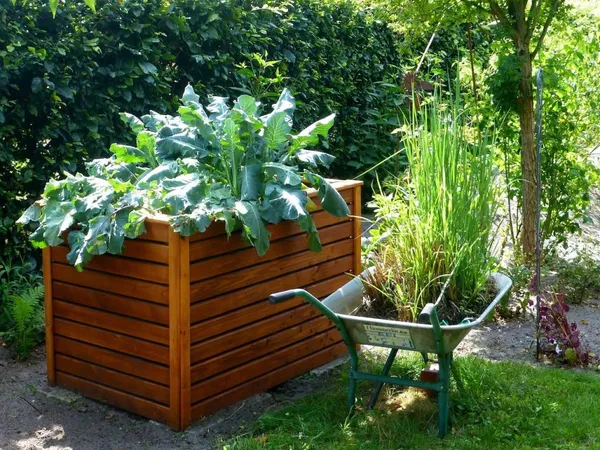
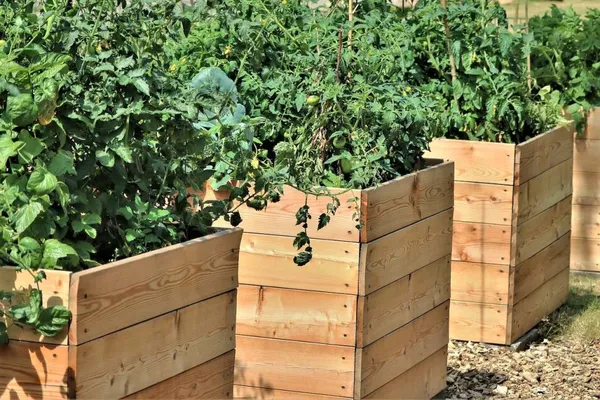
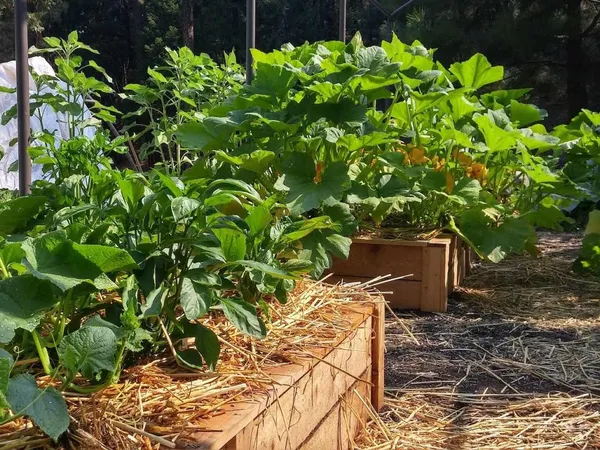
The best way to create structure is with straight lines. Think of straight paths, neat and uniform raised beds, border edging, symmetrically arranged planters, baskets, and pots—but evergreen plants are also perfect for adding structure to your vegetable garden.
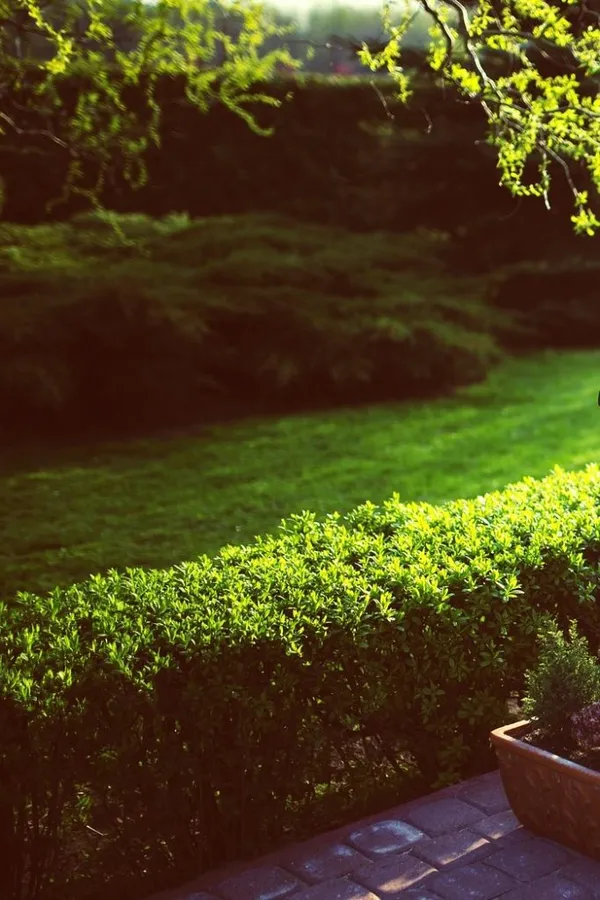
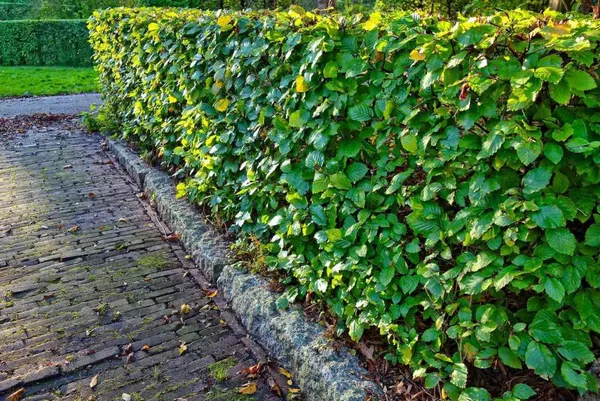
Hedge plants are ideal for adding structure to a vegetable garden or picking garden. Evergreen hedges provide a lush, green appearance all year round. But even deciduous hedges still add structure and shape to the garden in winter, with their trunks and branches.
With a well-placed hedge, you can create different garden spaces. This gives you a spot that’s screened from view—perfect for your vegetable garden, herb garden, or cut-flower garden. It could also be a low hedge that merely suggests a private space.
Ornamental grasses are also great for adding texture. Of course, you shouldn't prune them in the fall—wait until spring!
Use evergreen plants
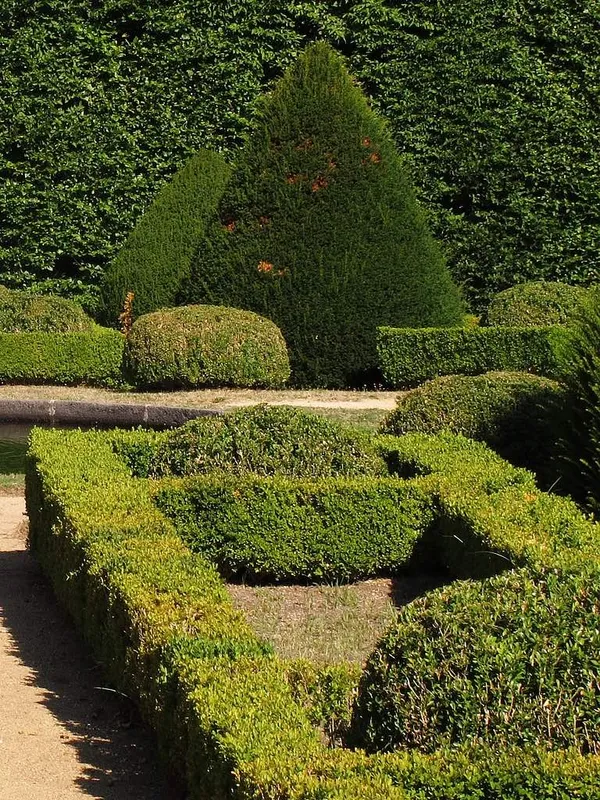
In addition to hedge plants, you can also use evergreen shrubs for topiary. Think of blocks, spheres, arches, pyramids, cones, and all sorts of other shapes. They’re perfect for adding an evergreen element to your borders.
Feel free to plant a few evergreen perennials—or plants that retain their structure and shape for a long time—in your borders (such as Helleborus, Phlomis, Eryngium, etc.). You can simply plant these among your vegetables, herbs, or flowers. This way, your vegetable garden border or cut-flower border will stay beautiful longer.
You can also brighten up your edible garden in the winter with winter-blooming plants. Don’t forget the early spring bloomers (such as flower bulbs) and plants that start sprouting early in the season. That way, there will be something to see in your garden even in (early) spring.