
A profusion of flowers in pots, boxes, and planters – On Nynde’s bee balcony
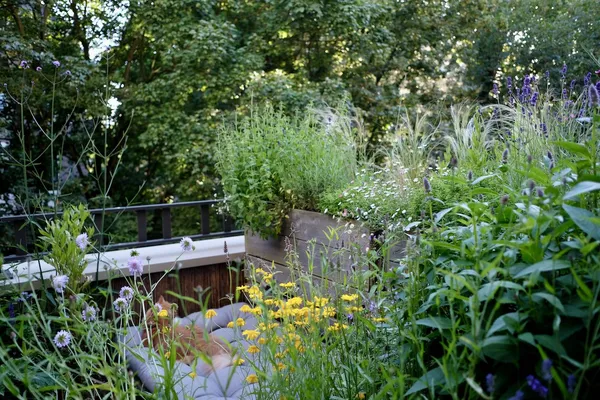
Nynde has transformed her bare 17m² city balcony into a vibrant haven for wild bees, butterflies, and other animals. You may already know Nynde from her Instagram account, “Bijenbalkon,” and her blogs for the Bijenstichting. From now on, you can also read her tips and fun blog posts here about biodiverse balcony gardening and greening even the smallest balconies.
Fill pots, boxes, and tubs
As temperatures rise and everything gradually turns greener, the first bees are already buzzing about. Spring bulbs are in bloom, and on my balcony, the currant bush, with its enchantingly beautiful white blossoms, is fully heralding the arrival of spring. Hopefully, you’ve already taken the first steps toward creating a biodiverse paradise by assessing the hours of sunlight on your balcony and selecting non-toxic plants to go with them. Now it’s time to throw open the balcony doors and get to work filling pots, planters, and tubs, so that in the coming weeks you can enjoy your lush, blooming oasis together with the bees and other little creatures.
A Home for Your Plants
Let’s be honest, if you’re limited to pots and containers, you just have to put in a little extra effort. But with the right approach and a little love, your plants can grow just as well as they would in the ground. Whether you’re giving an old bucket a new lease on life or opting for a classic terracotta pot, with a little creativity, you can turn any object into a feast for bees.
No matter what you’re growing, always make sure the soil has drainage holes so excess water can drain away easily and your plants don’t drown at the first sign of rain. If you have a pot or container without holes in the bottom, you can easily drill a few holes yourself with a drill. Also, choose pots that are as deep as possible, so your plants have enough room to grow into sturdy specimens with plenty of flowers, where bees will soon find an abundance of nectar and pollen. Plus, the soil in a large pot will dry out less quickly, your plants will be able to absorb more nutrients, and you’ll need to repot them less often.
Tip: Are you, like me, one of the lucky ones with a somewhat spacious balcony? Then gardening in concrete tubs is the perfect solution. You can buy these at the hardware store, and they weigh next to nothing. You can group several plants together in them and create an amazing balcony border.
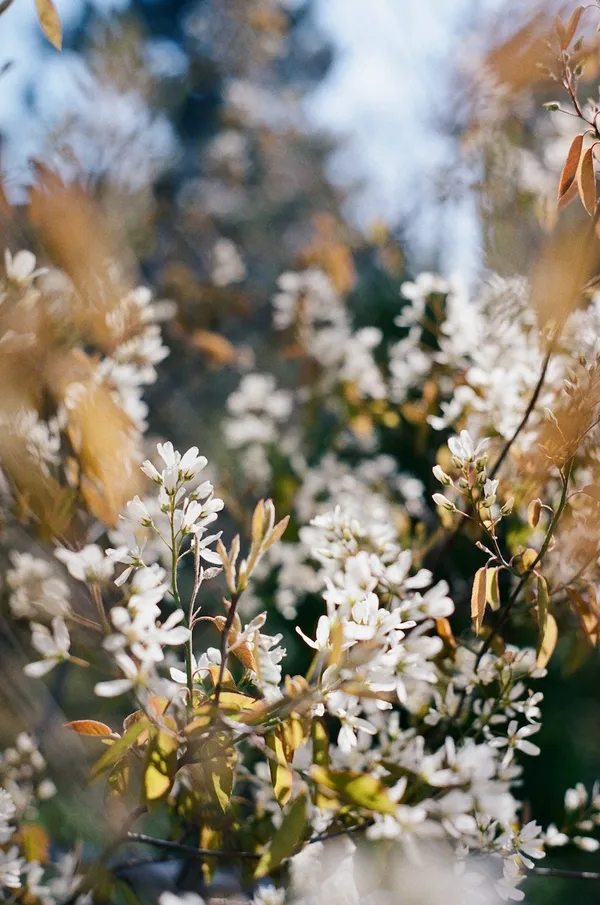
Amelanchier Blossom
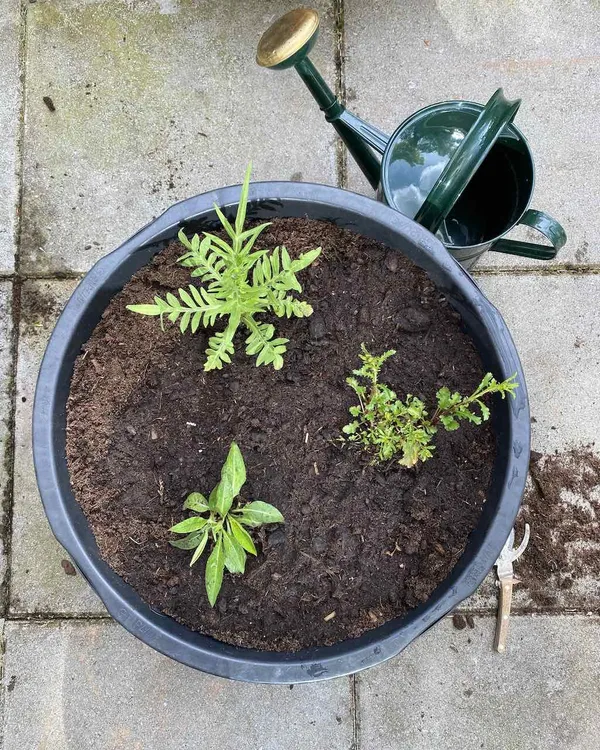
Planting in a concrete planter
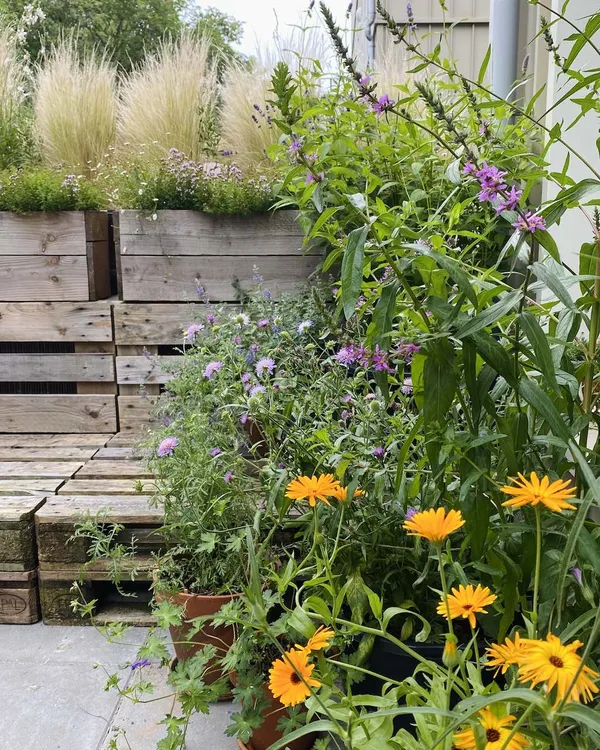
Balcony Border
Building a Pot from the Inside Out
To start, place a few pot shards over the hole in the bottom of your pot, followed by a thin layer of hydro pellets. These clay pellets help regulate water retention and keep your plants’ roots healthy. The pot shards prevent the hydro pellets from rolling out of the hole. So if you ever break a pot, save the shards for your next flowerpot.
Next, fill the pot with organic, peat-free potting soil. I like to use Bio-Kultura potting soil for my plants. This soil provides a healthy foundation and is available both online and at various retailers throughout the country. Now carefully remove the plant from its seedling pot and place it in its new home. Fill the pot with potting soil to about two centimeters below the rim, press down gently, and water it right away. Now it’s time to wait and enjoy the growth and blooms to come.
Keep in mind that pots don’t contain any natural soil life to nourish your plants, so you’ll need to fertilize them occasionally. You can do this with worm compost or fertilizer pellets, for example, and it’s best to do so twice a year, around March/April and July/August. Your plants—and the bees—will thank you.
Tip: Do you have an empty bag of potting soil lying around? Cut a few holes in it and use the bag to line the inside of a wooden planter or crate. This way, you fill in the space between the slats, protect the wood from moisture, and are also recycling.
From Plants to Seeding
Perennials such as scabious (Knautia), wild marjoram (Origanum), licorice plant (Agastache), and catnip (Nepeta) are fantastic because they last for years and bloom for a long time, providing food for pollinators for months on end. Together with flower bulbs, they form the foundation of my balcony garden, but in April I also always sow some annuals such as corn cockle (Agrostemma), cornflower (Centaurea), true chamomile (Matricaria), and phacelia (Phacelia) for extra color and blooms in the summer.
The great thing about seeds is that you can always find a spot for them. For example, plant some nasturtium (Nasturtium) seeds among your other plants. Bumblebees and butterflies love them. Or let the fragrant lathyrus climb along your balcony railing. The name says it all: this plant is particularly favored by the Lathyrus bee, a rare species that was named “Bee of the Year 2024” by the Bee Foundation just last year. If you sow this plant on your balcony, you’ll be giving this bee a helping hand. Whatever you choose to sow, always opt for organic seeds. You can’t go wrong with seeds from De Bolster.
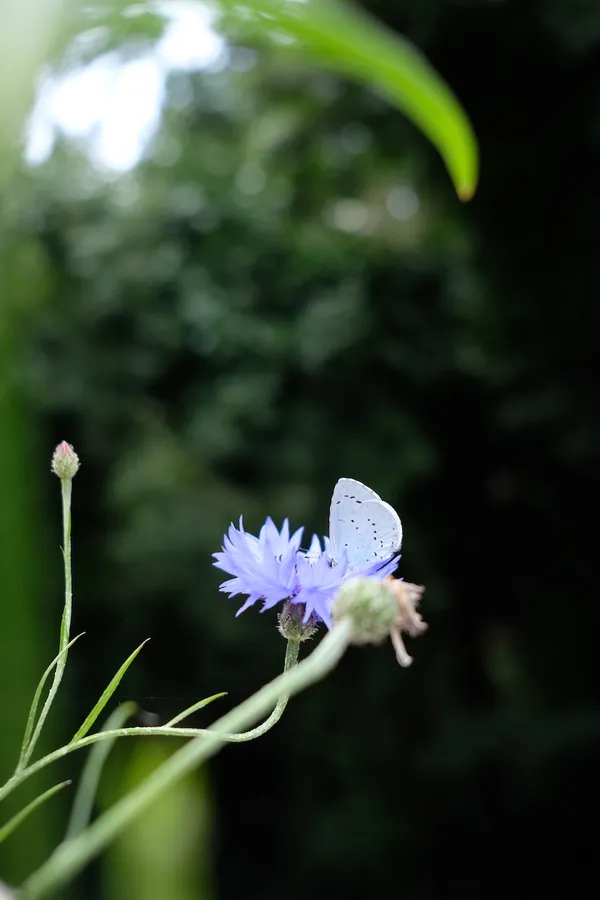
Centaurea
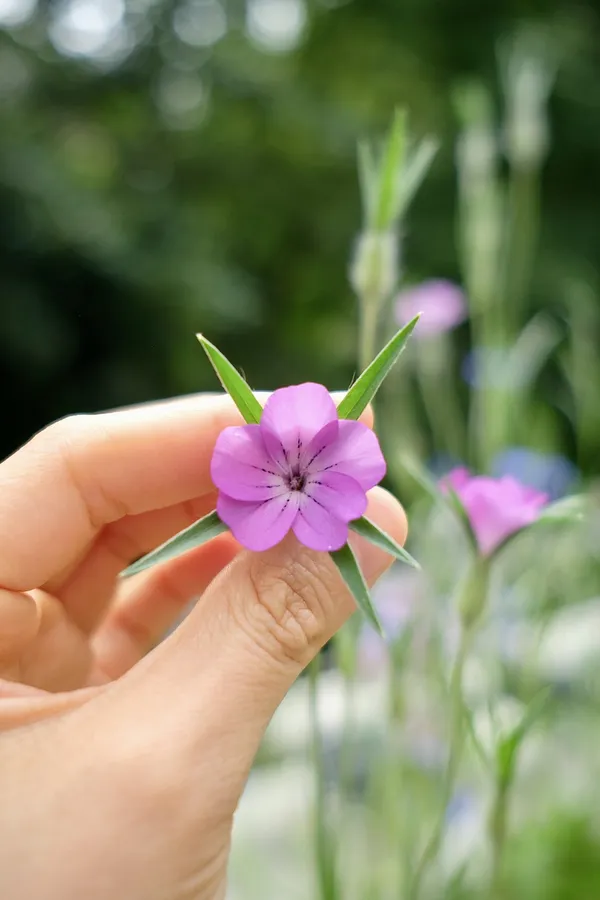
Agrostemma
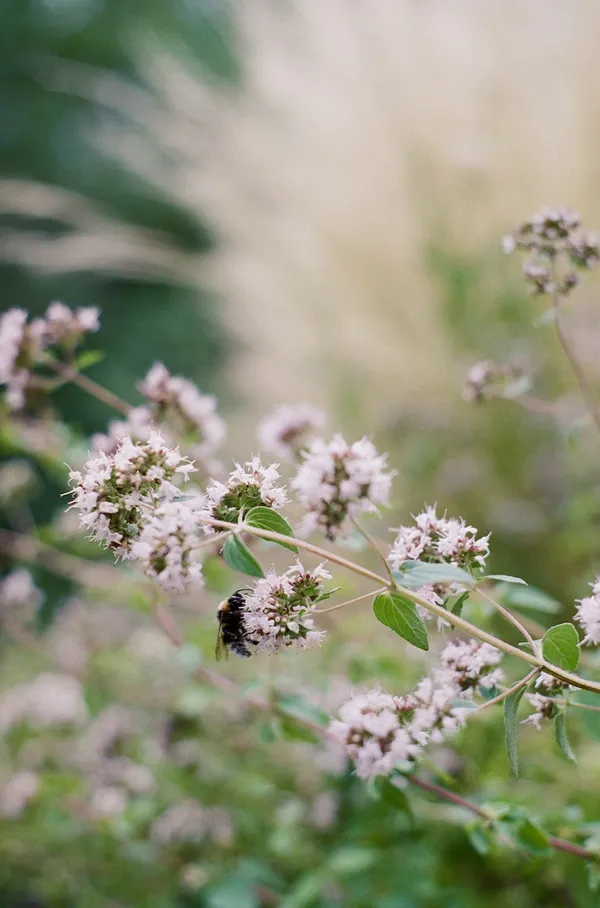
Origanum
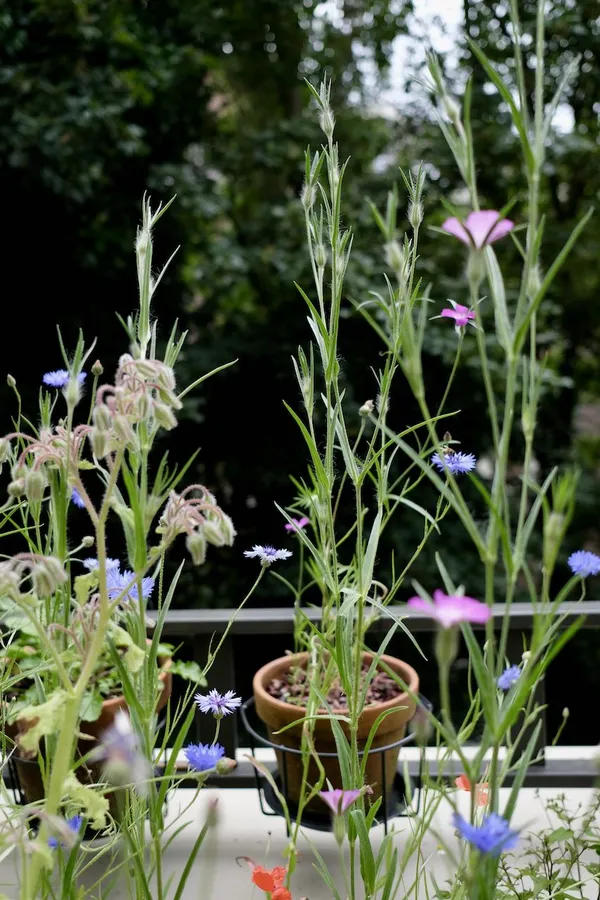
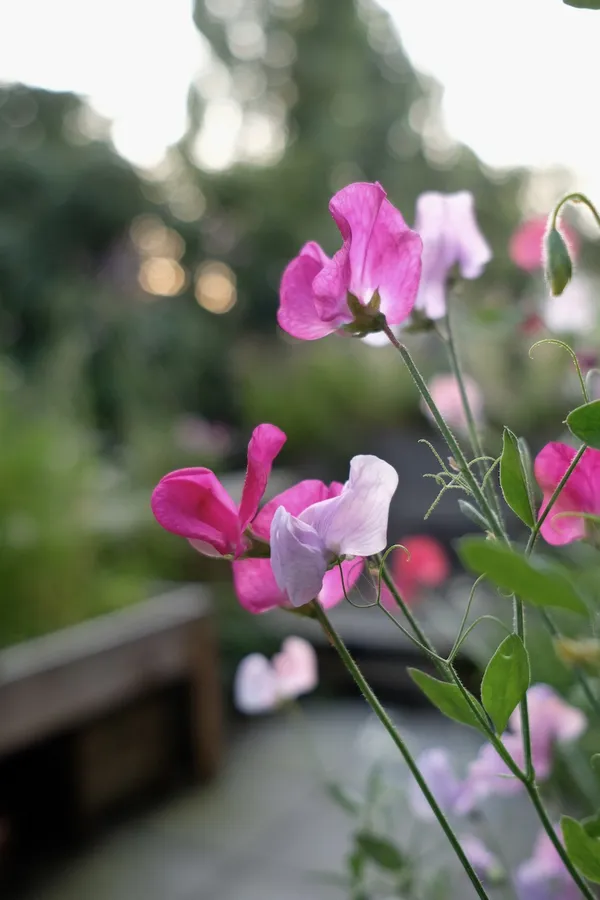
Lathyrus
Well! Now that everything’s in pots and containers, it’s really starting to take shape. Did you leave a little space for a chair so you can admire all this life later on? It doesn’t all have to be finished at once. You can keep adding things throughout the year. After two years, my balcony is still growing and changing, and that’s exactly what makes it so much fun. The most important thing is that you enjoy it and that you just start somewhere. My motto: there’s always room for one more pot!
Tip: On April 22, we celebrate National Planting Day and Earth Day—the perfect day to plant flowers on your balcony and help boost biodiversity in your neighborhood.