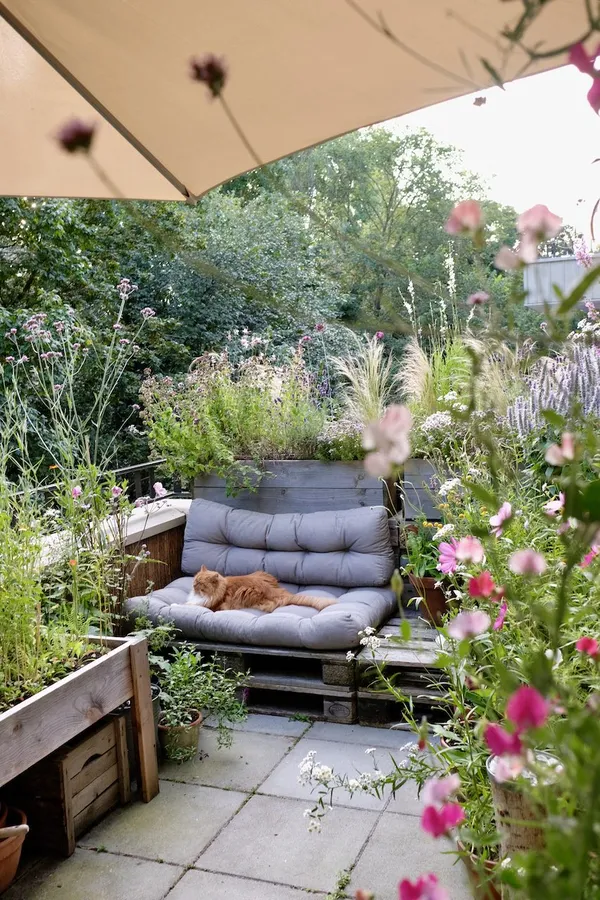
A good start is half the battle – On Nynde's bee balcony
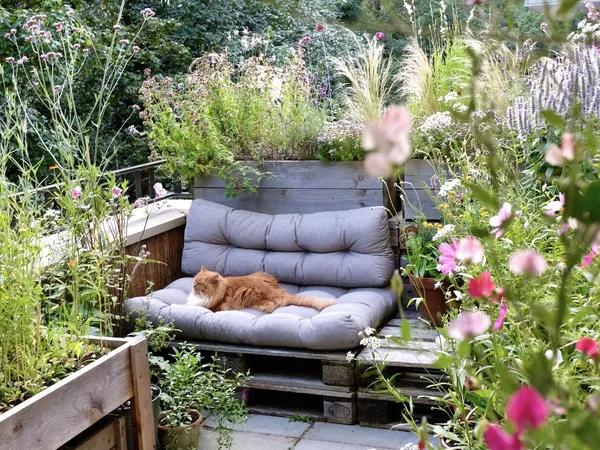
Nynde has transformed her bare 17-square-meter city balcony into a lively haven for wild bees, butterflies, and other animals. You may already know Nynde from her Instagram account, “Bee Balcony,” and her blogs for the Bee Foundation. From now on, you can also read her tips and fun blog posts here about biodiverse balcony gardening and greening even the smallest balconies.
A Good Start
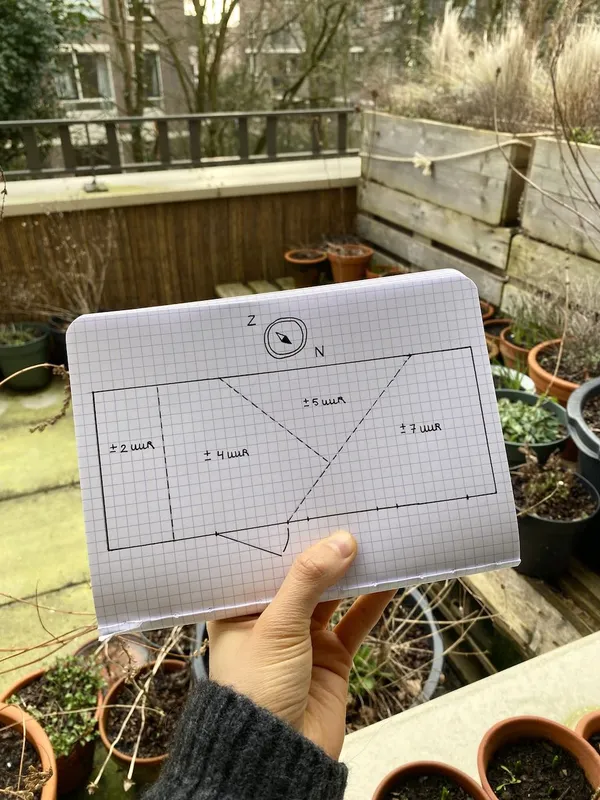
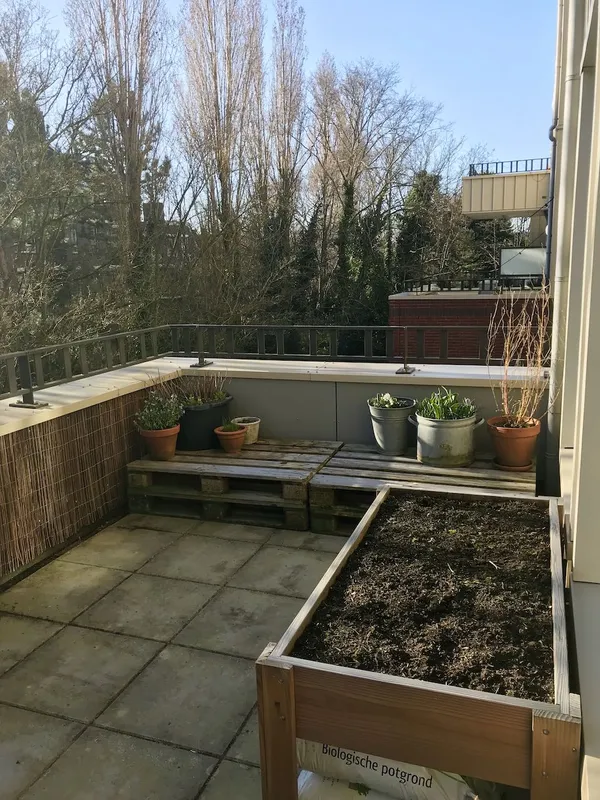
Yes! You’re planning to make your balcony bee-friendly. But where do you actually start? That’s the question I asked myself two years ago when I looked out at my vast, barren terrace. The goal is to attract more wild bees, bumblebees, and other wildlife, so you want the plants on your balcony to thrive so there’s plenty of food available. After all, the plants will form the foundation of your buzzing oasis—because without food, there are no bees. That’s why an important first step is to determine how many hours of sunlight your balcony gets. It’s a bit of a tedious task, but trust me, a good start is half the battle.
North-East-South-West
There are three categories that indicate what kind of location a plant thrives in: sun (at least 5 hours of full sun), partial shade (between 3 and 5 hours of full sun), and shade (up to 2 hours of sun). So ask yourself: Is your balcony in full sun? Is part of it perhaps in the shade? Or is it mainly in partial shade? Here’s how to do it: take a piece of graph paper, draw a scale drawing of your balcony, count how many hours of sun each part of your balcony gets, and mark that on the drawing.
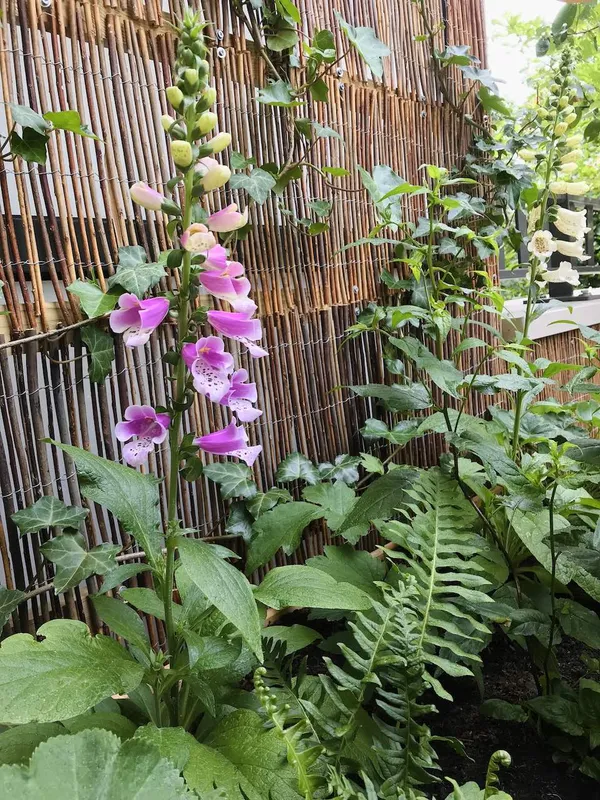
The best time to calculate sunlight exposure is in the middle of summer when the sun is at its highest, but these days there are very handy apps that let you do this at any time of the year. Of course, a sunny south-facing balcony offers more possibilities, but even on a shady north-facing balcony, you can grow plants that are beneficial to bees. Think of the beautiful foxglove, wild columbine, or dark cranesbill. Also check right away to see if your balcony catches the wind in certain corners. For example, if—like me—you live near the sea, it’s a good idea to take that into account.
Once you’ve mapped all this out a bit, you can then choose the right spot for each plant and also decide right away where to place your bee hotel. Place it in a sunny and, above all, sheltered spot—preferably one that gets both morning and afternoon sun.
Tip: Don't forget that every balcony has a maximum weight limit. So be sure to check your balcony's weight capacity in advance. This will help you avoid unexpected surprises or annoying leaks.
Choosing Plants: What Should You Look For?
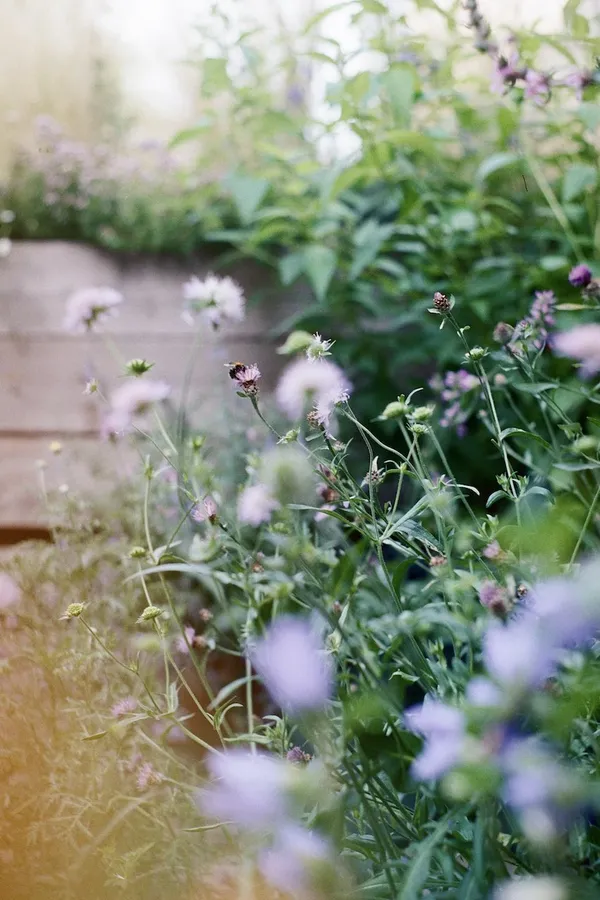
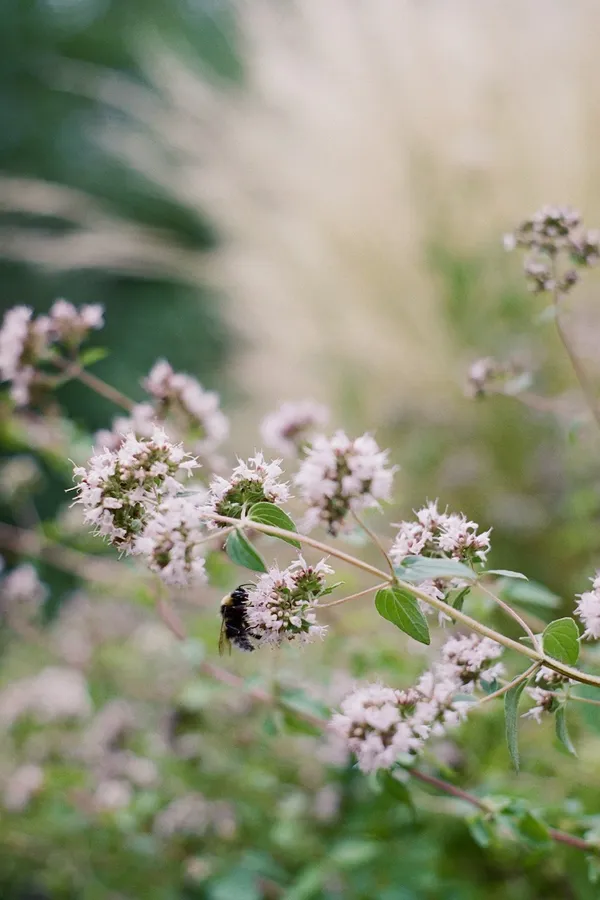
When choosing plants, there are two things you should keep in mind. First, it’s important that they’re pesticide-free—meaning organic or from an eco-friendly grower. All those brightly colored blooms at the garden center might look tempting, but because they’re treated with pesticides and synthetic fertilizers, they do more harm than good to animals, people, and the environment. Next, make sure the plants have open flowers so that bees can easily collect nectar and pollen. If you keep these two points in mind, you’re already well on your way, and you can be sure that those sweet, hardworking pollinators will soon be able to safely enjoy your flowers.
Want to take it a step further? Then choose native species. These have been growing in our country for centuries and are therefore perfectly adapted to our climate, our soil, and “our” insects.
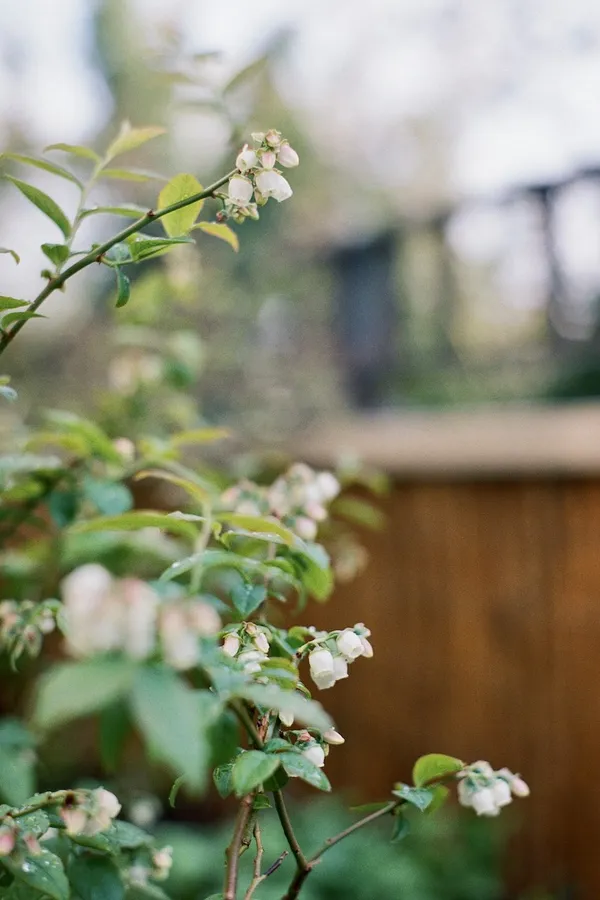
To start, try planting spotted lungwort, day cuckoo flower, meadow crown, or golden primrose in a pot. These are beautiful wild species that will bloom very soon and provide bees with healthy food after their long hibernation. Or plant a berry bush next to your balcony door. Have you ever seen the blossoms of the blueberry bush? They’re stunning! A real treat for early-season bumblebees—and later for you, when the berries ripen.
Grow without pesticides
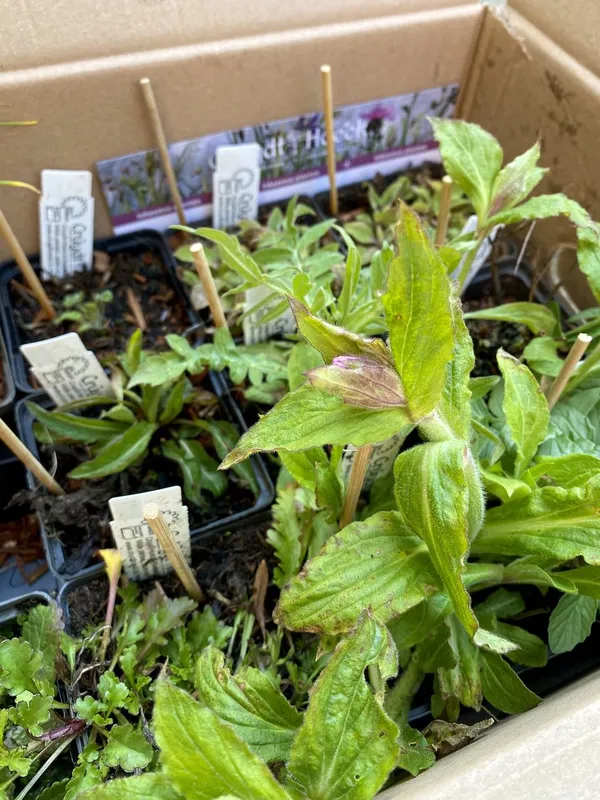
Unfortunately, finding pesticide-free plants is still quite difficult, but did you know that you can easily order them online and have them delivered? Check out Sprinklr or Cruydt-Hoeck, for example. Most of the plants on my balcony come from there and are doing great. Would you rather look for a sustainable nursery nearby? The website biotuinwijzer.nl is very handy for finding addresses.
With these first steps, you'll lay the perfect foundation, and your balcony is sure to be bustling with life! See the difference on my balcony!