
A garden for the whole family in 50 square meters (or less)?
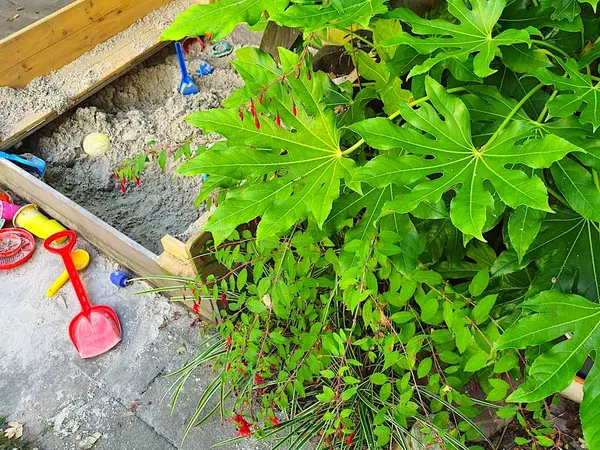
A small garden that's perfect for the whole family? Of course it is!
Even in a small garden, you can create a space that the whole family will enjoy. It might not be very easy to accommodate everyone’s wishes, but it’s certainly possible—at least as long as some compromises are made…
How do you create a garden for the whole family when space is limited?
Start at the beginning
Work together to make a list of wishes and requirements for the garden. Start with the necessary features, such as a shared patio and a well-maintained (and sufficiently wide) path to and from the house and/or shed or gate. Next, specify the requirements for each family member. These can, of course, vary considerably between children and adults, but also among children in different age groups. Then discuss any remaining wishes that might also be possible to fulfill. A list like this provides a solid foundation and makes it easier to make decisions and reach compromises later on.
Also take a look at what you already have. Which (large) tree or shrub can you keep, and which materials can you reuse? Anything you save this way can be put toward all your other projects. Also keep in mind that a large shrub or mature tree isn’t easy to replace (even if it’s not the tree or shrub you would have chosen yourself).
(Artificial) grass, sandbox, swing, trampoline, slide, pool, or playhouse?
In a real family garden, you can’t avoid having one or more play areas or play structures. While children used to be content with just a lawn, these days they want more entertainment in the garden. From sandboxes and swings to playhouses and slides, and from trampolines to swimming pools!
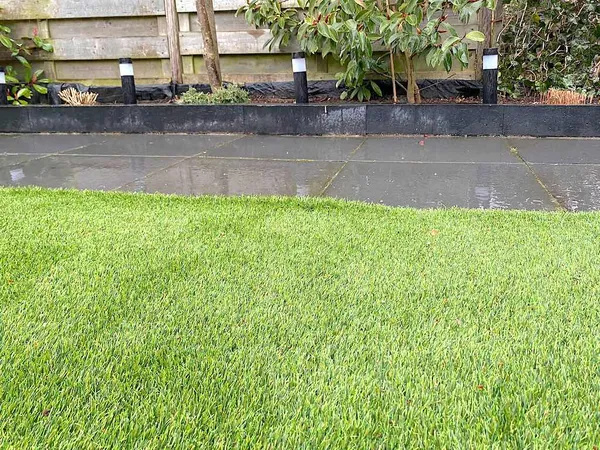
Play structures like these do take up a lot of space in a small garden. So don’t hesitate to choose just one or two of these elements. If your children aren’t too far apart in age, you could, for example, opt for a permanent play area with a sandbox while the children are still young. Later, you can replace this with a trampoline, and eventually with a small lawn or patch of garden with artificial grass (with or without a goal on it).
Incorporating Play Elements into Your Garden
Another option is to incorporate play elements into your garden. A good example of this is a beautifully overgrown pergola with a swing (or rings). Not only can children enjoy swinging, but it also adds height to the garden, brings in more greenery, and provides more privacy.
Other examples include a (sunken) sandbox in a flower bed, a sandbox with a lid covered in sedum, a playhouse that doubles as an insect hotel, or a playhouse with a green roof. In addition to a play structure with a dual function, simply surrounding it with plants can also make a big difference.
An Adventure in Your Own Backyard
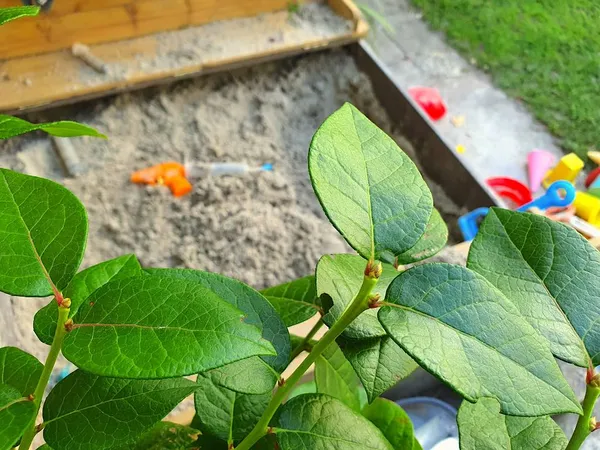
It's fantastic for kids to be able to go on a journey of discovery or an adventure right in their own backyard. It's not hard at all to make this happen!
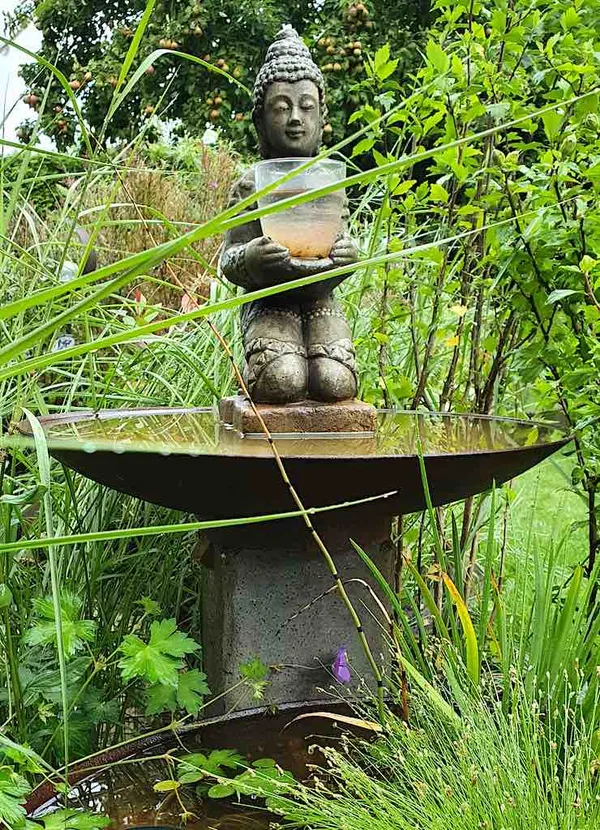
Think about spots and nooks for animals and insects. Most children find this very interesting to watch and follow. A pond (or mini-pond) is also great, because there’s always something to see or discover in and around the water. Just be careful with very young children, of course (cover the pond with a grate). Tall plants that children can hide behind or even walk through—such as ornamental grasses and bamboo—are also very adventurous. But you could also create an exciting path made of logs or stepping stones right through the flower bed.
The Edible Garden
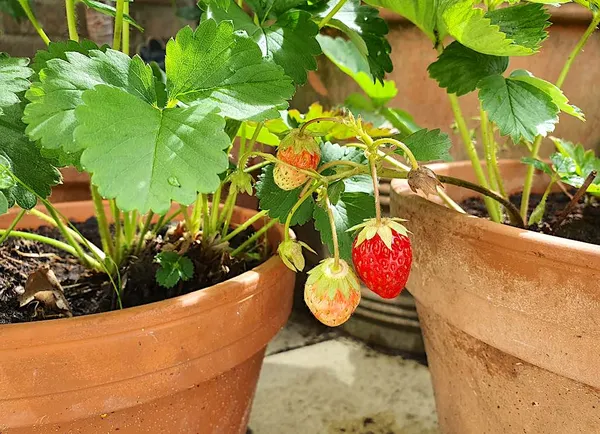
Do you want to teach your children where our food comes from? Then a small vegetable garden (or planter), a berry bush, or even a (mini) fruit tree is also ideal. That way, they can watch fruits and vegetables grow, help take care of them, and eventually pick or harvest them themselves. You can also grow quite a few fruits and vegetables in a pot or planter, including, of course, delicious strawberries.
Don't forget the seat!
Although you might be tempted to prioritize everything for the child’s sake, it’s very important to have a comfortable place to sit yourself—or a spot to enjoy a meal outdoors. Preferably with a view of the play area for young children. A pleasant outdoor dining area is best situated in (light) shade or in the evening sun. A seating area or lounge area can be placed in either full sun or shade, depending on your personal preference. However, a nice umbrella can come in handy if it gets too hot.
What about the plants?
There’s a good chance that plants will end up at the bottom of the list of priorities, requirements, and wishes. But make no mistake: Plants are what make a garden!
Plants give your garden character and a beautiful look, provide a sense of tranquility, attract butterflies, bees, and birds, and often produce beautiful flowers and/or wonderful scents! Plants also add movement to your garden, ensuring it’s never boring.
Fortunately, there are quite a few plants that don't take up much space.
Think of climbing plants, narrow and low hedge plants, many ornamental grasses, narrow or airy perennials, and flower bulbs.
Larger shrubs or even a tree also deserve a place in the garden. A tree provides shade in a sunny garden, but also adds a lot of ornamental value (think of leaf shape, blooms, fall colors, berries, or fruit). An older tree is even suitable for climbing, hanging a swing from, or building a treehouse in (or around).
Larger shrubs are also ideal. That’s because there are many shrubs that are very hardy and can withstand toys, balls, bikes, etc.—which often end up in the flower beds—without much trouble.

By consciously choosing a few larger plants, you can bring a sense of calm and structure to the garden. This also applies to your choice of garden furniture, pots, and decorations. In a small garden, oddly enough, it’s better to choose a few large items rather than many small, scattered ones. Limiting the number of different plants and materials also creates a calmer overall look and greater unity.
A family garden on a balcony or rooftop terrace?
If your balcony or rooftop terrace is properly enclosed, you can even turn it into a cozy spot for the whole family. For example, with a combination of wooden floorboards for the seating area and artificial grass on the balcony for the play area. Instead of a real sandbox, you can fill a large pot or small container with play sand and use the same or a matching pot or container to store toys. A third pot or container can then be used for a nice (slightly larger) plant or small tree.
Of course, you can decorate the balcony railings with planters filled with beautiful and fragrant flowers. You could also use the wall of the house to grow climbing plants. A nice bistro set or a built-in bench with comfortable cushions and built-in storage will complete your family’s balcony garden.
If the neighbors can see right into your yard, plant a narrow hedge in pots or a planter, or grow climbing plants on a screen, for more privacy.