
91 Plants for Clay Soil (That Don't Grow Too Large)
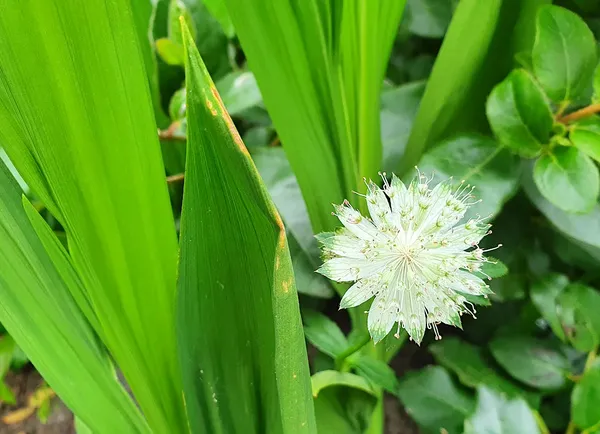
Gardening on clay soil is difficult…
At least, that’s what many people think. Probably because digging in clay is hard work. Clay soil is also too wet for many garden plants in the winter. In the summer, the top layer often crumbles because it becomes very dry. Still, water remains available to plants much deeper down for a much longer time. In addition, clay soil is very nutrient-rich. It’s no coincidence that many plants often grow much taller and larger in clay soil.
You can read more about the different soil types here
Which plants are suitable for clay soil? An overview of plants that are suitable for (heavy) clay.
Shrubs for Clay Soil
- Amelanchier lamarckii (sour cherry tree)
- Aucuba japonica (bread tree) *
- Barberry (sour berry)
- Buddleja davidii (butterfly bush)
- Carpinus betulus (hornbeam) *
- Chaenomulus japonica (dwarf quince)
- Cornus alba (white dogwood)
- Cornus sanguinea (red dogwood)
- Corylopsis (false hazel)
- Corylus avellana (hazel)
- Cotoneaster dammeri (dwarf cotoneaster)
- Deutzia (bridal flower)
- Hydrangea arborescens (tree hydrangea)
- Hypericum (St. John's wort)
- Forsythia intermedia (Chinese bellflower)
- Lonicera nitida (shrub honeysuckle)
- Philadelphus coronarius (farmers' jasmine)
- Prunus laurocerasus (cherry laurel) *
- Ribes sanguineum (red currant)
- Rosa (rose)
- Sambucus (elder) *
- Spiraea (spiraea)
- Syringa (lilac)
- Viburnum (snowball bush)
* Some (sub)species can grow quite large
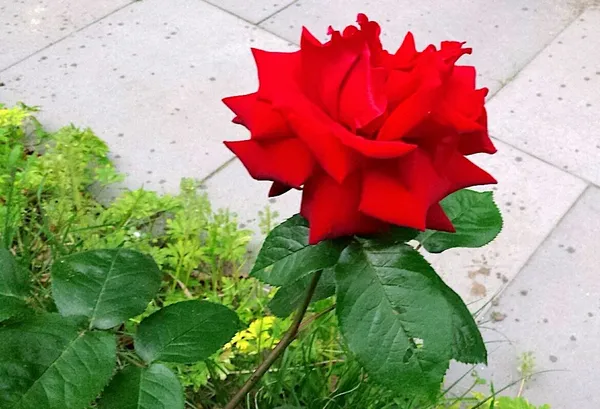
Trees for Clay Soil
- Amelanchier lamarckii
- Betula utilis (white birch) *
- Catalpa (trumpet tree) *
- Cercis canadensis (Judas tree) *
- Cornus mas (yellow dogwood)
- Corylus avellana (hazel)
- Crataegus (hawthorn)
- Crataegus laevigata ‘Pauls Scarlet’ (red hawthorn)
- Cydonia oblonga (quince) *
- Laburnum vossi (golden rain)
- Magnolia soulangeana (false tulip tree) *
- Malus (apple) *
- Malus (ornamental apples)
- Prunus cerasifera (cherry plum)
- Prunus serrulata (ornamental cherry) *
- Pyrus calleryana (ornamental pear) *
- Sorbus aucuparia *
- Ulmus hollandica (golden elm)
* Some (sub)species can grow quite large
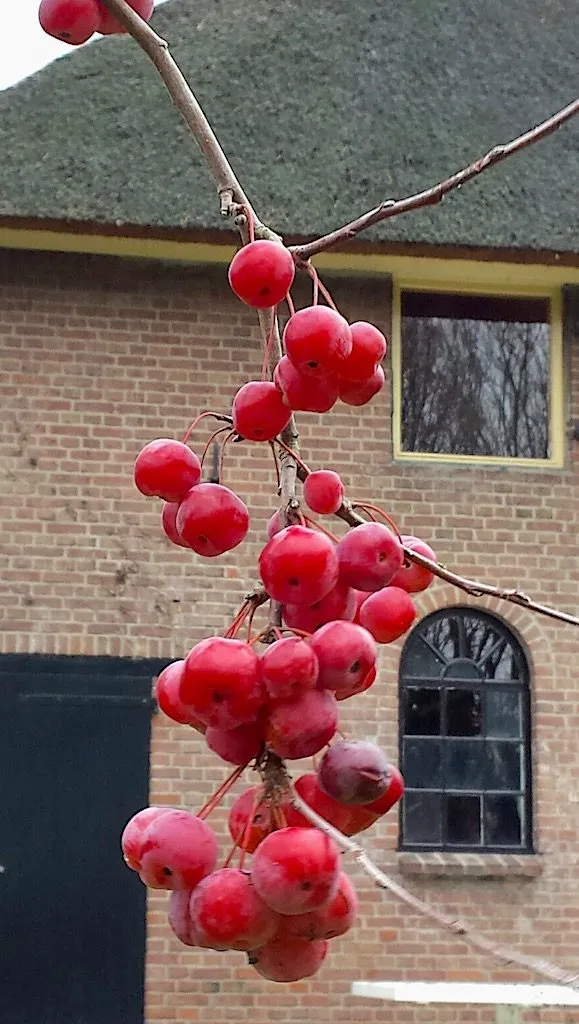
Perennials for clay soil
- Aconitum (monkshood)
- Ajuga reptans (creeping bugle)
- Alchemilla mollis (lady's mantle)
- Allium (ornamental onion)
- Anemone hybrida (Japanese anemone)
- Aruncus dioicus (goat's beard)
- Aster (fall aster)
- Astrantia major (Zeeland knapweed)
- Aquilegia (columbine)
- Bergenia cordifolia (shoe-leaved bergenia)
- Brunnera macrophylla (Caucasian forget-me-not)
- Campanula lactiflora (bellflower)
- Cimicifuga simplex (black cohosh)
- Crambe (sea kale)
- Crocosmia paniculata (montbretia)
- Delphinium (larkspur)
- Foxglove (Digitalis)
- Eupatorium maculatum (queen's herb) *
- Geranium (crane's-bill)
- Helenium (sunflower)
- Helleborus (Christmas rose)
- Hemerocallis (daylily)
- Hosta (plantain lily)
- Kniphofia (fire arrow)
- Lamium orvala (deaf nettle)
- Ligularia (ragwort)
- Lysimachia (yellow loosestrife)
- Paeonia (peony)
- Persicaria amplexicaulis (knotweed)
- Polemonium (Jacob's ladder)
- Pulmonaria (lungwort)
- Rodgersia (night-blooming rodgersia)
- Rudbeckia fulgida (yellow coneflower)
- Saxifraga urbium (painter's sorrow)
- Veronicastrum virginicum (speedwell)
- Vinca minor (periwinkle)
- Waldsteinia ternata (golden strawberry)
* Some species and subspecies can grow quite large
Ornamental grasses for clay soil
Ornamental grasses generally do not thrive in clay soil. This type of soil is usually too wet in the winter and too rich in nutrients during the growing season. However, there are some ornamental grasses that do fairly well in clay soil.
- Carex morowii ‘variegata’ (variegated sedge)
- Deschampsia cespitosa (rough smele)
- Miscanthus sinensis (Chinese silvergrass) *
- Molinia caerulea (purple moor grass)
- Panicum virgatum (finger grass)
- Pennisetum alopecuroides (lamp-cleaner grass)
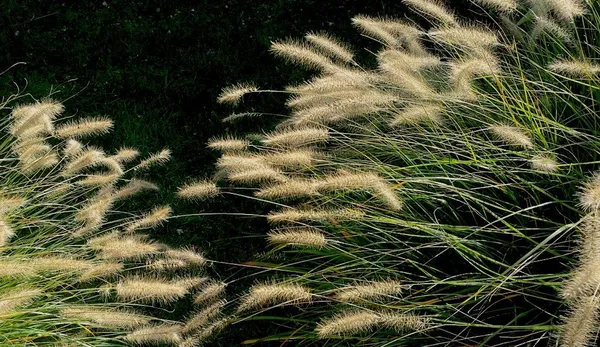
Climbing Plants for Clay Soil
- Hedera (ivy)
- Hydrangea anomala petiolaris (climbing hydrangea)
- Parthenocissus (wild grapevine) *
- Pyracantha (firethorn)
- Rosa (climbing rose) *
- Wisteria *
* Some species and subspecies can grow quite large