
7 Things People Forget When Creating a New Garden
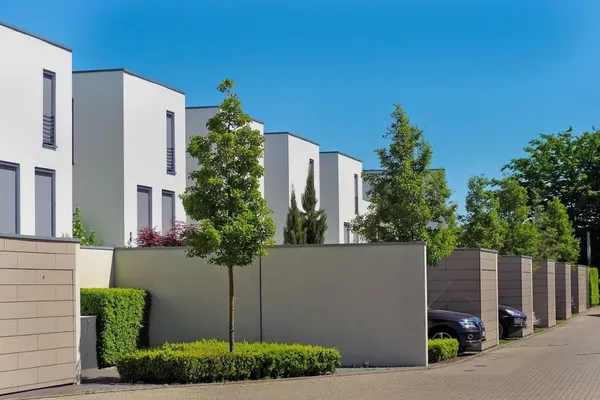
If you just got a new garden (or are about to get one), it’s wonderful to start making plans for it. Important questions to consider when designing a new garden are:
- How do you plan to use the garden?
- What is the location, and what kind of soil do you have?
- What can you keep?
- Where do you want to sit, and where will the borders go?
- What kinds of plants and garden styles do you like?
These are all good and important questions. Fortunately, they usually come up when making new garden plans or creating an entirely new garden design. But there are also things you might not think of right away. You certainly wouldn’t be the only one to realize, only after the fact, that some things really weren’t all that practical…
7 Things to Keep in Mind When Designing a New Garden
Logical walking routes
You can create the most beautiful paths in your garden, but above all, they need to be practical. The main path should be wide enough to use easily (even when carrying large and heavy items in and out of the house). It should be easy to get bikes out of the shed, and it’s also handy to have good access to your windows or wooden parts of the facade for cleaning and maintenance. In practice, pretty winding paths are often cut straight across, or a main path ends up being created across the grass if that’s the shorter route. If you’d still like your paths to have a nice shape, make sure you’re more or less forced to actually follow that shape. In areas of the garden you don’t need to access as often, narrower paths or even just a few stepping stones will suffice.
Soil Improvement
Have you moved into a house with an old garden that’s completely depleted by large trees, shrubs, and conifers? If so, it’s important to ensure the soil has sufficient nutrients before you start planting again. For newly built homes, it’s even more important to improve the soil. Often, only a minimal topsoil layer (or sometimes none at all) of good soil has been added, and the soil has been completely compacted by the heavy equipment used during construction. Loosen the soil thoroughly in the areas where your flower beds will be and replace poor-quality soil or sandy soil with good garden soil, potting soil, or compost. This will prevent a lot of problems for your new plants.
Lighting
Lighting allows you to enjoy your garden even in the evening. It also adds a lot of ambiance to the garden. With a well-designed lighting plan, you can highlight the garden’s best features and conceal its less attractive areas. This also makes the garden functional even after dark. It’s also nice to look out from the house and see a beautiful, well-lit garden instead of a dark void!
There are many possibilities when it comes to garden lighting. Lighting can be powered by electricity (either 220V or 12V low voltage) or by solar energy. LED lights are very popular in the garden and are energy-efficient. Consider a beautiful LED outdoor wall sconce, ground spotlights, or a lighted post. It also looks really nice to highlight a single tree or shrub with a spotlight. The possibilities are virtually endless, and lighting is definitely a must.
Water connection
It may seem like a small detail, but an outdoor faucet is actually very important. It should be as easy as possible to care for all your new plants. Even if you choose plants that can tolerate drought well, they’ll still need plenty of water during the first year to get established properly. Your chances of giving the plants a good start are much higher if you can water them easily! Choose an outdoor faucet with frost protection, or be sure to turn off the faucet every winter.
Ample storage space
In a small garden, there’s a very good chance you’ll have (too) little storage space. Not only do you need a place for things like bicycles, but also for extra outdoor chairs, a side table (or standing table), a parasol, and so on. A dry place for all your garden cushions is, of course, also very nice. If you’re anything like us, you’d also love to have some space for all your pots and planters, garden tools, and cuttings and seed-starting supplies. In addition to a shed (even a small one), a garden cabinet or a neat storage box can be a great solution. Furniture with built-in storage is also ideal.
View from the inside
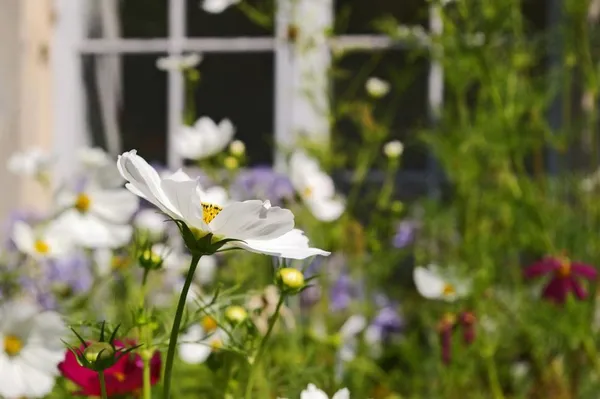
A beautiful garden is a real treat! But people often forget that, throughout the year, you actually spend quite a bit of time looking at your garden from inside your home. It’s a shame if, from inside, all you can see is the back of your lounge sofa or large dining table…
Still, people often choose to place the patio right next to the house. By creating a flower bed along the house’s facade and using taller plants, you can enjoy the garden more from inside your home as well. Beautiful plants also help conceal the view of tables, chairs, or a bench. An added bonus is that this immediately adds depth to your garden, making it appear larger.
Always keep sightlines in mind when designing a new garden. One of the most important sightlines is the one from the house. An unobstructed sightline offers a beautiful view of the garden. However, your garden will be more interesting if you frame this sightline nicely. So don’t be afraid to include taller plants or even a small tree along this line of sight. This, too, adds extra depth and makes the garden so much more beautiful!
Take the seasons into account
Of course, you could design a garden that looks the same all year round, but that’s not really exciting or interesting. Instead, take advantage of the different seasons and choose plants with beautiful blooms in the spring, fruits and berries in late summer, or stunning fall colors. Even in winter, your garden doesn’t have to be boring: There are various winter-blooming plants, as well as shrubs and trees with strikingly colored trunks and branches. That way, there’s always something (different) to see in your garden, and it’s never boring!