
5 Tips for a Garden on Dry, Sandy Soil
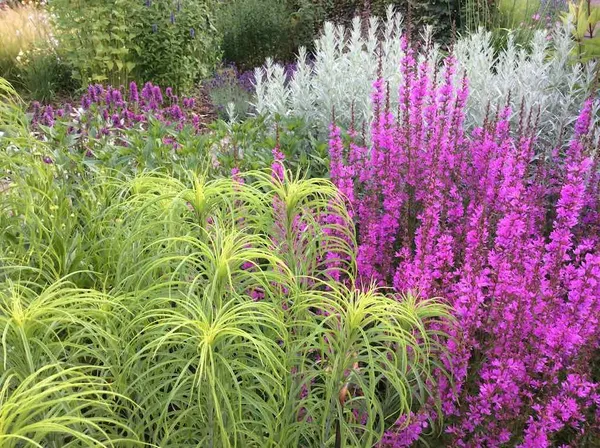
Is your garden on dry, sandy soil?
But that doesn't mean you can't have your own little green paradise behind your house!
Anyone who gardens in sandy soil faces two challenges: how to keep the soil fertile and how to prevent it from drying out too quickly. Because of the coarse-grained structure of sandy soil, water quickly seeps down into the subsoil, where plants’ roots can no longer reach it.
With these tips, you can create a beautiful garden, even on poor sandy soil
1 – Add magnesium to the soil
Sandy soil is naturally low in nutrients. Fertilizing your garden every year at the start of the growing season is therefore not an unnecessary luxury. You can use a general-purpose fertilizer for this. Preferably, use organic fertilizer. This way, you won’t burn the plants, and you won’t harm the soil life.
Sandy soil naturally lacks magnesium, and plants need this nutrient to grow optimally. Therefore, use a fertilizer with added magnesium, or sprinkle some lava meal or kieserite in addition to your all-purpose fertilizer.
2 – Give plants a good start
Before planting, work a generous amount of plant material into the soil. For example: compost, dead leaves, grass clippings, sod, vegetable scraps, weeds, or pruning waste. It doesn’t matter what it is, as long as it’s plant-based. The more, the better! These plant remains are converted into humus by soil organisms. Humus retains nutrients and moisture. If the soil lacks humus, the fertilizer you spread on it will wash away with the rainwater. Sand-based soil without humus also dries out very quickly.
If you have a season’s worth of time before you start planting, sowing a green manure crop is a good idea. These are plants that you sow with the intention of tilling them into the soil to improve it. Clover or lupine, for example, are commonly used for this purpose.
3 – Mulch your garden
On sandy soil, drought is your worst enemy. After just one week of dry, sunny weather, the topsoil starts to dry out significantly—especially in the spring, when the soil in your flower beds isn’t yet protected by the plants’ foliage.
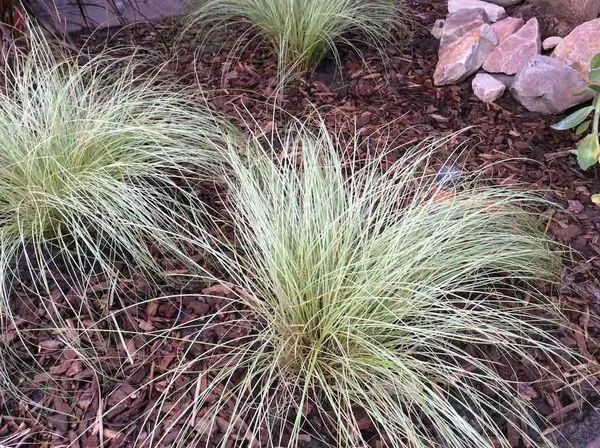
Applying a layer of mulch early in the spring helps prevent the soil from drying out. You can use all kinds of materials for this, such as compost, dead leaves, cocoa shells, cocopeat, wood chips, bark, straw, and even grass clippings.
Mulching is good for soil life and also helps suppress weeds, so you don't have to weed as much. It's a win-win!
4 – Choose drought-tolerant plants
Plants such as roses and hydrangeas need moist soil. They do not thrive in dry soil, especially given the hot, dry summers of recent years. Hydrangeas start to wilt after just a few days of dry, sunny weather, and roses are very susceptible to disease in dry soil.
Fortunately, this doesn't mean you can't have a beautiful garden.
There are plenty of plants that are adapted to these dry conditions. You can often recognize them by their appearance. They have thick, fleshy leaves; hard, leathery leaves; gray leaves; hairy leaves; very small leaves; thick, fleshy roots; or a taproot.
Examples of (highly) drought-tolerant perennials include: Agastache, Artemisia, Eryngium, Gaura, Geranium sanguineum, Lavandula, Lychnis coronaria, Oregano, Papaver, Salvia, Sedum, Stachys byzantina, Verbascum, and Verbena. Ornamental grasses are also a good choice. Most ornamental grasses are extremely hardy and highly drought-tolerant.
Shrubs have deeper roots than perennials and can therefore go much longer without water.
Good choices for a garden in dry soil include Deutzia, Kerria, Physocarpus, Ribes, Spiraea, and Viburnum.
5 – Watch out for trees
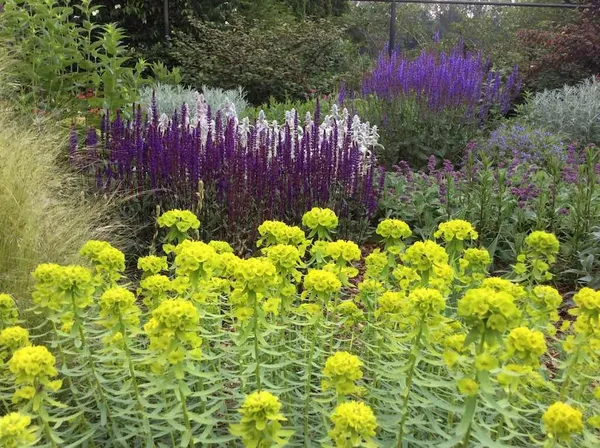
A tree can easily use about 150 to 200 liters of water per day. It draws most of this from deeper soil layers, but the roots near the surface also draw a lot of moisture from the topsoil.
Unless you're willing to water frequently and generously during the summer, you should assume that not much else can grow in dry, sandy soil under a mature tree.
You need to be especially careful with ornamental cherry trees and birch trees because they have wide, shallow root systems and therefore draw most of their water from the topsoil.
A guest blog post from "Gardening on Sandy Soil"
This is a guest blog post from “Gardening on Sandy Soil.” All the photos are also from that site.
Would you like some more ideas for your garden on dry, sandy soil?
On my blog “Gardening in Sandy Soil” I share my experiences. For example, you'll learn which plants are suitable for dry, sandy soil and how to use them to create a beautiful garden.