
5 Steps to a More Abundantly Blooming Wisteria in Your Garden
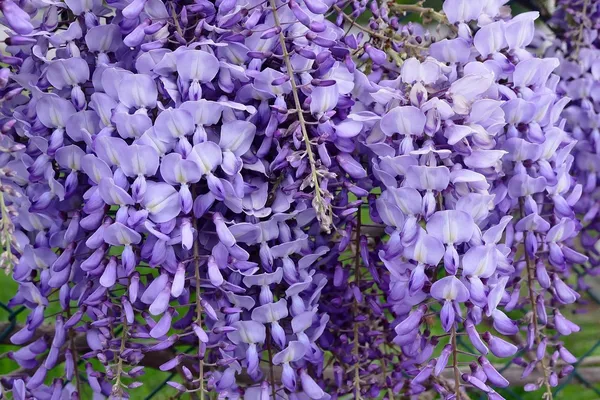
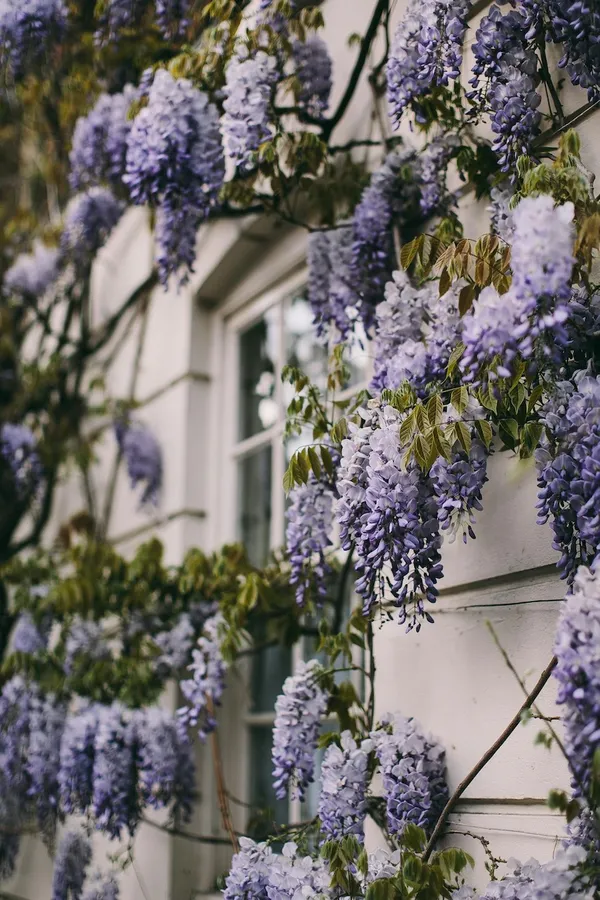
Wisteria is a striking climbing plant with long clusters of purple, blue, pink, or white flowers. The plant looks its best along a pergola, a building facade, or a sturdy wooden structure. When in bloom, it creates an almost waterfall-like effect. This looks impressive, but it does require careful planning. Wisteria grows quickly, becomes heavy, and needs sturdy support.
The botanical name is Wisteria. The Chinese wisteria, Wisteria sinensis, often blooms before the leaves have fully emerged. The Japanese wisteria, Wisteria floribunda, is known for its longer flower clusters. Both species can last for years and grow into substantial plants. The available space, the support structure, and the desired flower color determine which species is the best fit.
The best location for wisteria
Wisteria blooms most profusely in a sunny, sheltered spot. Preferably choose a location where the plant receives several hours of direct sunlight each day. It will often grow in deep shade, but flowering will be limited. The soil should be nutrient-rich and moisture-retentive, as long as excess water can drain away properly.
A young plant needs to be watered regularly during dry spells. It’s better to water generously than to give it a little bit every day. This allows the moisture to penetrate deeper into the soil, helping the roots develop better. Once it is well-established, wisteria can tolerate more, although prolonged drought remains unfavorable for growth and flowering.
Don’t plant the climber right up against a wall. Leaving a little space makes it easier to care for the base of the plant and prevents shoots from growing directly behind gutters or downspouts. Use sturdy support wires, a pergola, or another structure that can support the weight of a mature plant. A lightweight decorative trellis may look nice in the store, but it often doesn’t hold up over time.
Why doesn't wisteria sometimes bloom?
A young wisteria may take several years before the first flowers appear. Plants grown from seed sometimes take much longer to bloom. A grafted plant of a known variety offers greater certainty regarding flower color and blooming. When purchasing, it is therefore wise to check whether it is a named variety.
Too much fertilizer can also limit flowering. Fertilizer high in nitrogen primarily stimulates leaf growth and long shoots. The plant will look healthy, but it will produce few flower buds. Therefore, don’t automatically apply extra fertilizer when flowering is disappointing. First, check the plant’s age, amount of sunlight, origin, and pruning method.
Improper pruning can also result in a lack of flowers. Wisteria forms flower buds on short side shoots. If these are completely cut back every year, the plant will mainly produce long growth. A consistent pruning routine helps keep the plant compact and promotes the formation of flowering wood.
Pruning Wisteria in Summer and Winter
A mature wisteria is usually pruned twice a year. In the summer, long new shoots are cut back. Leave about five to six leaves on each side shoot. This keeps the plant within the desired space and allows the existing branches to receive more light.
In January or February, prune those same side shoots back further to two or three buds. The plant will then be bare, making its structure clearly visible. Leave the strong main branches that are needed to fill the pergola, wall, or canopy.
Use sharp pruning shears and cut just above a healthy bud. Thick, old branches sometimes require loppers. If the plant hasn’t been maintained for years, work in stages. Heavy pruning can cause many new shoots to grow and will temporarily make the plant look even more untidy.
Wisteria in a Small Garden
Wisteria can grow even in a small garden. In that case, confine the plant to a single, clearly defined area, such as a pergola above the patio or a specific section of the facade. Train a few main branches along the structure and remove any shoots that grow toward the roof, fence, or downspout.
The page on wisteria provides more information about the flowering, care, and pruning of this climbing plant. Choosing a sturdy location for it from the start will save you a lot of corrective work in later years.
Enjoy flowers and shade for years to come
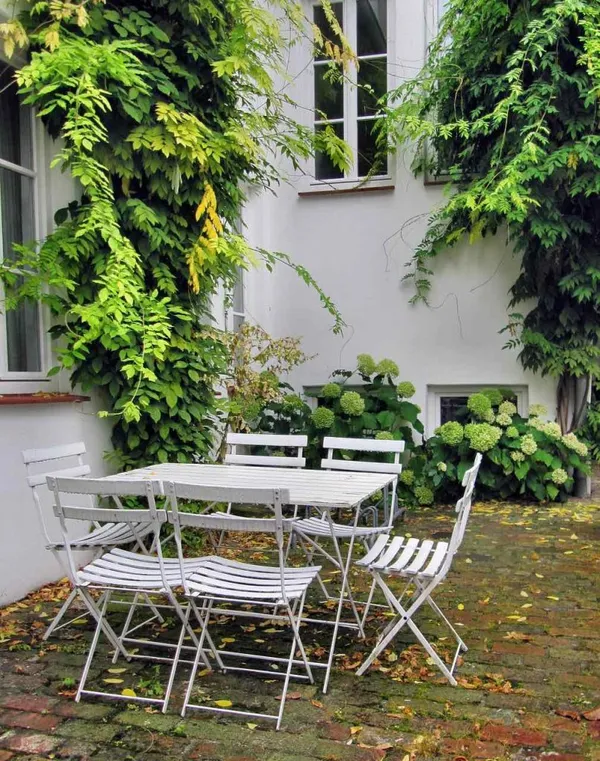
Wisteria combines striking blooms with dense foliage. This makes the plant ideal for a pergola, where it can provide natural shade in the summer. Some varieties also give off a light fragrance during flowering. The effect becomes more beautiful as the plant matures and the main branches take on more defined shapes.
A sunny location, sturdy support, and two pruning sessions per year form the foundation. With this care, the plant remains manageable and is more likely to bloom profusely. Wisteria requires attention, but it rewards you with years of color, shade, and character in the garden.