
5 Common Mistakes Made When Pruning
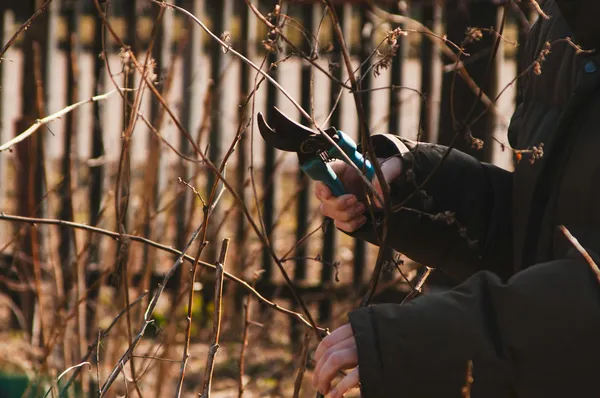
Pruning is part of gardening! Yet it’s a topic surrounded by many misconceptions—or at the very least, one that causes uncertainty among many gardeners…
Pruning helps you maintain a tree or plant in the desired shape or size, encourages the growth or formation of new flowering shoots, or increases the yield.
Are you also unsure about how to prune a tree, shrub, or plant? Or when to prune?
These Are the 6 Most Common Pruning Mistakes
1. Pruning at the wrong time
The most common pruning mistake is pruning at the wrong time.
Many trees and shrubs can be pruned in winter or early spring, but not all of them. Just think of the infamous ABC trees (Acer, Betula, and Carpinus). You should not prune maple, birch, and hornbeam in (late) winter. This also applies to walnut (Juglans) and grapevine (prune no later than January). This prevents these trees from bleeding heavily, as sap flow begins early. It’s also best not to prune stone fruits (cherry, plum, peach) in winter, due to the risk of diseases and infections.
Perennials and ornamental grasses are often still cut back before winter, right to the ground. This makes them vulnerable to frost damage and deprives animals, birds, and insects of shelter and food.
It’s best not to prune evergreen shrubs and trees—or exotic plants—too short before winter. September is pretty much the latest you should prune them. That way, for example, your hedge will look nice and neat going into winter, and any new growth will be hardy enough to withstand the frost.
By the way, pruning in winter stimulates growth, while pruning in summer limits it. So be sure to consider what effect you want to achieve for your tree or shrub.
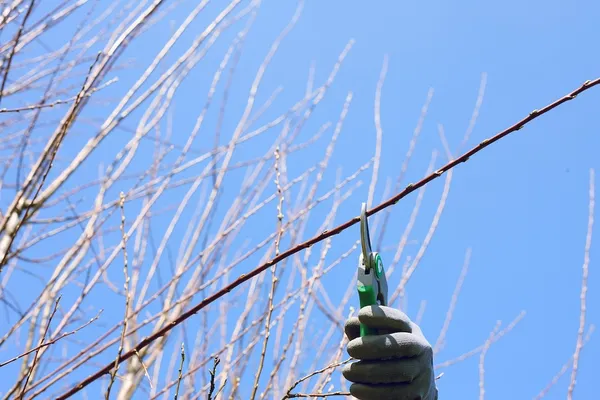
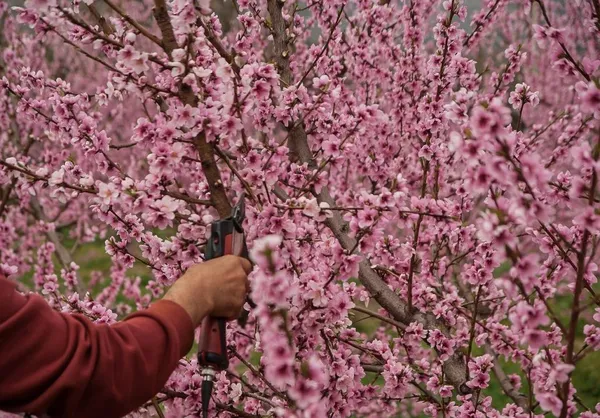
Not the right time to prune
2. Pruning too much (or too little)
We often hesitate to prune plants heavily. As a result, there’s a chance that shrubs, for example, will keep growing taller and will only bloom at the top.
However, it’s also possible to prune too much. A plant that is pruned back by more than one-third—or even by more than half—will have a hard time recovering. There’s a fairly good chance it won’t bloom the following year. With plants that bloom on wood that’s at least a year old, you can easily prune away the blooms.
Fast-growing shrubs that bloom starting in the summer (on one-year-old wood) can be pruned back severely every year. This prevents them from getting too large and ensures continued abundant blooms. Examples include butterfly bush, panicle hydrangea, Annabelle hydrangea, and shrub roses.
There are also plants that you shouldn’t prune back too deeply in the spring. These are shrubs that bloom on two-year-old or older wood, such as garden hydrangeas, lilacs, and garden jasmine. If you still want to rejuvenate these shrubs, prune the old branches all the way back—for example, to about one-third of their length. Repeat this the following year, so that you’ll still have blooms each time.
Did I prune too much or too little?
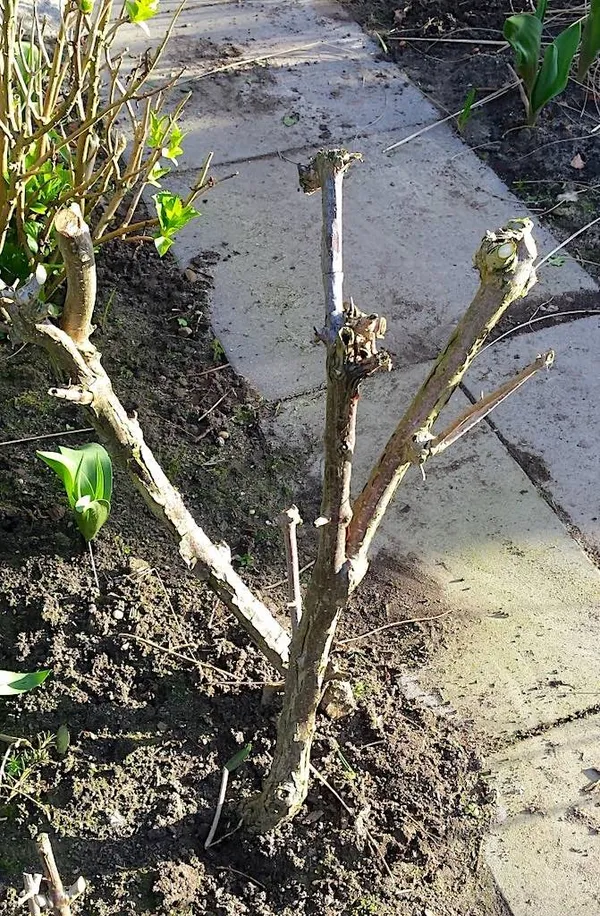
Panicle hydrangea after pruning
3. Pruning branches incorrectly (not above a bud or not at an angle)
If you prune too far above a bud, dead wood will form on the plant, which is susceptible to diseases and fungal infections.
Always prune just above a bud (about one centimeter away) to create a clean cut that heals quickly. Be careful not to damage the bud itself when pruning.
Make it a habit to always make angled cuts. This prevents water from pooling on the cut surface, allowing it to heal more quickly and minimizing the risk of rot.
4. Pruning with uncleaned pruning shears
Do you also skip cleaning your pruning shears after each pruning session? That's an easy way to spread diseases and bacteria throughout your garden!
That’s why you should clean your pruning shears, loppers, or hedge trimmers after every pruning session. This prevents the spread of diseases and bacteria and keeps your pruning shears from rusting quickly. Did you prune a diseased plant? If so, be sure to clean your pruning shears thoroughly first. Use warm water and green soap, or a cloth with dish soap or cleaning solution.
Of course, it’s also important that your pruning shears are sharp enough. That’s the only way to get a clean, neat cut.
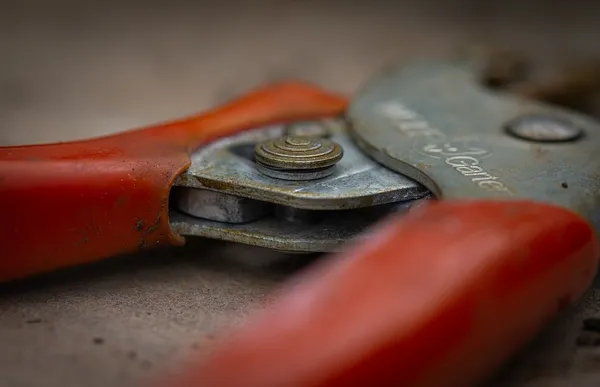
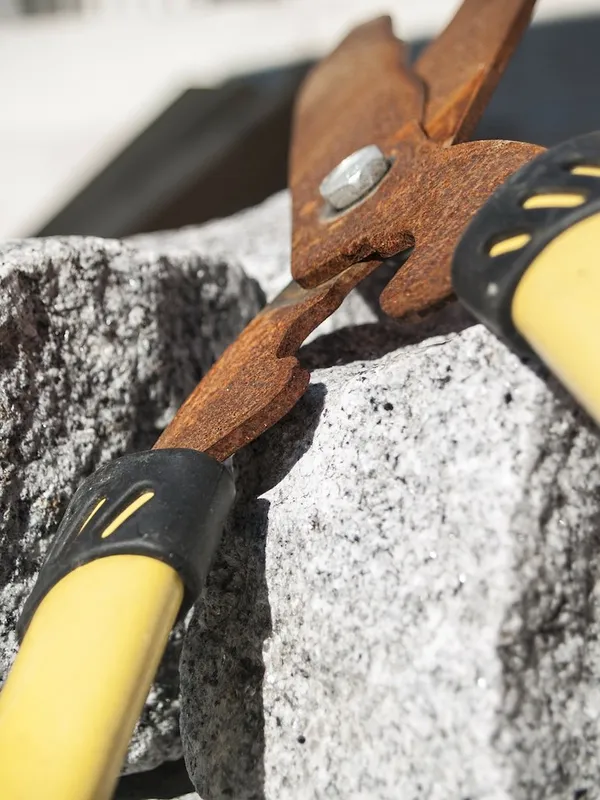
dirty or rusty tools
5. Do not prune damaged, dead, or crossing branches
Leaving damaged branches, dead branches, or dead tips on the tree increases the risk of disease and infection. These create weak spots where fungi and bacteria can enter.
Prune away dead branches and tips after winter. Do the same with damaged branches and crossing branches that rub against each other.
6. Pruning with the wrong pruning shears
As strange as it may sound, pruning with the wrong pruning shears or the wrong pruning tool happens more often than you might think. Many people use a single pair of pruning shears for virtually all the branches they cut. Yet there are different types of pruning shears, each suited for specific pruning tasks.
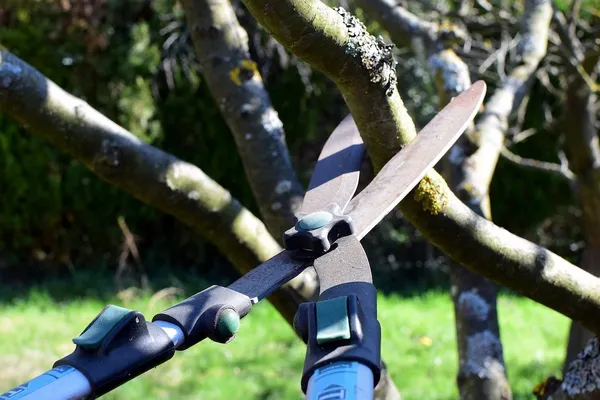
Not the right tool
Prune branches with a diameter of about 20–25 mm using pruning shears. The most commonly used type of shears is the parrot-beak pruning shears. Two curved blades move past each other, allowing you to cut the branch. Ideal for most (light) pruning tasks. You can also opt for an anvil-style pruning shears. A straight blade closes against a flat (and thicker) edge (the anvil), and the branch is, as it were, cut off. These are well-suited for dead wood.
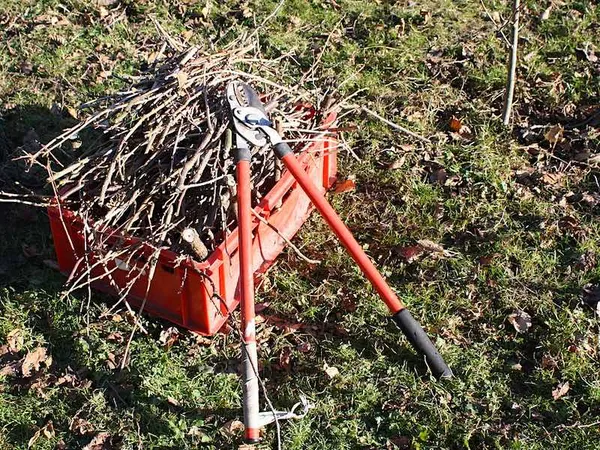
Use pruning shears to trim branches up to about 40–45 mm. To prune higher parts of your tree, shrub, or hedge, it’s worth considering a telescopic pruning shears.
Prune thicker branches with a pruning saw or a branch saw.
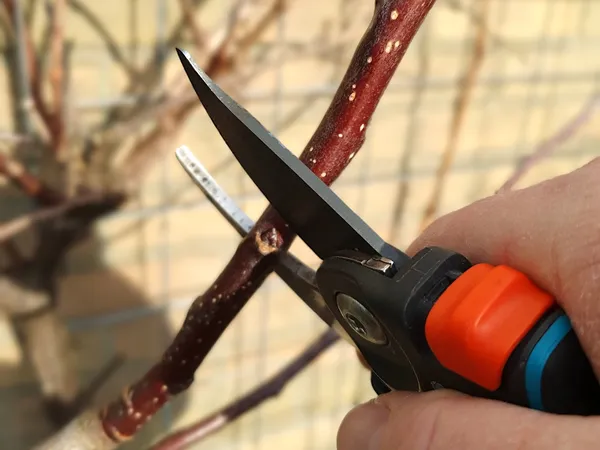
pruning shears
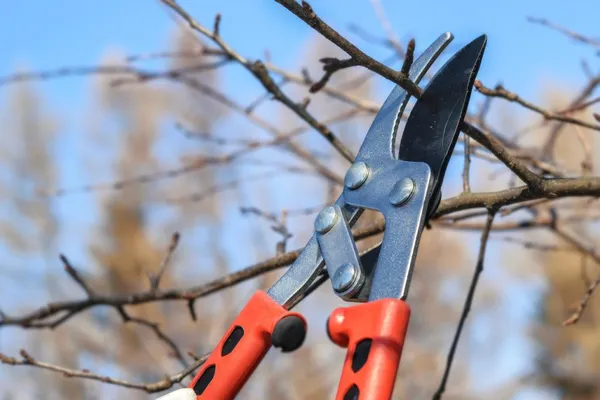
pruning shears
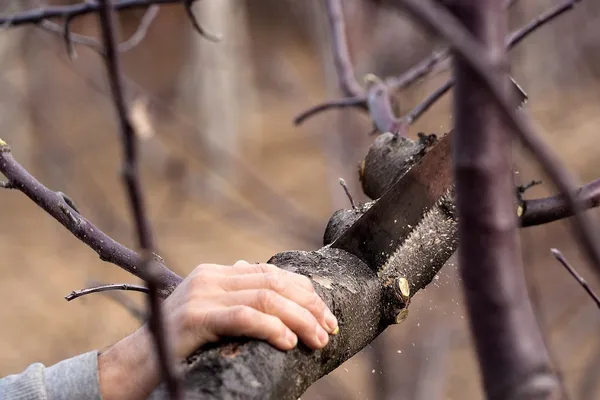
pruning saw