
33 Tips for Attracting More Animals to Your Garden
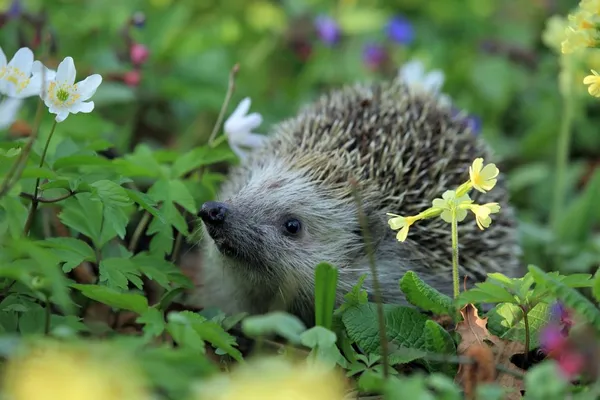
Who wouldn’t want a garden teeming with life and full of animals? By taking the needs of various garden animals into account when gardening (and when designing and landscaping), you can enjoy their presence all year round. Think of birds, butterflies, bees, dragonflies, insects, frogs, toads, salamanders, fish, and maybe even a hedgehog.
Don't you have as many animals in your yard as you'd like?
Would you like to have more animals in your yard, too?
With these tips, you’re sure to attract more (wild) animals to your garden. That way, you, too, can enjoy all the life in your garden, and every day will be “Animal Day” in your garden.
Here's how to attract more animals to your garden!
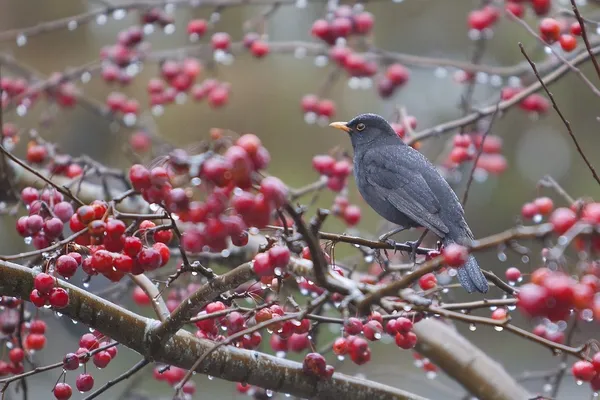
- Leave seed heads and rose hips on the plants so that birds can feast on them.
- Wait until spring to prune perennials and ornamental grasses, so that the dying stems and stalks can continue to serve as shelter for insects throughout the winter.
- Don't keep things too tidy: for example, let leaves or twigs lie around in the corners of the yard a little more often.
- During droughts and frost, place a small bowl of fresh water in the garden.
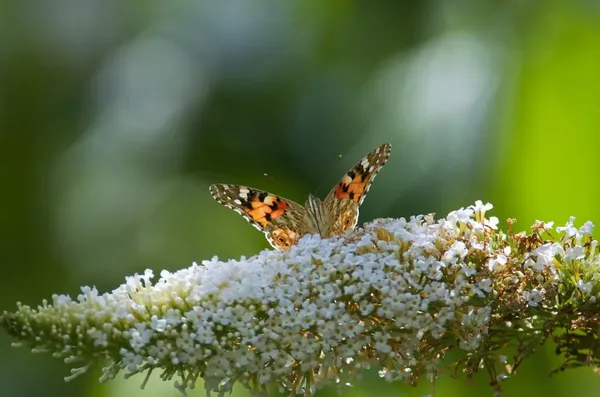
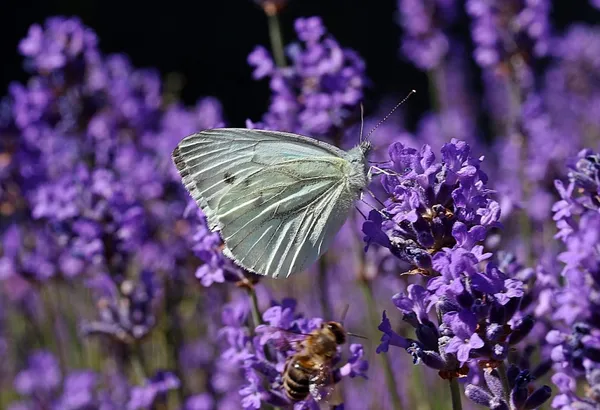
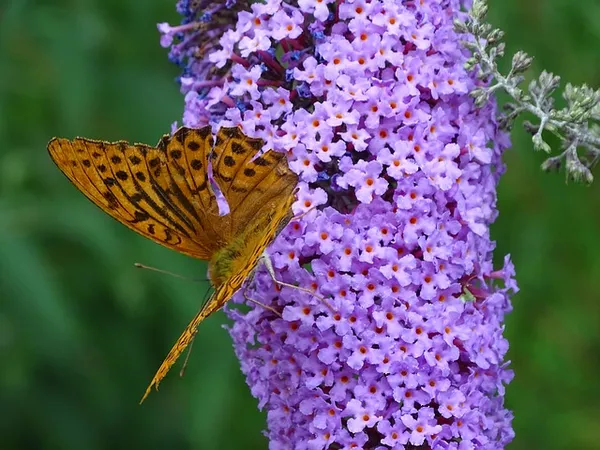
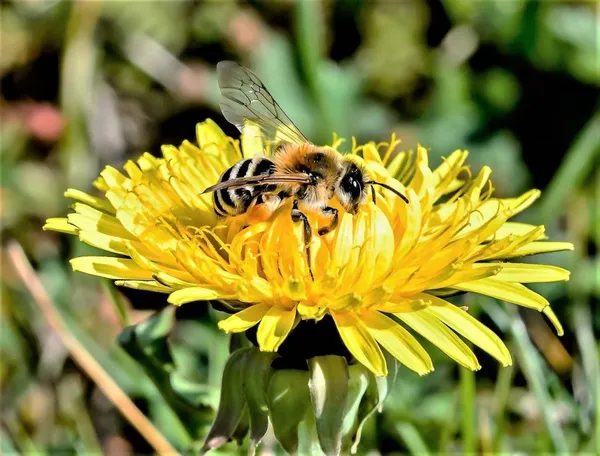
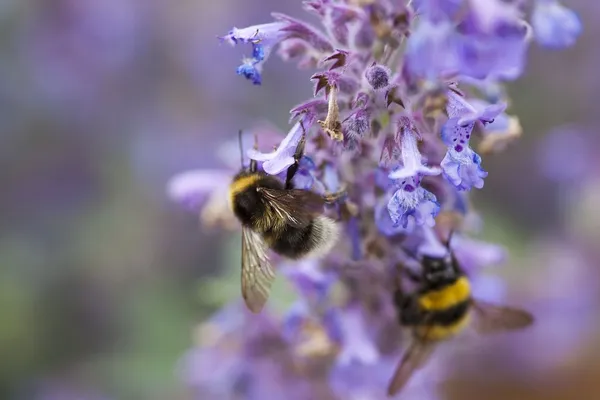
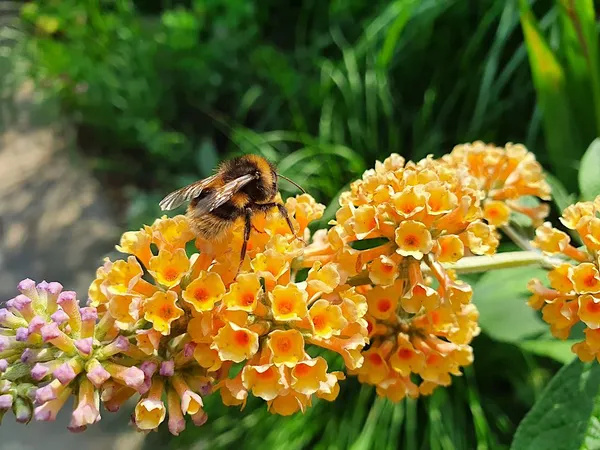
- Plant shrubs and perennials that attract butterflies, such as butterfly bush, lavender, verbena, and yarrow.
- It is often said that native plants, in particular, are the most attractive to many insects.
- Don't forget to plant flowering plants early in the year for the first bees and insects. Consider winter heather, winter aconite, crocuses, grape hyacinths, lungwort, willow, etc.
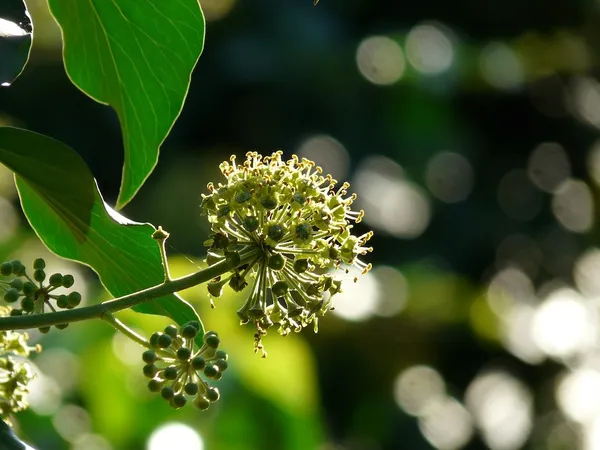
- Make sure to have plenty of nectar-producing plants in the fall as well, such as sedum, asters, and (mature) ivy.
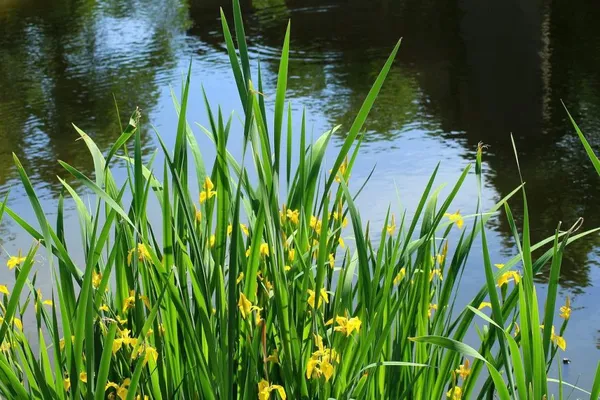
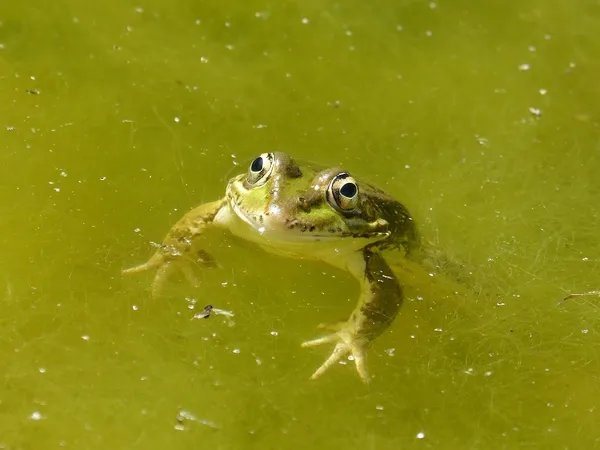
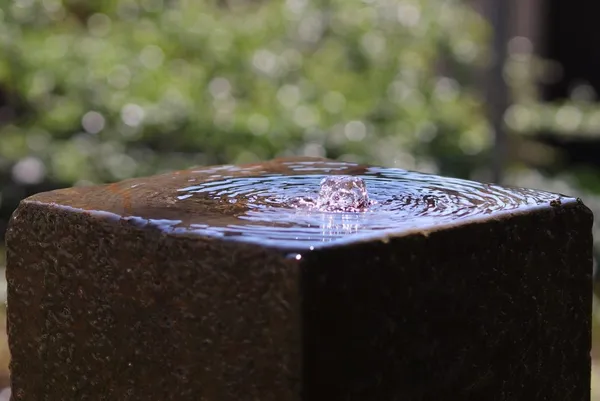
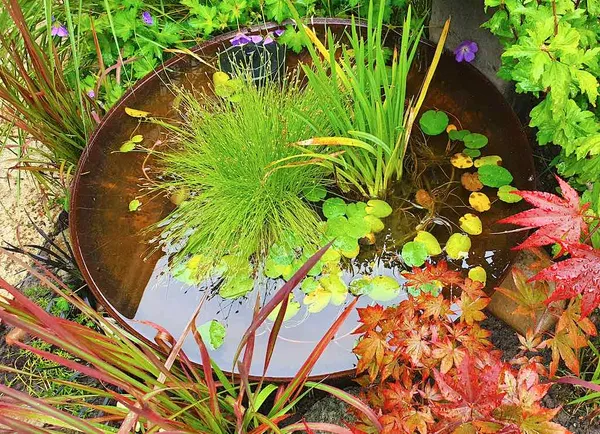
- Water in the garden attracts a lot of animals. Don't have room for a real pond? Then consider a mini-pond, a water feature, or a water basin.
- If you have a pond, make sure it has a gently sloping edge so that animals that fall into the water can get out again.
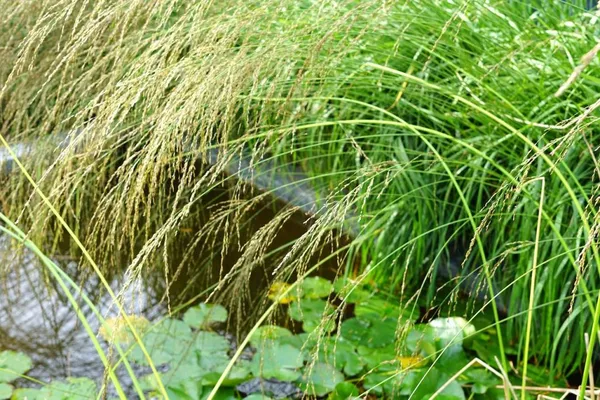
- Make sure there are enough plants in and around the pond so that animals have plenty of cover as they move to and from the pond.
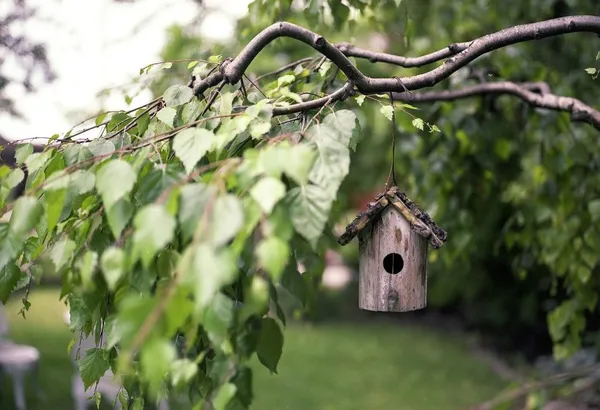
- Hang up birdhouses. Just make sure they're out of reach of cats and, preferably, in a spot where you don't have to walk by too often.
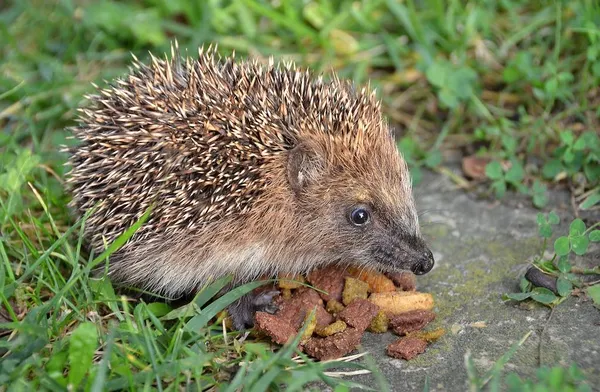
- Make sure animals like hedgehogs can easily get in and out of your yard (for example, through a hole in the fence).
- Plant a tree that can grow to be fairly large. A tree with relatively dense branches, thorns, or fruit, for example, is most attractive to many animals.
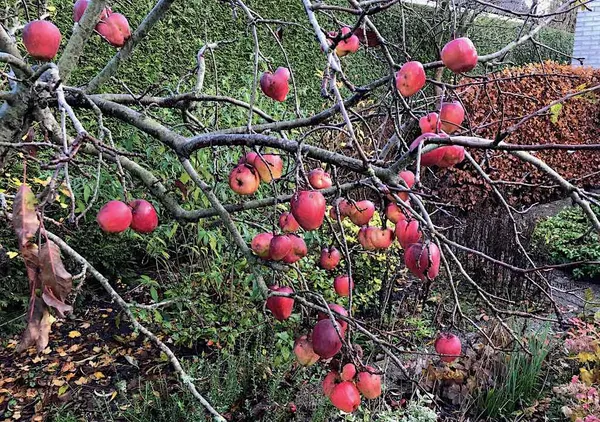
- Plant a small fruit tree. The fruit is, of course, what interests many animals the most (and you, too, of course), but the early blossoms are often beneficial to insects as well.
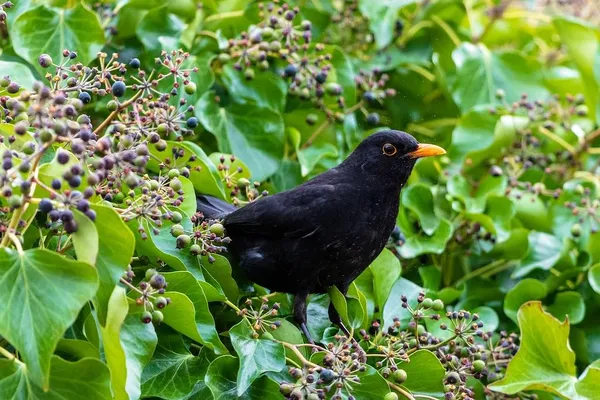
- Plant shrubs and climbing plants that bear berries for the birds.
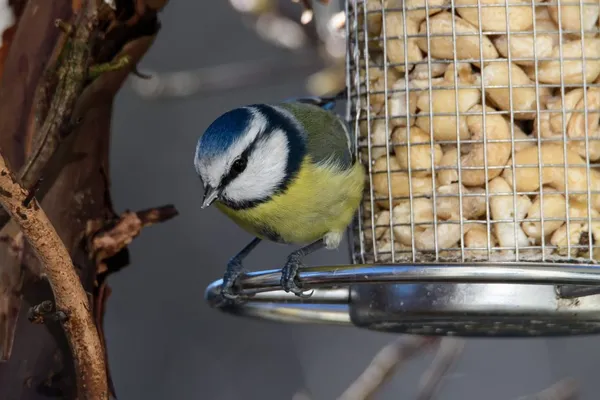
- Feed the birds in the winter; for example, put out suet balls, peanuts, etc. Just be sure to keep in mind what each bird eats.
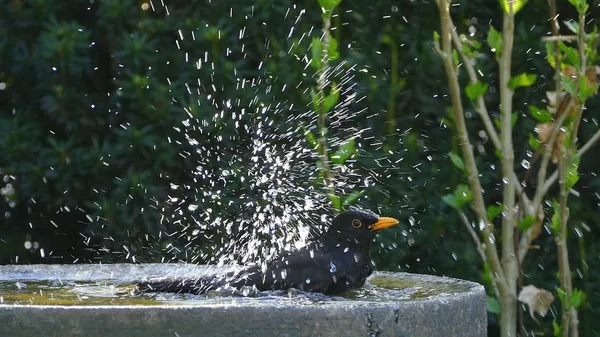
- In the summer, you can make sure they have fresh water, such as a water dish or a birdbath.
- Set up an insect hotel or a bee hotel.
- Install a butterfly house.
- Set up a hedgehog house for hedgehogs to hibernate in.
- Hang up a bat house.
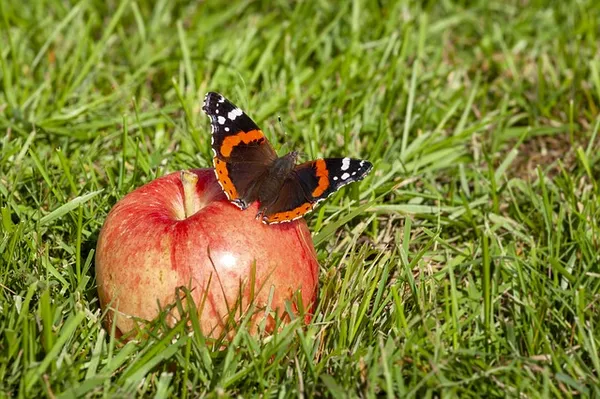
- Leave some fallen fruit on the ground to decompose naturally.
- Place a sliced-open banana in the garden and let it rot. This can attract a lot of butterflies.
- Leave some of your fruit on the tree to serve as food for birds and insects.
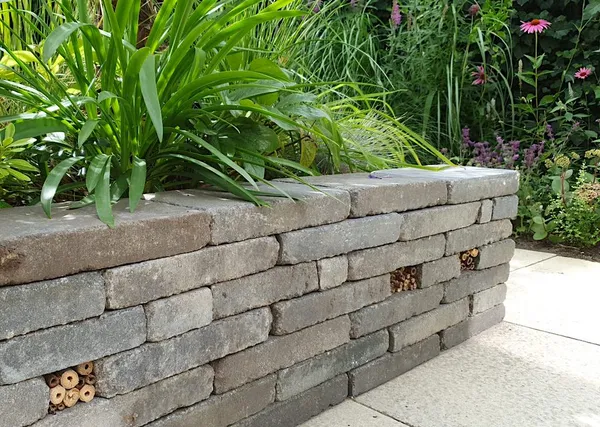
- Build a low stone wall (with plenty of cracks and holes) or place a loose pile of stones or boulders somewhere.
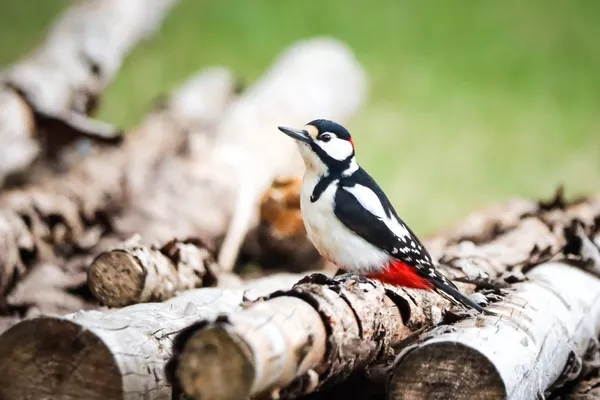
- Build a pile of small logs or thick branches where insects can take shelter.
- Create a brush fence. This is a natural barrier made of branches and prunings stacked on top of each other between two posts.
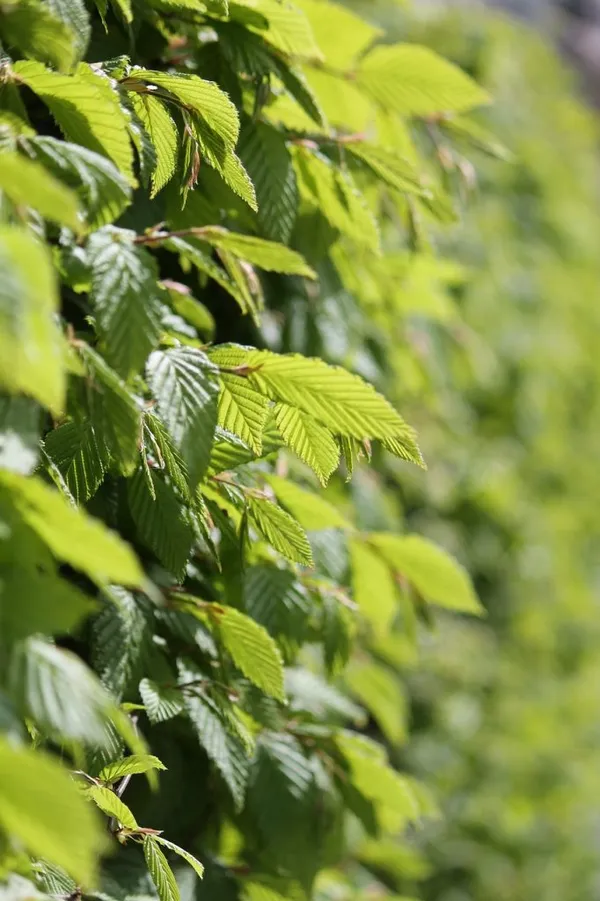
- Plant a hedge in your garden. Species such as privet, cherry laurel, and hawthorn are excellent choices for hedges because they provide plenty of privacy.
- Choose a mixed hedge to promote greater biodiversity.
Check out even more tips for garden birds, butterflies, bees, and hedgehogs in the garden.